Modern acoustic ceiling treatments combine design innovation with sound engineering, transforming ordinary spaces into extraordinary environments that look stunning and perform beautifully.

🎨 The Revolution in Ceiling Acoustics and Interior Design
Contemporary living and working spaces face unprecedented acoustic challenges. Open floor plans, hard surfaces, and minimalist aesthetics have created environments where sound bounces endlessly, creating uncomfortable echo chambers. Modern acoustic ceiling treatments address these issues while elevating interior design to new heights.
The evolution of acoustic technology has brought us far beyond the industrial-looking foam panels of yesterday. Today’s solutions blend seamlessly with architectural vision, offering textures, colors, and forms that enhance rather than compromise aesthetic integrity. Whether you’re renovating a home office, upgrading a restaurant, or designing a corporate headquarters, acoustic ceilings now deliver both visual impact and functional excellence.
Understanding how sound behaves in enclosed spaces is fundamental to appreciating these solutions. When sound waves hit hard surfaces, they reflect, creating reverberation and echo that muddy conversations, diminish music quality, and increase stress levels. Acoustic ceiling treatments absorb these sound waves, dramatically improving clarity and comfort.
Why Sound Quality Matters More Than Ever
The shift toward remote work, hybrid offices, and multi-functional spaces has amplified our acoustic awareness. Video conferences expose poor room acoustics mercilessly. Home theaters demand cinema-quality sound. Restaurants compete not just on food quality but on dining ambiance, where noise levels directly impact customer satisfaction and spending.
Research consistently demonstrates that acoustic comfort affects productivity, well-being, and even health. Excessive noise contributes to stress, fatigue, and reduced concentration. In educational settings, poor acoustics hinder learning outcomes. In healthcare facilities, they slow recovery rates. The stakes are higher than most people realize.
Modern acoustic ceiling treatments tackle these challenges head-on, offering measurable improvements in speech intelligibility, sound isolation, and overall acoustic comfort. They’re not luxury additions but essential components of thoughtful space design.
🏗️ Types of Modern Acoustic Ceiling Solutions
The marketplace offers diverse acoustic ceiling options, each with unique characteristics suited to different applications and aesthetic preferences.
Suspended Acoustic Panels
These floating elements create visual drama while absorbing sound effectively. Available in countless shapes—circles, rectangles, waves, custom geometries—they add three-dimensional interest to ceilings. Suspended panels work exceptionally well in spaces with high ceilings where traditional treatments might seem distant or ineffective.
Installation flexibility allows creative clustering patterns, varying heights, and color combinations that transform ceilings into artistic statements. They’re particularly popular in contemporary offices, hotels, and retail environments where brand identity matters.
Acoustic Ceiling Tiles and Planks
These direct-mounted solutions offer extensive coverage with streamlined appearance. Modern versions depart radically from institutional drop-ceiling tiles, featuring wood-look finishes, fabric coverings, perforated metal, and textured surfaces that complement high-end design schemes.
Ceiling tiles and planks install relatively quickly and provide consistent acoustic performance across large areas. They’re ideal for commercial spaces, educational facilities, and residential applications where comprehensive sound control is priority.
Acoustic Baffles and Clouds
Vertical baffles hang perpendicular to the ceiling, creating visual rhythm while intercepting sound from multiple angles. Horizontal clouds float at various heights, defining zones within open spaces. Both options maximize acoustic absorption with minimal ceiling coverage, making them cost-effective and design-flexible.
These treatments excel in industrial-chic environments, modern offices with exposed ceilings, and performance venues where acoustic precision matters most.
Integrated Acoustic Ceilings
Premium solutions embed acoustic materials within architectural ceiling systems, creating seamless surfaces that conceal their functional purpose. Perforated gypsum, acoustic plaster, and micro-perforated wood panels deliver sophisticated aesthetics with hidden acoustic performance.
While typically representing higher investment, integrated systems suit luxury residential projects, boutique hotels, high-end corporate spaces, and anywhere design purity cannot be compromised.
Material Matters: What Makes Them Work ✨
Understanding acoustic ceiling materials helps you make informed decisions aligned with your performance requirements, sustainability goals, and budget parameters.
Mineral Fiber and Fiberglass
These traditional materials remain popular for their excellent sound absorption, fire resistance, and affordability. Modern manufacturing techniques now produce mineral fiber products with attractive finishes that belie their utilitarian composition.
Fabric-Wrapped Acoustic Panels
Fabric coverings over acoustic core materials offer virtually unlimited color and texture options. They provide outstanding acoustic performance while enabling complete design customization. Many manufacturers offer digitally printed fabrics, allowing branded graphics, artistic images, or custom patterns.
Wood and Wood-Look Acoustic Products
Natural wood brings warmth and organic beauty while perforations or slats allow sound absorption. Engineered wood products and realistic wood-look alternatives provide similar aesthetics with enhanced sustainability and often superior acoustic consistency.
Metal Acoustic Ceilings
Perforated metal panels backed with acoustic material deliver industrial elegance with durability. They’re particularly suited to high-traffic commercial environments, healthcare facilities, and modern architectural statements where maintenance concerns justify their premium pricing.
Sustainable and Recycled Materials
Environmental consciousness drives innovation in acoustic materials. Recycled PET felt, sustainable wood products, bio-based composites, and rapidly renewable materials now deliver performance matching traditional options while supporting green building certifications.
🎯 Acoustic Performance Metrics Explained
Navigating technical specifications helps you select treatments that actually solve your acoustic challenges rather than just looking impressive on paper.
Noise Reduction Coefficient (NRC)
NRC measures how much sound a material absorbs, rated from 0.0 (total reflection) to 1.0 (total absorption). Higher NRC values indicate better sound absorption. For effective acoustic control, look for materials with NRC ratings above 0.70.
Sound Attenuation (CAC)
Ceiling Attenuation Class measures how well ceiling systems block sound transmission between adjacent rooms through the plenum space above. Higher CAC ratings provide better privacy and sound isolation.
Sound Transmission Class (STC)
This rating indicates how much sound a complete ceiling assembly blocks from passing through. Important for multi-story buildings and spaces requiring confidentiality or sound isolation.
Understanding these metrics ensures your acoustic ceiling investment delivers measurable results rather than marginal improvements that disappoint.
Design Integration: Making Acoustics Beautiful
The greatest acoustic ceiling treatments succeed because they enhance rather than compromise design vision. Strategic integration requires thoughtful planning from project inception.
Color and Finish Selection
Modern acoustic products offer expansive color palettes extending far beyond institutional white. Bold accent colors create focal points. Neutral tones recede visually, emphasizing other design elements. Textured finishes add tactile interest and visual depth.
Consider how ceiling treatments interact with lighting. Matte finishes minimize glare while textured surfaces create interesting shadow play. Reflective materials amplify light but may create unwanted brightness.
Pattern and Layout Strategies
Creative installation patterns transform functional acoustic treatments into design features. Alternating colors, varying panel sizes, creating geometric compositions, or arranging suspended elements in organic clusters all elevate visual impact.
Layout planning should account for lighting fixtures, HVAC components, sprinklers, and other ceiling-mounted systems. Coordinating acoustic treatments with these elements creates cohesive, intentional design rather than cluttered compromise.
Complementing Architectural Style
Acoustic ceiling treatments should harmonize with overall architectural character. Industrial spaces might feature exposed baffles and metal panels. Traditional interiors benefit from coffered acoustic ceilings or wood planks. Contemporary minimalist designs call for seamless integrated systems.
This alignment ensures acoustic solutions feel inherent to the space rather than added afterthoughts.
💼 Application-Specific Solutions
Different space types present unique acoustic challenges requiring tailored approaches.
Home Offices and Studios
Remote work demands professional audio quality for video conferences and recordings. Acoustic ceiling treatments eliminate echo that makes voices sound hollow and distant. Combined with wall treatments, they create broadcast-quality environments supporting career success.
Restaurants and Hospitality
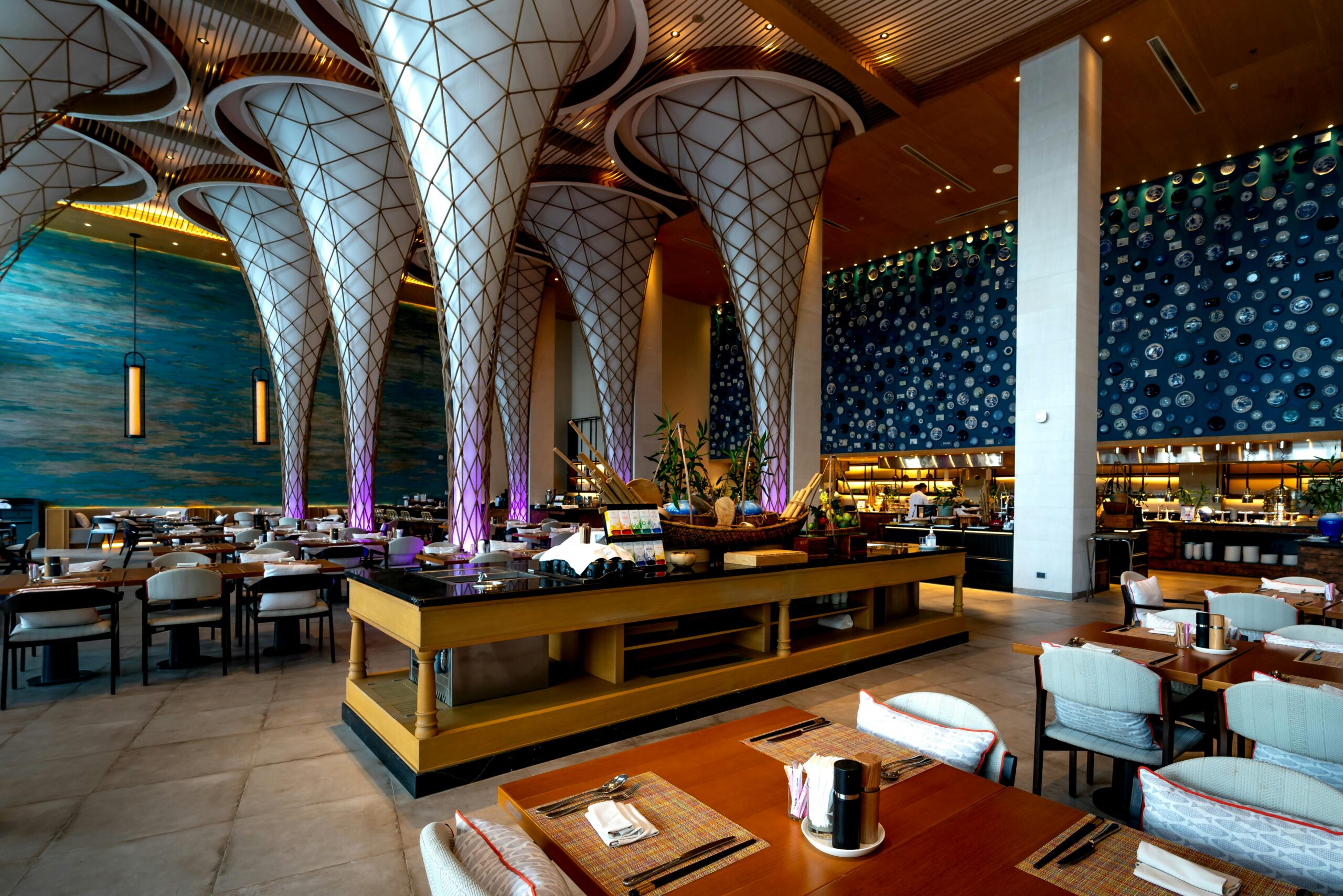
Noise levels directly impact dining experience and customer dwell time. Acoustic ceilings reduce cacophony without eliminating desirable ambient energy. Strategic placement above dining areas maintains conversational intimacy while allowing controlled liveliness.
Corporate Offices
Open offices require acoustic management for productivity and privacy. Ceiling treatments absorb sound across entire floor plates while suspended elements define zones without physical barriers. Phone rooms and conference spaces benefit from comprehensive acoustic packages including specialized ceiling systems.
Educational Facilities
Learning depends on clear communication. Acoustic ceilings improve speech intelligibility, reduce teacher vocal strain, and minimize distractions. Classrooms, lecture halls, and libraries each require specific acoustic targeting that ceiling treatments deliver effectively.
Healthcare Environments
Hospitals and clinics present strict requirements for cleanability, infection control, and acoustic comfort. Specialized acoustic ceiling products meet healthcare standards while reducing stress for patients and staff through improved sound environments.
Home Theaters and Music Rooms
Audio enthusiasts demand precision acoustic performance. Ceiling treatments complement wall panels and bass traps in creating optimized listening environments where every sonic detail emerges with clarity and impact.
🔧 Installation Considerations and Best Practices
Proper installation maximizes acoustic performance and ensures lasting visual appeal.
Professional vs. DIY Installation
Simple tile systems suit capable DIY enthusiasts with proper tools and planning. Complex suspended systems, integrated solutions, and large commercial projects require professional installation ensuring structural adequacy, proper mounting, and optimal acoustic results.
Structural Requirements
Ceiling loading capacity must support acoustic treatments safely. Suspended elements especially require adequate structural support. Consultation with structural engineers or experienced installers prevents dangerous oversights.
Integration with Building Systems
Acoustic treatments must accommodate lighting, HVAC, sprinklers, and technology infrastructure. Early coordination prevents costly redesigns and ensures all systems function optimally within the acoustic ceiling design.
Maintenance Accessibility
Building systems require periodic maintenance. Acoustic ceiling designs should provide reasonable access to plenum spaces, equipment, and infrastructure without requiring extensive disassembly.
Return on Investment: Valuing Acoustic Comfort 💰
Acoustic ceiling treatments represent significant investment, but returns extend beyond immediate comfort improvements.
Productivity Gains
Research demonstrates that improved acoustics increase workplace productivity by reducing distractions, lowering stress, and supporting focused work. Even modest productivity gains quickly offset treatment costs in commercial settings.
Property Value Enhancement
Sophisticated acoustic treatments elevate perceived quality and functionality, supporting premium pricing for residential properties and higher rental rates for commercial spaces. They signal attention to detail that discerning occupants value.
Energy Efficiency
Some acoustic ceiling systems provide thermal insulation benefits, reducing heating and cooling costs. This secondary benefit adds long-term value beyond acoustic performance.
Health and Well-being
Reducing noise-related stress improves occupant health, potentially lowering healthcare costs and sick days while increasing satisfaction and retention. These benefits prove difficult to quantify but substantially impact organizational success.
🌱 Sustainability and Environmental Responsibility
Modern acoustic ceiling treatments increasingly embrace environmental stewardship without compromising performance.
Recycled Content Materials
Many acoustic products incorporate substantial recycled content, diverting waste from landfills while delivering excellent acoustic performance. Recycled PET felt, for example, typically contains 60% or more post-consumer recycled material.
Low-VOC and Healthy Materials
Indoor air quality concerns drive demand for acoustic products with minimal volatile organic compound emissions. Low-VOC adhesives, formaldehyde-free cores, and natural materials support healthy indoor environments.
Longevity and Durability
Durable acoustic treatments that maintain performance and appearance for decades represent sustainable choices by reducing replacement cycles and associated environmental impacts.
Green Building Certifications
Many acoustic ceiling products contribute to LEED, WELL, and other green building certifications through recycled content, regional materials, low emissions, and acoustic performance credits. These certifications increasingly influence commercial building value and marketability.
Future Trends Shaping Acoustic Ceiling Design 🚀
Innovation continues advancing acoustic ceiling capabilities and aesthetic possibilities.
Smart Acoustic Systems
Emerging technologies integrate acoustic panels with environmental sensors, adaptive lighting, and building management systems. These intelligent solutions optimize acoustic performance based on occupancy and activity while supporting broader smart building initiatives.
Biophilic Design Integration
Combining acoustic performance with natural elements—living plants, natural materials, organic forms—supports biophilic design principles that enhance human connection to nature within built environments.
Customization and Digital Fabrication
Advanced manufacturing techniques enable economical custom acoustic solutions tailored to specific spaces. Digital printing, CNC fabrication, and parametric design tools empower unprecedented personalization.
Multifunctional Performance
Next-generation acoustic ceilings integrate additional functions—air purification, thermal mass, lighting diffusion—delivering comprehensive environmental control through unified systems.
Taking the First Steps Toward Better Sound and Style
Transforming your space with modern acoustic ceiling treatments begins with understanding your specific challenges and opportunities.
Start by assessing current acoustic issues. Record conversations or music in your space, noting echo, muddiness, or excessive loudness. Identify problematic areas where sound control would deliver maximum benefit.
Research product options aligned with your aesthetic preferences and performance requirements. Request samples to evaluate appearance, texture, and quality firsthand. Many manufacturers provide acoustic analysis tools helping you specify appropriate solutions.
Consult with acoustic professionals for significant projects. Their expertise ensures proper product selection, adequate coverage, and optimal installation, maximizing your investment return.
Consider phased implementation for large projects or budget constraints. Treating the most problematic areas first delivers immediate improvement while establishing foundation for comprehensive solutions.
Modern acoustic ceiling treatments represent powerful tools for transforming ordinary spaces into extraordinary environments where sound quality matches visual sophistication. They enable comfortable conversation, focused work, immersive entertainment, and peaceful relaxation—all while making bold design statements that reflect your style and values.
Whether you’re addressing specific acoustic problems or pursuing comprehensive environmental optimization, today’s acoustic ceiling solutions deliver performance and beauty that elevate every aspect of how you experience your space. The investment in acoustic comfort pays dividends in productivity, well-being, and enjoyment that resonate long after installation completes.