Transform your living or working space with multi-layer drywall systems that combine superior strength, aesthetic versatility, and remarkable acoustic control in one innovative solution. 🏗️

The construction and renovation industry has witnessed a remarkable evolution in wall systems over the past decades. Gone are the days when simple single-layer drywall was the only option for interior walls. Today’s multi-layer drywall systems represent a sophisticated approach to building design, offering homeowners, contractors, and commercial developers an unparalleled combination of structural integrity, design flexibility, and environmental comfort that single-layer installations simply cannot match.
Whether you’re building a new home, renovating an existing space, or seeking solutions for noise problems in your office, understanding the capabilities of multi-layer drywall systems can fundamentally change how you approach your project. These advanced wall assemblies aren’t just about adding more material—they’re about engineering complete wall systems that perform multiple functions simultaneously while remaining cost-effective and relatively easy to install.
Understanding Multi-Layer Drywall: More Than Just Doubled Thickness 🔍
Multi-layer drywall systems consist of two or more layers of gypsum board installed on the same wall frame, creating a composite assembly with properties that far exceed what you’d expect from simply doubling the thickness. The magic happens in how these layers interact with each other and with the materials placed between them.
The most common configurations include double-layer systems on one or both sides of the wall studs, but high-performance applications may feature triple layers or specialized assemblies incorporating different board types, densities, and thicknesses. Each additional layer contributes not just mass but also creates air gaps, dampening layers, and decoupling effects that dramatically enhance performance across multiple metrics.
Standard single-layer drywall typically consists of 1/2-inch or 5/8-inch gypsum board attached directly to wood or metal studs. While adequate for basic applications, this simple approach leaves significant performance gaps in areas where structural demands, acoustic control, or fire resistance are priorities. Multi-layer systems address these limitations head-on.
The Science Behind Enhanced Performance
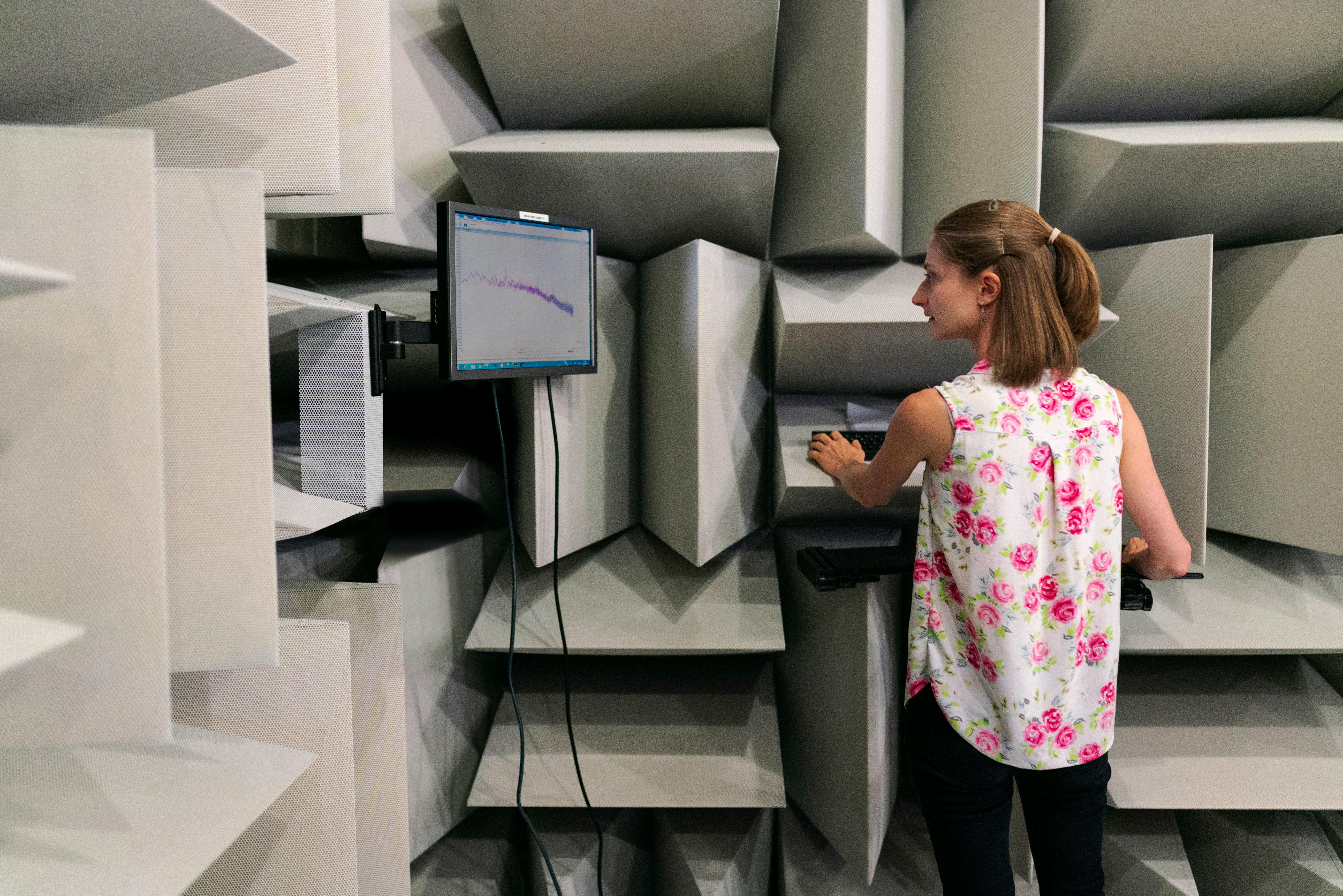
When sound waves encounter a wall, they cause the wall assembly to vibrate. In single-layer systems, these vibrations transfer relatively easily through the structure. Multi-layer systems create what acoustical engineers call “mass-spring-mass” assemblies, where each layer has different resonance frequencies, effectively trapping and dissipating sound energy rather than transmitting it.
Similarly, the structural advantages come from distributing loads across multiple planes and eliminating the possibility of fastener penetration creating direct pathways through the entire wall thickness. This redundancy significantly improves impact resistance and overall durability.
Unmatched Structural Strength and Impact Resistance 💪
One of the most immediately noticeable benefits of multi-layer drywall systems is their exceptional resistance to damage. In high-traffic commercial environments, residential hallways with active children, or anywhere doors might swing open forcefully, multi-layer walls stand up to abuse that would leave standard walls dented, cracked, or requiring repair.
The structural advantages extend beyond surface damage. Multi-layer systems provide enhanced attachment strength for heavy fixtures, better lateral bracing for the overall building structure, and improved performance during seismic events. The additional mass and redundant attachment points create a more robust assembly that contributes to overall building safety.
Commercial Applications Where Strength Matters Most
Healthcare facilities, schools, hospitality venues, and retail environments have increasingly adopted multi-layer drywall as standard practice for corridors, public areas, and anywhere durability is paramount. The reduced maintenance costs and extended service life often justify the modest increase in initial installation expense within just a few years of operation.
Hospital corridors face constant traffic from beds, wheelchairs, and equipment carts. Multi-layer walls in these settings resist the inevitable bumps and impacts that would quickly destroy standard walls, maintaining a professional appearance while minimizing maintenance disruptions in critical care environments.
Acoustic Performance That Changes Everything 🔇
Perhaps the most compelling reason for choosing multi-layer drywall systems is their exceptional soundproofing capability. In our increasingly dense living and working environments, controlling sound transmission has become a critical quality-of-life and productivity factor. Multi-layer walls deliver acoustic performance that single-layer assemblies simply cannot approach.
Sound Transmission Class (STC) ratings measure how well wall assemblies block sound. Standard single-layer drywall walls typically achieve STC ratings between 33 and 39, depending on stud spacing and installation quality. Multi-layer systems routinely achieve STC ratings of 50 to 60 or higher, representing a dramatic reduction in sound transmission that occupants experience as nearly complete acoustic isolation.
Creating Peaceful Home Environments
For residential applications, multi-layer drywall transforms how families experience their homes. Master bedroom suites separated from children’s rooms by high-performance walls allow parents to enjoy quiet evenings. Home theaters with multi-layer construction prevent movie soundtracks from disturbing other occupants. Home offices benefit from acoustic isolation that enables focused work even in busy households.
The difference between STC 35 and STC 55 is profound. At STC 35, loud speech is clearly understandable through the wall. At STC 55, loud speech is reduced to a faint murmur, and normal conversation is essentially inaudible. For homeowners who have lived with inadequate sound control, the improvement feels transformative.
Professional Studios and Recording Spaces
Musicians, podcasters, content creators, and audio professionals increasingly work from home studios where acoustic control is absolutely essential. Multi-layer drywall systems combined with resilient channels, acoustic insulation, and proper sealing create cost-effective recording environments that approach professional studio performance without requiring expensive specialty construction.
The investment in proper wall assemblies pays dividends in recording quality, neighbor relations, and the ability to work at any hour without constraint. Many content creators discover that improving their recording space acoustics through multi-layer walls delivers better results than purchasing expensive microphones or signal processing equipment.
Fire Resistance and Building Code Compliance 🔥
Multi-layer drywall systems provide significantly enhanced fire resistance compared to single-layer installations. Building codes increasingly require fire-rated assemblies in specific locations, including garage-to-living space separations, multi-family unit demising walls, and commercial tenant separations. Multi-layer systems easily achieve one-hour, two-hour, or even higher fire ratings depending on configuration.
Type X fire-rated gypsum board contains special additives that enhance its fire resistance. When used in multi-layer assemblies, these boards create robust fire barriers that contain flames and heat for extended periods, providing critical escape time and protecting adjacent spaces. This fire protection capability often represents a legal requirement rather than an optional upgrade.
Insurance and Liability Considerations
Property insurance companies recognize the reduced risk associated with fire-rated construction. Some insurers offer premium reductions for buildings incorporating enhanced fire protection measures, including multi-layer fire-rated drywall systems. For commercial property owners and multi-family developers, these insurance savings contribute to the financial justification for higher-performance wall systems.
From a liability perspective, building owners have responsibility for providing reasonably safe environments. In the unfortunate event of a fire, demonstrating that appropriate fire-rated assemblies were installed according to code requirements provides important legal protection and peace of mind.
Design Flexibility and Aesthetic Excellence ✨
Beyond performance benefits, multi-layer systems offer aesthetic advantages that interior designers and architects appreciate. The additional mass and rigidity create flatter, more dimensionally stable surfaces that accept premium finishes beautifully. Venetian plaster, metallic finishes, and other high-end wall treatments show their best qualities on the perfectly flat planes that properly installed multi-layer walls provide.
The improved impact resistance means walls maintain their appearance longer, avoiding the surface waviness and damage that develops in standard walls over time. In commercial settings where appearance directly affects customer perception and brand image, this long-term aesthetic stability justifies the modest additional investment.
Curved Walls and Architectural Features
Multi-layer systems actually simplify the construction of curved walls and architectural details. The first layer can be thinner, flexible gypsum board that bends to the desired radius, while subsequent layers add rigidity and mass to the finished assembly. This approach creates beautiful curved elements with better acoustic and structural properties than single-layer curved walls.
Installation Considerations and Best Practices 🔧
Installing multi-layer drywall systems requires understanding specific techniques that maximize performance. The most critical principle is offsetting seams between layers—never allowing joints in different layers to align. This offset prevents weak planes through the assembly and dramatically improves both structural and acoustic performance.
Proper fastening patterns matter significantly. Each layer requires appropriate screw spacing and length, with careful attention to not overdriving fasteners, which can compromise the board integrity. Professional installers understand these nuances and execute them consistently, delivering the full performance potential the system offers.
Acoustic Enhancement Strategies
To maximize soundproofing performance, several complementary strategies work alongside multi-layer drywall:
- Resilient channels: Metal channels that decouple drywall from studs, preventing vibration transmission
- Acoustic insulation: Fiberglass or mineral wool batts filling stud cavities to absorb sound energy
- Green Glue or similar damping compounds: Viscoelastic materials applied between drywall layers that convert sound energy to heat
- Acoustic caulk: Sealing all penetrations and perimeter gaps to prevent sound flanking around the wall assembly
- Staggered or double studs: Framing techniques that eliminate direct structural connections between wall faces
These complementary measures transform good multi-layer walls into exceptional acoustic barriers. The combined system approach delivers performance far exceeding what any single measure could achieve independently.
Cost Analysis: Investment Versus Value 💰
Multi-layer drywall systems cost more than single-layer installations—this reality cannot be avoided. However, analyzing costs requires considering both initial expense and long-term value. Material costs increase proportionally with the additional board, but labor costs don’t double since much of the work involves setup, finishing, and painting that would occur regardless of layer count.
A typical residential room might see walls increase from approximately $2.50 per square foot for standard single-layer construction to $4.50-6.00 per square foot for double-layer assemblies with acoustic enhancements. For a 12×14 bedroom with 8-foot ceilings, this represents roughly $700-1,200 additional investment for dramatically improved performance.
Return on Investment Calculation
The value proposition becomes clearer when considering specific scenarios. For home theaters, the acoustic investment eliminates the need for expensive soundproofing remediation later. For bedrooms adjacent to noisy areas, improved sleep quality has measurable health and productivity benefits. For commercial spaces, reduced tenant complaints and improved satisfaction support higher occupancy rates and rental premiums.
Property value studies consistently show that homes with superior acoustic control command price premiums, particularly in dense urban markets where sound transmission between units represents a primary quality-of-life concern. The modest investment in multi-layer systems often returns multiples when the property sells.
Environmental Sustainability and Green Building 🌱
Modern multi-layer drywall systems align well with sustainable building practices. Gypsum board is primarily composed of natural gypsum or synthetic gypsum recovered from power plant emissions, giving beneficial use to what would otherwise be waste material. The manufacturing process has become increasingly efficient, and recycling programs now reclaim gypsum from demolition for reuse in new boards.
The durability and longevity of multi-layer systems contribute to sustainability by reducing the frequency of replacement and renovation. Walls that maintain their integrity and appearance for decades consume fewer resources over the building lifecycle than frequently repaired or replaced standard walls.
Energy Efficiency Connections
While drywall itself provides minimal insulation value, properly constructed multi-layer walls create more airtight building envelopes, reducing infiltration and improving overall energy efficiency. The acoustic insulation materials typically used in high-performance walls also contribute thermal resistance, helping buildings maintain comfortable temperatures with less energy consumption.
Taking Your Project to the Next Level 🚀
Whether you’re planning new construction, major renovation, or targeted upgrades to problematic areas, multi-layer drywall systems deserve serious consideration. The combination of structural strength, acoustic isolation, fire protection, and aesthetic quality creates wall assemblies that perform at fundamentally higher levels than standard construction.
Start by identifying your priorities. If sound control drives your interest, focus on acoustic-optimized assemblies with resilient channels and damping compounds. If durability matters most, consider impact-resistant board products in multi-layer configurations. For fire safety, specify Type X boards in appropriate ratings for your application.
Work with experienced contractors who understand multi-layer installation techniques and have delivered successful projects. Review their portfolio, check references, and verify they appreciate the details that distinguish adequate installation from excellence. The performance benefits of multi-layer systems only materialize when proper installation practices are followed consistently.
When to Prioritize Multi-Layer Solutions
Certain situations particularly justify multi-layer drywall investment. Shared walls in duplexes and townhomes, walls separating living spaces from mechanical rooms or garages, home theater installations, recording studios, bedrooms in busy households, and any commercial application where acoustic privacy matters all benefit dramatically from multi-layer construction.
Even in budget-conscious projects, selectively applying multi-layer systems to critical walls often represents achievable compromise that delivers significant quality-of-life improvements without dramatically impacting overall project costs. Strategic deployment creates maximum impact from targeted investment.

Transforming Spaces, Enhancing Lives 🏡
The walls surrounding us profoundly affect our daily experience, yet they often receive minimal consideration during design and construction. Multi-layer drywall systems represent a proven technology that elevates wall performance across multiple dimensions simultaneously. The quiet that descends when proper acoustic barriers separate spaces, the security of knowing fire-rated assemblies provide protection, the peace of mind from durable walls that resist damage—these benefits compound into improved quality of life.
For professionals working from home, parents seeking peaceful evenings, music enthusiasts enjoying home theaters, or building owners protecting their investments, multi-layer drywall systems deliver tangible value that justifies the modest additional investment. The technology isn’t experimental or unproven—it’s engineering science applied to solve real problems that affect real people every day.
As construction practices continue evolving toward higher-performance building assemblies, multi-layer drywall systems have transitioned from specialty application to mainstream best practice. The question for your next project isn’t whether multi-layer systems offer advantages—the evidence overwhelmingly confirms they do—but rather whether the specific benefits align with your priorities and budget sufficiently to justify implementation.
By understanding what multi-layer drywall systems offer and how they achieve their superior performance, you’re equipped to make informed decisions that could fundamentally improve your built environment. The walls you choose today will surround you for years or decades—choose wisely, and they’ll enhance your space in ways you’ll appreciate every single day. 🌟