Are you tired of hearing every footstep, conversation, and street noise invading your personal space? While acoustic foam has long been the go-to solution, it’s time to explore better alternatives that offer superior performance, aesthetics, and value for your soundproofing project.

🔊 Why Look Beyond Traditional Acoustic Foam?
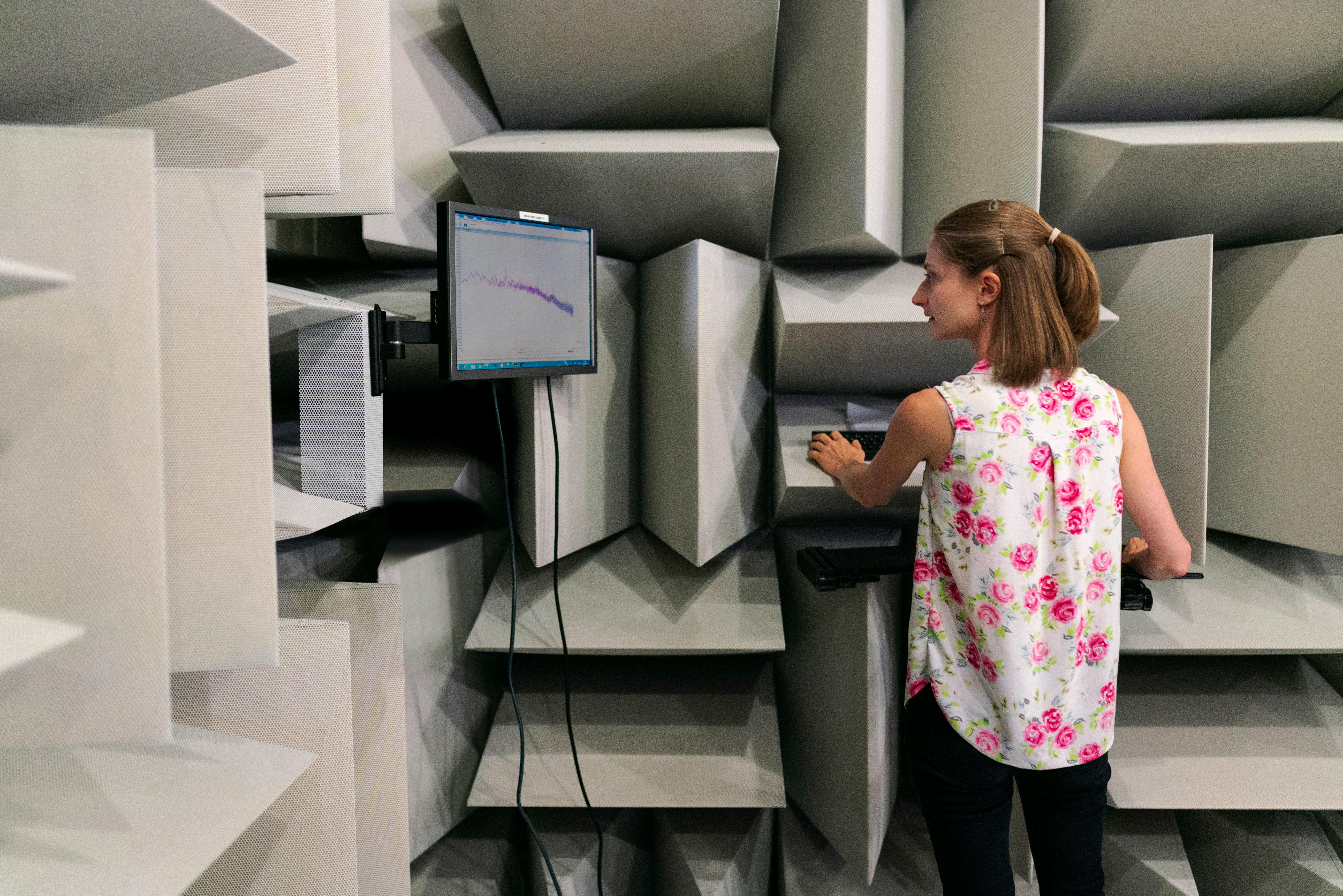
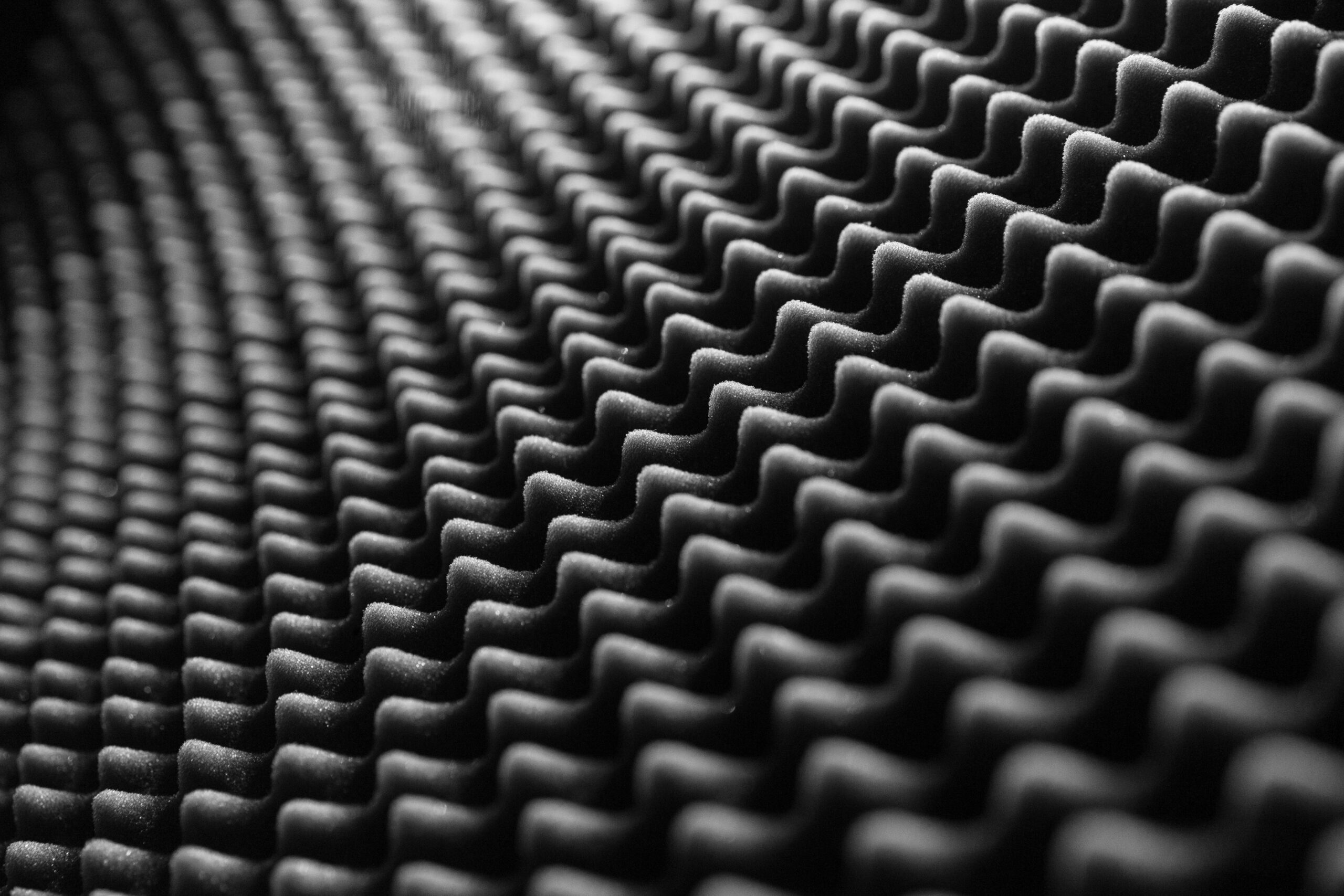
Traditional acoustic foam panels have dominated the soundproofing market for decades, but they come with significant limitations that often frustrate homeowners, musicians, and content creators alike. These lightweight foam wedges primarily absorb high-frequency sounds while leaving low-frequency noise largely unaffected. Additionally, they’re highly flammable, deteriorate quickly when exposed to sunlight, and frankly, they can make your space look like a budget recording studio from the 1980s.
The truth is that acoustic foam was never designed for comprehensive noise control. It serves a specific purpose in treating echo and reverberation within a room, but it does little to prevent sound from traveling through walls, ceilings, or floors. If you’re serious about creating a genuinely quiet environment, you need materials that address both sound absorption and sound blocking.
Modern soundproofing alternatives offer multi-dimensional benefits: better fire resistance, improved aesthetics, enhanced durability, and most importantly, superior noise reduction across the entire frequency spectrum. Whether you’re building a home theater, setting up a podcast studio, or simply trying to get better sleep in a noisy neighborhood, these alternatives deliver results that acoustic foam simply cannot match.
Mass Loaded Vinyl: The Heavy-Duty Sound Barrier 💪
Mass loaded vinyl (MLV) represents one of the most effective soundproofing materials available today. This dense, flexible material works on a simple principle: mass blocks sound. Unlike acoustic foam that absorbs sound waves, MLV prevents them from passing through surfaces in the first place.
Typically weighing between one to two pounds per square foot, MLV can be installed on walls, ceilings, floors, and even wrapped around noisy pipes. Its flexibility makes it incredibly versatile for both new construction and retrofit applications. You can layer it behind drywall, under flooring, or even hang it as a temporary sound barrier.
The installation process is straightforward. MLV comes in rolls that can be cut with a utility knife and attached using nails, screws, or construction adhesive. For maximum effectiveness, seal all seams with acoustic caulk to prevent sound leaks. While MLV costs more upfront than acoustic foam, its superior performance and longevity make it a worthwhile investment for serious noise control projects.
When to Choose Mass Loaded Vinyl
- Blocking airborne noise from neighbors or street traffic
- Creating sound barriers between rooms
- Reducing impact noise transmission through floors
- Building home theaters or music studios
- Soundproofing apartments without major renovations
🎨 Acoustic Fabric Panels: Where Style Meets Function
If you’ve ever walked into a modern office, upscale restaurant, or contemporary home and noticed attractive wall panels that blend seamlessly with the décor, you were probably looking at acoustic fabric panels. These sophisticated alternatives combine high-performance sound absorption with customizable aesthetics that actually enhance your space rather than detract from it.
Acoustic fabric panels typically consist of a dense core material—usually mineral wool, fiberglass, or recycled cotton—wrapped in decorative fabric. The core material absorbs sound energy across a broad frequency range, while the fabric facing allows sound waves to penetrate while adding visual appeal. You can choose from hundreds of fabric colors, patterns, and textures to complement any interior design scheme.
What makes these panels particularly appealing is their professional appearance. Unlike the industrial look of exposed acoustic foam, fabric panels can be arranged in artistic configurations, creating focal points that serve dual purposes as both sound treatment and wall art. Some manufacturers even offer custom printing services, allowing you to display photographs, artwork, or branding while improving room acoustics.
The sound absorption performance of quality fabric panels often exceeds that of acoustic foam, particularly in the mid and low-frequency ranges where foam typically underperforms. With Noise Reduction Coefficient (NRC) ratings often reaching 0.85 to 1.0, these panels absorb up to 85-100% of sound energy that strikes them.
Rockwool and Mineral Wool Insulation: The Professional Choice 🏗️
Professional acousticians and studio designers consistently recommend mineral wool products for serious soundproofing applications. These materials, made from molten rock or industrial slag spun into fiber, offer exceptional acoustic properties combined with fire resistance and moisture control that acoustic foam simply cannot provide.
Rockwool insulation excels at both sound absorption and sound blocking. Its dense, fibrous structure traps sound waves while its substantial mass prevents sound transmission. When installed within wall or ceiling cavities, mineral wool can reduce noise transfer by 45-50 decibels or more, creating genuinely quiet spaces that allow for focused work, quality sleep, or immersive entertainment experiences.
The material comes in various densities and formats, including batts for framing cavities, rigid boards for surface mounting, and semi-rigid panels for suspended ceilings. Higher density products provide better low-frequency absorption, making them ideal for controlling bass-heavy noise like traffic rumble, HVAC systems, or music with prominent low-end frequencies.
Installation Considerations for Mineral Wool
Installing mineral wool requires basic safety precautions. Wear gloves, long sleeves, eye protection, and a dust mask during installation, as the fibers can irritate skin and respiratory passages. The material cuts easily with a serrated knife or handsaw, fitting snugly into standard framing cavities without requiring fasteners.
For maximum effectiveness, completely fill wall and ceiling cavities without compressing the material, as compression reduces its acoustic performance. Combine mineral wool with resilient channels or sound isolation clips to create decoupled assemblies that prevent vibration transmission through structural elements.
🌿 Eco-Friendly Cork Solutions for Sustainable Soundproofing
Cork has emerged as a favorite among environmentally conscious builders and renovators seeking natural, sustainable soundproofing alternatives. Harvested from the bark of cork oak trees without harming the trees themselves, cork offers renewable sound control with zero environmental guilt.
Natural cork’s cellular structure—consisting of millions of tiny air-filled chambers—provides excellent sound absorption and vibration damping properties. Cork panels, tiles, and underlayment effectively reduce both airborne noise and impact sounds, making them particularly valuable for floor soundproofing applications.
Beyond acoustic benefits, cork brings additional advantages to your space. It’s naturally antimicrobial and hypoallergenic, resisting mold, mildew, and dust mites. Cork also provides thermal insulation, potentially reducing heating and cooling costs. The material’s warm, natural aesthetic adds character to spaces, available in various colors and textures from light tan to dark brown.
Cork soundproofing products come in multiple formats: wall panels, floor tiles, underlayment rolls, and even spray-on cork coatings. For wall applications, cork panels can be installed directly over existing surfaces using construction adhesive. Floor cork underlayment goes beneath hardwood, laminate, or tile flooring, significantly reducing footfall noise transmission to rooms below.
Soundproof Curtains and Blankets: Flexible Temporary Solutions 🎭
Not every soundproofing situation requires permanent installation. Renters, temporary studios, and situations requiring flexible noise control benefit greatly from soundproof curtains and acoustic blankets that deliver surprising performance without construction or permanent modifications.
Quality soundproof curtains feature multiple layers of dense fabric, often including a mass-loaded vinyl core sandwiched between decorative outer layers. These heavy drapes can reduce noise transmission through windows by 10-20 decibels, noticeably diminishing street noise, neighbor sounds, and outdoor disturbances.
Acoustic blankets, originally developed for industrial noise control, have found new life in home studios, practice spaces, and temporary recording environments. These thick, quilted blankets can be hung from stands, mounted on walls, or draped over equipment to absorb sound and reduce echo. Musicians frequently use them to create portable vocal booths or drum enclosures that can be set up and taken down as needed.
While not as effective as permanent solutions like mineral wool or mass loaded vinyl, soundproof curtains and blankets offer legitimate noise reduction for situations where permanent installation isn’t possible or practical. They’re particularly effective when combined with other soundproofing measures as part of a comprehensive noise control strategy.
📊 Comparing Top Acoustic Foam Alternatives: Performance and Cost
| Material | Sound Blocking | Sound Absorption | Fire Resistance | Cost Level | Best Application |
|---|---|---|---|---|---|
| Mass Loaded Vinyl | Excellent | Poor | Good | High | Sound barriers |
| Acoustic Fabric Panels | Poor | Excellent | Excellent | Medium-High | Echo control |
| Mineral Wool | Very Good | Excellent | Excellent | Medium | All-purpose |
| Cork | Good | Good | Good | Medium | Floors/eco-friendly |
| Soundproof Curtains | Fair | Fair | Variable | Low-Medium | Temporary/windows |
Combining Materials for Maximum Sound Control 🎯
The most effective soundproofing strategies rarely rely on a single material. Professional acousticians typically combine different products to address multiple aspects of noise control: blocking sound transmission, absorbing reflections, and decoupling structural elements to prevent vibration transfer.
A comprehensive wall soundproofing system might include mineral wool insulation within the wall cavity to absorb sound, mass loaded vinyl as an additional sound barrier layer, resilient channels to decouple the drywall from studs, and fabric acoustic panels on the finished surface to control echo and reverberation. Each component addresses a specific acoustic challenge, creating a cumulative effect far greater than any single material could achieve.
For floor soundproofing in multi-level buildings, a layered approach typically includes cork or rubber underlayment to reduce impact noise, followed by mass loaded vinyl for airborne sound blocking, then resilient underlayment specifically designed for the finished flooring type. This sandwich construction effectively minimizes both footfall noise and general sound transmission between floors.
Budget-Friendly Combination Strategies
You don’t need to implement every soundproofing technique simultaneously. Start with the most problematic noise sources and address them systematically. Begin by sealing air gaps around doors, windows, and electrical outlets, as these leaks often undermine expensive soundproofing materials. Then add sound absorption to control echo, followed by mass-based blocking materials for transmission reduction.
🔧 Installation Tips for DIY Soundproofing Success
Successful soundproofing depends as much on proper installation as material selection. Even premium products fail to perform when poorly installed, while correctly installed mid-range materials often exceed expectations.
The most critical principle is eliminating gaps and maintaining continuous coverage. Sound travels through the path of least resistance—a single small gap can compromise an entire soundproofed wall. Use acoustic caulk to seal every seam, penetration, and junction between different materials. Pay special attention to electrical boxes, HVAC registers, and pipe penetrations, which commonly create sound leak pathways.
When installing sound absorption panels, placement matters significantly. Focus treatment on primary reflection points—the walls and ceiling locations where sound waves bounce directly between sound sources and listening positions. In rectangular rooms, this typically includes the wall behind speakers, the wall opposite the listening position, and ceiling sections between speakers and listeners.
For sound blocking applications, remember that mass and airtightness work together. Adding mass loaded vinyl or extra drywall layers provides minimal benefit if air gaps remain. Consider using double layers of drywall with Green Glue damping compound between them, which converts sound energy to negligible heat, significantly improving noise reduction beyond what additional mass alone would provide.
Measuring Success: Understanding Soundproofing Metrics 📐
Understanding basic acoustic metrics helps you evaluate product claims and set realistic expectations for your soundproofing project. Two primary measurements define soundproofing performance: Sound Transmission Class (STC) for blocking and Noise Reduction Coefficient (NRC) for absorption.
STC ratings measure how well building assemblies block airborne sound across common frequencies. A standard wall typically rates around STC 33, allowing normal speech to be heard clearly through it. An STC 45 wall reduces speech to a murmur, while STC 50+ makes speech inaudible except at very loud volumes. Each 10-point STC increase represents a perceived halving of sound transmission.
NRC ratings indicate the percentage of sound energy absorbed by a material, ranging from 0.00 (total reflection) to 1.00 (total absorption). Acoustic foam typically achieves NRC 0.65-0.85, while premium fabric panels reach NRC 0.95-1.00. However, NRC represents an average across frequencies; some materials perform better at specific frequency ranges than their overall NRC suggests.
🏠 Room-Specific Soundproofing Recommendations
Different spaces present unique acoustic challenges requiring tailored solutions. Home theaters need comprehensive bass management and reflection control. Home offices require speech isolation to prevent distraction. Bedrooms demand blocking external noise for quality sleep.
For home theaters, combine heavy bass trapping in room corners using thick mineral wool panels with strategically placed fabric absorption panels on walls and ceilings. Add mass loaded vinyl to shared walls to prevent disturbing adjacent rooms. Consider floating floor systems if the theater sits above occupied spaces, preventing low-frequency transmission that traditional soundproofing often fails to control.
Bedroom soundproofing priorities differ, focusing on blocking external noise from traffic, neighbors, or household activity. Install soundproof curtains or cellular shades on windows, add door sweeps and seals, and consider placing thick cork panels or mineral wool boards behind the headboard wall. White noise machines can mask remaining sounds, creating a sonic buffer that makes minor noise disturbances less noticeable.
Recording studios and podcast spaces require balanced treatment addressing both sound isolation and internal acoustics. Isolation prevents external noise contamination in recordings while internal treatment controls echo and resonance. A typical podcasting space benefits from fabric panels covering 25-35% of wall surfaces, strategically distributed to eliminate primary reflections while maintaining some natural room ambience.
Future-Proofing Your Investment: Maintenance and Longevity 🔮
Unlike acoustic foam that deteriorates rapidly, quality soundproofing alternatives offer decades of reliable performance with minimal maintenance. Mineral wool products essentially last the lifetime of the building, requiring no upkeep once properly installed. Fabric panels need only occasional vacuuming to remove dust accumulation, maintaining their appearance and acoustic performance indefinitely.
Cork products gradually darken with age, developing a rich patina that many find attractive. This natural aging doesn’t affect acoustic performance. Protect cork from excessive moisture in bathrooms or basements by selecting cork products specifically treated for humid environments, or apply clear sealer to untreated cork surfaces.
Mass loaded vinyl maintains performance indefinitely when protected from UV light, which can degrade vinyl over time. Since MLV typically installs behind finish surfaces, UV exposure rarely becomes an issue. Periodically inspect acoustic caulk seals around MLV installations, refreshing them if gaps appear due to building settlement or temperature cycling.
Soundproof curtains require laundering every few months to maintain appearance, following manufacturer care instructions carefully to preserve the multiple internal layers. Most quality soundproof curtains withstand machine washing on gentle cycles, though hanging to dry rather than machine drying prevents potential layer separation.
🎬 Transform Your Space with Smart Soundproofing Choices
Moving beyond traditional acoustic foam opens a world of superior soundproofing options that deliver better performance, enhanced aesthetics, improved safety, and greater longevity. Whether you choose the heavy-duty blocking power of mass loaded vinyl, the elegant absorption of fabric panels, the comprehensive performance of mineral wool, the sustainable appeal of cork, or the flexibility of soundproof curtains, you’ll achieve noise control results that acoustic foam simply cannot match.
Successful soundproofing requires understanding your specific needs, selecting appropriate materials, and implementing proper installation techniques. Start with a clear assessment of your noise challenges: Are you fighting transmission through walls, echo within a room, or impact noise through floors? Each situation demands different solutions.
Remember that effective soundproofing often involves combining multiple approaches. A single material rarely solves complex acoustic challenges, but thoughtfully integrated systems deliver remarkable results. The initial investment in quality materials and proper installation pays dividends through improved comfort, productivity, and peace of mind for decades to come.
Your journey toward perfect noise control begins with rejecting the limitations of acoustic foam and embracing modern alternatives that truly revolutionize how we manage sound in our spaces. The quiet, comfortable environment you’ve always wanted is absolutely achievable with the right materials, proper techniques, and commitment to doing soundproofing correctly.