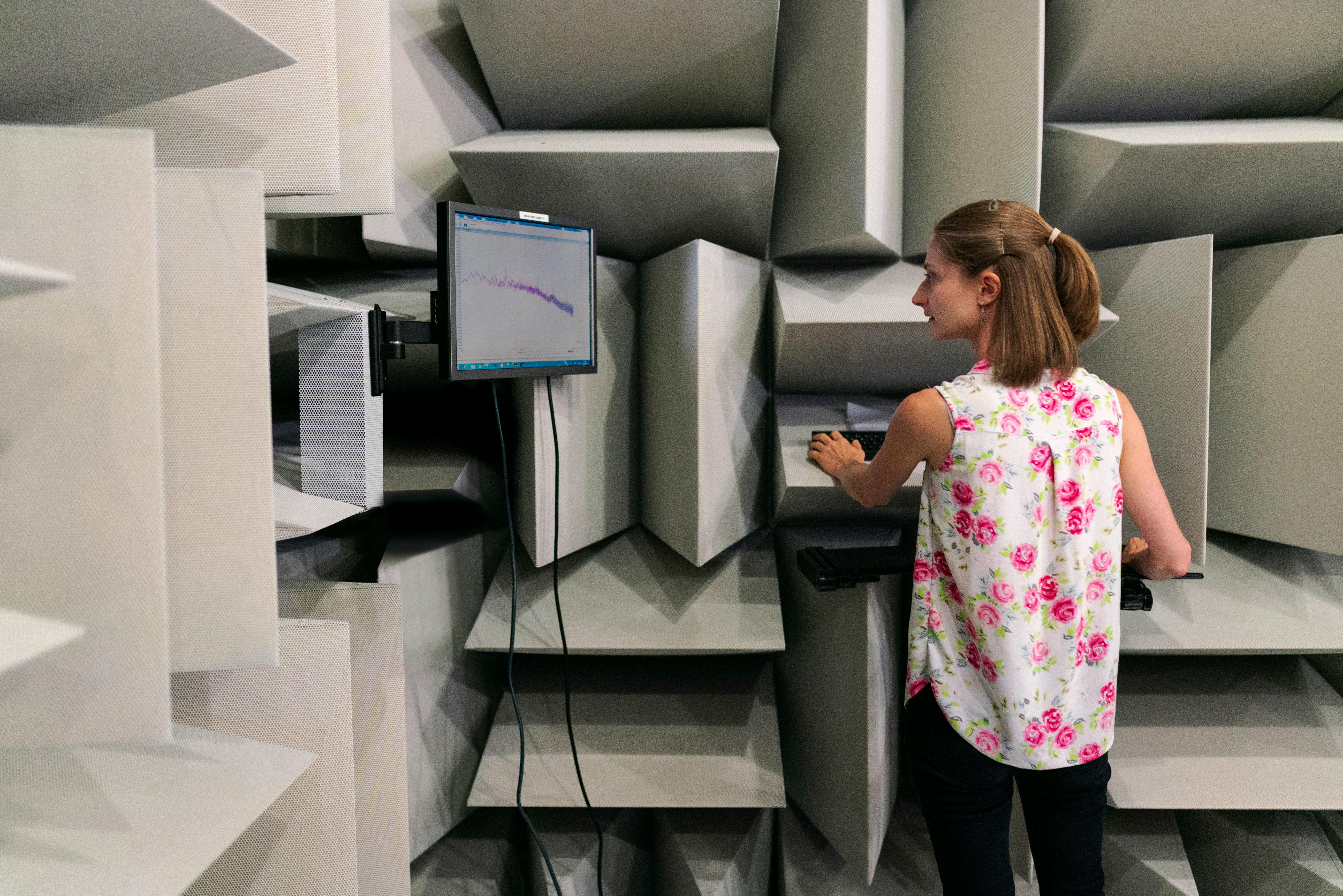
The future of acoustic innovation lies in sustainability, where cutting-edge technology meets environmental responsibility to create soundscapes that protect both people and the planet. 🌍

Noise pollution has become one of the most pervasive yet overlooked environmental challenges of our time. From bustling urban centers to industrial zones, unwanted sound impacts millions of lives daily, affecting mental health, productivity, and overall well-being. Yet, the solutions we’ve traditionally relied upon often come with their own environmental costs—materials that can’t be recycled, manufacturing processes that consume excessive energy, and products with short lifespans that end up in landfills.
The acoustic industry stands at a pivotal crossroads. As awareness grows about both noise pollution and climate change, there’s an urgent need to reimagine how we approach sound management. This isn’t just about making spaces quieter; it’s about doing so in ways that align with our broader sustainability goals and contribute to a healthier planet for future generations.
🌱 The Environmental Impact of Traditional Acoustic Solutions
Conventional soundproofing and acoustic treatment materials have long relied on synthetic foams, fiberglass, and petroleum-based products. These materials, while effective at absorbing or blocking sound, carry significant environmental baggage. The production of polyurethane foam, for instance, requires chemical processes that release volatile organic compounds (VOCs) into the atmosphere, contributing to air pollution and potential health hazards.
Moreover, the end-of-life scenario for these materials is problematic. Most acoustic foams and panels cannot be easily recycled, meaning they ultimately contribute to the growing waste crisis. When disposed of in landfills, they can take centuries to decompose, and when incinerated, they may release toxic substances into the air.
The carbon footprint associated with manufacturing and transporting these materials adds another layer of concern. Heavy, bulky acoustic panels require substantial energy for production and shipping, increasing greenhouse gas emissions throughout their lifecycle. This reality has prompted researchers, architects, and acoustic engineers to seek alternatives that deliver superior sound performance while minimizing environmental harm.
Natural Materials Leading the Acoustic Revolution
Nature has always been an exceptional sound designer. From the way forests naturally dampen noise to how certain plant structures absorb sound waves, biomimicry offers valuable lessons for sustainable acoustic solutions. Today’s innovators are tapping into these natural principles, developing materials that perform acoustically while remaining environmentally benign.
Mycelium-Based Acoustic Panels
Mushroom mycelium has emerged as a game-changing material in sustainable acoustics. This fungal network, which typically grows beneath forest floors, can be cultivated on agricultural waste to create lightweight, biodegradable acoustic panels. The cellular structure of mycelium naturally traps sound waves, providing excellent absorption properties comparable to traditional foam materials.
Companies pioneering mycelium acoustics have demonstrated that these panels not only perform well but also sequester carbon during their growth phase, making them carbon-negative products. When their useful life ends, they can be composted, returning nutrients to the soil rather than lingering in landfills for generations.
Recycled Textile Acoustic Solutions
The textile industry generates enormous waste, with millions of tons of fabric discarded annually. Forward-thinking acoustic companies are transforming this waste stream into high-performance sound-absorbing panels. By compressing recycled textiles—including old clothing, manufacturing scraps, and even plastic bottles converted to fiber—manufacturers create dense, effective acoustic materials.
These recycled panels offer dual environmental benefits: they divert waste from landfills while reducing the need for virgin materials. Additionally, many can be recycled again at the end of their lifecycle, creating a truly circular economy within the acoustic industry.
Innovative Technologies Reshaping Sound Management 🔊
Beyond materials, technological innovations are revolutionizing how we approach acoustic challenges. Smart systems and digital solutions are making sound management more efficient, targeted, and sustainable.
Active Noise Cancellation at Scale
While active noise cancellation has been available in headphones for years, scaling this technology to architectural applications represents a significant breakthrough. Large-scale active noise control systems use microphones to detect unwanted sound and speakers to generate inverse sound waves that cancel the noise.
These systems offer particular promise in situations where traditional sound barriers would require massive amounts of material. For highway noise mitigation, industrial facilities, or urban environments, active systems can provide targeted noise reduction without the environmental footprint of conventional barriers.
Acoustic Metamaterials
Metamaterials—engineered structures with properties not found in nature—are opening new frontiers in sound control. These materials can bend, redirect, or absorb sound waves in ways that seem to defy conventional physics. The beauty of acoustic metamaterials lies in their efficiency: they can achieve dramatic acoustic effects with minimal material use.
Researchers have developed metamaterial structures that can be 3D-printed using sustainable materials, creating customized acoustic solutions that precisely address specific frequency ranges and sound patterns. This precision reduces waste and improves performance compared to one-size-fits-all traditional approaches.
Green Architecture Meets Acoustic Excellence 🏗️
The built environment plays a crucial role in both generating and managing sound. Progressive architects and designers are integrating acoustic considerations into sustainable building design from the ground up, rather than treating sound as an afterthought.
Living Walls and Green Roofs
Vegetation serves as a natural sound absorber and diffuser. Living walls—vertical gardens integrated into building facades—provide acoustic benefits while simultaneously improving air quality, reducing urban heat island effects, and supporting biodiversity. The varied leaf shapes, sizes, and densities create complex surfaces that scatter sound waves effectively.
Green roofs offer similar advantages, particularly in dense urban environments where noise bounces between hard surfaces. The substrate, plants, and air pockets within a green roof system work together to absorb sound energy, reducing both noise transmission into buildings and sound reflection back into neighborhoods.
Mass Timber Construction
Cross-laminated timber and other engineered wood products are gaining popularity as sustainable building materials. Beyond their carbon-sequestration benefits, these materials offer excellent acoustic properties. Wood’s cellular structure provides natural sound absorption, and when properly engineered, mass timber can achieve impressive sound insulation ratings.
Unlike concrete and steel production, which generate significant carbon emissions, sustainably harvested timber actually stores atmospheric carbon, making it a climate-positive building material. Its acoustic performance is an added bonus that demonstrates how sustainability and functionality can align perfectly.
Urban Planning for Quieter Cities 🏙️
Creating sustainable acoustic environments extends beyond individual buildings to encompass entire urban landscapes. Progressive city planning incorporates sound considerations alongside traditional concerns like traffic flow, green space, and zoning.
Strategic placement of trees and vegetation can create natural sound barriers along busy streets, reducing noise exposure for residential areas. Research shows that carefully designed vegetative buffers can reduce traffic noise by 5-10 decibels, a significant decrease in perceived loudness.
Traffic calming measures—such as reduced speed limits, textured road surfaces, and prioritization of electric vehicles—address noise pollution at its source. Quieter transportation systems mean less need for extensive soundproofing, reducing material consumption across entire urban areas.
Mixed-use development patterns that reduce the need for long commutes also contribute to quieter cities. When people can live, work, and access amenities within walkable neighborhoods, vehicle traffic decreases, along with associated noise pollution.
The Economic Case for Sustainable Acoustics 💰
While environmental benefits drive much of the innovation in sustainable acoustics, economic considerations are equally compelling. Organizations and individuals are discovering that green acoustic solutions often deliver better long-term value than traditional alternatives.
Sustainable acoustic materials frequently require less maintenance and replacement than conventional options. Natural materials like wool and wood, when properly treated, can last decades without degrading, whereas synthetic foams may deteriorate within years, requiring costly replacement.
Energy efficiency represents another economic advantage. Buildings with effective acoustic design often feature better insulation overall, reducing heating and cooling costs. Some sustainable acoustic materials, particularly those with high thermal mass, contribute directly to energy performance.
Property values reflect these benefits. Studies consistently show that quieter environments command premium prices in real estate markets. Investing in sustainable acoustic solutions not only reduces environmental impact but also enhances property attractiveness and value.
Measuring Success: Standards and Certifications 📊
As sustainable acoustics matures as a field, standardized methods for evaluating both environmental and acoustic performance are becoming increasingly important. Several certification systems now recognize acoustic quality within broader sustainability frameworks.
LEED (Leadership in Energy and Environmental Design) certification includes acoustic criteria, rewarding projects that achieve good sound insulation and appropriate background noise levels. This recognition encourages developers to prioritize acoustic quality alongside other green building features.
The WELL Building Standard places even greater emphasis on acoustics, recognizing the direct connection between sound environments and human health. Projects pursuing WELL certification must meet specific acoustic thresholds for different space types, driving demand for effective sustainable solutions.
Life Cycle Assessment (LCA) tools allow designers to evaluate the total environmental impact of acoustic materials and systems from raw material extraction through end-of-life disposal. These comprehensive evaluations reveal the true sustainability of different options, preventing greenwashing and enabling informed decision-making.
Challenges on the Path Forward 🚧
Despite tremendous progress, sustainable acoustics faces ongoing challenges that require continued innovation and commitment. Cost perceptions remain a significant barrier, as some sustainable materials carry higher upfront costs than conventional alternatives, even when lifecycle economics favor green options.
Performance standardization presents another challenge. While traditional acoustic materials have decades of performance data, newer sustainable alternatives are still building their track records. This can create hesitancy among conservative specifiers and building officials.
Supply chain development needs continued attention. Many sustainable acoustic materials are produced by smaller companies without the global distribution networks of established manufacturers. Scaling production while maintaining environmental integrity requires careful growth management.
Education gaps persist among design professionals, building owners, and the general public. Many remain unaware of sustainable acoustic options or continue to believe that environmental responsibility requires performance compromises. Addressing these knowledge gaps is essential for accelerating adoption.
Empowering Individual Action for Better Soundscapes 🎯
While large-scale changes in materials, technology, and urban planning are crucial, individuals can also contribute to quieter, more sustainable environments through conscious choices and actions.
Selecting sustainable acoustic products for home and office improvements creates market demand that encourages further innovation. Options like recycled cotton insulation, cork flooring, and wool acoustic panels bring professional-grade sound management to residential spaces while supporting circular economy principles.
Advocating for noise reduction in local communities can drive policy changes. Attending city council meetings to support quiet zones, traffic calming measures, and green space preservation amplifies individual impact through collective action.
Even simple behavioral changes make a difference. Choosing electric or human-powered transportation, maintaining vehicles to reduce noise, and being mindful of noise generation in shared spaces all contribute to more pleasant acoustic environments.

The Harmonious Future We’re Building Together 🌟
The convergence of acoustic science, environmental consciousness, and technological innovation is creating unprecedented opportunities to reshape our sound environments. We’re moving beyond merely reacting to noise problems toward proactively designing spaces that nurture both human wellbeing and planetary health.
This revolution isn’t happening in isolation. It’s part of a broader transformation in how we design, build, and inhabit our world. As climate change drives fundamental reconsideration of industrial practices, acoustics is finding its place within the sustainability movement, proving that environmental responsibility and high performance are not only compatible but mutually reinforcing.
The sustainable acoustic solutions emerging today will become the standards of tomorrow. Materials grown from waste products, technologies that minimize resource consumption, and design approaches that work with nature rather than against it represent the future of sound management.
Success requires collaboration across disciplines and sectors. Acoustic engineers, material scientists, architects, urban planners, policymakers, and engaged citizens must work together to create environments where quiet is valued, sound is managed thoughtfully, and sustainability principles guide every decision.
The transformation won’t happen overnight, but momentum is building. Every mycelium panel installed, every living wall planted, and every conscious design decision brings us closer to a future where our acoustic environments support rather than stress us, where silence is accessible to all, and where sound solutions contribute to planetary healing rather than harm.
As we face the interconnected challenges of climate change, urbanization, and public health, sustainable acoustics offers a powerful example of how thoughtful innovation can address multiple concerns simultaneously. By revolutionizing how we manage sound, we’re creating not just quieter spaces, but healthier communities and a more livable planet for generations to come. The future sounds better—and greener—than ever before. 🌿