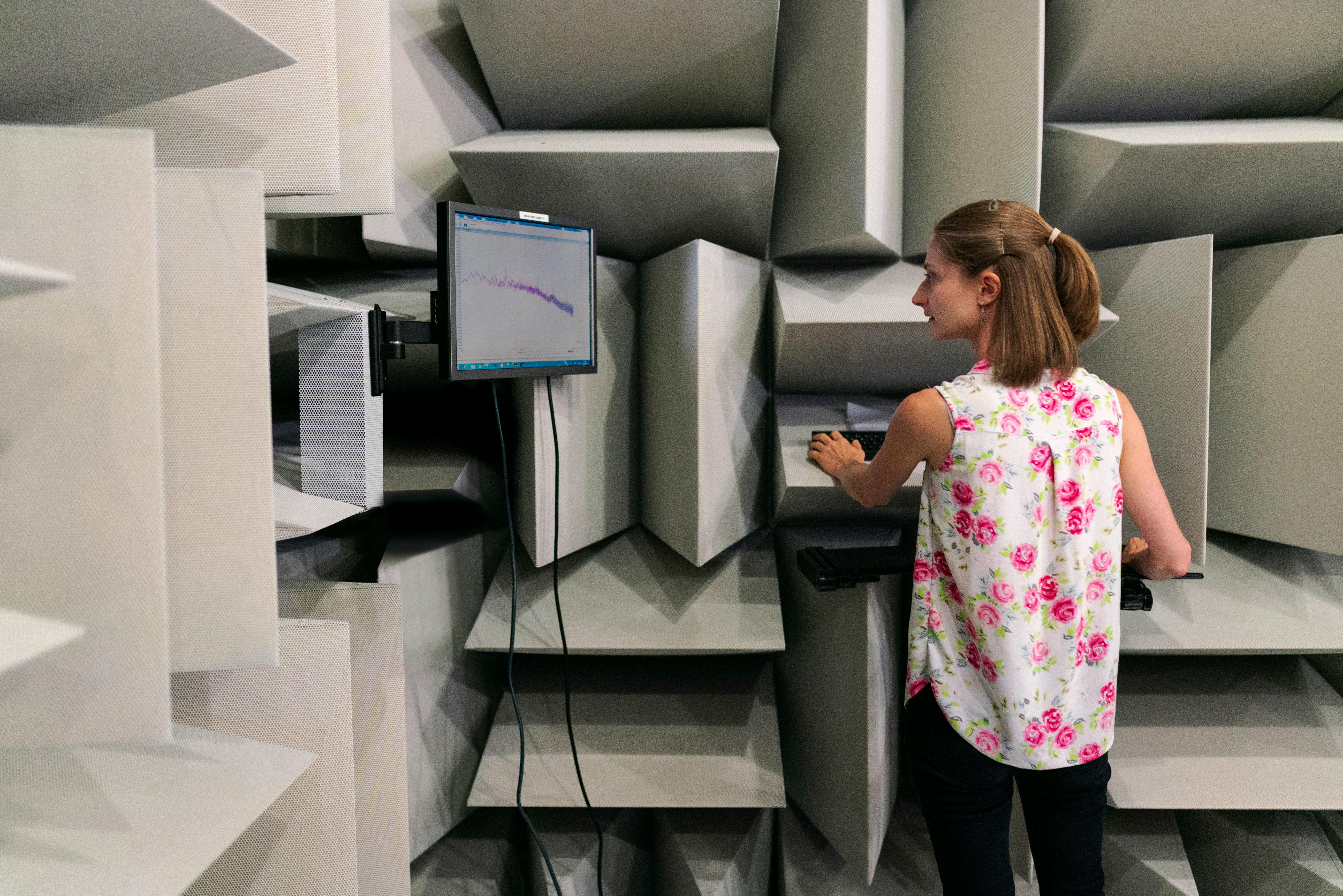
Long-term acoustic performance testing stands as the cornerstone of achieving and maintaining superior audio excellence across diverse environments and applications.

The pursuit of exceptional sound quality extends far beyond initial measurements and calibration. Whether you’re designing concert halls, recording studios, home theaters, or consumer audio devices, understanding how acoustic properties evolve over time determines the true success of any audio project. This comprehensive exploration delves into the methodologies, challenges, and innovations shaping the future of acoustic performance validation.
🎵 Understanding the Fundamentals of Acoustic Performance Testing
Acoustic performance testing encompasses a systematic evaluation of how sound behaves within specific environments or through particular systems. Unlike snapshot measurements that capture momentary conditions, long-term testing reveals patterns, degradation, and environmental influences that only manifest over extended periods.
The complexity of sound as a physical phenomenon requires multifaceted assessment approaches. Sound waves interact with materials, temperature fluctuations, humidity changes, and structural settling in ways that short-term testing cannot capture. Professional audio engineers recognize that initial acoustic measurements represent merely the starting point of a continuous journey toward excellence.
Modern acoustic testing integrates multiple measurement parameters including frequency response, reverberation time, signal-to-noise ratio, total harmonic distortion, and spatial distribution. Each parameter contributes unique insights into overall acoustic character, and their interrelationships become apparent only through sustained observation.
Why Long-Term Testing Outperforms Short-Term Evaluations
Traditional acoustic assessments typically span hours or days, capturing acoustic signatures under relatively stable conditions. However, real-world environments experience constant fluctuations that profoundly impact sound behavior. Temperature variations alter material properties, humidity affects absorption characteristics, and structural changes modify resonance patterns.
Long-term testing reveals seasonal variations that dramatically influence acoustic performance. A concert hall that sounds magnificent in winter may exhibit problematic resonances during summer months when higher temperatures and humidity levels change material properties. These cyclical patterns escape detection in brief testing windows but significantly impact user experience throughout the year.
Material aging represents another critical factor visible only through extended monitoring. Acoustic panels, dampening materials, and structural components undergo gradual changes that alter their sound-modifying properties. Foam deteriorates, fabric loosens, adhesives weaken, and surfaces accumulate contaminants—all progressively affecting acoustic performance in ways that demand long-term documentation.
The Economics of Sustained Testing Investment
While long-term acoustic testing requires substantial commitment of resources, equipment, and expertise, the return on investment proves compelling. Early detection of acoustic degradation enables proactive maintenance, preventing costly emergency interventions. Documented performance trends inform warranty decisions, validate design assumptions, and provide objective evidence for insurance and liability purposes.
Manufacturers of audio equipment particularly benefit from extended testing protocols. Consumer expectations for product longevity demand assurance that speakers, headphones, and audio systems maintain performance specifications throughout their intended lifespan. Long-term validation testing distinguishes premium brands from competitors making unsubstantiated durability claims.
🔬 Implementing Comprehensive Testing Protocols
Establishing effective long-term acoustic performance testing requires careful planning, appropriate instrumentation, and systematic data management. The foundation begins with defining clear objectives that align with project requirements and stakeholder expectations.
Measurement frequency represents a critical protocol decision. Continuous monitoring provides maximum data density but generates overwhelming information volumes requiring sophisticated analysis systems. Interval-based measurements at strategic frequencies often deliver optimal balance between data quality and practical feasibility.
Essential Equipment and Measurement Tools
Professional-grade measurement microphones form the cornerstone of any acoustic testing setup. These specialized transducers maintain calibration stability over extended periods while exhibiting flat frequency response across the audible spectrum. Multiple microphone positions capture spatial variations, providing comprehensive acoustic mapping throughout tested environments.
Signal generation equipment must produce precise, repeatable test signals ranging from simple sine waves to complex multi-tone patterns and real-world audio content. Advanced systems incorporate swept sine waves, maximum length sequences (MLS), and logarithmic sweeps that efficiently characterize system response across wide frequency ranges.
Data acquisition systems bridge the gap between measurement hardware and analysis software. Modern solutions offer multichannel simultaneous recording, high sample rates, and extensive dynamic range. Cloud connectivity enables remote monitoring and real-time alert systems that notify technicians when measurements exceed predefined thresholds.
- Precision measurement microphones with documented long-term stability
- Calibrated signal generators with traceable standards
- Multi-channel audio interfaces with professional specifications
- Environmental sensors tracking temperature, humidity, and pressure
- Automated switching systems for multiple measurement positions
- Uninterruptible power supplies ensuring measurement continuity
- Secure data storage with redundant backup systems
Environmental Factors Influencing Acoustic Behavior
Temperature variations influence sound propagation velocity, affecting time-domain measurements and spatial imaging. Every degree Celsius changes sound speed by approximately 0.6 meters per second, altering arrival times and phase relationships. Long-term monitoring captures these variations, enabling temperature-compensated analysis that isolates genuine acoustic changes from environmental artifacts.
Humidity profoundly affects high-frequency sound absorption. Water vapor molecules absorb acoustic energy particularly effectively above 2 kHz, with absorption increasing substantially as humidity rises. Extended testing across seasonal humidity variations reveals how these natural fluctuations impact perceived brightness and clarity in audio systems.
Atmospheric pressure changes, while less dramatic than temperature or humidity effects, nonetheless influence acoustic impedance and low-frequency response. Barometric variations associated with weather patterns create measurable acoustic signature changes that sophisticated long-term testing protocols account for and compensate.
Material Degradation and Aging Effects
Acoustic treatment materials exhibit varying degradation rates depending on composition, installation quality, and environmental exposure. Porous absorbers gradually compress under their own weight, reducing effectiveness. Membrane absorbers lose tension, shifting resonant frequencies. Panel absorbers experience adhesive failure, creating unwanted rattles and buzzing.
Long-term testing documents these aging processes, establishing realistic expectations for maintenance intervals and material replacement schedules. This data proves invaluable for lifecycle cost analysis and helps facilities managers budget appropriately for ongoing acoustic system maintenance.
📊 Data Analysis and Performance Trending
Raw measurement data requires sophisticated analysis to extract meaningful insights. Statistical approaches identify genuine performance trends while filtering measurement noise and environmental variations. Moving averages smooth short-term fluctuations, revealing underlying patterns. Standard deviation calculations quantify measurement consistency and highlight anomalous readings requiring investigation.
Visualization techniques transform numerical data into intuitive graphical representations. Waterfall plots display frequency response evolution over time, immediately revealing problematic drift patterns. Heat maps illustrate spatial acoustic variations, identifying problem areas requiring targeted treatment. Trend lines project future performance based on historical patterns, enabling predictive maintenance strategies.
| Analysis Technique | Primary Application | Key Benefits |
|---|---|---|
| Time-series trending | Overall performance tracking | Identifies gradual degradation patterns |
| Spectral comparison | Frequency-specific analysis | Reveals selective absorption changes |
| Correlation analysis | Environmental relationship mapping | Links performance to external factors |
| Anomaly detection | Early problem identification | Enables proactive intervention |
| Predictive modeling | Future performance forecasting | Optimizes maintenance scheduling |
Advanced Testing Methodologies for Modern Applications
Machine learning algorithms increasingly augment traditional acoustic analysis approaches. Trained neural networks recognize subtle patterns in acoustic data that escape human detection. These systems predict maintenance requirements, identify optimal calibration parameters, and even suggest targeted acoustic treatments based on performance trends.
Spatial audio testing has gained prominence with the proliferation of immersive audio formats. Long-term validation of three-dimensional soundfield reproduction requires sophisticated measurement techniques assessing not just frequency response but also directional accuracy, envelopment, and localization stability over time.
Psychoacoustic Validation Through Extended Listening Tests
While objective measurements provide quantitative performance data, subjective listening evaluations reveal how acoustic changes affect human perception. Long-term testing protocols increasingly incorporate regular listening sessions with trained evaluators who assess tonal balance, clarity, spaciousness, and overall audio quality.
Blind testing methodologies eliminate bias, ensuring that perceptual assessments reflect genuine acoustic changes rather than expectations or preconceptions. Carefully controlled listening sessions conducted at regular intervals throughout extended testing periods correlate objective measurements with subjective experience, validating that measured improvements translate to perceived benefits.
🎯 Industry-Specific Testing Requirements
Professional recording studios demand exceptionally stable acoustic environments where subtle performance variations directly impact creative work. Long-term testing in these facilities typically emphasizes temporal consistency, ensuring that recordings made months or years apart maintain sonic compatibility when mixed together.
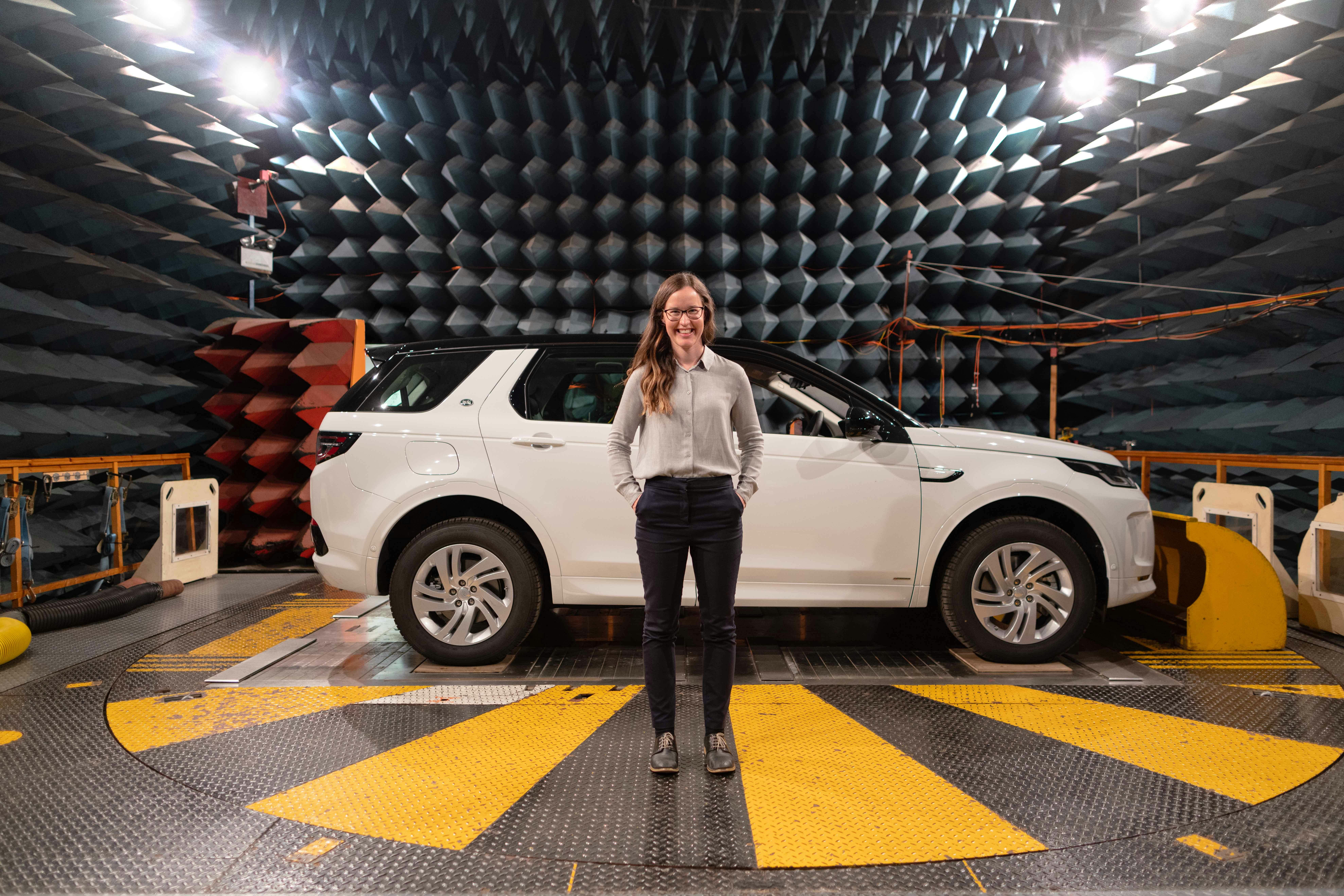
Automotive audio systems face extreme environmental challenges including temperature extremes, vibration, and varying acoustic loads as passenger configurations change. Extended testing protocols for vehicle audio simulate years of use through accelerated aging cycles, validating that systems maintain performance specifications throughout vehicle lifetimes.
Consumer electronics manufacturers implement long-term testing to validate product reliability claims and establish appropriate warranty periods. Headphones, portable speakers, and home audio systems undergo continuous operation testing that stresses components while monitoring acoustic performance degradation.
Architectural Acoustics and Building Performance
Building acoustics present unique long-term testing challenges as structures settle, materials age, and usage patterns evolve. Concert halls, theaters, and worship spaces require periodic acoustic recertification ensuring that performance characteristics remain within design specifications.
Building codes increasingly mandate acoustic performance standards for residential and commercial construction. Long-term validation demonstrates compliance not just at project completion but throughout building lifespans, protecting against acoustic degradation claims and ensuring occupant satisfaction.
Emerging Technologies Transforming Acoustic Testing
Wireless sensor networks enable distributed acoustic monitoring across large venues without extensive cabling infrastructure. Battery-powered nodes communicate measurement data to central processing systems, facilitating flexible measurement configurations that adapt to changing testing requirements.
Cloud-based analysis platforms democratize sophisticated acoustic testing capabilities previously available only to well-funded laboratories. Subscription services provide access to advanced algorithms, collaborative tools, and comprehensive databases enabling performance benchmarking against industry standards and peer facilities.
Artificial intelligence systems now assist in measurement planning, automatically identifying optimal microphone positions, selecting appropriate test signals, and scheduling measurements to capture relevant environmental variations. These intelligent assistants reduce setup time while improving measurement quality and consistency.
🔧 Practical Implementation Strategies
Successful long-term acoustic testing begins with realistic goal setting aligned with available resources and genuine requirements. Overly ambitious protocols quickly become unsustainable, while insufficient testing fails to capture critical performance information. Balanced approaches prioritize measurements delivering maximum insight per unit effort invested.
Documentation standards ensure that testing data remains interpretable and valuable throughout extended project timelines. Comprehensive metadata accompanies each measurement, recording equipment configurations, environmental conditions, calibration status, and any unusual circumstances affecting results. Standardized naming conventions and file organization systems prevent confusion as data volumes accumulate.
Regular calibration verification maintains measurement accuracy throughout testing periods. Microphones drift slightly over time, requiring periodic recalibration against traceable standards. Documented calibration histories provide confidence in measurement validity and enable correction of minor drifts through post-processing when necessary.
Building Organizational Expertise and Knowledge
Long-term acoustic testing programs develop organizational expertise that becomes increasingly valuable over time. Trained personnel recognize measurement artifacts, understand equipment limitations, and interpret results within appropriate contexts. This accumulated knowledge represents significant competitive advantage for organizations committed to audio excellence.
Cross-training team members ensures continuity when personnel changes occur. Comprehensive documentation of procedures, equipment quirks, and analysis techniques enables new team members to contribute productively while maintaining testing consistency across personnel transitions.
Maximizing Value From Testing Investments
Long-term acoustic testing data serves multiple purposes beyond immediate performance validation. Historical databases inform future design decisions, revealing which approaches deliver sustained performance and which prove problematic over time. This institutional knowledge accelerates development cycles and reduces costly trial-and-error experimentation.
Marketing departments leverage documented long-term performance stability as powerful differentiation in competitive markets. Objective evidence of sustained excellence resonates with discerning customers willing to invest in premium solutions backed by rigorous validation.
Publication of testing methodologies and results in professional journals establishes thought leadership while contributing to collective industry knowledge. Sharing insights advances the entire field of acoustics, fostering innovation that benefits all stakeholders pursuing audio excellence.
🚀 Future Directions in Acoustic Performance Testing
Virtual reality integration promises revolutionary advances in acoustic testing and analysis. Immersive visualization environments enable engineers to “see” sound behavior, intuitively understanding complex spatial acoustic phenomena. VR-based analysis tools may democratize advanced acoustic expertise, making sophisticated interpretation accessible to broader audiences.
Quantum sensors represent emerging measurement technologies with potential to dramatically improve acoustic measurement precision. These ultra-sensitive devices detect minute pressure variations with unprecedented accuracy, potentially revealing acoustic subtleties currently below measurement thresholds.
Standardization efforts continue advancing, with international organizations developing comprehensive protocols for long-term acoustic testing across various applications. Harmonized standards facilitate results comparison across facilities and enable meaningful benchmarking that drives continuous improvement throughout the audio industry.
Achieving Sustainable Acoustic Excellence
The journey toward superior audio excellence demands commitment extending far beyond initial design and installation. Long-term acoustic performance testing provides the validation framework ensuring that ambitious audio goals translate into sustained real-world results. By embracing comprehensive testing protocols, leveraging advanced analysis techniques, and maintaining organizational dedication to acoustic quality, professionals achieve and maintain the exceptional audio experiences that discerning audiences demand and deserve.
As acoustic technologies evolve and expectations rise, the organizations investing in rigorous long-term testing position themselves as industry leaders. Their commitment to validation, transparency, and continuous improvement establishes standards that elevate entire markets. The future of audio excellence belongs to those who measure not just what exists today, but monitor and optimize what endures tomorrow.