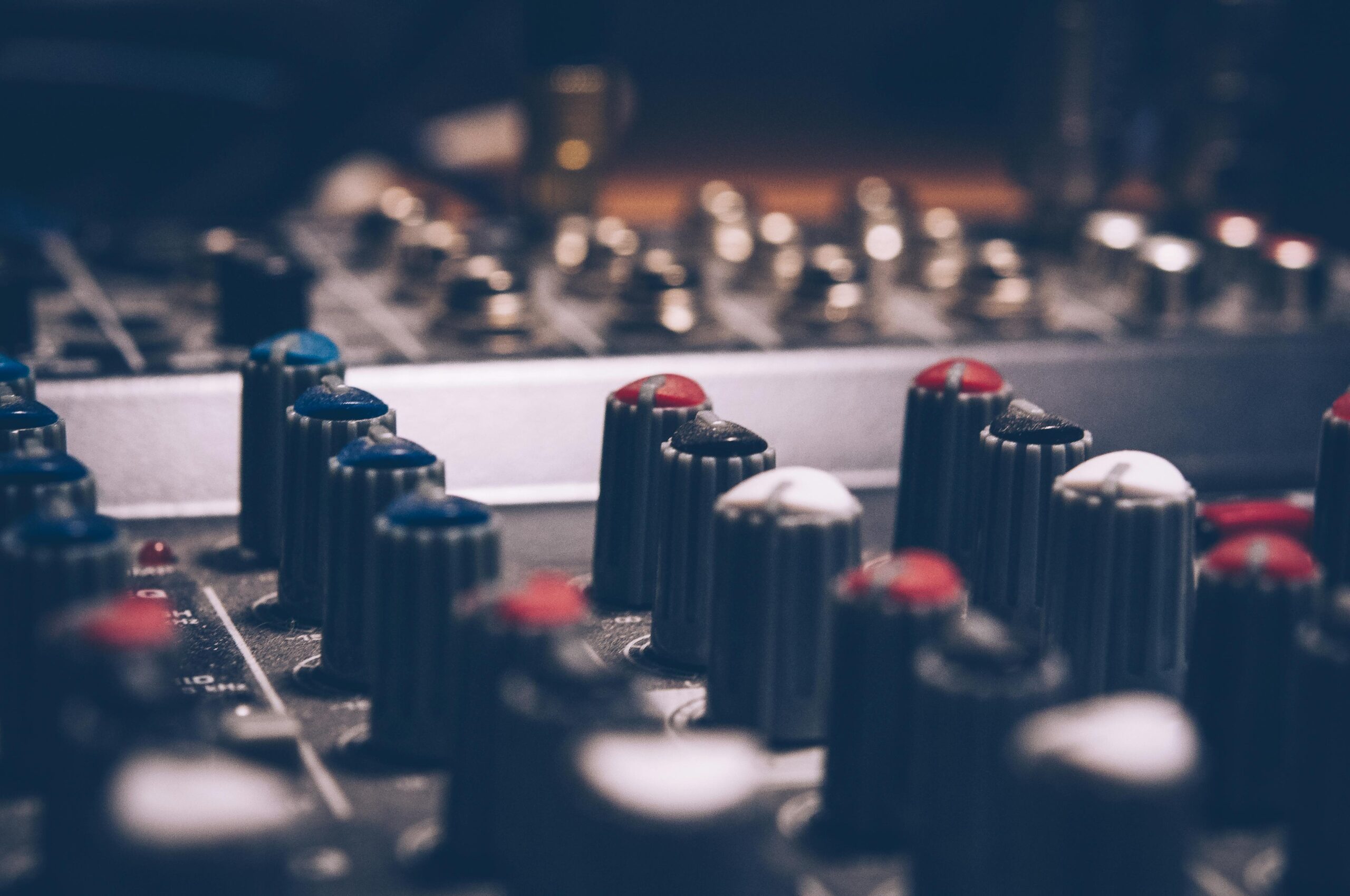
Creating a harmonious environment where light and sound work together transforms any space into a sanctuary of comfort, productivity, and aesthetic appeal that enhances daily living.

🎨 The Foundation of Sensory Design
Our environments profoundly impact how we feel, work, and rest. When light and sound clash rather than complement, even the most beautifully decorated room can feel uncomfortable and draining. Understanding the interplay between these two fundamental elements allows you to craft spaces that support your goals, whether you’re designing a home office, bedroom, living area, or commercial workspace.
Light affects our circadian rhythms, mood, and ability to focus. Sound influences stress levels, concentration, and emotional well-being. When these elements exist in balance, they create an invisible framework that supports everything you do within that space. Conversely, poor lighting paired with disruptive acoustics can sabotage productivity and diminish quality of life.
The science behind environmental design reveals that humans are remarkably sensitive to sensory input. Our brains constantly process ambient lighting and background noise, even when we’re not consciously aware of them. This continuous processing consumes mental energy, which means poorly designed spaces literally drain cognitive resources that could otherwise fuel creativity and efficiency.
Understanding Light Dynamics in Your Space
Natural light provides the gold standard for interior illumination. Sunlight contains the full spectrum of visible wavelengths, supporting vitamin D production and regulating hormones that govern sleep-wake cycles. Positioning workspaces near windows harnesses these benefits while reducing electricity costs and environmental impact.
However, natural light alone rarely suffices. Seasonal variations, weather conditions, and the time of day necessitate artificial supplementation. The key lies in creating layered lighting that mimics natural patterns while addressing specific functional needs.
The Three-Layer Lighting Approach ✨
Ambient lighting establishes overall illumination levels. This foundational layer typically comes from ceiling fixtures, recessed lights, or wall sconces that distribute light evenly throughout a space. For comfort and productivity, ambient lighting should be sufficient to navigate safely without creating harsh contrasts or deep shadows.
Task lighting focuses on specific activities. Desk lamps, reading lights, and under-cabinet fixtures provide concentrated illumination where detailed work occurs. This layer prevents eye strain and supports precision tasks that demand visual clarity.
Accent lighting adds dimension and style. Spotlights highlighting artwork, LED strips behind monitors, or decorative fixtures create visual interest and depth. This layer transforms functional spaces into environments with personality and aesthetic appeal.
Color Temperature and Mood Management
Measured in Kelvin, color temperature dramatically affects atmosphere and functionality. Warm light (2700-3000K) creates cozy, relaxing environments ideal for bedrooms and living spaces. These golden tones promote winding down and signal to our bodies that rest approaches.
Neutral white light (3500-4100K) balances alertness with comfort, making it suitable for kitchens, bathrooms, and multi-purpose areas. This middle ground supports various activities without strongly influencing mood in either direction.
Cool white light (5000-6500K) enhances focus and mimics midday sunlight. These blue-toned wavelengths suppress melatonin production, increasing alertness and supporting concentration during demanding cognitive tasks. Home offices and study areas benefit significantly from cooler lighting during work hours.
🔊 Sound Management Strategies for Every Environment
Acoustic design receives less attention than lighting despite being equally important. Unwanted noise ranks among the top complaints in both residential and commercial settings, reducing productivity by up to 66% according to workplace studies. Creating acoustic balance requires understanding sound’s physical properties and how different materials affect its behavior.
Sound travels in waves that reflect, absorb, or transmit through surfaces. Hard materials like glass, concrete, and tile reflect sound, creating echoes and amplifying noise. Soft, porous materials like fabric, foam, and carpet absorb sound waves, reducing reverberation and creating quieter environments.
Identifying Acoustic Challenges
Every space has unique acoustic characteristics influenced by size, shape, surface materials, and function. Large rooms with high ceilings and hard surfaces create cathedral-like echoes that make conversations difficult and amplify disruptive noises. Small spaces with parallel walls can produce standing waves that create uneven sound distribution.
External noise pollution from traffic, neighbors, or mechanical systems requires different solutions than internally generated sound. Identifying specific acoustic problems allows targeted interventions that address root causes rather than symptoms.
Practical Sound Control Solutions
Soft furnishings serve double duty by adding comfort and absorbing sound. Upholstered furniture, thick curtains, area rugs, and decorative pillows reduce reverberation while enhancing visual warmth. Bookshelves filled with volumes create surprisingly effective sound diffusion, scattering reflections and reducing echo.
Acoustic panels offer targeted sound absorption in challenging spaces. Available in various designs from utilitarian to artistic, these panels mount on walls or ceilings to control specific problem frequencies. Modern options include fabric-wrapped panels, perforated wood designs, and even acoustic art that serves both functional and decorative purposes.
White noise machines and ambient sound systems mask disruptive noise by providing consistent background audio. Rather than eliminating sound entirely—which can feel uncomfortable and unnatural—these tools create an acoustic baseline that makes sudden noises less startling and ongoing disturbances less noticeable.
Synchronizing Light and Sound for Maximum Impact 🎵
The magic happens when lighting and acoustics work synergistically rather than independently. Certain combinations amplify positive effects while poor pairings can undermine even well-designed individual elements.
Bright, cool lighting paired with energetic music or ambient productivity sounds creates highly focused work environments. This combination signals alertness to your brain, making it ideal for tasks requiring concentration, problem-solving, or creative thinking during peak performance hours.
Dim, warm lighting combined with soft, slow-tempo music or nature sounds facilitates relaxation and wind-down routines. This pairing supports evening transitions, helping your body recognize that active hours are ending and rest approaches.
Creating Transition Zones
Gradual sensory transitions between different activity zones prevent jarring shifts that disrupt focus and comfort. Instead of moving directly from a brightly lit, acoustically controlled workspace to a dim, quiet bedroom, intermediate spaces help your sensory system adjust.
Hallways with moderate lighting and neutral acoustics serve this buffering function. Dimmer switches and volume controls allow progressive adjustments rather than abrupt changes. These transitions respect your nervous system’s need for gradual adaptation, reducing stress and supporting natural rhythms.
🏠 Room-by-Room Implementation Guide
Home Office Optimization
Productivity spaces demand bright, adjustable lighting that supports extended focus periods without causing eye strain. Position your primary workspace perpendicular to windows to minimize glare on screens while benefiting from natural light. Supplement with a high-quality desk lamp featuring adjustable brightness and color temperature.
Acoustic treatment for home offices should minimize echo while maintaining enough ambient sound to prevent the uncomfortable silence that can feel isolating during solo work. Fabric acoustic panels, a quality area rug, and upholstered seating absorb excessive reverberation without creating dead silence.
Background sound management tools help mask household noise and external disturbances. Consider using ambient sound apps that provide focus-enhancing audio designed specifically for concentration tasks.
Bedroom Sanctuary Design
Sleep environments require darkness and quiet for optimal rest quality. Blackout curtains or cellular shades block external light pollution while providing thermal insulation and additional sound dampening. Layer these with sheer panels that allow natural morning light when desired.
Bedside lighting should offer warm color temperatures with dimming capabilities. Reading lights need sufficient brightness for visual tasks without flooding the entire room with alertness-promoting illumination that disrupts a partner’s sleep.
Acoustic treatments for bedrooms focus on blocking external noise and minimizing disturbances from adjacent rooms. Solid-core doors, weatherstripping, and strategic furniture placement help create sound barriers. White noise machines or fan sounds mask remaining disturbances without requiring complete silence.
Living Space Versatility
Multi-purpose rooms need flexible lighting and sound systems that adapt to various activities. Smart lighting systems with programmable scenes allow instant transitions from bright entertaining mode to cozy movie-watching ambiance.
Living room acoustics benefit from balanced absorption that controls echo during conversations without dampening the immersive experience during entertainment. Strategic placement of sound-absorbing and sound-diffusing elements creates even acoustic distribution throughout the space.
⚙️ Technology Integration for Seamless Control
Modern smart home systems enable sophisticated environmental control that responds to schedules, activities, and even biometric data. Automated lighting adjusts throughout the day to support circadian rhythms, gradually transitioning from cool morning tones to warm evening hues.
Voice-controlled systems allow hands-free adjustments without interrupting workflow or relaxation. Integration between lighting and audio systems enables preset scenes that instantly configure entire rooms for specific purposes—work mode, relaxation, entertainment, or sleep preparation.
Sound systems with spatial audio capabilities create immersive experiences for entertainment while maintaining clarity for video calls and virtual meetings. Advanced equalization settings compensate for room acoustics, ensuring consistent audio quality regardless of listening position.
Measuring and Monitoring Your Environment
Environmental sensors track light levels, sound intensity, and even air quality to provide objective data about your space. These devices reveal patterns you might not consciously notice—afternoon glare that reduces productivity, HVAC noise that disrupts focus, or insufficient evening dimming that delays sleep onset.
Mobile apps with light meters and decibel readers offer affordable alternatives to dedicated sensors. Regular measurements help optimize lighting placement and identify acoustic problems requiring attention.
🌿 Natural Elements as Sensory Mediators
Plants serve multiple functions in harmonized spaces. They absorb and diffract sound waves, reducing echo and softening acoustics naturally. Their visual presence creates calming focal points while improving air quality and adding organic texture that contrasts with hard architectural surfaces.
Water features provide masking sounds that obscure disruptive noise while creating peaceful ambiance. Desktop fountains, wall-mounted features, or aquariums generate consistent, non-distracting audio that helps concentration and relaxation.
Natural materials in furniture and finishes contribute to both acoustic and lighting performance. Wood absorbs certain frequencies while diffusing others, creating warmer acoustics than synthetic materials. Stone and natural fibers interact with light differently than manufactured alternatives, adding depth and visual interest.
Budget-Conscious Implementation Strategies 💡
Creating harmonized environments doesn’t require unlimited budgets. Strategic, phased improvements deliver significant benefits while spreading costs across time. Begin with high-impact, low-cost interventions that address the most disruptive issues.
LED bulbs with adjustable color temperature cost marginally more than standard bulbs but dramatically expand lighting flexibility. These long-lasting options provide excellent return on investment through energy savings and extended replacement intervals.
DIY acoustic treatments using fabric, insulation, and frames cost a fraction of commercial alternatives while delivering comparable performance. Wall-mounted fabric panels behind strategically placed artwork absorb sound while maintaining aesthetic appeal.
Rearranging existing furniture and decor often improves both lighting and acoustics without additional expense. Positioning bookshelves to diffuse sound, moving desks relative to windows, and adding throw rugs strategically transforms spaces using existing resources.
Maintaining Balance Through Seasonal Changes 🍂
Environmental needs shift with seasons, requiring periodic adjustments to maintain optimal balance. Winter’s shorter days and lower sun angles necessitate different lighting approaches than summer’s extended daylight and intense solar gain.
Seasonal decor changes offer opportunities to adjust acoustic properties. Heavy curtains and additional textiles in winter provide sound absorption and thermal insulation. Lighter treatments in summer maintain airflow while still controlling light and sound.
Behavioral patterns shift seasonally, influencing space usage and environmental preferences. Summer might see increased outdoor entertaining requiring different indoor configurations, while winter months emphasize cozy retreat spaces with different lighting and acoustic priorities.
🎯 Measuring Success and Iterating
Environmental design remains highly personal, influenced by individual preferences, sensory sensitivities, and specific activity patterns. What works perfectly for one person might feel uncomfortable for another, even in identical spaces.
Regular self-assessment helps identify what’s working and what needs adjustment. Notice energy levels throughout the day, sleep quality, focus duration, and general comfort. These subjective measures reveal environmental impacts more accurately than technical specifications.
Experimentation drives optimization. Test different lighting scenarios, acoustic configurations, and sensory combinations. Document results and gradually refine your approach based on actual experience rather than assumptions.
Professional Guidance When Needed
Complex spaces or persistent problems may benefit from professional expertise. Lighting designers, acoustic consultants, and interior designers specializing in sensory environments bring technical knowledge and creative solutions that accelerate progress toward optimal conditions.
Professional assessment particularly helps in renovation scenarios where structural changes offer opportunities for integrated solutions. Building in acoustic treatments during construction costs far less than retrofit solutions, and coordinated lighting infrastructure supports future flexibility.
Even a single consultation can provide valuable insights and direction for DIY implementation. Professionals identify issues you might overlook and suggest efficient solutions that save time and resources.
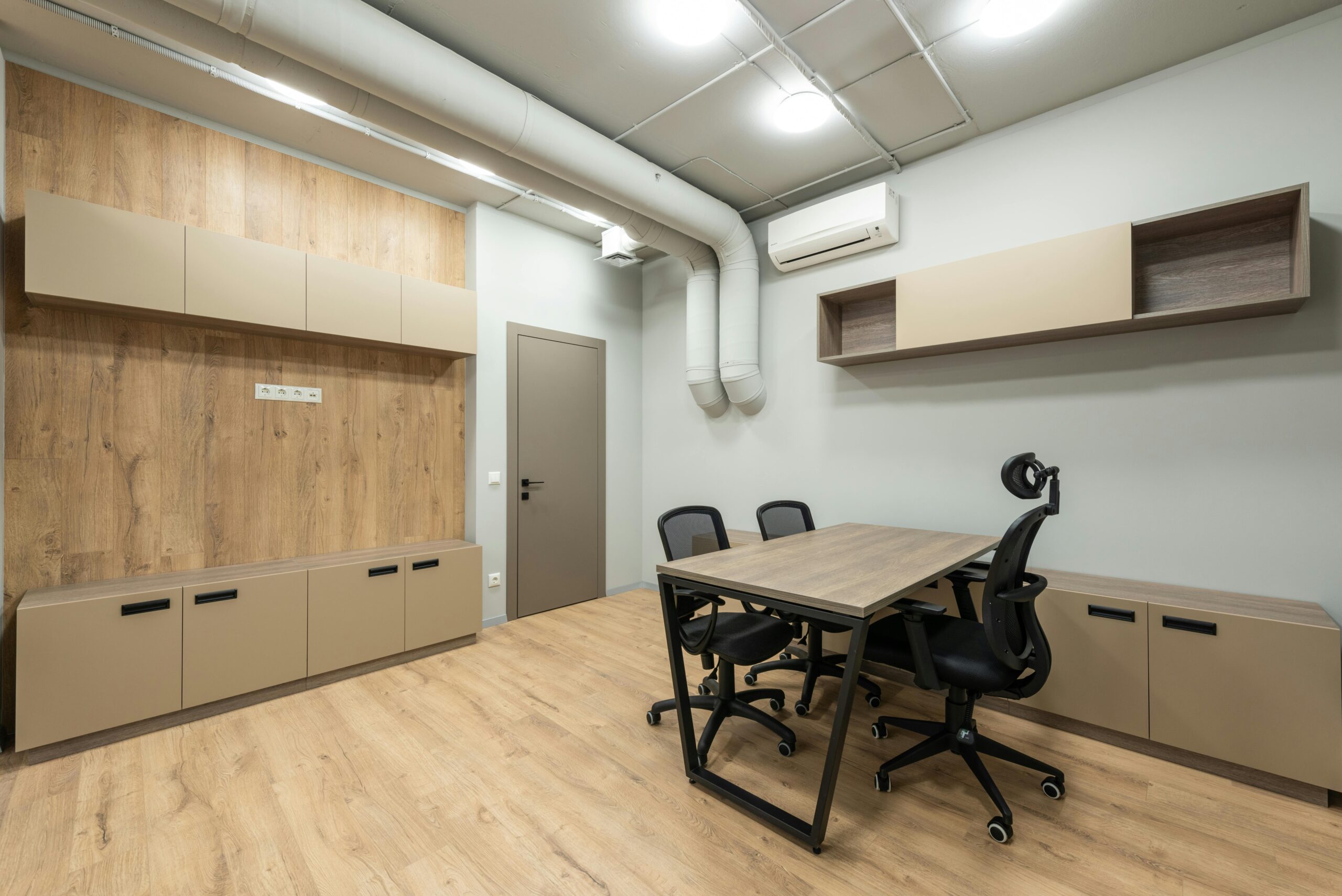
The Ongoing Journey Toward Perfect Harmony ✨
Creating spaces where light and sound work in perfect concert is an evolving process rather than a one-time project. As your needs change, your family grows, or your work patterns shift, environmental requirements adapt accordingly.
The investment in thoughtful sensory design pays dividends in comfort, productivity, health, and enjoyment. Spaces that support rather than fight against your natural rhythms and preferences become true sanctuaries that enhance every aspect of life.
Begin with small changes and build progressively toward your ideal environment. Each improvement compounds with others, creating synergistic effects that exceed the sum of individual interventions. The journey toward harmonized spaces reflects and supports the life you want to live, making every moment in those environments more comfortable, productive, and genuinely satisfying.