Understanding the difference between sound isolation and absorption is essential for anyone seeking to create acoustically optimized spaces, whether for recording studios, home theaters, or peaceful living environments.

🎵 The Fundamental Science Behind Sound Control
Sound control isn’t a one-size-fits-all solution. Many people mistakenly believe that adding foam panels to walls will solve all their acoustic problems, only to discover disappointing results. The reality is that effective sound management requires understanding two distinct principles: isolation and absorption. These complementary yet fundamentally different approaches address separate acoustic challenges.
Sound isolation prevents noise from entering or leaving a space, while absorption controls sound behavior within a room. Think of isolation as building walls to keep sound in or out, and absorption as controlling echoes and reverberations inside those walls. Both are crucial for achieving optimal acoustics, but they work through entirely different mechanisms and serve different purposes.
What Is Sound Isolation and Why Does It Matter? 🔇
Sound isolation, also known as soundproofing, involves creating barriers that block sound transmission between spaces. This process relies on physical principles like mass, decoupling, and damping to prevent sound waves from traveling through walls, floors, and ceilings. When you hear your neighbor’s television through your wall, you’re experiencing inadequate sound isolation.
The effectiveness of sound isolation is measured in Sound Transmission Class (STC) ratings. Higher STC numbers indicate better isolation performance. A standard interior wall might have an STC rating of 33, while professional recording studios aim for STC ratings above 50 or even 60 for critical applications.
The Four Pillars of Effective Sound Isolation
Successful sound isolation strategies incorporate four fundamental principles that work together to block unwanted noise transmission:
- Mass: Heavier materials are harder for sound waves to vibrate, making them more effective barriers
- Decoupling: Creating separation between surfaces prevents direct vibration transmission
- Absorption: Using materials within wall cavities to dissipate sound energy before it transmits
- Damping: Applying specialized compounds that convert sound vibrations into minimal heat energy
Understanding Sound Absorption and Its Acoustic Role 🎤
Sound absorption addresses what happens to sound waves after they’re already inside a room. When sound bounces off hard surfaces like concrete walls, glass windows, or wooden floors, it creates reflections that can cause echoes, flutter echoes, and excessive reverberation. These acoustic problems make speech unintelligible and music sound muddy.
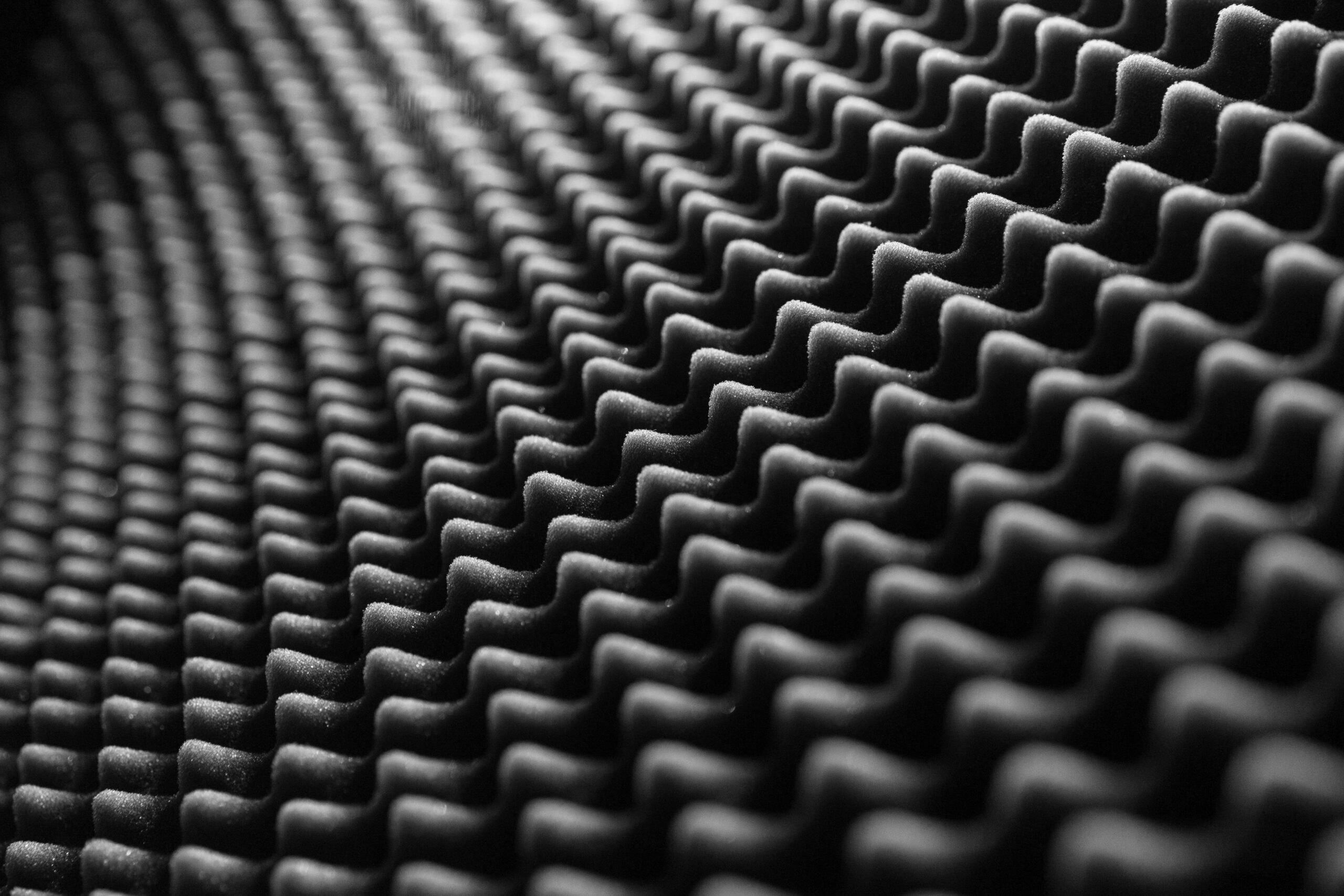
Absorptive materials work by converting sound energy into tiny amounts of heat through friction within the material’s structure. Porous materials like acoustic foam, mineral wool, and specialized fabric panels excel at this task. The effectiveness of absorption is measured by absorption coefficients ranging from 0 (total reflection) to 1 (complete absorption) across different frequencies.
How Different Materials Absorb Various Frequencies
Not all absorptive materials work equally across the frequency spectrum. Understanding these characteristics helps you choose the right solutions for specific acoustic problems:
| Material Type | Best Frequency Range | Typical Thickness | Common Applications |
|---|---|---|---|
| Acoustic Foam | Mid to High (500Hz+) | 2-4 inches | Home studios, podcasting rooms |
| Mineral Wool | Broad spectrum | 2-6 inches | Professional studios, theaters |
| Bass Traps | Low frequencies (20-300Hz) | 6-12 inches | Corner placement, studio control rooms |
| Fabric Panels | Mid frequencies (250-2000Hz) | 1-2 inches | Office spaces, conference rooms |
The Critical Differences: When to Use Isolation vs. Absorption 🎯
Choosing between isolation and absorption depends entirely on your acoustic goals. Are you trying to keep sound from disturbing neighbors, or are you trying to improve sound quality within your space? These questions determine your approach.
If external noise pollution is your problem—traffic sounds, neighboring apartments, loud HVAC systems—you need isolation solutions. Absorption won’t help here because those sound waves are already entering your space. Conversely, if your room sounds echo-heavy, lacks clarity, or has excessive reverberation, absorption is your answer. Adding mass to walls won’t solve internal acoustic problems.
Common Scenarios and Their Solutions
Home recording enthusiasts often face this dilemma. They want to record vocals without street noise bleeding into their microphone (isolation problem) while also ensuring their recordings sound clear without excessive room reflections (absorption problem). The solution requires both approaches working in harmony.
Similarly, home theater owners need isolation to prevent movie soundtracks from disturbing family members in adjacent rooms, while also needing absorption to prevent echoes that muddy dialogue clarity and compromise the cinematic experience.
Building Effective Sound Isolation: Practical Strategies 🏗️
Implementing sound isolation typically involves construction or renovation work. The most effective method is building a room-within-a-room design, where the interior space is mechanically decoupled from the exterior structure. This prevents vibrations from transmitting through solid connections.
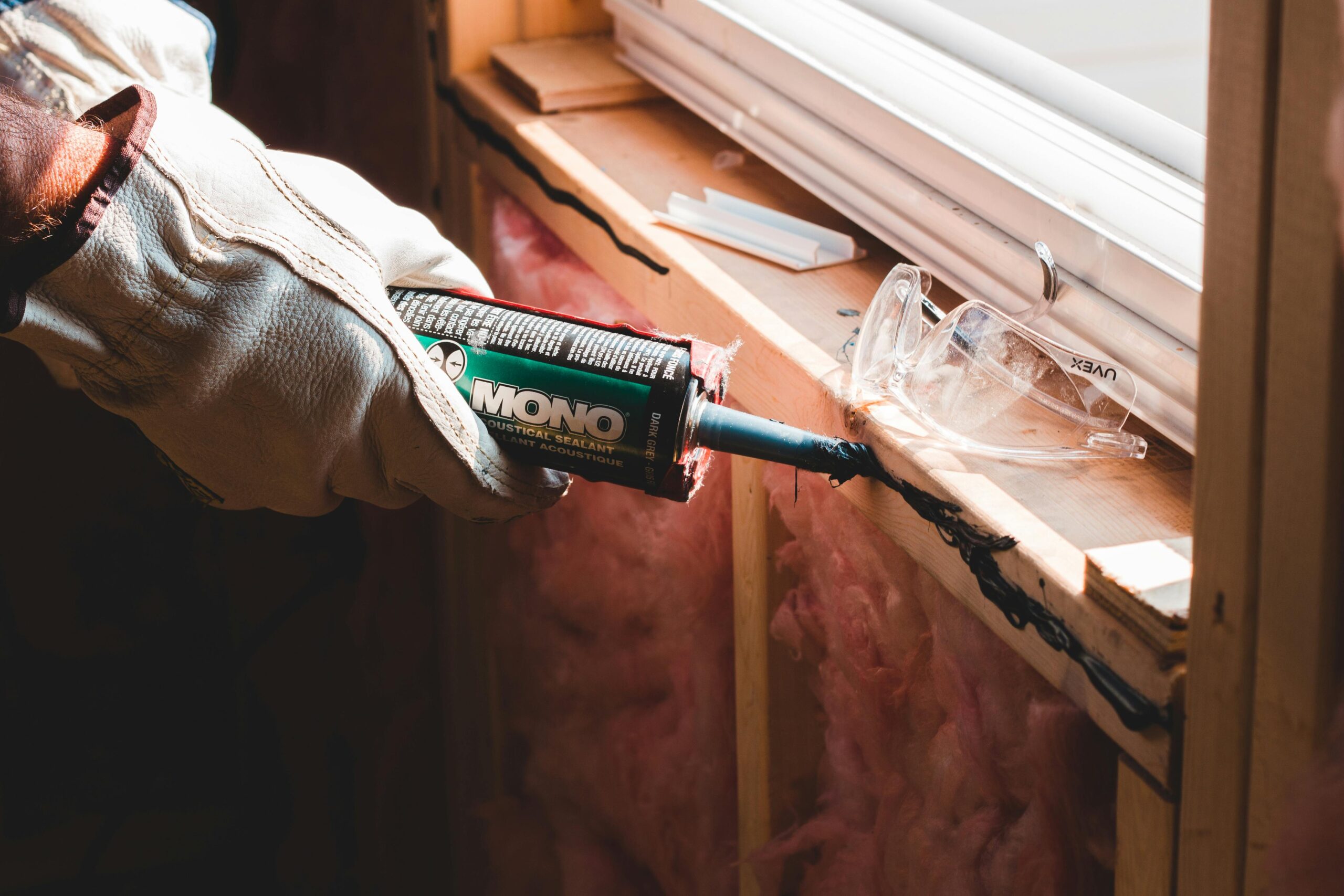
For less intensive projects, you can improve isolation through strategic additions. Adding mass loaded vinyl to existing walls increases their mass without significant thickness. Installing resilient channels creates a decoupled layer that breaks vibration transmission paths. Sealing all gaps around doors, windows, electrical outlets, and penetrations eliminates weak points where sound leaks through.
Budget-Friendly Isolation Improvements
Not everyone can afford major construction projects. Fortunately, several practical modifications deliver noticeable improvements without breaking the bank:
- Acoustic door seals: Install weatherstripping and door sweeps to eliminate gaps that leak sound
- Window treatments: Use heavy curtains or specialized acoustic window inserts as secondary barriers
- Bookshelf barriers: Place filled bookcases against shared walls to add mass and absorption
- Green glue damping: Apply this specialized compound between drywall layers for effective damping
Implementing Sound Absorption: Transform Your Room’s Acoustic Character 🎨
Unlike isolation, absorption treatments are typically non-invasive and reversible. You can strategically place absorptive panels, bass traps, and diffusers without permanent modifications. This flexibility makes absorption the more accessible starting point for most acoustic improvement projects.
The key to effective absorption is strategic placement based on reflection patterns. First reflection points—where sound bounces off surfaces before reaching your ears—are priority locations. For stereo listening or recording environments, place panels on side walls between speakers and listening position, as well as ceiling reflection points.
Creating Balanced Absorption Throughout Your Space
Over-absorption creates acoustically “dead” spaces that sound unnatural and fatiguing. The goal isn’t eliminating all reflections but controlling problematic ones while preserving beneficial ambient character. Professional acoustic designers aim for specific reverberation times based on room purpose and size.
A balanced approach typically involves covering 20-40% of wall surfaces with absorptive treatments, with emphasis on strategic locations rather than random placement. Bass traps in corners address low-frequency buildup, while mid-frequency absorption on walls controls clarity-robbing reflections.
Measuring Success: Tools and Techniques for Acoustic Analysis 📊
Objective measurement removes guesswork from acoustic treatment. Smartphone applications now provide surprisingly accurate acoustic analysis capabilities, measuring room response, reverberation time, and frequency balance. These tools help you identify specific problems and verify treatment effectiveness.
For isolation assessment, sound level meters measure decibel reduction across boundaries. Testing before and after modifications quantifies improvement and identifies remaining weak points. For absorption evaluation, room response measurements reveal frequency-specific issues and guide treatment placement.
Professional vs. DIY Acoustic Solutions
While many acoustic improvements are DIY-friendly, certain situations benefit from professional expertise. Complex isolation projects involving structural modifications require understanding of building codes and acoustic engineering principles. Professional acoustic consultants provide objective analysis and cost-effective solution design.
However, absorption treatments are highly accessible to motivated DIYers. Numerous resources provide tested designs for building your own acoustic panels at significant cost savings compared to commercial products. The key is using appropriate materials with documented acoustic properties rather than ineffective alternatives.
The Synergy Effect: Combining Isolation and Absorption for Ultimate Control 🎼
The most successful acoustic spaces integrate both isolation and absorption strategically. A recording studio exemplifies this synergy: isolated construction prevents external noise contamination and contains loud monitoring levels, while internal absorption treatments ensure accurate monitoring and clean recordings free from problematic reflections.
This combined approach creates environments where sound is controlled at every level. Isolation establishes the foundational sound barrier, preventing unwanted transmission. Absorption then refines the internal acoustic character, creating optimal conditions for critical listening, recording, or simple enjoyment.
Prioritizing Your Acoustic Investment
Budget constraints often require phased implementation. Generally, address isolation first if external noise significantly impacts your space or if you’re creating disturbances for others. Isolation improvements typically cost more but solve problems that absorption cannot address.
If your space is reasonably quiet but sounds poor internally, prioritize absorption treatments. These typically cost less, install easier, and deliver immediate, noticeable improvements to sound quality within your room.
Advanced Concepts: Diffusion and Beyond 🌊
Beyond basic isolation and absorption, diffusion represents a third acoustic treatment category. Rather than absorbing or blocking sound, diffusers scatter reflections in multiple directions, maintaining acoustic energy while eliminating problematic focused reflections. This creates natural-sounding spaces without the deadness excessive absorption can cause.
Diffusion works particularly well in larger rooms where maintaining some acoustic liveliness enhances the listening experience. Recording studios often combine absorption at first reflection points with diffusion on rear walls, creating controlled yet natural-sounding environments.
Avoiding Common Acoustic Treatment Mistakes ⚠️
Many acoustic improvement projects fail due to common misconceptions. The most frequent error is expecting thin foam panels to provide soundproofing. These materials offer absorption, not isolation. Another mistake is random treatment placement without addressing actual acoustic problems, wasting money on materials positioned where they provide minimal benefit.
Excessive absorption in small rooms creates unnaturally dead spaces that sound oppressive and fatiguing. Finding the right balance requires understanding your specific acoustic goals and the principles governing how different treatments affect sound behavior.
Moving Forward: Your Path to Perfect Acoustics 🚀
Mastering sound control begins with understanding that isolation and absorption serve fundamentally different purposes. Isolation blocks sound transmission between spaces, while absorption controls sound behavior within rooms. Both are essential tools in the acoustic treatment toolkit, and most applications benefit from thoughtful implementation of both approaches.
Start by clearly identifying your acoustic challenges. Is unwanted external noise your primary concern? Focus on isolation improvements. Are internal echoes and poor sound quality the issue? Prioritize absorption treatments. Most likely, you’ll benefit from addressing both aspects to varying degrees based on your specific situation.
The journey toward optimal acoustics is iterative. Implement changes, evaluate results, and refine your approach. Whether you’re building a professional recording studio, creating a home theater, or simply seeking a quieter home office, understanding the distinct roles of isolation and absorption empowers you to make informed decisions that deliver real, measurable improvements to your acoustic environment.