In today’s fast-paced world, finding moments of peace and mental clarity has become essential. Multi-purpose quiet spaces offer a transformative solution for those seeking balance in their daily lives.

The concept of dedicated quiet spaces has evolved far beyond traditional meditation rooms or libraries. These versatile environments now serve as sanctuaries where relaxation, deep focus, and creative inspiration converge. Whether you’re working from home, raising a family, or simply trying to maintain your mental wellness, creating and utilizing multi-purpose quiet spaces can fundamentally reshape how you experience your day-to-day life.
Research consistently shows that our environment directly impacts our cognitive performance, emotional state, and creative output. When we intentionally design spaces that support these needs, we’re not just organizing a room—we’re architecting better versions of ourselves. The beauty of multi-purpose quiet spaces lies in their adaptability, allowing them to serve different functions depending on your immediate needs while maintaining their core purpose: providing respite from chaos.
🧘 Why Your Brain Desperately Needs Quiet Spaces
Our brains are constantly bombarded with stimuli. From smartphone notifications to ambient noise, the average person processes an overwhelming amount of information daily. This constant input creates mental fatigue, reduces productivity, and increases stress hormones like cortisol. Quiet spaces counteract this by giving our nervous systems permission to downregulate.
Neuroscience research reveals that silence and reduced sensory input allow the brain’s default mode network to activate. This network is responsible for self-reflection, memory consolidation, and the kind of creative thinking that produces breakthrough ideas. When we spend time in quiet environments, we’re literally allowing our brains to perform essential maintenance that can’t happen amid constant stimulation.
The psychological benefits extend even further. Regular access to quiet spaces has been linked to improved emotional regulation, reduced anxiety symptoms, and enhanced problem-solving abilities. For people dealing with sensory processing issues, ADHD, or autism spectrum conditions, these spaces become even more crucial—they’re not luxury; they’re necessity.
🏡 Designing Your Multi-Purpose Quiet Space at Home
Creating an effective quiet space doesn’t require a large budget or extensive square footage. What matters most is intentionality. Start by identifying an area in your home that can be dedicated to this purpose, even if it’s just a corner of a bedroom or a section of your living room that can be transformed with a room divider.
Essential Elements for Maximum Effectiveness
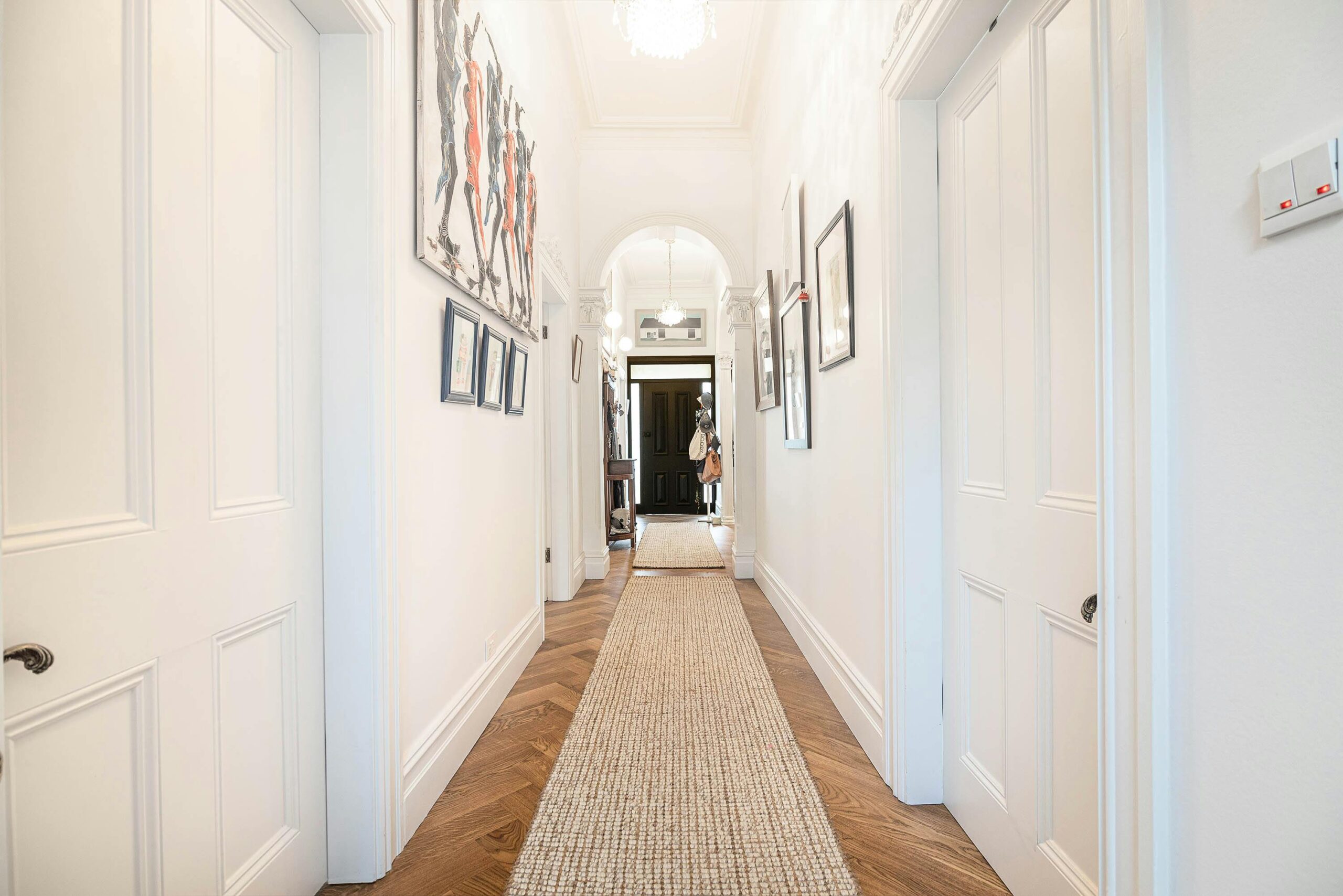
The foundation of any quality quiet space includes several key components. First, consider acoustics. Soft materials like rugs, curtains, and upholstered furniture absorb sound, creating that coveted sense of isolation. If budget allows, acoustic panels designed for home use can dramatically reduce noise pollution from adjacent spaces or outside.
Lighting is equally critical. Harsh overhead lights activate our stress response, while warm, adjustable lighting supports relaxation and focus. Natural light is ideal when available, but controllable through curtains or blinds. For evening use, consider dimmable lamps or smart bulbs that can shift color temperature based on your activity.
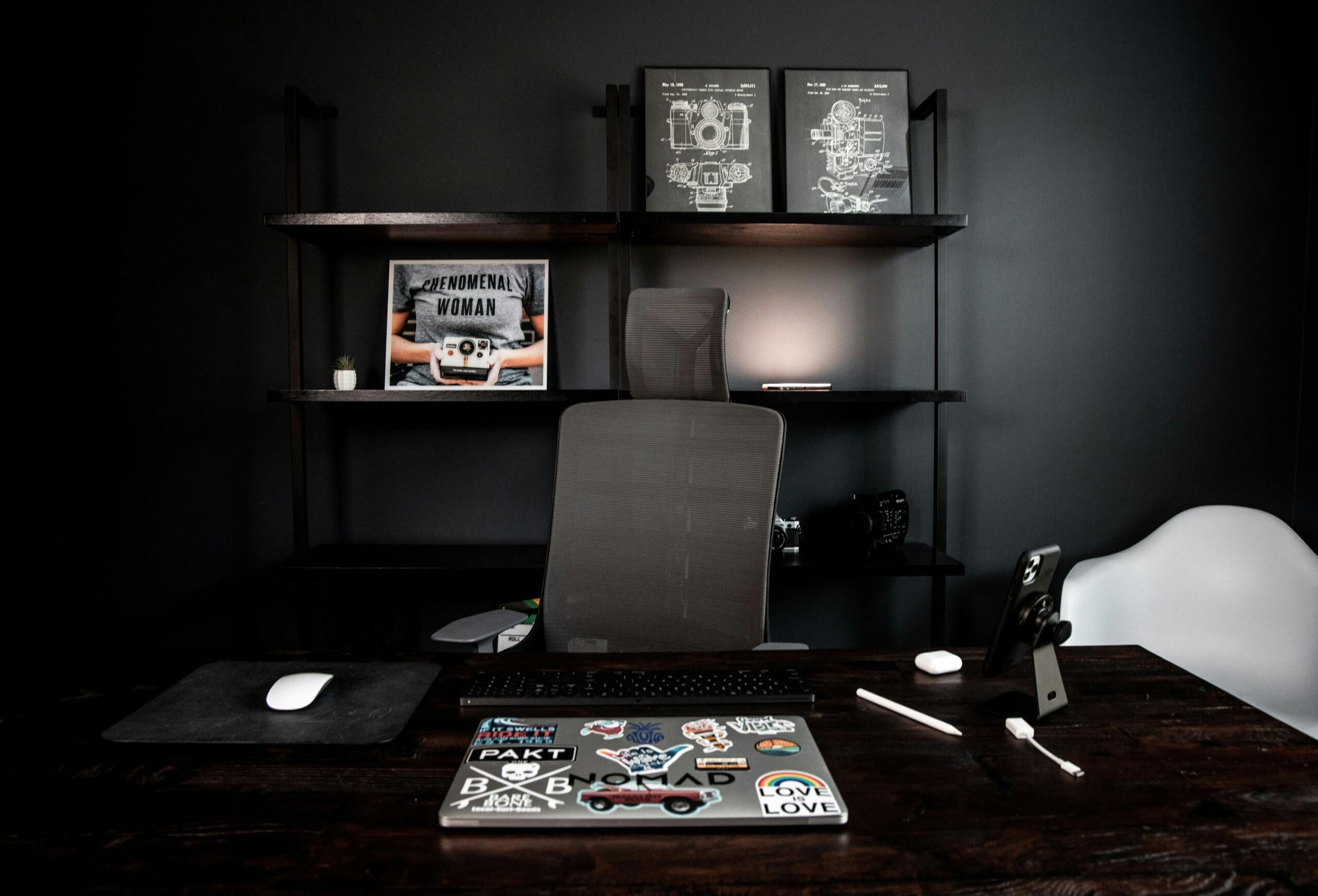
Comfortable seating options that support different postures matter more than most people realize. A meditation cushion, ergonomic chair, and perhaps a small daybed or chaise provide flexibility. Your body has different needs when you’re meditating versus reading versus engaging in creative work, and your space should accommodate these variations.
Minimalism Meets Functionality
Visual clutter creates mental clutter. Multi-purpose quiet spaces benefit enormously from minimalist design principles. This doesn’t mean sterile emptiness—rather, it means every item present serves a clear purpose. A small bookshelf with carefully selected reading material, a plant for air quality and biophilic benefits, and perhaps one meaningful piece of art create an environment that’s both calming and personal.
Storage solutions that hide away items not currently in use help maintain this clarity. Baskets, closed cabinets, or multi-functional furniture with built-in storage keep your space adaptable without visual overwhelm. The goal is creating an environment where your mind can settle immediately upon entering.
📱 Technology: Friend or Foe in Your Quiet Space?
The relationship between technology and quiet spaces requires thoughtful navigation. While the temptation might be to ban all devices, strategic technology use can actually enhance your experience. The key is being intentional about which tools enter this space and how you use them.
Sound machines, meditation apps, and ambient noise generators can create acoustic environments that support different activities. White noise can mask disruptive sounds when complete silence isn’t achievable. Nature sounds support relaxation for many people, while binaural beats have shown promise for enhancing focus and creativity.
For those using quiet spaces for focused work or creative projects, certain applications can support rather than distract. Timer apps that implement the Pomodoro Technique help structure productive sessions. Writing applications with distraction-free modes eliminate visual clutter. The distinction lies in using technology as a tool that serves your purpose rather than allowing it to fragment your attention.
However, establishing clear boundaries remains essential. Consider implementing a “phone basket” at the entrance to your quiet space where devices rest unless actively needed for your intended activity. Notifications should be silenced or, better yet, devices placed in “Do Not Disturb” mode. This physical separation creates psychological distance from the constant pull of connectivity.
🎨 Unlocking Creativity Through Intentional Silence
Some of history’s most creative minds attributed their breakthroughs to moments of quiet reflection. From Einstein’s thought experiments to J.K. Rowling’s writing process, silence and solitude have consistently proven fertile ground for innovation. Your multi-purpose quiet space can become a creativity incubator with the right approach.
The creative process requires both focused attention and diffuse thinking. Quiet spaces support both modes. When you’re actively working on a creative project—writing, drawing, composing, or problem-solving—the absence of distraction allows for the deep concentration necessary to make progress. But equally important are the moments when you simply sit, allowing your mind to wander without direction.
Keep creative tools readily accessible in your space. This might include journals and quality pens, sketchbooks and drawing materials, or a musical instrument. The lower the activation energy required to engage with these tools, the more likely you are to use them during moments of inspiration. Having these items visible but organized creates invitation without clutter.
The Power of Boredom
Modern life has essentially eliminated boredom, and with it, a crucial catalyst for creativity. When we fill every moment with content consumption, we never give our minds the space to generate their own content. Your quiet space can become a place where you intentionally cultivate boredom—and the creative insights that emerge from it.
Try spending time in your quiet space with no predetermined agenda, no book to read, no specific meditation practice. Simply exist. The discomfort you might initially feel is your mind adjusting to the absence of external stimulation. Push through this, and you’ll often find your thoughts turning toward creative problems, new perspectives on ongoing challenges, or entirely novel ideas.
💼 Transforming Professional Performance Through Focused Work Sessions
The modern workplace, whether in-office or remote, struggles with a productivity paradox. We have more tools than ever to get work done, yet feel less productive. The constant connectivity, open office designs, and culture of immediate responsiveness fragment our attention. Multi-purpose quiet spaces offer a counterbalance that can dramatically enhance professional performance.
Deep work—the kind of focused, cognitively demanding work that creates real value—requires uninterrupted time blocks. Research by Cal Newport and others demonstrates that even brief interruptions can derail focus for 20+ minutes. A dedicated quiet space where you’re protected from interruptions becomes your competitive advantage.
Structure your professional use of quiet spaces with clear intentions. Before entering, identify exactly what you aim to accomplish during this session. This might be writing a challenging report, analyzing complex data, or thinking strategically about a business problem. Set a timer for your intended duration—whether that’s 25 minutes or two hours—and commit to staying with that task until the timer signals completion.
Creating Professional Quiet Spaces in Shared Environments
Not everyone has the luxury of a private home office. If you share living space with family or roommates, establishing boundaries around your quiet space becomes essential. Communicate clearly about when the space is “active” and what that means—perhaps using a simple visual signal like a closed door or a specific sign.
Headphones can create portable quiet spaces when physical space is limited. Noise-canceling technology has advanced remarkably, allowing you to establish acoustic boundaries even in busy environments. Combined with focus-enhancing audio, quality headphones essentially allow you to carry your quiet space with you.
🌿 The Mind-Body Connection: Using Quiet Spaces for Holistic Wellness
The benefits of quiet spaces extend beyond mental performance into physical health. The stress reduction that comes from regular quiet time has measurable physiological effects: lowered blood pressure, improved immune function, better sleep quality, and reduced inflammation markers. Your multi-purpose space can become central to a comprehensive wellness routine.
Movement practices like yoga, tai chi, or simple stretching gain depth when performed in a dedicated quiet space. The absence of distraction allows you to tune into subtle bodily sensations, improving both the physical benefits and the mindfulness aspects of these practices. Even a small space can accommodate basic movement if you design with this intention.
Breathwork and meditation practices naturally find their home in quiet spaces. Whether you follow guided sessions or practice in silence, the consistency of having a dedicated location reinforces the habit. Your brain begins associating this physical space with the calm state you cultivate there, making it progressively easier to settle into practice.
Sleep Quality and Quiet Spaces
For those whose multi-purpose quiet space shares real estate with their bedroom, the relationship with sleep deserves consideration. If possible, maintain some separation—even symbolic—between your active uses of the space (work, creativity, meditation) and sleep. This helps maintain strong sleep associations with your bed itself.
However, a pre-sleep quiet space routine can dramatically improve rest quality. Spending 20-30 minutes in your quiet space before bed, engaged in calming activities like reading, gentle stretching, or reflection, signals to your nervous system that it’s time to wind down. This transition period counteracts the stimulating effects of screens and daily stress.
👨👩👧👦 Quiet Spaces for Every Family Member
Families with children face unique challenges in creating quiet spaces, yet the benefits may be even more pronounced. Children raised with access to quiet environments develop better self-regulation skills, longer attention spans, and healthier relationships with solitude. Teaching children to value and utilize quiet time is a gift that serves them throughout life.
Age-appropriate quiet spaces look different across developmental stages. Young children might need a cozy reading nook with soft textures and picture books. Teenagers benefit from private spaces where they can decompress from social pressures and academic demands. Even toddlers can learn to spend brief periods in a calm environment with appropriate toys and books.
Family agreements about respecting quiet space boundaries teach important lessons about consent and personal needs. When a family member is in their quiet space with the “do not disturb” signal active, others learn to honor that boundary. This mutual respect creates household harmony and models healthy self-care practices.
🔄 Adapting Your Space Across Different Life Seasons
One of the greatest advantages of multi-purpose quiet spaces is their adaptability. Your needs will shift across days, weeks, and life phases. The space that serves your meditation practice this morning can support your creative writing this evening and your focused work session tomorrow. Building flexibility into the design ensures long-term utility.
Simple transition rituals help your brain shift between different uses. This might be as basic as changing lighting settings, playing different background sounds, or rearranging a few key elements. These small changes signal to your nervous system what kind of activity you’re preparing for, helping you drop into the appropriate mental state more quickly.
Life transitions—new jobs, relationships, children, health challenges—may require reimagining how your quiet space serves you. Rather than abandoning the concept when circumstances change, adapt the space to meet your evolving needs. A space used primarily for creative work might shift to focus on stress relief during a particularly challenging period, then evolve again as conditions change.
🌟 Measuring the Impact: Tracking Your Transformation
While the benefits of quiet spaces often feel intuitive, tracking specific outcomes can reinforce your commitment and help optimize your practice. Consider keeping a simple log of when you use your space, for what purpose, and how you feel afterward. Patterns will emerge that inform how to maximize benefit.
Quantifiable metrics might include productivity measures for professional work, creative output like pages written or projects completed, or wellness indicators like sleep quality ratings and stress levels. Even subjective measures—how calm you feel, how clearly you’re thinking, how connected you are to your creative voice—provide valuable feedback.
Don’t expect immediate transformation. Like any practice, the benefits of regular quiet space use compound over time. Initial sessions might feel uncomfortable or unproductive as you adjust to reduced stimulation. Persist through this adaptation period, and you’ll likely find that the space becomes increasingly valuable, eventually feeling essential to your daily functioning.
💡 Starting Today: Your First Steps Toward Transformation
The journey toward transforming your life with multi-purpose quiet spaces begins with a single intentional step. You don’t need to wait for perfect conditions, complete renovations, or ideal circumstances. Start with what you have, where you are, right now.
Identify the most promising location in your current living situation. This might be a corner of your bedroom, a section of your living room, a converted closet, or even an outdoor space like a balcony or garden area. The key is that it feels somewhat separate from the flow of daily activity and can be made reasonably quiet.
Begin with minimal investment. A comfortable cushion or chair, a small table or shelf, and perhaps a lamp might be all you need initially. As you develop your practice and clarify your needs, you can gradually refine the space. Starting simple reduces the barrier to entry and allows the space to organically evolve based on actual use rather than theoretical ideals.
Commit to using your space daily, even if only for five or ten minutes. Consistency matters more than duration in establishing new habits. Whether you use this time for meditation, quiet reading, creative thinking, or simply sitting in silence, the regular practice trains your nervous system to access calm states more readily.
Your multi-purpose quiet space represents more than just a physical location—it’s a commitment to yourself, an acknowledgment that your mental clarity, creativity, and peace matter. In a world that constantly demands your attention, creating and protecting space for silence, focus, and reflection is a radical act of self-care. The transformation begins the moment you decide that you deserve this sanctuary, and it deepens with every quiet moment you choose to inhabit it fully. Your future self will thank you for the investment you make today in creating these essential spaces for growth, restoration, and becoming.