Creating a productive home office requires more than just a desk and computer—acoustic quality plays a crucial role in concentration, privacy, and overall work performance.

🏠 Why Acoustic Testing Matters in Your Home Office
The shift to remote work has transformed spare bedrooms, basements, and living room corners into professional workspaces. While we often focus on ergonomic furniture and high-speed internet, acoustic performance remains an overlooked factor that significantly impacts our daily work experience.
Poor acoustics can lead to numerous problems: difficulty concentrating during video calls, confidential conversations overheard by family members, and the constant distraction of household noises. Professional acoustic testing helps identify these issues before they compromise your productivity and privacy.
Sound behaves differently in every space. Variables such as room dimensions, wall materials, flooring types, and furniture placement all contribute to how sound travels and reflects. Understanding these characteristics through proper testing enables you to make informed decisions about soundproofing investments.
🔍 Understanding Sound Fundamentals for Home Offices
Before diving into testing methods, it’s essential to understand basic acoustic concepts that affect your workspace quality.
Decibel Levels and Productivity Thresholds
Decibels (dB) measure sound intensity. Research shows that optimal concentration occurs between 30-50 dB—roughly equivalent to a quiet library. Normal conversation measures around 60 dB, while a busy street can reach 70-85 dB. If your home office consistently exceeds 55 dB, your cognitive performance likely suffers.
Different work tasks require different acoustic environments. Creative work benefits from moderate ambient noise (around 50 dB), while analytical tasks demand quieter conditions (below 45 dB). Understanding your typical workflow helps establish appropriate acoustic targets.
Sound Transmission and Reflection
Sound travels through direct transmission (through walls and floors) and airborne paths (through gaps and ventilation). Hard surfaces like bare walls and windows reflect sound, creating echoes and reverberation that muddy speech clarity and increase perceived noise levels.
Reverberation time (RT60) measures how long sound persists in a space after its source stops. Home offices ideally maintain RT60 between 0.3-0.6 seconds. Longer reverberation times make video conferences exhausting and reduce speech intelligibility.
📱 Essential Tools for Home Office Acoustic Testing
Professional acoustic consultants use specialized equipment, but effective home testing requires surprisingly accessible tools that deliver actionable insights.
Smartphone Decibel Meter Applications
Modern smartphones contain microphones capable of reasonably accurate sound measurement. Several applications transform your device into a functional decibel meter, perfect for baseline acoustic assessments.
When using measurement apps, consistency matters more than absolute precision. Take measurements at the same locations, times, and conditions to establish reliable comparison data. Position your phone at ear level where you typically sit, as sound levels vary significantly at different heights.
Clap Test for Reverberation Assessment
The simple clap test reveals acoustic character instantly. Stand in your workspace center and clap sharply once. Listen carefully to what follows. A clean, brief decay indicates good acoustics. Prolonged ringing, flutter echoes, or metallic tones signal acoustic problems requiring attention.
Record these clap tests on your phone to compare before and after acoustic treatments. The difference becomes remarkably obvious when you can directly compare recordings.
Professional Sound Level Meters
For those seeking greater precision, entry-level sound level meters cost between $30-100 and provide calibrated measurements. These devices meet Type 2 accuracy standards, suitable for home and small office applications.
Professional meters measure not just overall decibel levels but frequency-specific information, revealing whether low-frequency rumble from HVAC systems or high-frequency computer fan noise creates your primary disturbance.
🎯 Conducting Your Home Office Acoustic Assessment
Systematic testing produces actionable data rather than vague impressions. Follow this structured approach for comprehensive acoustic evaluation.
Establishing Baseline Measurements
Begin testing during your typical work hours when household activity matches normal patterns. Measure background noise levels with all usual equipment running—computer, monitor, desk lamp, and any climate control.
Take readings at multiple positions: your typical seated position, standing desk height if applicable, and locations where you conduct video calls. Record measurements at morning, midday, and afternoon to capture temporal variations.
Document external noise intrusions. Note when delivery trucks pass, when neighbors’ activities create disturbance, or when household members move through adjacent spaces. This temporal mapping reveals patterns that simple spot measurements miss.
Testing Sound Transmission Between Rooms
Understanding how sound travels between your office and adjacent spaces protects both your privacy and family members’ comfort. This requires a partner or recording device in the next room.
Play pink noise or speech audio at normal conversation volume in your office. Measure or assess audibility in adjacent rooms, above, and below. This reveals weak points in your acoustic isolation—typically doors, windows, and shared walls.
Test both directions. Sound from kitchen, living areas, or children’s rooms entering your workspace can be equally problematic as your meeting audio disturbing others.
Frequency-Specific Analysis
Not all noise bothers us equally. Low-frequency rumble from traffic or HVAC systems penetrates walls easily but might not distract conscious attention. High-frequency sounds like voices or equipment whine demand less energy but capture our focus immediately.
Advanced measurement apps and sound level meters provide frequency breakdowns. Identify whether your acoustic challenges concentrate in bass frequencies (below 250 Hz), midrange (250-2000 Hz), or treble (above 2000 Hz). This information guides treatment selection, as different solutions target different frequency ranges.
🛠️ Interpreting Your Acoustic Test Results
Data means nothing without proper interpretation. Transform your measurements into actionable improvement strategies.
Identifying Problem Areas
Compare your measurements against recommended standards. Background noise consistently above 40 dB indicates treatment needs. Reverberation times exceeding 0.8 seconds create speech intelligibility problems during calls.
If adjacent room testing reveals clear speech understanding through walls or doors, privacy concerns demand immediate attention. Medical professionals, therapists, lawyers, and anyone handling sensitive information must prioritize transmission reduction.
Prioritizing Acoustic Improvements
Budget and effort constraints require strategic prioritization. Address issues in this order: first, control entering noise that disrupts your work; second, reduce internal reverberation that causes fatigue; third, minimize sound leaving your office that disturbs others.
Quick wins often involve door seals, window treatments, and strategic soft furnishing placement. These modifications deliver substantial improvement without construction or significant expense.
🔧 Practical Solutions for Common Acoustic Problems
Testing identifies problems; solutions resolve them. Match treatments to your specific acoustic challenges.
Addressing External Noise Intrusion
Windows represent the weakest acoustic point in most rooms. Heavy curtains or cellular shades provide modest improvement (3-5 dB reduction). For serious noise problems, secondary window inserts or complete window replacement with laminated glass delivers 10-15 dB reduction.
Door gaps leak tremendous sound. Weather stripping around the perimeter and door sweeps along the bottom cost minimal amounts but significantly improve isolation. For maximum performance, solid-core doors outperform hollow-core alternatives dramatically.
Wall-mounted acoustic panels absorb sound but don’t block transmission. For true isolation from external sources, mass and decoupling are required—unfortunately expensive interventions involving additional drywall layers, resilient channels, or completely independent stud walls.
Controlling Internal Reverberation
Reverberation problems respond excellently to absorption treatments. Fabric-wrapped acoustic panels, either commercial products or DIY constructions, reduce reflections and clarify speech when strategically placed.
Target first reflection points where sound bounces from walls to your ears. Place panels on walls beside and behind your monitor, and on the wall behind your seating position. Ceiling clouds above your desk position effectively control overhead reflections.
Soft furnishings—bookshelves filled with books, upholstered chairs, area rugs on hard floors—all contribute to reverberation control without obvious “acoustic treatment” appearance.
Managing Equipment Noise
Computer fans, hard drives, and other equipment create constant background noise that accumulates. Position computers under desks rather than on them—distance and desk mass both reduce audibility. Consider fanless computers or external drive enclosures for particularly quiet requirements.
HVAC noise requires different approaches depending on transmission path. Duct-borne noise benefits from inline silencers. Register-radiated noise responds to register deflectors or replacement with low-velocity models. Structure-borne vibration needs isolation mounts at equipment locations.
📊 Creating Your Acoustic Improvement Plan
Systematic improvement beats random treatment attempts. Develop a phased approach based on your testing results and practical constraints.
Phase One: Quick Wins and Low-Cost Solutions
Begin with modifications requiring minimal investment but delivering noticeable results. Add rugs to bare floors, hang heavy curtains over windows, install door weather stripping, and rearrange furniture to break up parallel reflective surfaces.
These changes typically cost under $200 and can be completed in a weekend, yet often reduce background noise by 5-8 dB and noticeably improve reverberation character.
Phase Two: Targeted Acoustic Treatments
After addressing low-hanging fruit, invest in purpose-built acoustic solutions for remaining problems. This might include wall-mounted absorption panels, bass traps for corner placement, or specialized door seals.
Budget $300-800 for this phase depending on room size and problem severity. Professional-looking fabric panels maintain aesthetic standards while delivering acoustic performance.
Phase Three: Structural Improvements
If significant noise isolation remains necessary after previous phases, structural modifications become relevant. This includes door replacement, window upgrades, or wall treatment.
These interventions cost thousands but deliver dramatic improvement when required. Consultation with acoustic professionals ensures optimal approach for your specific situation and budget.
🔄 Verifying Improvements Through Re-Testing
After implementing treatments, systematic re-testing validates effectiveness and guides further refinement.
Repeat your original testing protocol exactly—same locations, times, and measurement methods. Direct comparison reveals objective improvement that subjective impressions might miss or exaggerate.
Document changes with before-and-after photos and recordings. These records prove valuable if further adjustments become necessary and provide satisfying evidence of your acoustic investment’s value.
Don’t expect perfection. Reducing background noise by 10 dB or cutting reverberation time in half represents substantial success that meaningfully improves work quality, even if absolute silence remains elusive.
🎧 Maintaining Acoustic Performance Over Time
Acoustic performance degrades with changes to your workspace. Seasonal variations, furniture rearrangement, and equipment updates all impact sound behavior.
Conduct quarterly spot checks using your smartphone measurement app. Quick readings reveal whether performance remains acceptable or degradation requires attention. This monitoring catches problems before they significantly impact your work quality.
Acoustic panels accumulate dust that reduces performance. Vacuum fabric-wrapped panels quarterly and replace them every 5-7 years as materials degrade. Door seals compress over time—inspect annually and replace when gaps appear.
💡 Advanced Considerations for Specialized Work
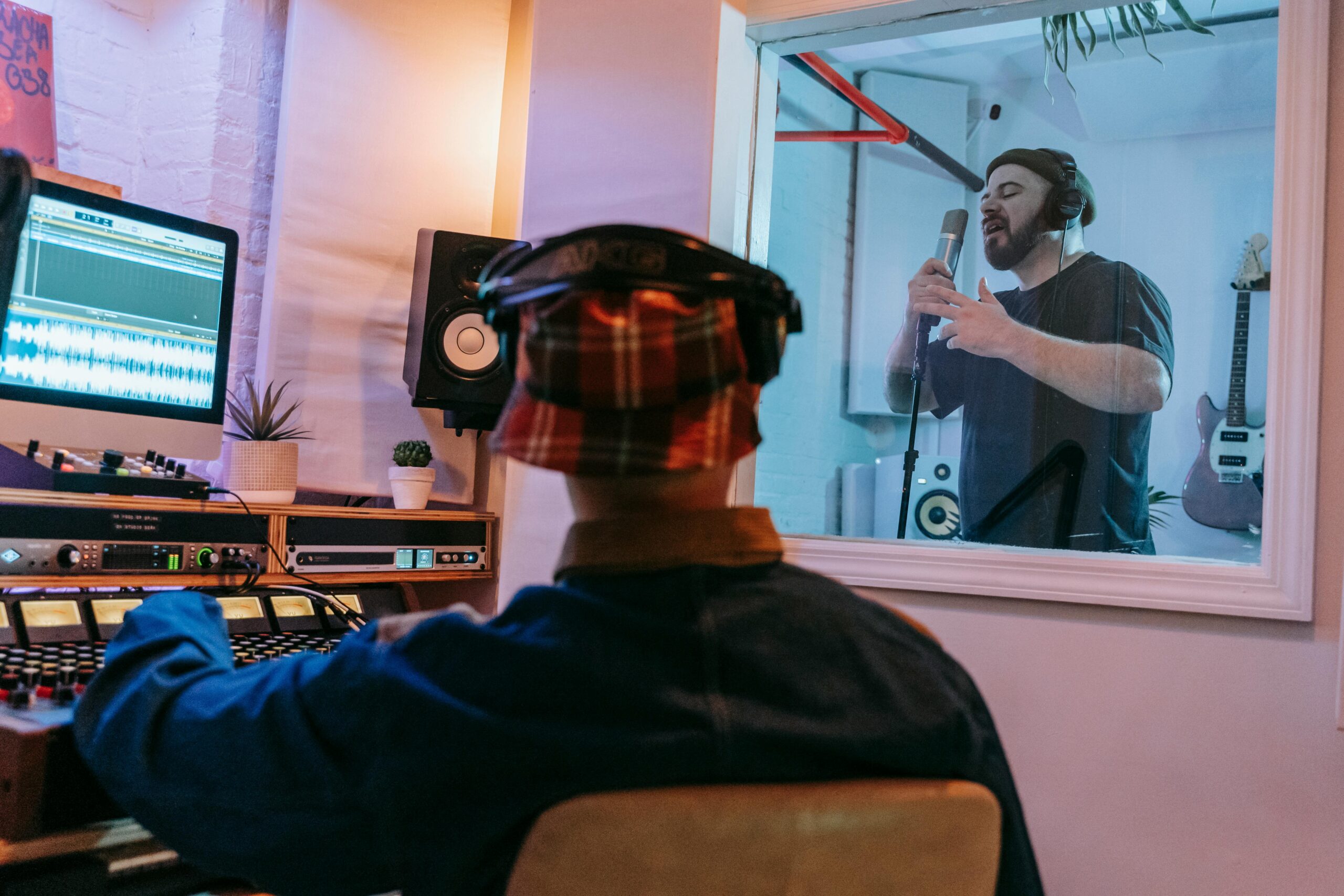
Certain professions demand acoustic performance beyond general office requirements. Podcasters, musicians, video producers, and voice-over artists need specialized approaches.
Content Creation and Recording Environments
Recording applications require extremely low background noise (under 30 dB) and minimal reverberation (RT60 below 0.3 seconds). These standards exceed typical office requirements.
Dedicated recording spaces benefit from comprehensive acoustic treatment covering 40-60% of wall and ceiling surfaces. Bass traps in all corners control low-frequency problems that plague recording quality.
Professional microphones pick up sounds inaudible to casual listening. Test your recording environment by making sample recordings and listening with quality headphones—this reveals acoustic problems that measurement alone might miss.
Virtual Meeting Optimization
Video conferencing places specific acoustic demands on spaces. Echo and reverberation that barely register during solo work become painfully obvious to remote participants hearing your audio.
Position yourself facing absorptive surfaces rather than reflective ones. The wall behind your monitor should feature acoustic treatment or soft furnishings. Avoid sitting directly in front of bare walls—the hard surface behind you reflects your voice directly into your microphone, creating hollow, reverberant audio.
🌟 Balancing Acoustics with Aesthetics and Function
Effective acoustic treatment need not create clinical, unappealing environments. Modern solutions integrate seamlessly with professional home office design.
Fabric-wrapped panels come in countless colors, patterns, and even custom printed designs. Choose options that complement your décor rather than obviously announcing “acoustic treatment.” Many people mistake decorative acoustic panels for artistic wall hangings.
Multifunctional furniture serves both acoustic and practical purposes. Upholstered seating, fabric-backed bookcases, and cushioned wall panels all contribute to sound control while serving obvious functional roles.
Plants provide modest acoustic benefits through diffusion and absorption while improving air quality and aesthetics. Although not acoustic solutions alone, they contribute to comprehensive environmental quality.
🚀 Taking Action on Your Acoustic Testing Results
Understanding your space’s acoustic performance empowers informed decision-making about workspace improvements. Whether your testing reveals minor issues addressable through simple adjustments or significant problems requiring investment, you now possess the knowledge to create a quieter, more productive, and more private home office.
Begin your acoustic journey today with baseline measurements. Download a decibel meter app, conduct the clap test, and document current conditions. These simple first steps launch you toward a dramatically improved work environment where concentration flows easily, video calls sound professional, and privacy remains protected.
Your home office represents significant investment of time, money, and career energy. Optimizing its acoustic performance ensures that investment delivers maximum returns through enhanced productivity, reduced stress, and professional-quality communication with colleagues and clients. The quieter workspace you create becomes your competitive advantage in the remote work landscape.