Creating a space that nurtures your well-being isn’t just about aesthetics—it’s about mastering comfort optimization for lasting tranquility and rejuvenation.

🏡 Understanding the Foundation of Long-Term Comfort
Long-term comfort optimization goes far beyond selecting a plush sofa or soft bedding. It’s a holistic approach that considers how every element in your environment interacts with your physical, mental, and emotional well-being over extended periods. When you truly understand comfort as a dynamic, evolving concept rather than a static state, you unlock the potential to create spaces that adapt to your changing needs throughout different seasons, life stages, and daily rhythms.
The science behind sustainable comfort reveals that our bodies and minds crave consistency paired with gentle variation. Static environments, no matter how initially pleasant, eventually lead to sensory fatigue and diminished appreciation. By designing spaces with adaptable comfort features, you create an environment that remains fresh, engaging, and supportive year after year.
The Psychology Behind Comfort Zones That Last
Our relationship with comfort is deeply psychological. Research in environmental psychology demonstrates that spaces significantly impact our cortisol levels, productivity, and overall happiness. When you design with long-term comfort in mind, you’re essentially creating a buffer against daily stressors—a sanctuary that actively contributes to your mental health maintenance.
The concept of “restorative environments” explains why certain spaces make us feel inherently calm. Natural elements, proper lighting, and thoughtful spatial arrangements trigger positive neurological responses. These aren’t temporary mood boosters; they’re fundamental design principles that create lasting psychological benefits, reducing anxiety and promoting genuine relaxation over months and years of use.
Creating Emotional Anchors Through Design
Comfort extends into the realm of emotional security. Familiar textures, carefully curated personal items, and consistent sensory experiences create what psychologists call “emotional anchors”—touchpoints that ground us and provide stability. When strategically incorporated into your space, these elements become reliable sources of comfort that deepen their significance over time rather than losing their impact.
🛋️ Optimizing Physical Comfort for Extended Periods
Physical comfort forms the tangible foundation of any relaxation haven. However, what feels comfortable for thirty minutes may cause discomfort after several hours. Understanding ergonomics, material properties, and body mechanics becomes essential when designing for long-term use.
Seating arrangements deserve particular attention. The ideal relaxation furniture supports natural posture without forcing it, distributes weight evenly, and allows for position changes. Memory foam, high-resilience foam, and properly designed spring systems each offer different comfort profiles. Testing furniture over extended periods before committing ensures your choices won’t become sources of physical strain.
Temperature Regulation as a Comfort Cornerstone
Temperature significantly influences comfort perception, yet it’s often overlooked in home design. The human body operates within narrow thermal comfort zones, and maintaining these zones requires thoughtful climate control strategies. Layered approaches work best—combining ambient temperature control with localized heating or cooling options.
Natural temperature regulation through strategic window placement, breathable materials, and proper insulation creates stable comfort without constant mechanical intervention. Ceiling fans, area rugs, and textile choices all contribute to thermal comfort management. During colder months, radiant heating systems provide consistent warmth without the air movement that makes some people uncomfortable.
Lighting Design for Circadian Rhythm Support
Lighting profoundly affects both immediate comfort and long-term well-being. Natural light synchronizes our circadian rhythms, regulates hormone production, and influences mood stability. Maximizing natural light exposure during daylight hours while maintaining control over artificial lighting after sunset creates an environment that supports healthy sleep-wake cycles.
Layered lighting schemes offer flexibility for different activities and times of day. Ambient lighting provides general illumination, task lighting supports specific activities, and accent lighting creates visual interest. Dimming capabilities allow you to adjust intensity based on natural light levels and personal preferences throughout the day.
The Color Temperature Factor ✨
Color temperature, measured in Kelvin, dramatically impacts how lighting feels. Cooler temperatures (5000K-6500K) energize and promote alertness, while warmer temperatures (2700K-3000K) encourage relaxation and wind-down routines. Smart bulbs that adjust color temperature throughout the day mimic natural sunlight patterns, supporting your body’s natural rhythms without conscious effort.
Acoustic Comfort: The Overlooked Element
Sound environments powerfully influence stress levels and relaxation capacity. Unwanted noise disrupts concentration, increases cortisol production, and prevents deep relaxation. Creating acoustic comfort requires both noise reduction and the introduction of pleasant, calming sounds.
Sound absorption strategies include soft furnishings, acoustic panels, heavy curtains, and strategic furniture placement. Rugs, upholstered furniture, and wall hangings all reduce sound reflection, creating a quieter, more controlled acoustic environment. For spaces where external noise intrusion is unavoidable, white noise machines or water features can mask disruptive sounds with more soothing alternatives.
Intentional Soundscaping
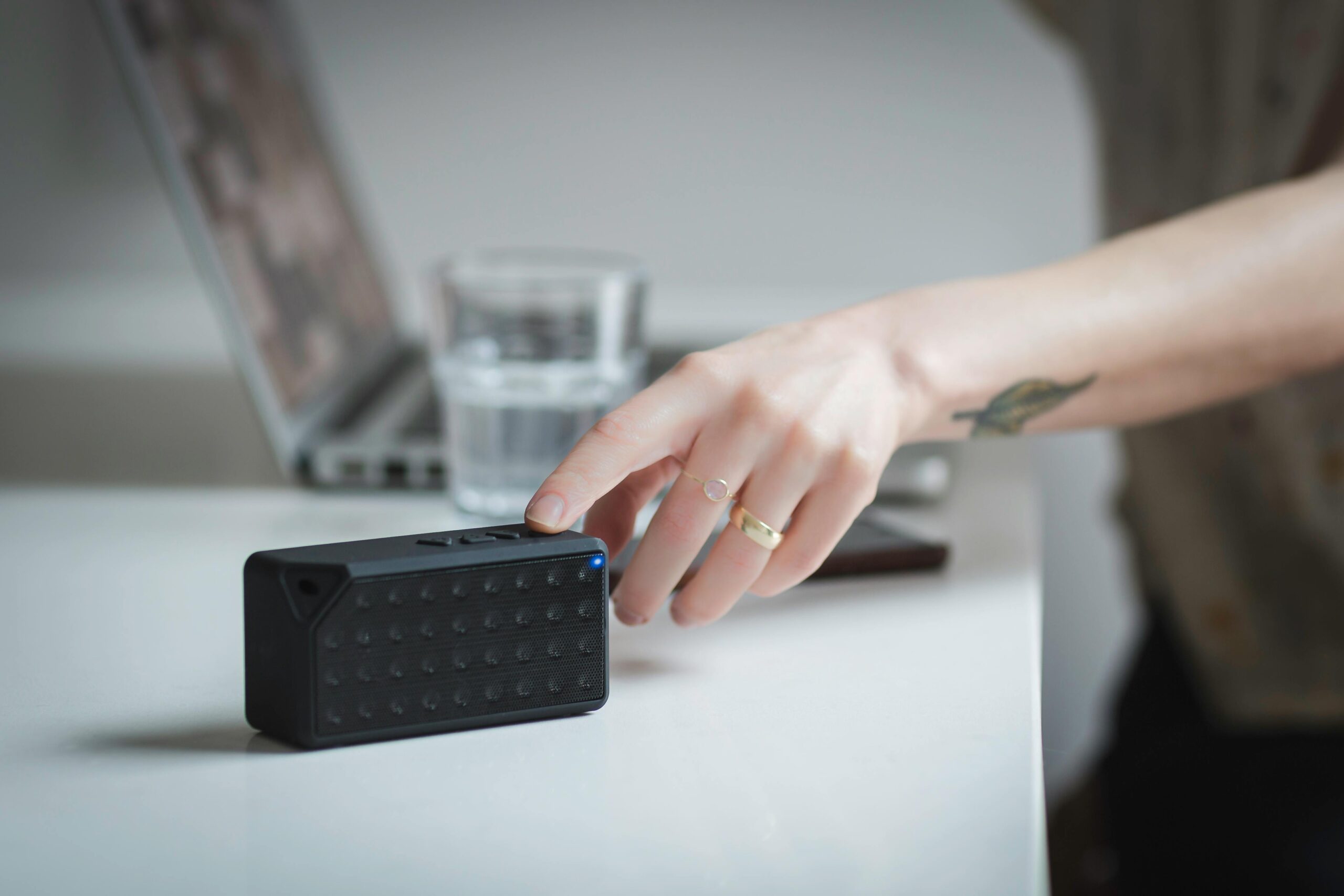
Beyond noise control, intentional soundscaping adds another dimension to comfort optimization. Gentle background music, nature sounds, or carefully selected ambient recordings can enhance relaxation and mask less pleasant environmental sounds. The key is subtlety—sounds should enrich the environment without demanding attention or becoming sources of distraction themselves.
🌿 Biophilic Design for Natural Connection
Humans possess an innate affinity for nature—a concept called biophilia. Incorporating natural elements into interior spaces satisfies this biological need, reducing stress and improving overall well-being. Biophilic design isn’t merely about adding houseplants; it’s a comprehensive approach that brings nature’s patterns, materials, and processes indoors.
Living plants improve air quality, regulate humidity, and provide visual interest that changes over time. Selecting low-maintenance varieties suited to your space’s light conditions ensures these benefits continue long-term without becoming burdensome. Snake plants, pothos, and ZZ plants thrive with minimal care while delivering significant biophilic benefits.
Natural Materials and Organic Forms
Wood, stone, natural fibers, and other organic materials create tactile connections to nature. These materials age gracefully, developing character over time rather than simply deteriorating. Their inherent variations and imperfections provide visual interest that synthetic materials cannot replicate, creating environments that feel alive and authentic.
Incorporating organic shapes—curves, irregular patterns, and asymmetrical arrangements—mirrors natural forms and feels inherently more comfortable than rigid geometric designs. This doesn’t mean abandoning structure, but rather balancing it with softer, more natural elements that prevent spaces from feeling sterile or institutional.
Air Quality Management for Health and Comfort
Air quality directly impacts physical comfort and long-term health. Poor indoor air quality causes headaches, fatigue, respiratory issues, and difficulty concentrating. Optimizing ventilation, controlling humidity, and reducing pollutant sources creates an environment that supports rather than undermines well-being.
Proper ventilation exchanges stale indoor air with fresh outdoor air, removing accumulated pollutants and excess moisture. Opening windows when weather permits, using exhaust fans in kitchens and bathrooms, and ensuring HVAC systems function properly all contribute to healthy air circulation.
Humidity Balance and Air Purification
Maintaining humidity between 30-50% prevents the discomfort of overly dry or excessively humid air. Humidifiers address winter dryness, while dehumidifiers combat summer moisture issues. Plants also regulate humidity naturally, releasing moisture through transpiration.
Air purifiers with HEPA filters remove particulates, allergens, and pollutants, creating cleaner breathing environments. Combined with houseplants that naturally filter air, these systems create comprehensive air quality management that supports comfort and health simultaneously.
🧘 Spatial Organization for Mental Clarity
Physical clutter creates mental clutter. Organized, thoughtfully arranged spaces promote relaxation by reducing visual noise and decision fatigue. Long-term comfort optimization requires storage solutions that maintain order without constant effort.
The principle of “a place for everything” ensures belongings have designated homes, making tidying an automatic process rather than an overwhelming task. Closed storage conceals visual clutter while open shelving displays curated items that bring joy and meaning. Balancing these approaches creates spaces that feel both organized and personal.
Flow and Movement Patterns
How you move through space affects comfort and functionality. Clear pathways, logical furniture arrangements, and sufficient clearances allow natural movement without navigation becoming a conscious task. When spatial flow aligns with natural movement patterns, spaces feel intuitive and effortless to inhabit.
Personalization That Evolves With You
True comfort havens reflect the individuals who inhabit them. Generic, impersonal spaces may look beautiful in magazines but fail to provide genuine comfort. Incorporating meaningful objects, preferred colors, and personal collections creates emotional connections that deepen over time.
However, effective personalization requires curation rather than accumulation. Displaying items that genuinely resonate while storing or removing those that don’t prevents spaces from becoming cluttered repositories. Rotating displayed items seasonally keeps environments feeling fresh while maintaining personal connection.
Adaptability for Changing Needs 🔄
Your comfort needs evolve as circumstances change. Designing with adaptability in mind—modular furniture, adjustable lighting, flexible room layouts—ensures spaces continue meeting your needs without requiring complete redesigns. Multi-functional furniture, movable partitions, and adjustable storage systems provide flexibility that supports long-term comfort as life circumstances shift.
Textiles and Tactile Experiences
Touch profoundly influences comfort perception. Soft throws, plush rugs, smooth wood surfaces, and varied textile textures create rich tactile environments that invite interaction and relaxation. Natural fibers like cotton, linen, and wool offer superior comfort and durability compared to many synthetic alternatives.
Layering textiles adds visual depth while providing functional flexibility. Lightweight curtains paired with blackout shades offer light control options. Layered bedding allows temperature adjustment without sacrificing comfort. Multiple throw pillows in varying textures create visual interest and physical comfort for different preferences and positions.
Technology Integration for Effortless Comfort
Smart home technology, when thoughtfully implemented, enhances comfort without creating dependency or complexity. Programmable thermostats maintain optimal temperatures automatically. Smart lighting adjusts throughout the day without manual intervention. These technologies work in the background, creating ideal conditions without demanding attention.
The key is selecting technologies that genuinely improve daily life rather than adding unnecessary complexity. Voice-controlled devices, automated blinds, and app-based climate control should simplify rather than complicate. When technology fades into the background, enabling comfort without becoming the focus, it truly enhances long-term relaxation.
💤 Creating Restorative Sleep Environments
Quality sleep forms the foundation of well-being, making bedroom optimization crucial for long-term comfort. Mattress selection, bedding materials, temperature control, and light management all contribute to sleep quality. Investing in these elements pays dividends in improved rest and daily energy levels.
Sleep environments should be cool, dark, and quiet. Blackout curtains or shades eliminate light pollution. White noise machines mask disruptive sounds. Temperature slightly cooler than daytime comfort levels promotes deeper sleep. These conditions, maintained consistently, support healthy sleep patterns that enhance overall quality of life.
Scent as a Comfort Enhancer
Aromatherapy leverages our powerful olfactory senses to influence mood and relaxation. Lavender promotes calm, citrus energizes, eucalyptus clears mental fog. Essential oil diffusers, scented candles, or naturally fragrant plants introduce pleasant scents that enhance environmental comfort without overwhelming.
Consistency in scent creates powerful associations. Using particular fragrances exclusively in relaxation spaces strengthens the connection between scent and comfort, eventually triggering relaxation responses through scent alone. This classical conditioning effect deepens over time, making scent an increasingly effective comfort tool.
🌟 Maintenance Strategies for Sustained Comfort
Long-term comfort requires ongoing maintenance. Regular cleaning, seasonal refreshes, and periodic assessments ensure spaces continue meeting your needs. Developing sustainable maintenance routines prevents small issues from becoming major problems while keeping environments consistently comfortable.
Quarterly deep cleans, monthly organizational check-ins, and daily tidying routines work together to maintain comfort standards. These habits become automatic over time, requiring minimal conscious effort while delivering significant comfort dividends. When maintenance becomes routine, comfort remains consistent without constant intervention.

Your Journey to Lasting Comfort Begins Now
Transforming your space into a haven of endless relaxation isn’t an overnight process—it’s a journey of thoughtful improvements and intentional choices. Each element discussed contributes to an integrated system where physical comfort, psychological well-being, and practical functionality converge to create environments that truly nurture.
Begin with areas that impact you most significantly. Perhaps that’s optimizing your bedroom for better sleep, rearranging your living room for improved flow, or introducing plants for biophilic benefits. Small, consistent improvements compound over time, gradually transforming ordinary spaces into extraordinary comfort havens.
Remember that comfort is deeply personal. What relaxes one person may not work for another. Trust your own responses and preferences while incorporating proven comfort principles. The goal isn’t creating magazine-worthy perfection but rather environments that genuinely support your well-being and bring you lasting peace.
Your space should work for you, adapting to your needs and enhancing your daily life. With thoughtful optimization across physical, sensory, and psychological dimensions, you create more than just attractive rooms—you build a foundation for sustained well-being, a true sanctuary where comfort deepens and relaxation becomes effortless.