Ventilation noise can transform a peaceful home or office into an environment filled with constant distraction and discomfort. Understanding how to manage these sounds effectively is essential for creating spaces where you can truly relax, focus, and thrive.

🔊 Understanding the Sources of Ventilation Noise
Before tackling ventilation noise, it’s crucial to identify where these sounds originate. Ventilation systems comprise multiple components, each capable of generating distinct types of noise that impact your living or working environment.
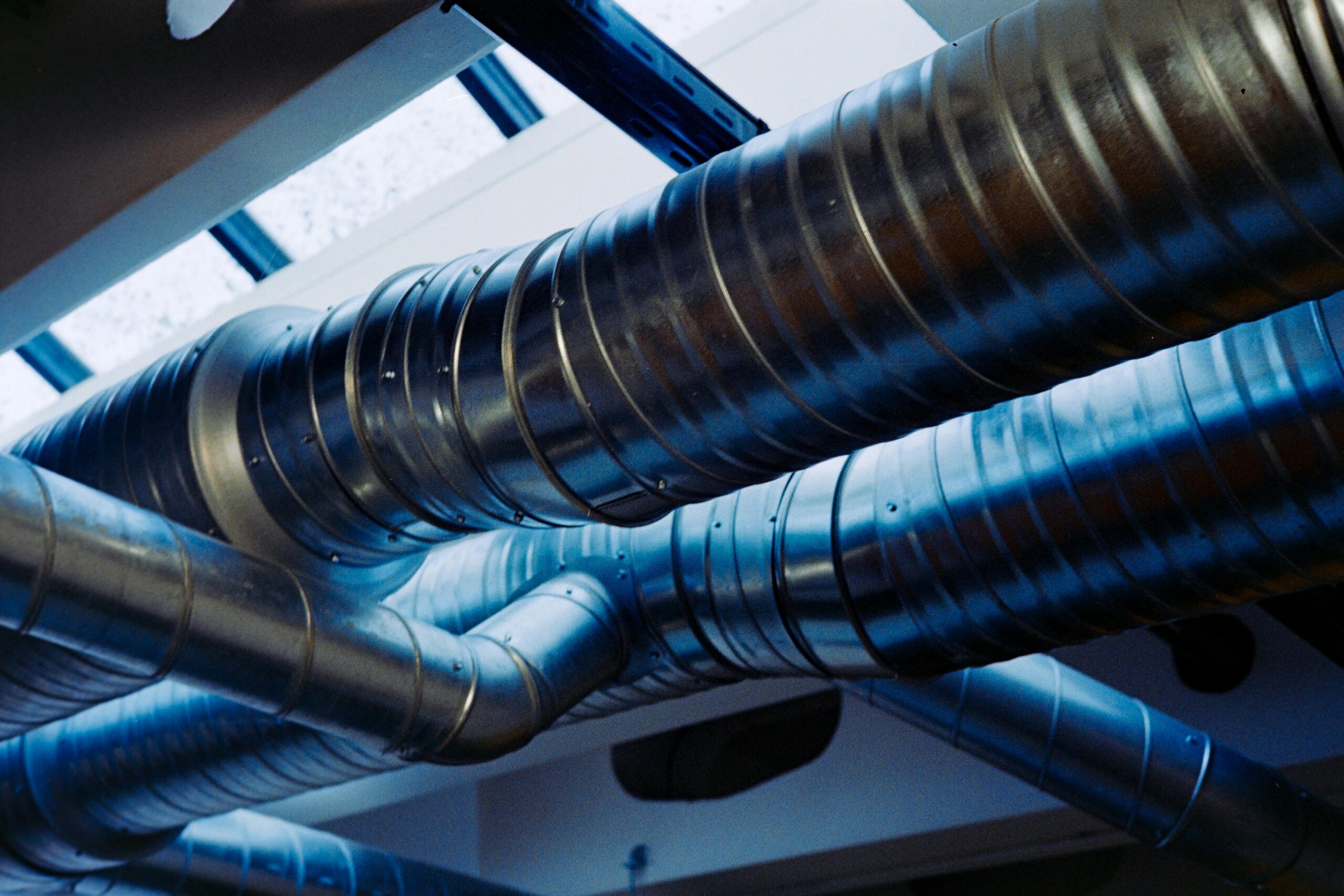
The primary culprits include fan motors, air moving through ductwork, vibrations transmitted through building structures, and turbulent airflow at vents and grilles. Mechanical components like bearings, belts, and motors create operational sounds that can range from subtle hums to pronounced rattles. When air travels through ducts at high velocities, it produces whooshing sounds that intensify at bends, restrictions, or poorly designed transitions.
Residential HVAC systems typically generate noise levels between 40-60 decibels, while commercial ventilation can reach 70 decibels or higher. To put this in perspective, normal conversation occurs at about 60 decibels, meaning some ventilation systems can rival human speech in volume. This constant background noise doesn’t just annoy—it can interfere with sleep quality, reduce productivity, and increase stress levels over time.
The Science Behind Sound Transmission
Sound travels through air and solid materials differently. Airborne noise moves through ducts and openings, while structure-borne vibrations transfer through walls, floors, and ceilings. Understanding this distinction helps target the right solutions for your specific noise issues.
Low-frequency sounds, like motor hums, penetrate walls more easily than high-frequency sounds such as whistles or rattles. This explains why you might hear your neighbor’s HVAC system even through solid construction. The frequency spectrum of ventilation noise typically ranges from 63 Hz to 8000 Hz, with most problematic sounds occurring in the 125-500 Hz range where human hearing is particularly sensitive.
🛠️ Strategic Design Choices for Quieter Ventilation
Preventing noise problems begins at the design stage. Whether installing a new system or retrofitting an existing one, thoughtful planning dramatically reduces sound transmission and generation.
Proper equipment sizing stands as the foundation of quiet ventilation. Oversized fans run inefficiently and create unnecessary turbulence, while undersized units must work harder, generating excessive noise. A correctly sized system operates in its optimal range, producing minimal sound while effectively moving air. Professional load calculations ensure your ventilation capacity matches actual requirements rather than generic estimates.
Duct design profoundly impacts noise levels. Gradual transitions, smooth bends with appropriate radii, and properly sized ducts minimize turbulent airflow. Sharp 90-degree elbows force air to change direction abruptly, creating whistling and rushing sounds. Instead, use elbows with turning vanes or multiple 45-degree fittings that guide airflow smoothly.
Equipment Selection That Prioritizes Quiet Operation
Modern ventilation equipment varies significantly in sound production. When selecting fans, motors, and air handlers, look for products with published sound ratings measured in sones or decibels. A difference of just 3 decibels represents a doubling of perceived loudness, making careful comparison essential.
Variable speed motors offer tremendous noise reduction benefits. These units adjust fan speed based on demand, running slower and quieter during periods of lower ventilation needs. Unlike single-speed fans that operate at full capacity constantly, variable speed systems provide adequate airflow without unnecessary noise generation. The initial investment typically pays dividends through both improved comfort and energy savings.
Consider electronically commutated motors (ECMs) for their whisper-quiet operation and efficiency. These brushless motors eliminate the mechanical friction of traditional motors, resulting in significantly reduced operational noise. While ECMs cost more upfront, their longevity and performance justify the investment for noise-sensitive applications.
🎯 Targeted Soundproofing Techniques
Even well-designed systems benefit from strategic soundproofing measures. These interventions address both airborne and structure-borne noise transmission, creating comprehensive quiet.
Duct lining represents one of the most effective soundproofing methods. Fiberglass or foam acoustic lining applied to interior duct surfaces absorbs sound energy as it travels, preventing it from radiating through duct walls or emerging at vents. This treatment particularly reduces mid to high-frequency noise. However, ensure any duct lining meets fire safety codes and won’t degrade air quality.
Flexible duct connectors between rigid ductwork and equipment prevent vibration transmission. These rubber or fabric connectors act as mechanical breaks, stopping vibrations from traveling through the duct system. Install them immediately at equipment connections for maximum effectiveness. Without these connectors, motor vibrations travel freely through ductwork, causing rattling and humming throughout your space.
Vibration Isolation Methods
Mounting ventilation equipment on vibration isolation pads or springs dramatically reduces structure-borne noise. These isolators prevent equipment vibrations from transferring into building structures where they amplify and spread. The investment in quality isolation mounts pays immediate dividends in reduced noise transmission.
Consider the entire support structure when addressing vibrations. Rigid mounting to lightweight surfaces amplifies vibrations, while mounting to substantial, isolated structures minimizes transmission. For rooftop or outdoor units, curb-mounted systems with integrated isolation perform better than equipment placed directly on structural members.
💨 Optimizing Airflow for Reduced Turbulence
Turbulent airflow generates significant noise even in otherwise quiet systems. Optimizing air movement patterns reduces this turbulence and the resulting sound.
Maintain appropriate air velocities throughout your duct system. Residential systems should generally keep velocity below 900 feet per minute in supply ducts and 700 feet per minute in return ducts. Higher velocities increase turbulence and noise exponentially. Commercial applications tolerate slightly higher velocities but still benefit from conservative design approaches in noise-sensitive areas.
Register and grille selection impacts the final sound emerging into occupied spaces. Look for diffusers designed with acoustic performance in mind, featuring smooth airflow patterns and minimal restriction. Avoid stamped metal grilles with sharp edges that create whistling sounds. Instead, choose registers with rounded vanes and proper depth that allow air to expand gradually as it enters the room.
Balancing System Performance
Properly balanced ventilation systems distribute airflow efficiently without excessive pressure drops that generate noise. Each branch of your ductwork should receive appropriate airflow without excessive resistance or velocity. Professional air balancing identifies and corrects distribution issues, often revealing unexpected noise sources.
Dampers allow fine-tuning of airflow but can create noise when improperly adjusted. Partially closed dampers increase velocity through the restricted opening, generating turbulence and whistling. Use dampers for balancing but avoid extreme restrictions. If significant throttling becomes necessary, your duct system may require redesign to eliminate the need for such restrictions.
🔧 Maintenance Practices for Sustained Quiet
Even perfectly designed and installed systems develop noise problems without proper maintenance. Regular attention prevents small issues from becoming major annoyances.
Clean or replace filters according to manufacturer recommendations. Clogged filters restrict airflow, forcing fans to work harder and generate more noise. This increased workload also reduces efficiency and equipment lifespan. Set calendar reminders to check filters monthly, especially during high-use seasons.
Lubricate motors and bearings as specified by equipment documentation. Dry bearings generate squealing and grinding sounds while wearing prematurely. Many modern sealed bearings require no maintenance, but older systems with lubrication points benefit from regular attention. Use only recommended lubricants—improper products can attract dust or degrade components.
Addressing Wear and Deterioration
Components wear over time, developing rattles, buzzes, and other noises. Loose mounting hardware, degraded isolation mounts, and worn fan blades all contribute to increased noise levels. Annual professional inspections identify these issues before they become problematic.
Fan blades accumulate dust and debris that creates imbalance, leading to vibration and noise. Clean fan assemblies during routine maintenance to restore smooth, quiet operation. Even minor imbalances generate noticeable vibration that intensifies as rotation speed increases.
📊 Measuring and Monitoring Sound Levels
Objective measurement helps identify problem areas and verify improvement effectiveness. Several tools and techniques assist in this process.
Smartphone sound meter applications provide convenient, reasonably accurate measurements for residential purposes. While not laboratory-grade instruments, these apps identify relative differences and track improvements. Take measurements at consistent locations and times to ensure meaningful comparisons.
Professional sound level meters offer greater accuracy and frequency analysis capabilities. These instruments identify specific frequency ranges where problems occur, guiding targeted solutions. If pursuing significant soundproofing investments, consider hiring an acoustic consultant who can perform detailed analysis and recommend precise interventions.
Establishing Baseline Measurements
Document current noise levels before implementing changes. Record measurements with ventilation running at typical operating conditions, noting location, time, and any relevant circumstances. These baselines prove invaluable when evaluating solution effectiveness and justifying further investments.
Measure in multiple locations throughout your space. Noise levels vary significantly based on proximity to equipment, ductwork routing, and room characteristics. Comprehensive measurements reveal patterns that guide prioritization of improvements.
🏠 Room Acoustics and Their Impact
The spaces themselves significantly influence perceived ventilation noise. Hard, reflective surfaces amplify sound, while absorptive materials reduce it.
Rooms with predominantly hard surfaces—tile, concrete, glass, bare walls—reflect sound waves that reinforce and amplify, creating reverberant spaces where even modest ventilation noise becomes intrusive. Strategic placement of sound-absorbing materials dramatically improves these environments. Carpeting, upholstered furniture, curtains, and acoustic panels all absorb sound energy rather than reflecting it.
Consider ceiling treatments in rooms where ventilation noise proves problematic. Acoustic ceiling tiles or panels reduce reverberation while addressing sound radiating from ceiling-mounted ductwork. These solutions prove particularly effective in home offices, bedrooms, and other quiet-priority spaces.
Strategic Furniture Placement
Furniture arrangement influences room acoustics more than many realize. Bookshelves filled with books, upholstered seating, and fabric wall hangings all absorb sound. Position these elements strategically near problematic vents or in direct paths between ventilation equipment and areas where quiet matters most.
Avoid arranging spaces where quiet activities occur directly beneath noisy ductwork or near loud vents. When possible, position workstations, beds, and seating areas away from primary noise sources. Sometimes simple rearrangement provides surprising improvement without additional investment.
💡 Advanced Solutions for Persistent Problems
When standard approaches prove insufficient, advanced techniques address even challenging noise situations.
Duct silencers insert into ductwork to absorb sound traveling through the system. These devices feature acoustic lining in configurations that maximize sound absorption while minimizing airflow restriction. Available in various sizes and performance levels, silencers effectively reduce noise transmitted through ducts without requiring system redesign.
Sound attenuators installed at problematic vents reduce noise emerging into occupied spaces. These grille-mounted devices feature acoustic media that absorbs sound while allowing airflow. They prove particularly valuable for rooms near loud mechanical equipment or at the end of long duct runs where other treatments prove impractical.
Architectural Interventions
Persistent structure-borne noise sometimes requires architectural modifications. Building sound-isolated chases or enclosures around ductwork prevents noise radiation into occupied spaces. These constructions use resilient channels, sound-damping drywall, and insulation to block sound transmission.
For extreme cases, consider relocating equipment to less critical areas. Moving an air handler from directly above a bedroom to a utility space or outdoor location eliminates the fundamental noise source from sensitive areas. While expensive, this approach definitively resolves otherwise intractable problems.
🌟 Creating Your Personalized Quiet Plan
Effective ventilation noise management requires systematic approach tailored to your specific situation. Begin by thoroughly assessing current conditions, identifying primary noise sources, and understanding transmission paths.
Prioritize interventions based on impact potential and cost-effectiveness. Simple, inexpensive measures like filter replacement, proper damper adjustment, and strategic furniture arrangement should come first. Progress to more involved solutions only after exhausting simpler options or when specific problems demand targeted approaches.
Set realistic expectations about achievable results. Complete silence remains impossible with active ventilation, but substantial improvement proves readily attainable. Most residential spaces can achieve comfortable background noise levels below 40 decibels with appropriate interventions—quiet enough that ventilation fades into unnoticed background.
Professional Assistance When Needed
Complex problems benefit from professional expertise. HVAC contractors, acoustic consultants, and specialized soundproofing professionals bring experience and tools that accelerate problem-solving. While professional services represent additional expense, they often prove cost-effective by avoiding trial-and-error approaches and implementing proven solutions.
When seeking professional help, clearly communicate your concerns and priorities. Explain which spaces require the quietest conditions and what activities the noise disrupts. This context helps professionals recommend appropriate solutions rather than generic approaches that may not address your specific needs.
🎵 Embracing the Benefits of Quieter Spaces
The rewards of effective ventilation noise management extend far beyond mere comfort. Quieter environments improve sleep quality, enhance concentration, reduce stress, and increase overall wellbeing. Studies consistently demonstrate that chronic noise exposure negatively impacts health, making noise reduction a worthwhile investment in quality of life.
Quiet homes and offices also increase property value. Prospective buyers and tenants increasingly prioritize peaceful environments, recognizing that constant background noise diminishes enjoyment and functionality. Well-executed noise control distinguishes properties in competitive markets.
As you implement improvements, take time to appreciate the difference. Notice how conversations become easier, how you hear subtle sounds previously masked, and how spaces feel more relaxing. These qualitative improvements validate the effort invested in creating genuinely comfortable environments.
Mastering ventilation noise management transforms how you experience your spaces. Through thoughtful design, targeted soundproofing, proper maintenance, and sometimes professional assistance, you can create environments where ventilation performs its essential function without intrusive noise. The result is spaces that truly serve your needs—comfortable, functional, and blessedly quiet.