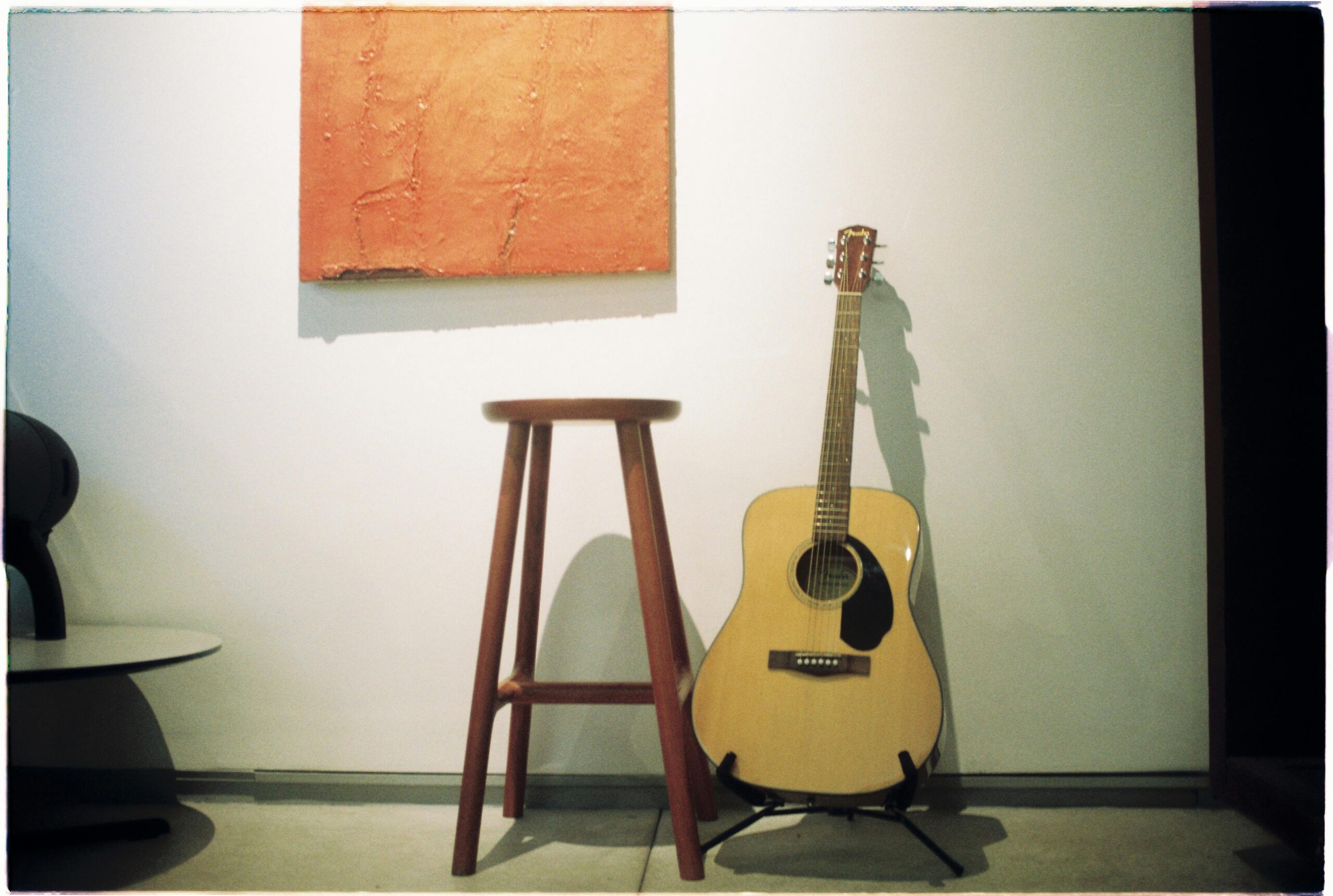
In a world drowning in noise, advanced active noise cancellation rooms are emerging as sanctuaries of silence, revolutionizing how we experience tranquility in our daily lives.

🔇 The Rising Need for Acoustic Sanctuaries in Modern Life
Our contemporary environment has become increasingly cacophonous. Urban centers buzz with traffic, construction, and human activity around the clock. Office spaces hum with ventilation systems, conversations, and electronic devices. Even our homes—once considered refuges from external chaos—are infiltrated by neighborhood sounds, appliances, and the persistent digital notifications that define modern existence.
This relentless auditory assault takes a measurable toll on human wellbeing. Research consistently demonstrates that chronic noise exposure elevates stress hormones, disrupts sleep architecture, impairs cognitive performance, and increases cardiovascular disease risk. The World Health Organization has identified environmental noise as a significant public health concern, second only to air pollution in its impact on European populations.
Traditional soundproofing methods—thick walls, acoustic panels, and sealed windows—offer partial solutions but come with limitations. They’re expensive, architecturally restrictive, and often insufficient against low-frequency vibrations that penetrate conventional barriers. This is precisely where active noise cancellation technology transcends passive approaches, creating a new paradigm in acoustic control.
Understanding the Science Behind Active Noise Cancellation Technology
Active Noise Cancellation (ANC) operates on an elegant principle called destructive interference. When a microphone detects incoming sound waves, sophisticated processors analyze their frequency, amplitude, and phase characteristics within milliseconds. The system then generates “anti-noise”—sound waves with identical amplitude but inverted phase—that collides with the original noise, effectively neutralizing it before it reaches your ears.
While this technology has existed in headphones for decades, scaling it to entire rooms presents exponential complexity. Room-scale ANC must account for multiple sound sources, reflective surfaces, standing waves, and the position of multiple occupants simultaneously. Advanced algorithms employ machine learning to predict sound propagation patterns and adjust anti-noise emissions across arrays of speakers positioned strategically throughout the space.
The Technical Components That Make Silence Possible
Modern ANC rooms integrate several cutting-edge technologies working in concert:
- Distributed microphone arrays: Multiple high-sensitivity microphones capture ambient noise from various positions, creating a comprehensive acoustic map of the environment
- Real-time digital signal processing: Powerful processors analyze incoming sound data and generate appropriate cancellation signals with latency measured in microseconds
- Spatially distributed speaker systems: Strategically placed transducers emit precisely calibrated anti-noise throughout the room’s volume
- Adaptive algorithms: Machine learning systems continuously optimize performance based on room acoustics and occupant positions
- Hybrid approaches: Combination of passive soundproofing with active cancellation maximizes effectiveness across all frequency ranges
The most sophisticated systems can reduce ambient noise by 30-40 decibels—transforming a busy city street’s roar into library-level quietude.
🏢 Revolutionary Applications Across Industries and Environments
The commercial and residential applications for ANC rooms extend far beyond simple noise reduction. These spaces are redefining possibilities across multiple sectors:
Corporate Productivity and Creative Workspaces
Forward-thinking companies are installing ANC rooms as premium amenities for employees requiring deep focus. Software developers working on complex algorithms, financial analysts conducting intricate modeling, and creative professionals developing innovative concepts all benefit tremendously from acoustic isolation. Studies show that workers in quiet environments demonstrate 48% fewer errors and complete tasks 66% faster than those in typical open-plan offices.
These spaces also serve as high-value meeting rooms where confidential discussions occur without acoustic leakage—a critical consideration for industries handling sensitive information.
Healthcare and Therapeutic Environments
Medical facilities are discovering profound benefits from ANC technology. Hospital recovery rooms equipped with noise cancellation promote faster healing, as quality sleep directly correlates with immune function and tissue repair. Mental health facilities utilize these spaces for therapy sessions, meditation practices, and treatments for conditions like tinnitus and hyperacusis.
Neurodivergent individuals, particularly those with autism spectrum disorders who experience sensory processing sensitivities, find remarkable relief in ANC environments. These rooms provide respite from overwhelming auditory stimuli that can trigger anxiety and meltdowns.
Educational Institutions and Learning Enhancement
Universities and research institutions are integrating ANC rooms into their facilities as dedicated study spaces. The cognitive benefits are substantial—students retain information more effectively and demonstrate improved comprehension when learning occurs in acoustically optimized environments. Testing centers particularly benefit, as standardized examinations require concentration that ambient noise severely compromises.
🏠 Bringing Serenity Home: Residential ANC Solutions
While commercial applications have led adoption, residential ANC systems are becoming increasingly accessible. Luxury homes now feature dedicated quiet rooms designed for meditation, remote work, or simply escaping household commotion. Urban apartments—where external noise presents perpetual challenges—benefit tremendously from retrofit ANC installations.
Modern residential systems offer remarkable flexibility. Smart home integration allows occupants to adjust noise cancellation levels, target specific frequency ranges, or create “acoustic profiles” for different activities. Some systems even incorporate sound masking, introducing gentle white noise or nature sounds that enhance relaxation beyond mere silence.
The Economics of Personal Acoustic Sanctuaries
Cost remains a consideration, though prices continue declining as technology matures. Professional installation of comprehensive room-scale ANC currently ranges from $15,000 to $50,000 depending on room size and system sophistication. However, modular systems and DIY solutions are emerging at more accessible price points, with portable units starting around $2,000.
When evaluating investment, consider the tangible benefits: improved sleep quality, enhanced productivity, reduced stress-related health issues, and increased property value. For many, these advantages justify the expenditure, particularly when weighed against alternatives like relocating to quieter neighborhoods.
⚡ Next-Generation Innovations Shaping the Future
The trajectory of ANC technology points toward even more impressive capabilities. Researchers are developing systems that can selectively cancel specific sounds while allowing others through—imagine eliminating traffic noise while preserving birdsong, or muting conversations while alarm sounds remain audible.
Artificial Intelligence and Predictive Noise Management
Machine learning algorithms are becoming increasingly sophisticated at predicting noise patterns. Systems learn daily rhythms—rush hour traffic, neighbor schedules, construction timeframes—and proactively optimize cancellation strategies before disturbances occur. This predictive approach reduces processing demands and improves effectiveness.
AI also enables personalization at unprecedented levels. Advanced systems create individual acoustic profiles for each user, learning their specific sensitivities and preferences. The same room can provide different acoustic experiences for different occupants based on their unique requirements.
Integration with Biometric Monitoring
Emerging systems incorporate physiological sensors that monitor stress indicators like heart rate variability and cortisol levels. When biometric data suggests elevated stress, the system automatically adjusts acoustic conditions to promote relaxation. This closed-loop approach represents a fundamental shift from passive environments to actively therapeutic spaces.
🌿 Psychological and Health Benefits of Silence
The human need for silence extends beyond mere preference—it’s biologically fundamental. Neuroscience research reveals that quiet environments activate the default mode network, brain regions associated with self-reflection, memory consolidation, and creative insight. Regular exposure to silence literally changes brain structure, promoting neurogenesis in the hippocampus.
Silence also triggers parasympathetic nervous system activation, the body’s “rest and digest” mode that counterbalances chronic stress responses. Blood pressure decreases, heart rate variability improves, and inflammatory markers decline when individuals spend time in genuinely quiet environments.
The Meditation and Mindfulness Connection
Contemplative practices benefit enormously from acoustic optimization. While experienced meditators can maintain focus amid distraction, beginners find silence essential for developing concentration skills. ANC rooms accelerate meditation learning curves and deepen existing practices by eliminating the continuous low-level attention demands that ambient noise creates.
Several meditation apps and programs are beginning to recommend ANC environments for optimal practice. The combination of guided instruction through headphones and room-scale noise cancellation creates immersive experiences that traditional meditation spaces cannot match.
🔧 Practical Considerations for Implementation
Successfully deploying ANC technology requires thoughtful planning. Room geometry significantly impacts performance—irregular shapes with varied surface textures generally outperform perfect rectangles with parallel walls. Material selection matters; combining active cancellation with passive absorption maximizes effectiveness across the frequency spectrum.
Professional Assessment and Installation
While enthusiast-level systems exist, professional acoustic consultation proves invaluable for optimal results. Specialists conduct detailed room analysis, measuring reverberation times, identifying problematic resonances, and modeling sound propagation patterns. This data informs speaker placement, microphone positioning, and system calibration.
Installation complexity varies considerably. Retrofit projects must work within existing architecture, sometimes requiring creative solutions for concealing equipment. New construction offers greater flexibility, allowing acoustic considerations to influence structural decisions from the design phase.
Maintenance and Operational Considerations
ANC systems require minimal ongoing maintenance, but periodic recalibration ensures optimal performance. Room furnishing changes, equipment relocations, or new external noise sources may necessitate adjustment. Most modern systems include self-diagnostic capabilities that alert users to performance degradation or component failures.
Energy consumption deserves consideration, though efficient systems typically draw less power than a desktop computer. Smart scheduling can limit operation to occupied periods, reducing electricity costs without compromising availability when needed.
🌍 Environmental and Sustainability Perspectives
The environmental implications of ANC technology present interesting considerations. On one hand, these systems consume electricity and require manufacturing resources. On the other, they enable comfortable living in acoustically challenging locations that might otherwise require relocation, potentially reducing urban sprawl and associated transportation emissions.
ANC rooms also support urban densification by making high-density living more tolerable. As cities accommodate growing populations, acoustic livability becomes crucial for preventing suburban expansion into natural areas.
💡 Making the Most of Your Silent Sanctuary
Owning an ANC room is merely the beginning—maximizing its benefits requires intentional use. Establishing routines that incorporate regular silence exposure yields greater benefits than occasional, haphazard use. Consider scheduling dedicated quiet periods for focused work, creative endeavors, or simple restoration.
Experiment with different applications. Use your silent space for activities ranging from intense concentration tasks to power naps, from musical practice to difficult conversations requiring full attention. The versatility of these environments means their value extends across multiple life domains.
Some users find that complete silence initially feels uncomfortable or even unsettling. This reaction reflects how normalized constant noise has become in modern life. Gradually increasing exposure allows adaptation, with most people developing profound appreciation for silence within weeks of regular access.
🎯 Selecting the Right System for Your Needs
The ANC market offers diverse options across price ranges and capability levels. Entry-level systems provide basic noise reduction suitable for home offices and bedrooms. Mid-range solutions offer greater customization and effectiveness for dedicated quiet rooms. Premium systems deliver comprehensive control for demanding professional applications.
Key evaluation criteria include frequency response range (particularly low-frequency effectiveness), adaptive capability, spatial coverage, and integration options. Request demonstrations when possible, as subjective experience varies among individuals. What one person finds perfectly silent, another might perceive differently based on hearing sensitivity and acoustic preferences.
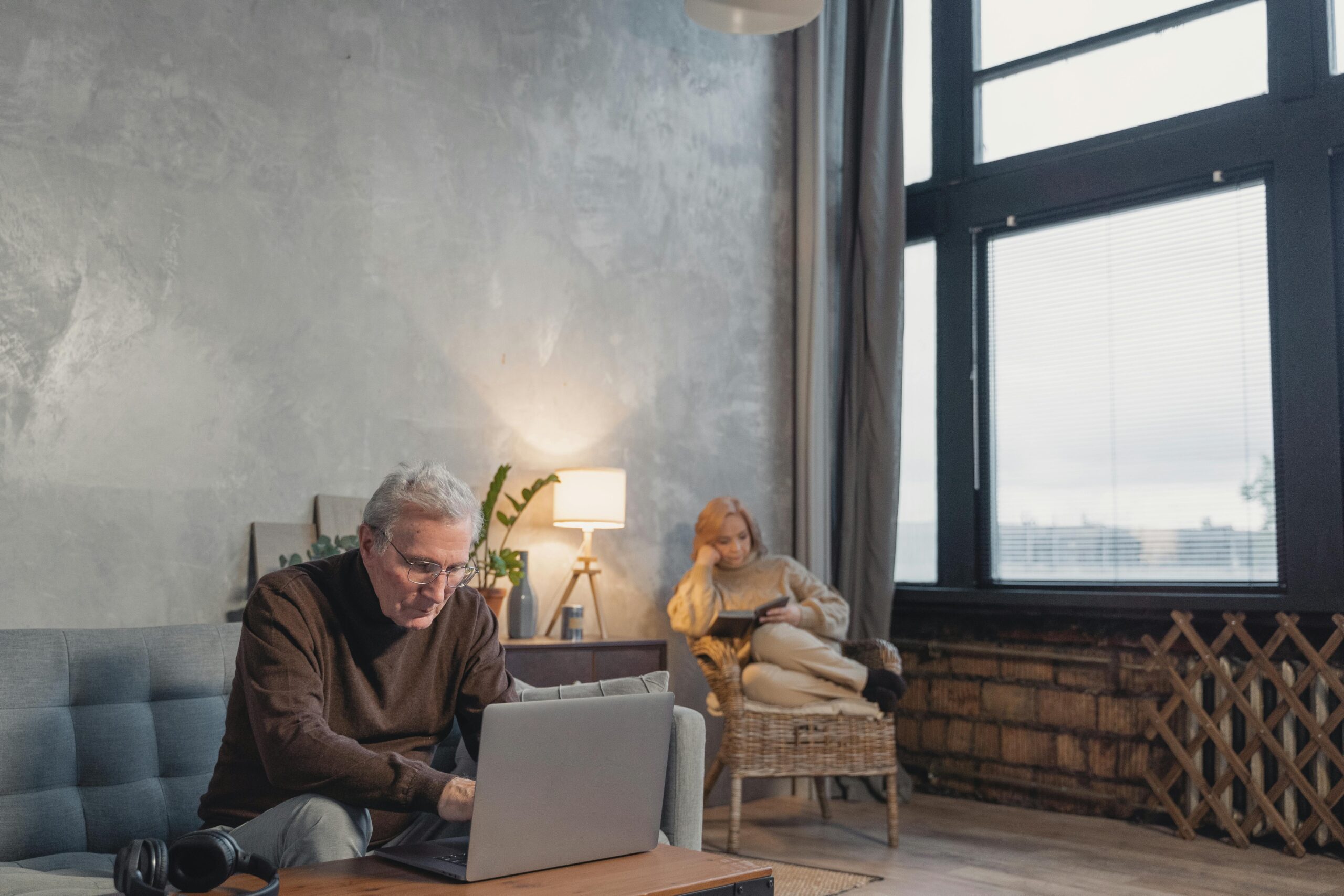
🚀 The Silent Revolution Ahead
Active noise cancellation rooms represent more than technological achievement—they embody recognition that acoustic environment fundamentally shapes human experience. As urbanization intensifies and noise pollution worsens, these spaces will transition from luxury amenities to essential infrastructure for mental health and productivity.
The democratization of this technology continues accelerating. What once required research laboratory resources now fits within reach of individuals and small organizations. As economies of scale reduce costs and standardization simplifies installation, ANC rooms will become increasingly commonplace.
Perhaps most significantly, widespread access to silence may catalyze cultural shifts in how we value quiet. Currently, noise is often accepted as inevitable—the unavoidable cost of modern civilization. Experiencing true silence reveals alternatives, potentially inspiring broader societal commitment to acoustic ecology and sound urban planning.
The future of serenity lies not in escaping to remote wilderness, but in creating oases of tranquility within our existing environments. Advanced active noise cancellation makes this vision achievable, offering everyone the restorative power of silence regardless of their circumstances. In embracing this technology, we reclaim something fundamental to human wellbeing that modern life has steadily eroded—the simple, profound experience of peace and quiet.