
Modern technology has revolutionized how we interact with our homes, offering unprecedented levels of comfort, security, and efficiency through intelligent automation systems.

🏠 The Revolution of Connected Living Spaces
Smart home integration represents far more than just a technological trend—it’s a fundamental shift in how we experience our living environments. Today’s homeowners are discovering that seamless connectivity between devices creates an ecosystem that anticipates needs, saves energy, and provides peace of mind. The promise of a truly integrated smart home is no longer reserved for tech enthusiasts or luxury properties; it’s becoming an accessible reality for households across all demographics.
The beauty of modern smart home technology lies in its ability to work invisibly in the background. Gone are the days of complicated programming or multiple incompatible systems. Contemporary solutions focus on intuitive interfaces, voice control, and automation that learns from your habits. Whether you’re looking to enhance security, reduce energy costs, or simply add convenience to daily routines, smart home integration offers tangible benefits that improve quality of life.
Understanding the Smart Home Ecosystem
A truly integrated smart home functions as a cohesive unit rather than a collection of isolated gadgets. The foundation of this ecosystem rests on three critical components: a central hub or control system, compatible devices, and reliable connectivity. Understanding how these elements work together is essential for creating a seamless experience that delivers on the promise of home automation.
The Central Hub: Your Home’s Digital Brain
Every effective smart home needs a central point of control. This hub serves as the command center, facilitating communication between devices and enabling coordinated actions. Popular options include dedicated smart home hubs, voice assistants like Amazon Alexa or Google Assistant, or comprehensive platforms like Samsung SmartThings. The right hub depends on your specific needs, existing devices, and preferred interaction methods.
Modern hubs have evolved to support multiple communication protocols, ensuring compatibility with a wide range of devices. They enable complex automations, such as having your lights gradually brighten at sunrise, your thermostat adjust based on occupancy, and your coffee maker start brewing when your morning alarm sounds. This orchestration of multiple devices creates the seamless experience that defines true smart home integration.
Connectivity: The Invisible Foundation
Reliable connectivity forms the backbone of any smart home system. Most devices rely on Wi-Fi, Bluetooth, Zigbee, or Z-Wave protocols to communicate. A robust home network with sufficient bandwidth and coverage is non-negotiable for maintaining consistent performance. Many homeowners find that upgrading to mesh Wi-Fi systems dramatically improves their smart home experience by eliminating dead zones and ensuring every device maintains a stable connection.
🔐 Security and Peace of Mind Through Integration
One of the most compelling reasons to embrace smart home technology is the enhanced security it provides. Integrated security systems offer capabilities that traditional solutions simply cannot match, giving homeowners unprecedented visibility and control over their property’s protection.
Smart security cameras with AI-powered detection can distinguish between family members, visitors, and potential threats. They send real-time alerts to your smartphone, allowing you to monitor your property from anywhere in the world. Video doorbells let you see and speak with visitors remotely, deterring package theft and providing evidence if incidents occur. Smart locks eliminate concerns about lost keys and allow you to grant temporary access to guests or service providers without physical key exchange.
The true power emerges when these security components work together. An integrated system might automatically lock all doors at bedtime, arm security cameras, adjust lighting to simulate occupancy when you’re away, and send notifications if unusual activity is detected. This coordinated approach creates multiple layers of protection that significantly enhance home security.
💡 Intelligent Lighting That Adapts to Your Life
Smart lighting represents one of the most accessible and immediately gratifying aspects of home automation. Beyond simple on-off control via smartphone, intelligent lighting systems create ambiance, enhance security, and contribute to energy efficiency in ways that transform how you experience your home.
Modern smart bulbs and switches offer millions of color options and adjustable brightness levels. You can create custom scenes for different activities—bright, cool white light for working, warm amber tones for relaxing, or vibrant colors for entertaining. Scheduling features ensure lights turn on before you arrive home and off after you leave, while motion sensors can activate lighting in hallways and closets only when needed.
Circadian Lighting for Better Health
Advanced smart lighting systems can synchronize with your body’s natural rhythms. Circadian lighting automatically adjusts color temperature throughout the day—energizing cooler tones in the morning, neutral light during midday, and warmer hues in the evening that promote relaxation and better sleep. This seemingly simple feature can significantly impact mood, productivity, and overall wellbeing.
🌡️ Climate Control That Thinks Ahead
Smart thermostats have become the poster child for home automation that delivers real financial returns. These devices learn your schedule and preferences, automatically adjusting temperatures to balance comfort and efficiency. The best models can detect when you’re home or away using geofencing technology, ensuring you never waste energy heating or cooling an empty house.
Integration with other smart home devices elevates climate control to new levels. Your thermostat might work with window sensors to adjust settings when windows are open, coordinate with smart blinds to optimize solar heat gain, or integrate with your smart speaker to respond to voice commands. Some systems even analyze weather forecasts to pre-heat or pre-cool your home efficiently.
The energy savings can be substantial. Many users report reducing heating and cooling costs by 15-25% after installing a smart thermostat. Beyond financial benefits, the convenience of always arriving to a comfortable home without manually adjusting settings represents a quality-of-life improvement that’s difficult to quantify but immediately noticeable.
🎵 Entertainment Systems That Flow Throughout Your Home
Integrated audio and video systems create seamless entertainment experiences that follow you from room to room. Multi-room audio allows you to play the same music throughout your home or different content in each space, all controlled from a single app or voice command. Modern systems deliver high-quality sound without the complexity of traditional whole-home audio installations.
Smart TVs and streaming devices integrate with broader home automation systems, enabling scenarios like automatically dimming lights and closing blinds when you start a movie. Voice control means you can search for content, adjust volume, or switch inputs without fumbling for remotes in the dark.
⚡ Energy Management for Sustainability and Savings
Smart home integration provides unprecedented visibility into energy consumption patterns. Smart plugs and energy monitors reveal which devices consume the most power, helping you identify opportunities for savings. Automated schedules ensure devices aren’t left running unnecessarily, while intelligent appliances operate during off-peak hours when electricity rates are lower.
Solar panel systems with smart inverters and battery storage can integrate with home automation platforms, optimizing energy usage based on production, storage levels, and grid conditions. This holistic approach to energy management not only reduces utility bills but also minimizes environmental impact—a growing priority for many homeowners.
🗣️ Voice Control: The Interface That Changes Everything
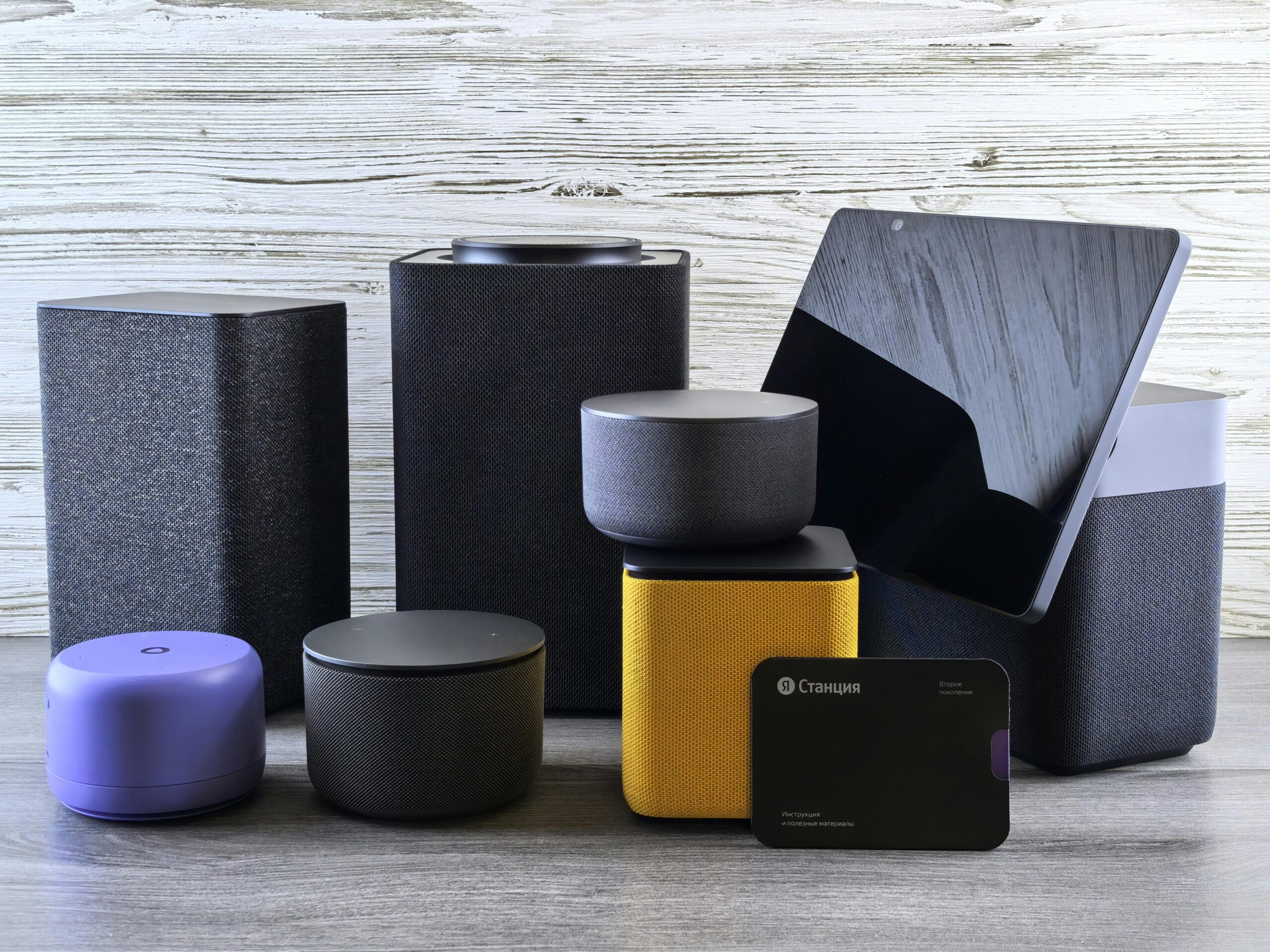
Voice assistants have transformed smart home interaction from novelty to necessity. Being able to control lights, adjust temperature, lock doors, or play music using natural language eliminates friction from daily routines. The hands-free nature is particularly valuable when cooking, carrying items, or managing children.
The capabilities extend far beyond simple device control. You can create custom routines triggered by single phrases—”Good morning” might open blinds, start your coffee maker, read the weather forecast, and provide traffic updates for your commute. “Goodnight” could lock doors, arm security systems, adjust the thermostat, and turn off all lights throughout the house.
Multi-room voice control means assistance is available wherever you are. Strategic placement of smart speakers or displays ensures you’re never more than a few feet from the ability to control your home environment through conversation.
🛠️ Building Your Smart Home: A Practical Approach
Creating a comprehensive smart home might seem overwhelming, but the key is starting small and expanding strategically. Begin with devices that address your highest priorities—security, energy savings, or convenience. As you become comfortable with these initial components, you can gradually add complementary devices that enhance functionality.
Prioritizing Compatibility and Ecosystems
Before purchasing devices, research compatibility with your chosen control platform. While many devices work with multiple ecosystems, some features may be limited outside their native environment. Standardization efforts like Matter are improving cross-platform compatibility, but it’s still important to verify that new devices will integrate seamlessly with your existing setup.
Network Infrastructure Matters
Don’t underestimate the importance of robust network infrastructure. A reliable, high-speed internet connection and comprehensive Wi-Fi coverage are essential. Consider upgrading to a mesh network system if your current router doesn’t provide strong signals throughout your home. Many smart home frustrations stem from connectivity issues rather than device problems.
🔮 The Future of Connected Homes
Smart home technology continues evolving rapidly. Artificial intelligence and machine learning are enabling systems that don’t just respond to commands but anticipate needs based on patterns and context. Future homes will be increasingly proactive, adjusting environments automatically without requiring explicit instructions.
Integration with electric vehicles, advanced health monitoring, and augmented reality interfaces represent emerging frontiers. As 5G networks mature and edge computing becomes more prevalent, smart homes will process data faster and respond more intelligently to changing conditions.
Privacy and security considerations will remain paramount as homes become more connected. Manufacturers are implementing stronger encryption, local processing options, and transparent data policies to address these concerns. Homeowners should prioritize devices from reputable companies with proven security track records.
💭 Making Smart Choices for Your Connected Home
The transformation of your living space through smart home integration offers benefits that extend far beyond technological novelty. Enhanced security provides genuine peace of mind. Energy management delivers measurable cost savings while reducing environmental impact. Convenience features eliminate minor daily frustrations that collectively consume significant time and mental energy.
Success requires thoughtful planning rather than impulsive gadget accumulation. Define clear objectives for what you want to achieve. Research thoroughly to ensure compatibility and avoid devices that will become orphaned if manufacturers discontinue support. Start with foundational elements and expand methodically as you identify additional needs and opportunities.
The most effective smart homes feel natural rather than technological. When automation works seamlessly in the background, you stop thinking about the technology and simply enjoy the enhanced living experience it enables. Lights illuminate your path without conscious thought. Temperature adjusts to maintain perfect comfort. Security systems watch over your property while you focus on what matters most.
As you embark on your smart home journey, remember that the goal isn’t to have the most devices or the most complex automations. The true measure of success is whether your home better serves your needs, adapts to your lifestyle, and enhances your daily experience. Technology should fade into the background, leaving you with more time, greater comfort, and genuine peace of mind.
The future of home living is here, offering unprecedented levels of convenience, efficiency, and control. By thoughtfully integrating smart technology into your living space, you’re not just adopting new gadgets—you’re fundamentally transforming how your home supports and enhances your life. The possibilities are vast, the benefits are tangible, and the time to begin is now.