Modern homes buzz with activity, conversations, appliances, and entertainment systems creating an overwhelming symphony. Managing this acoustic chaos across multiple rooms has become essential for maintaining sanity and creating harmonious living spaces.

🏡 Understanding the Modern Soundscape Challenge
Today’s households face unprecedented noise management challenges. Open floor plans, thin walls, multiple entertainment systems, and simultaneous activities create a complex acoustic environment that demands thoughtful control. Whether you’re working from home while kids play video games, or trying to enjoy quiet reading time as someone practices music, the struggle is real and universally experienced.
The concept of multi-room noise management extends beyond simple soundproofing. It encompasses strategic planning, smart technology integration, behavioral adjustments, and sometimes architectural modifications. Understanding how sound travels through your home provides the foundation for implementing effective solutions that work harmoniously together.
Sound waves don’t respect boundaries the way we’d like them to. They travel through air, walls, floors, ceilings, and even ventilation systems. They reflect off hard surfaces, absorb into soft materials, and can build up in certain spaces creating uncomfortable resonances. Mastering your home’s soundscape requires understanding these physical properties while implementing practical solutions.
🔊 Identifying Your Home’s Acoustic Weak Points
Every home has unique acoustic characteristics determined by construction materials, layout, furnishings, and usage patterns. Begin your noise management journey by conducting a thorough acoustic audit. Walk through each room during different times of day, noting when and where noise becomes problematic.
Common trouble spots include shared walls between bedrooms and entertainment areas, open staircases that channel sound between floors, hardwood or tile floors that reflect sound aggressively, and spaces with minimal furnishings that lack sound absorption. Kitchen noise often travels extensively due to hard surfaces and open connections to living areas.
Pay attention to external noise sources as well. Street traffic, neighboring properties, and outdoor mechanical systems contribute to your overall soundscape. Understanding the complete picture allows you to prioritize interventions and allocate resources effectively toward solutions that deliver maximum impact.
🎯 Strategic Room-by-Room Sound Zoning
Implementing effective multi-room noise management starts with thoughtful zoning. Designate quiet zones, moderate activity areas, and spaces where higher noise levels are acceptable. This functional organization helps family members understand expectations and makes enforcement more natural.
Creating Sanctuary Spaces
Bedrooms, home offices, and reading nooks typically require the quietest environments. Position these spaces away from high-traffic areas and noisy appliances when possible. If your layout doesn’t allow ideal positioning, compensate with enhanced soundproofing measures in these critical rooms.
Consider implementing white noise systems or ambient sound generators in sanctuary spaces. These devices mask intermittent disruptive sounds by providing consistent background noise that helps concentration and relaxation. Many people find nature sounds, gentle rainfall, or low-frequency hums particularly effective for creating peaceful environments.
Containing Active Zones
Entertainment rooms, playrooms, and kitchens generate the most household noise. Contain this acoustic energy through strategic design choices. Heavy curtains, upholstered furniture, area rugs, and wall hangings all absorb sound rather than reflecting it throughout your home.
For dedicated entertainment spaces, consider acoustic panels designed specifically for home theaters. These professionally engineered solutions control echoes and prevent sound leakage while actually improving audio quality within the room itself. The investment pays dividends in both noise management and entertainment experience.
🛠️ Practical Soundproofing Techniques That Actually Work
Effective soundproofing doesn’t always require major renovations. Many accessible solutions deliver significant improvements when properly implemented. Understanding the difference between sound blocking and sound absorption helps you choose appropriate techniques for specific situations.
Door and Window Treatments
Doors and windows represent the weakest points in most walls for sound transmission. Weatherstripping designed for sound control creates better seals around door frames. Door sweeps eliminate gaps at the bottom where sound readily escapes. For particularly problematic doors, consider solid-core replacements that provide substantially better sound blocking than hollow-core versions.
Window treatments serve dual purposes for noise control. Cellular shades trap air in honeycomb structures, creating insulating barriers against sound. Heavy, multi-layered curtains with sound-dampening materials significantly reduce both incoming and outgoing noise. For extreme situations, acoustic window inserts provide additional glazing layers without replacing existing windows.
Wall Enhancement Strategies
Adding mass to walls improves sound blocking dramatically. Mass-loaded vinyl represents an effective solution that doesn’t require complete wall reconstruction. This dense, flexible material installs behind existing drywall or directly under new finishes, adding substantial sound-blocking capability without consuming much space.
Acoustic panels and foam treatments work differently by absorbing sound within rooms rather than blocking transmission. These solutions reduce echoes and reverberations, making spaces feel quieter even without preventing sound from leaving. Strategically placed absorption materials create more pleasant acoustic environments throughout your home.
Floor and Ceiling Considerations
Impact noise from footsteps, dropped items, and furniture movement travels efficiently through floors. Thick area rugs with quality padding provide immediate improvement. For more comprehensive solutions, specialized underlayment materials installed beneath flooring create decoupling layers that interrupt sound transmission between levels.
Ceiling treatments in lower-level rooms complement floor interventions above. Acoustic ceiling tiles, suspended fabric panels, and even strategically arranged furniture all contribute to controlling sound that would otherwise reflect and amplify. Multi-story homes particularly benefit from coordinated floor-ceiling noise management approaches.
📱 Smart Technology for Intelligent Sound Management
Modern technology offers sophisticated solutions for managing multi-room soundscapes. Smart home systems coordinate audio sources, monitor noise levels, and automate responses based on time, location, and activity. These integrated approaches deliver convenience while maintaining peaceful environments.
Centralized Audio Systems
Whole-home audio systems allow precise volume control for each zone while maintaining audio quality. Family members enjoy their preferred content without disturbing others. Advanced systems automatically adjust volumes based on time of day or detected activity in adjacent spaces.
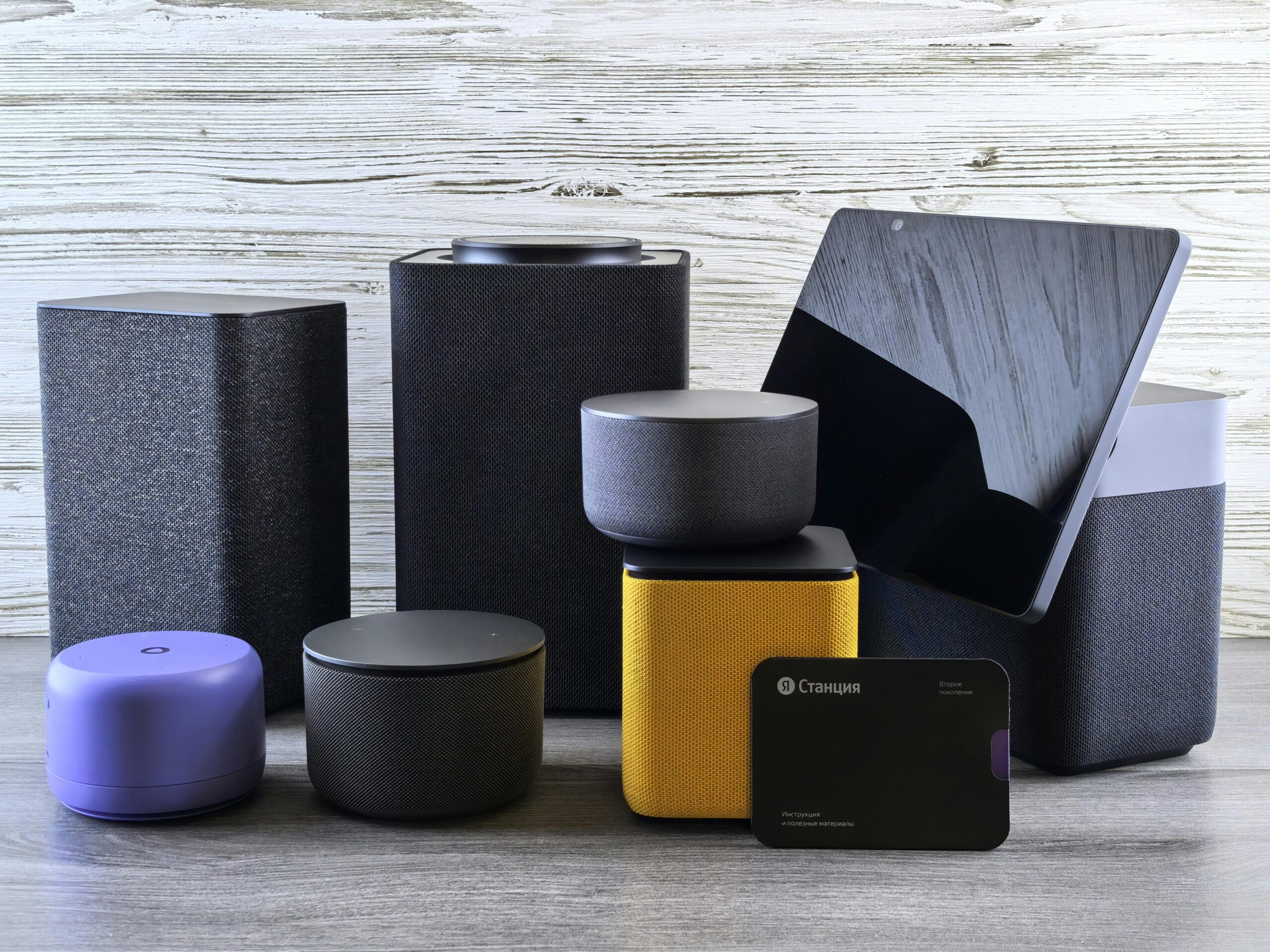
Streaming platforms and multi-room speakers have democratized sophisticated audio distribution. Systems from various manufacturers enable independent control of music, podcasts, and other audio content in different rooms simultaneously. The ability to group speakers, adjust individual volumes, and schedule quiet hours transforms household sound management.
Noise Monitoring Applications
Specialized apps measure sound levels throughout your home, providing objective data about your acoustic environment. This information helps identify problem areas, evaluate the effectiveness of interventions, and maintain awareness of noise levels that might disturb household members or neighbors.
Sound level meters on smartphones help establish baseline measurements and track improvements as you implement various solutions. Regular monitoring creates awareness and encourages noise-conscious behavior among all household members. Visual feedback often proves more effective than subjective complaints about noise levels.
🤝 Establishing Household Sound Etiquette
Technology and physical modifications only succeed when combined with thoughtful household practices. Establishing clear expectations and fostering mutual respect for shared acoustic space creates the cultural foundation for peaceful multi-room living.
Communication and Scheduling
Regular family discussions about noise needs prevent conflicts before they arise. When someone requires quiet for important work or rest, advance notice allows others to plan noisy activities accordingly. Shared calendars marking quiet hours, practice times, and social events help coordinate household activities with minimal friction.
Consider implementing quiet hours during early mornings, late evenings, and specific work periods. These designated times don’t require complete silence but establish expectations for reduced volume and awareness. Even young children can learn to respect quiet hours when consistently reinforced.
Headphone Culture
Encouraging personal audio device usage dramatically reduces household noise conflicts. Quality headphones deliver superior listening experiences while completely eliminating sound transmission to other spaces. Establishing expectations that gaming, video streaming, and music listening default to headphone use creates harmonious coexistence.
Wireless headphones enhance this approach by eliminating cord constraints that limited earlier generations. Multiple family members can enjoy their preferred audio content simultaneously in shared spaces without any acoustic interference. This simple behavioral shift often delivers more immediate improvement than expensive physical modifications.
🎨 Acoustic Design Integration with Interior Aesthetics
Effective noise management doesn’t require sacrificing visual appeal. Many sound-control solutions integrate seamlessly with contemporary interior design, often enhancing aesthetic qualities while improving acoustic performance. Thoughtful selection and placement create spaces that both look and sound exceptional.
Fabric wall panels come in unlimited colors, patterns, and textures, functioning as both art and acoustic treatment. Suspended sculptural elements break up sound reflections while serving as striking visual focal points. Bookshelves filled with varied items create irregular surfaces that diffuse sound naturally while adding character and functionality.
Plants contribute to noise control through their irregular surfaces and sound-absorbing properties. Larger specimens with dense foliage positioned strategically throughout living spaces reduce echoes and create psychological barriers between activity zones. The added benefits of improved air quality and biophilic design make plants exceptional multi-purpose solutions.
🔧 Advanced Solutions for Persistent Problems
Some situations require more intensive interventions beyond basic soundproofing techniques. Understanding when to invest in comprehensive solutions versus accepting limitations helps maintain realistic expectations while achieving meaningful improvements.
Room-Within-Room Construction
For serious isolation requirements like home recording studios or practice spaces, decoupled construction creates actual physical separation between structures. These room-within-room designs use independent framing systems that don’t touch existing walls, floors, or ceilings, preventing vibration transmission that carries sound between spaces.
This approach represents significant investment in both money and space, typically justified only for professional applications or extreme situations. However, the results deliver isolation impossible to achieve through surface treatments alone. Consider consulting acoustic engineers for proper design and implementation of such comprehensive solutions.
HVAC System Modifications
Heating and cooling ductwork can channel sound throughout homes like acoustic highways. Inline duct silencers, flexible connections that prevent vibration transmission, and strategic placement of sound baffles significantly reduce HVAC-related noise transfer. These modifications require professional installation but deliver substantial improvements in homes where ductwork contributes to noise problems.
Variable speed HVAC systems operate more quietly than traditional single-speed equipment. When replacing aging systems, prioritize quiet operation specifications. The daily benefit of reduced mechanical noise contributes significantly to overall household tranquility, making this consideration worthwhile during system upgrades.
🌙 Creating Nighttime Acoustic Harmony
Evening and nighttime present unique soundscape challenges when some household members sleep while others remain active. Successful multi-room noise management must address these temporal differences in space usage and acoustic needs.
Establish clear nighttime protocols that balance individual freedom with collective consideration. Gradual volume reductions as evening progresses help transition households toward quieter modes without abrupt changes that feel restrictive. Visual indicators like dimmed lighting can signal these transitions naturally.
White noise machines in bedrooms mask incidental sounds from active areas, allowing sleepers to rest undisturbed while others enjoy reasonable activity levels. These devices prove particularly valuable in homes with early risers or night owls whose schedules differ significantly from other household members.
💡 Long-Term Maintenance of Your Sound Management System
Effective multi-room noise management requires ongoing attention rather than one-time implementation. Regular assessments ensure continued effectiveness as household needs evolve, materials age, and living patterns change over time.
Periodically evaluate your soundproofing materials for wear, compression, or degradation that reduces effectiveness. Weather stripping around doors and windows deteriorates with use and requires periodic replacement. Acoustic panels accumulate dust that diminishes performance, necessitating regular cleaning according to manufacturer specifications.
As children grow, household dynamics change, or work patterns evolve, reassess your acoustic zones and management strategies. Solutions that worked perfectly during one life stage may require adjustment as circumstances change. Maintaining flexibility and willingness to adapt ensures your sound management system continues serving your household effectively.

🌟 The Peace Dividend: Benefits Beyond Quiet
Mastering your home’s soundscape delivers benefits extending far beyond simple noise reduction. Improved acoustic environments enhance concentration, reduce stress, improve sleep quality, and foster better relationships among household members. These quality-of-life improvements justify the effort and investment required for comprehensive sound management.
Controlled acoustic environments improve work-from-home productivity by minimizing distractions and creating professional spaces for video calls. Students concentrate better on homework without competing noise sources. Even leisure activities become more enjoyable when pursued without acoustic interference or guilt about disturbing others.
The psychological impact of acoustic control shouldn’t be underestimated. Knowing you can retreat to genuinely quiet spaces when needed provides comfort even when you don’t actively use those spaces. This sense of acoustic sovereignty within your own home contributes significantly to overall well-being and satisfaction with your living environment.
Implementing comprehensive multi-room noise management transforms houses into harmonious homes where every family member can pursue their activities without compromising others’ peace. Through strategic planning, appropriate technology, physical modifications, and thoughtful household practices, you create acoustic environments that support diverse activities simultaneously. The investment in mastering your soundscape pays continuous dividends in improved quality of life, making your home a true sanctuary from the noisy world beyond its walls.