
Achieving peak performance in any technical system requires more than just initial installation—it demands expert calibration and flawless setup processes that transform potential into measurable results.

🎯 Why Calibration is the Foundation of Excellence
In today’s technology-driven landscape, the difference between mediocre and exceptional performance often comes down to precision. Whether you’re dealing with industrial machinery, scientific instruments, audio equipment, or sophisticated software systems, calibration serves as the cornerstone that ensures everything operates at optimal levels.
Calibration is not simply a technical checkbox—it’s a comprehensive approach to ensuring accuracy, consistency, and reliability. When systems are properly calibrated, they deliver predictable results, minimize errors, and extend operational lifespan. This precision becomes particularly critical in environments where even minor deviations can lead to significant consequences.
The investment in proper calibration pays dividends across multiple dimensions. Organizations that prioritize meticulous setup processes experience fewer failures, reduced downtime, and improved product quality. More importantly, they gain the competitive advantage that comes from systems performing exactly as intended, every single time.
Understanding the Science Behind Precise Calibration
Calibration fundamentally involves comparing measurements from your instrument or system against a known standard. This reference standard must be traceable to national or international measurement standards, ensuring that your calibration has legitimacy and universal applicability.
The calibration process identifies deviations between the instrument’s readings and the true values represented by the standard. Once these discrepancies are documented, technicians can make adjustments to bring the system into alignment. This systematic approach creates a documented chain of accuracy that organizations can rely upon.
Modern calibration methodologies incorporate sophisticated algorithms and automation technologies that enhance precision beyond what manual processes could achieve. Digital calibration systems can detect minute variations that human operators might miss, enabling corrections at microscopic levels of accuracy.
The Critical Components of Effective Calibration
Several key elements must align for calibration to deliver its full value. First, the calibration standards themselves must be regularly verified and certified by accredited laboratories. These standards form the baseline against which all other measurements are judged, making their accuracy paramount.
Environmental conditions play an equally vital role. Temperature fluctuations, humidity variations, vibrations, and electromagnetic interference can all affect calibration accuracy. Controlled environments that minimize these variables ensure that calibration results remain valid over extended periods.
Documentation represents another critical component. Comprehensive records of calibration procedures, results, adjustments, and schedules create an audit trail that demonstrates compliance and facilitates troubleshooting when issues arise.
⚙️ Seamless Setup Processes: Beyond Basic Installation
While calibration addresses precision, the broader setup process encompasses all the steps required to transition a system from delivery to full operational capacity. A seamless setup process minimizes time-to-value while establishing the foundation for long-term success.
Effective setup begins long before physical installation. Planning phases should identify requirements, assess environmental factors, evaluate integration needs, and establish success criteria. This preparatory work prevents costly surprises and ensures that all necessary resources are available when installation begins.
The installation phase itself demands meticulous attention to manufacturer specifications, safety protocols, and best practices developed through industry experience. Rushing through installation or taking shortcuts almost always results in suboptimal performance and premature failures.
Creating Standardized Setup Protocols
Organizations that repeatedly install similar systems benefit enormously from standardized setup protocols. These documented procedures capture institutional knowledge, reduce variability between installations, and accelerate the setup process without sacrificing quality.
Standardized protocols should include detailed checklists, configuration templates, testing procedures, and troubleshooting guides. When new team members can follow these protocols with confidence, organizations become less dependent on individual expertise and more resilient to staff changes.
Continuous improvement should be embedded within these protocols. After each installation, teams should conduct brief retrospectives to identify lessons learned and opportunities for refinement. This iterative approach ensures that setup processes evolve alongside technology and organizational needs.
🔧 Industry-Specific Calibration Requirements
Different industries face unique calibration challenges that demand specialized approaches. Understanding these sector-specific requirements helps organizations allocate resources appropriately and achieve compliance with relevant regulations.
Manufacturing and Industrial Equipment
Manufacturing environments require calibration of measuring instruments, sensors, gauges, and testing equipment that verify product specifications. Torque wrenches, pressure gauges, temperature probes, and dimensional measuring tools all need regular calibration to ensure products meet quality standards.
Industrial automation systems demand calibration of programmable logic controllers, servo motors, and robotic systems. Even slight deviations in these systems can accumulate, leading to defects, waste, and safety hazards. Preventive calibration schedules prevent these issues before they impact production.
Laboratory and Scientific Instruments
Laboratories depend on calibrated equipment for valid experimental results. Analytical balances, spectrophotometers, pH meters, and chromatography systems require calibration at intervals determined by usage frequency and criticality of measurements.
Accreditation standards like ISO/IEC 17025 mandate documented calibration programs with traceability to international standards. Laboratories that fail to maintain proper calibration risk losing accreditation and having research results questioned.
Healthcare and Medical Devices
Medical equipment calibration directly impacts patient safety and diagnostic accuracy. Blood pressure monitors, infusion pumps, defibrillators, imaging equipment, and laboratory analyzers all require rigorous calibration schedules.
Regulatory bodies like the FDA impose strict calibration requirements on medical device manufacturers and healthcare facilities. Non-compliance can result in recalls, fines, and legal liability in addition to compromising patient care.
📊 Measuring the Impact of Proper Calibration
Quantifying the benefits of calibration helps justify investments and demonstrates value to stakeholders. Several key performance indicators reveal calibration’s impact on organizational performance.
Product quality metrics often show immediate improvement following calibration programs. Defect rates decline, rework decreases, and customer complaints diminish as measurement accuracy improves. These quality improvements typically translate directly to cost savings and enhanced reputation.
Operational efficiency gains manifest through reduced downtime, fewer emergency repairs, and extended equipment lifespan. Properly calibrated systems operate within design parameters, minimizing stress on components and preventing premature failures.
Compliance metrics demonstrate adherence to regulatory requirements and industry standards. Organizations with robust calibration programs pass audits more consistently and avoid costly penalties associated with non-compliance.
Building the Business Case for Calibration Investment
Decision-makers evaluating calibration investments should consider both direct and indirect returns. Direct returns include avoided costs from product recalls, warranty claims, and regulatory fines. These tangible savings often exceed calibration program costs within a single year.
Indirect benefits encompass improved customer satisfaction, enhanced brand reputation, and increased employee confidence in equipment reliability. While harder to quantify, these factors contribute substantially to long-term competitive positioning.
Risk mitigation represents another critical consideration. In industries where measurement errors can cause safety incidents or environmental damage, calibration serves as essential insurance against catastrophic outcomes and associated liabilities.
🚀 Leveraging Technology for Calibration Excellence
Technological advances have transformed calibration from a manual, labor-intensive process into a sophisticated, data-driven discipline. Modern calibration management systems automate scheduling, track calibration history, and generate compliance reports.
Cloud-based calibration platforms enable centralized management across multiple facilities, providing real-time visibility into calibration status and compliance across the organization. These systems send automatic reminders when calibration due dates approach, preventing lapses in coverage.
Internet of Things (IoT) sensors and connected instruments enable condition-based calibration strategies. Rather than calibrating on fixed schedules regardless of actual instrument condition, organizations can calibrate based on usage patterns, environmental exposure, and drift detection.
Artificial Intelligence in Calibration Processes
Artificial intelligence and machine learning algorithms are beginning to revolutionize calibration by predicting when instruments will drift out of specification. These predictive models analyze historical calibration data, usage patterns, and environmental factors to optimize calibration intervals.
AI-powered systems can also detect anomalies that might indicate instrument malfunction or environmental problems affecting calibration stability. Early detection enables proactive intervention before measurement accuracy degrades significantly.
Automated calibration systems incorporating AI reduce human error, increase consistency, and free skilled technicians to focus on complex troubleshooting and process improvement rather than routine calibration tasks.
🎓 Training and Competency Development
Technology alone cannot ensure calibration excellence—skilled personnel remain essential. Comprehensive training programs develop the competencies needed to execute calibration procedures correctly and interpret results accurately.
Entry-level training should cover fundamental measurement concepts, calibration principles, proper handling of standards, documentation requirements, and safety protocols. Hands-on practice under supervision builds confidence and competence before technicians work independently.
Advanced training addresses specialized equipment, complex calibration procedures, troubleshooting techniques, and regulatory compliance requirements. Ongoing professional development keeps teams current with evolving technologies and best practices.
Certification and Professional Recognition
Professional calibration certifications from organizations like ASQ or NCSLI demonstrate competency and commitment to excellence. Certified technicians typically perform more accurate calibrations, make fewer errors, and require less supervision.
Organizations should encourage and support certification pursuits through study time, exam fees, and continuing education opportunities. The investment in certified staff pays returns through improved calibration quality and enhanced credibility with customers and auditors.
💡 Common Calibration Pitfalls and How to Avoid Them
Even well-intentioned calibration programs can fall short if common mistakes aren’t recognized and addressed. Awareness of these pitfalls enables proactive prevention rather than reactive correction.
Inadequate calibration intervals represent a frequent problem. Equipment calibrated too infrequently may drift out of specification between calibrations, producing invalid measurements. Conversely, excessive calibration frequency wastes resources without providing additional benefit.
Using uncertified or expired calibration standards undermines the entire process. Standards must be traceable to national metrology institutes and calibrated more frequently than the instruments they’re used to calibrate. Organizations should maintain strict control over standard certification status.
Environmental neglect during calibration introduces errors that invalidate results. Temperature-controlled calibration areas, vibration isolation, and proper acclimatization time for instruments and standards are essential for accurate calibration.
Documentation Deficiencies
Incomplete or inaccurate calibration records create compliance vulnerabilities and limit troubleshooting capabilities. Every calibration should be documented with instrument identification, date, technician, standards used, environmental conditions, as-found and as-left readings, adjustments made, and next calibration due date.
Digital calibration management systems minimize documentation errors through automated data collection, standardized forms, and validation rules. These systems also facilitate searching historical records when investigating measurement issues or responding to audits.
🌟 Achieving Calibration Maturity
Organizations progress through distinct maturity levels in their calibration capabilities. Understanding these stages helps leadership assess current state and chart improvement pathways.
Initial-stage organizations perform reactive calibration—addressing instruments only after failures occur or auditors identify deficiencies. Documentation is minimal, procedures vary by technician, and calibration value is poorly understood.
Developing organizations establish basic calibration programs with schedules, documented procedures, and compliance focus. Calibration is viewed primarily as a regulatory requirement rather than a performance enabler.
Mature organizations integrate calibration into quality management systems with data-driven interval optimization, preventive strategies, and continuous improvement. Calibration is recognized as essential to operational excellence.
Optimizing organizations leverage advanced analytics, predictive technologies, and cross-functional collaboration to extract maximum value from calibration investments. These organizations view calibration as a competitive differentiator and innovation enabler.
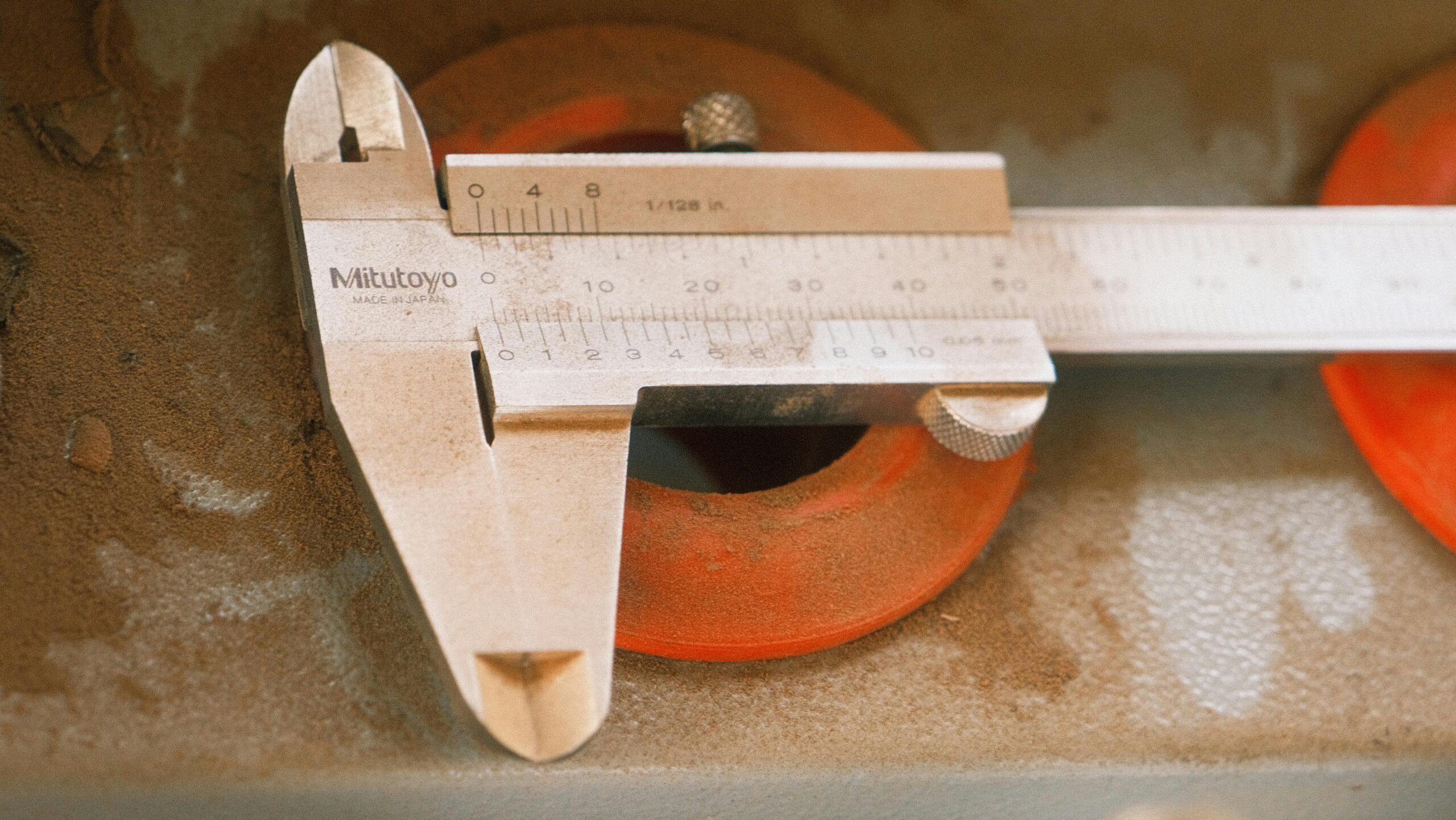
The Path Forward: Integrating Precision into Organizational DNA
Mastering calibration and setup processes requires sustained commitment from leadership, adequate resource allocation, and cultural emphasis on precision. Organizations that embed these principles into their operational DNA consistently outperform competitors.
The journey begins with honest assessment of current capabilities, identification of gaps, and development of realistic improvement roadmaps. Quick wins should be pursued to build momentum while longer-term initiatives address fundamental capability building.
Cross-functional collaboration ensures that calibration requirements are considered during equipment procurement, facility design, and process development. Early involvement prevents costly retrofits and compromises.
Continuous learning from industry peers, professional associations, and emerging research keeps organizations at the forefront of calibration excellence. Benchmarking against best-in-class performers reveals opportunities for advancement.
The ultimate goal extends beyond compliance or defect reduction—it’s about creating systems so precisely calibrated and expertly configured that performance consistently exceeds expectations. This level of excellence becomes possible only through unwavering commitment to calibration as a strategic priority and operational discipline.
Organizations that master precision through expert calibration and seamless setup processes position themselves for sustained success in increasingly competitive markets. The foundation they build enables innovation, accelerates growth, and delivers the consistent performance that customers demand and deserve.