
Unwanted noise invading your peaceful sanctuary can transform your home into a stress-inducing environment, affecting sleep quality, productivity, and overall well-being through persistent sound transmission.

🔇 Understanding the Science Behind Ceiling Noise Transmission
Before diving into innovative solutions, it’s crucial to understand how sound travels through ceiling structures. Noise transmission occurs through two primary pathways: airborne sound and impact noise. Airborne sound includes voices, music, and television audio that travels through the air and vibrates ceiling materials. Impact noise results from footsteps, dropped objects, or furniture movement on the floor above, creating vibrations that transfer directly through structural elements.
The traditional ceiling construction methods often fail to address these transmission pathways effectively. Standard drywall attached directly to joists creates a rigid connection that acts as a sound bridge, allowing vibrations to pass freely between floors. This direct mechanical coupling is the primary culprit behind most ceiling noise complaints in multi-story buildings and homes.
Understanding the Sound Transmission Class (STC) rating system helps quantify a ceiling assembly’s effectiveness. Higher STC ratings indicate better sound isolation, with residential ceilings typically ranging from STC 35 (poor) to STC 60+ (excellent). Impact Insulation Class (IIC) ratings measure impact noise reduction, with similar numerical scales determining performance levels.
🏗️ The Revolutionary Concept of Ceiling Decoupling
Ceiling decoupling represents a paradigm shift in acoustic engineering. Rather than fighting sound transmission through mass alone, decoupling breaks the physical connection between structural elements and finished surfaces. This interruption of the vibration pathway dramatically reduces sound transfer efficiency, creating an acoustic barrier that mass-based solutions cannot achieve independently.
The fundamental principle involves creating separation between the ceiling surface occupants see and the structural floor joists above. This air gap, when properly designed with complementary absorption materials, transforms your ceiling into a sophisticated sound management system. The decoupled ceiling essentially floats beneath the structure, isolated from direct vibration transmission.
Professional acousticians recognize decoupling as the single most effective strategy for noise reduction, often providing 10-20 STC points improvement over standard construction. This translates to a perceived sound reduction of 50-75% to human ears, a transformative difference in living comfort and acoustic privacy.
🛠️ Resilient Channel Systems: The Foundation of Decoupling
Resilient channels represent the most accessible entry point into ceiling decoupling technology. These specially designed metal strips attach horizontally to ceiling joists, creating a flexible mounting surface for drywall. The channel’s unique profile includes a spring element that absorbs vibrations before they reach the ceiling surface, effectively interrupting the sound transmission pathway.
Proper resilient channel installation requires meticulous attention to detail. Channels must be installed perpendicular to joists at 24-inch spacing, with drywall screws penetrating only the channel, never touching the joists directly. Any screw that bypasses the channel and contacts structural members creates a sound bridge, significantly compromising the system’s effectiveness.
Advanced resilient channel designs incorporate improved spring mechanisms and wider contact surfaces. These enhanced systems provide superior low-frequency noise reduction, addressing the bass rumble and footstep impacts that simpler designs struggle to control. When combined with multiple drywall layers and proper sealant application, resilient channels can achieve STC ratings of 50-55.
🔩 Sound Isolation Clips and Hat Channel: Premium Decoupling Performance
For those seeking ultimate noise reduction, sound isolation clip systems represent the gold standard in ceiling decoupling. These rubber-grommet assemblies attach to joists and accept hat channel (furring channel), creating a highly effective vibration isolation mechanism. The rubber component acts as a shock absorber, preventing sound energy from transferring between structural and finish elements.
The installation process begins with clips mounted directly to joists at specified intervals, typically 48 inches on center. Hat channels then snap into the clips, running perpendicular to joists and providing a stable framework for drywall attachment. This two-stage isolation system delivers exceptional performance, routinely achieving STC ratings of 60-65 when properly executed.
Popular sound isolation clip brands include RSIC-1, GenieClip, and Whisper Clip systems, each offering slightly different performance characteristics. Laboratory testing demonstrates these systems can reduce sound transmission by 80-90% compared to standard ceiling construction, making conversations, footsteps, and media noise nearly imperceptible between floors.
🧱 Strategic Material Selection for Maximum Acoustic Performance
Decoupling hardware provides the foundation, but material selection determines overall system effectiveness. Standard 1/2-inch drywall offers baseline performance, while upgrading to 5/8-inch Type X drywall adds significant mass without substantial cost increases. The additional density helps block higher frequency sounds that might otherwise penetrate thinner barriers.
Specialized acoustic drywall products incorporate viscoelastic polymers within their core structure. These materials convert sound energy into minute amounts of heat through internal friction, providing superior damping characteristics. Brands like QuietRock, SilentFX, and SoundBreak XP offer enhanced performance in single-layer applications, though at premium pricing compared to standard drywall.
Consider this material comparison for typical decoupled ceiling assemblies:
| Material Configuration | Approximate STC Rating | Cost Factor | Installation Complexity |
|---|---|---|---|
| Single 5/8″ drywall on resilient channel | 48-52 | Low | Moderate |
| Double 5/8″ drywall on resilient channel | 52-56 | Medium | Moderate-High |
| Single layer acoustic drywall on clips | 55-60 | High | Moderate |
| Double 5/8″ drywall on clip system | 60-65 | High | High |
| Acoustic drywall + standard layer on clips | 62-68 | Very High | High |
🎯 Insulation Integration: The Often-Overlooked Component
Even the most sophisticated decoupling system performs suboptimally without proper cavity insulation. The air space created by decoupling can actually amplify certain frequencies through resonance if left empty. Strategic insulation placement absorbs sound energy within the cavity, preventing acoustic reflections and enhancing overall performance.
Mineral wool insulation stands out as the preferred acoustic material due to its superior density and sound absorption characteristics. Products specifically designed for acoustic applications, such as Roxul Safe’n’Sound or Owens Corning 703, offer better performance than standard thermal insulation. These materials effectively absorb mid and high-frequency sounds while adding minimal weight to ceiling assemblies.
Installation involves filling the entire joist cavity with insulation before installing decoupling hardware and drywall. The insulation should fit snugly without compression, as compressed fibers lose acoustic effectiveness. For maximum performance, consider installing insulation in two layers with staggered joints, eliminating potential gaps that could compromise sound absorption.
🔐 Sealing Strategies: Preventing Acoustic Leaks
Professional acousticians often cite a sobering truth: a sound-tight assembly is nearly as important as decoupling itself. Even microscopic gaps around penetrations, at wall intersections, or along panel edges can dramatically reduce system effectiveness. Sound, like water, finds and exploits every opening, making comprehensive sealing essential for achieving rated performance.
Acoustic sealant applications differ significantly from standard construction caulking. These specialized products remain permanently flexible, preventing cracking as materials expand and contract with temperature changes. Apply acoustic sealant at all drywall panel perimeters before installation, creating a continuous gasket that prevents air and sound leakage.
Recessed lighting, HVAC registers, electrical boxes, and plumbing penetrations require particular attention. Each represents a potential breach in your acoustic barrier. Solutions include:
- Installing airtight IC-rated recessed light housings with acoustic backing boxes
- Using surface-mount lighting to eliminate ceiling penetrations entirely
- Wrapping electrical boxes with acoustic putty pads before drywall installation
- Installing acoustic baffles in HVAC ductwork to prevent sound transmission through ventilation systems
- Sealing all wire and pipe penetrations with acoustic sealant or expanding foam
💡 Innovative Hybrid Approaches for Challenging Situations
Some acoustic scenarios require creative combinations of techniques. Low ceiling heights may prohibit full decoupling systems, while budget constraints might necessitate phased implementation. Hybrid approaches balance performance, cost, and practical limitations to achieve meaningful noise reduction within real-world constraints.
The mass-loaded vinyl (MLV) integration technique adds a dense, flexible membrane between drywall layers or beneath standard ceiling construction. While MLV alone provides modest improvement, combining it with partial decoupling through resilient channels creates synergistic effects. The MLV adds mass and damping, while the resilient channel provides mechanical isolation, together achieving performance approaching full clip systems at reduced cost.
Suspended acoustic panels offer retrofit solutions for existing ceilings where demolition isn’t feasible. These decorative elements hang from the structural ceiling, creating absorption zones that reduce reverberant noise and improve speech intelligibility. While not providing isolation from impact noise, they significantly improve acoustic comfort in spaces with hard surface finishes and high ceilings.
📐 Room-Within-Room Construction: Ultimate Isolation
For recording studios, home theaters, or situations requiring absolute acoustic privacy, room-within-room construction represents the ultimate solution. This approach completely decouples all room surfaces—ceiling, walls, and sometimes floors—from the building structure. The interior room essentially floats on isolation materials, with no rigid connections to transmit vibrations.
Ceiling implementation in room-within-room designs begins with a completely independent framing system. Rather than attaching to existing joists, new ceiling joists rest on isolated wall framing or hang from neoprene-isolated hangers. This total structural independence, combined with multiple drywall layers, comprehensive sealing, and cavity treatment, routinely achieves STC ratings exceeding 70.
The investment required for room-within-room construction substantially exceeds standard decoupling approaches, both in materials and labor. However, for critical listening environments or situations where acoustic privacy is paramount, no alternative matches its effectiveness. Professional studio designers consistently specify this approach when acoustic performance cannot be compromised.
🎼 Addressing Low-Frequency Challenges
Bass frequencies present unique challenges in acoustic isolation. Their long wavelengths easily penetrate barriers that effectively block higher frequencies. Standard decoupling systems show reduced effectiveness below 125 Hz, where home theater subwoofers, footstep impacts, and bass-heavy music operate.
Enhanced low-frequency performance requires increased mass, greater decoupling depth, or both. Adding a third drywall layer specifically targets bass transmission, though installation complexity increases significantly. Alternatively, increasing the air gap depth between decoupled surfaces improves low-frequency isolation by altering the system’s resonance characteristics.
Specialized bass traps and resonant absorbers installed within ceiling cavities can address specific problematic frequencies. These tuned devices absorb energy at targeted frequencies, complementing the broadband effectiveness of standard decoupling and insulation. Professional acoustic analysis identifies problem frequencies, enabling precise treatment design for challenging low-frequency situations.
⚙️ Installation Best Practices for DIY Enthusiasts
While professional installation ensures optimal performance, budget-conscious homeowners can successfully implement decoupling systems with proper preparation and attention to detail. Begin by thoroughly researching your chosen system, watching installation videos from manufacturers, and understanding common mistakes before purchasing materials.
Accurate layout proves critical for successful installation. Mark joist locations clearly, plan decoupling hardware placement according to specifications, and identify all penetrations requiring special attention. Purchase 10-15% excess materials to accommodate cutting waste and potential errors, as returning to suppliers mid-project disrupts workflow and momentum.
Work methodically through these key installation phases:
- Remove existing ceiling materials completely, exposing joists and identifying any structural issues requiring repair
- Install electrical boxes, HVAC components, and other penetrations with acoustic considerations
- Fill joist cavities completely with acoustic insulation
- Install decoupling hardware precisely according to manufacturer specifications
- Apply acoustic sealant at all panel perimeters before hanging drywall
- Hang drywall carefully, ensuring fasteners contact only decoupling hardware
- Seal all remaining gaps, joints, and penetrations with acoustic sealant
- Apply finishing treatments, maintaining acoustic seal integrity
🏆 Measuring Success and Setting Realistic Expectations
Understanding that no ceiling system provides complete sound elimination helps establish realistic expectations. Even premium decoupling assemblies reduce but don’t eliminate sound transmission. A properly installed system achieving STC 60 blocks approximately 87% of sound energy, making normal conversations and television noise barely perceptible while still allowing extremely loud sounds through at reduced levels.
Subjective impressions matter more than laboratory ratings for residential applications. Most occupants report dramatic improvements in acoustic comfort and privacy following professional decoupling installation. Sleep quality improves, entertainment systems operate at higher volumes without complaints, and overall stress levels decrease when chronic noise intrusion ends.
For those seeking objective verification, professional acoustic testing can measure installed system performance. While expensive, this testing identifies any implementation flaws and documents actual STC and IIC ratings. Some jurisdictions require such testing for multifamily construction, ensuring acoustic standards compliance and protecting both owners and occupants.
🌟 Transforming Your Space Through Acoustic Excellence
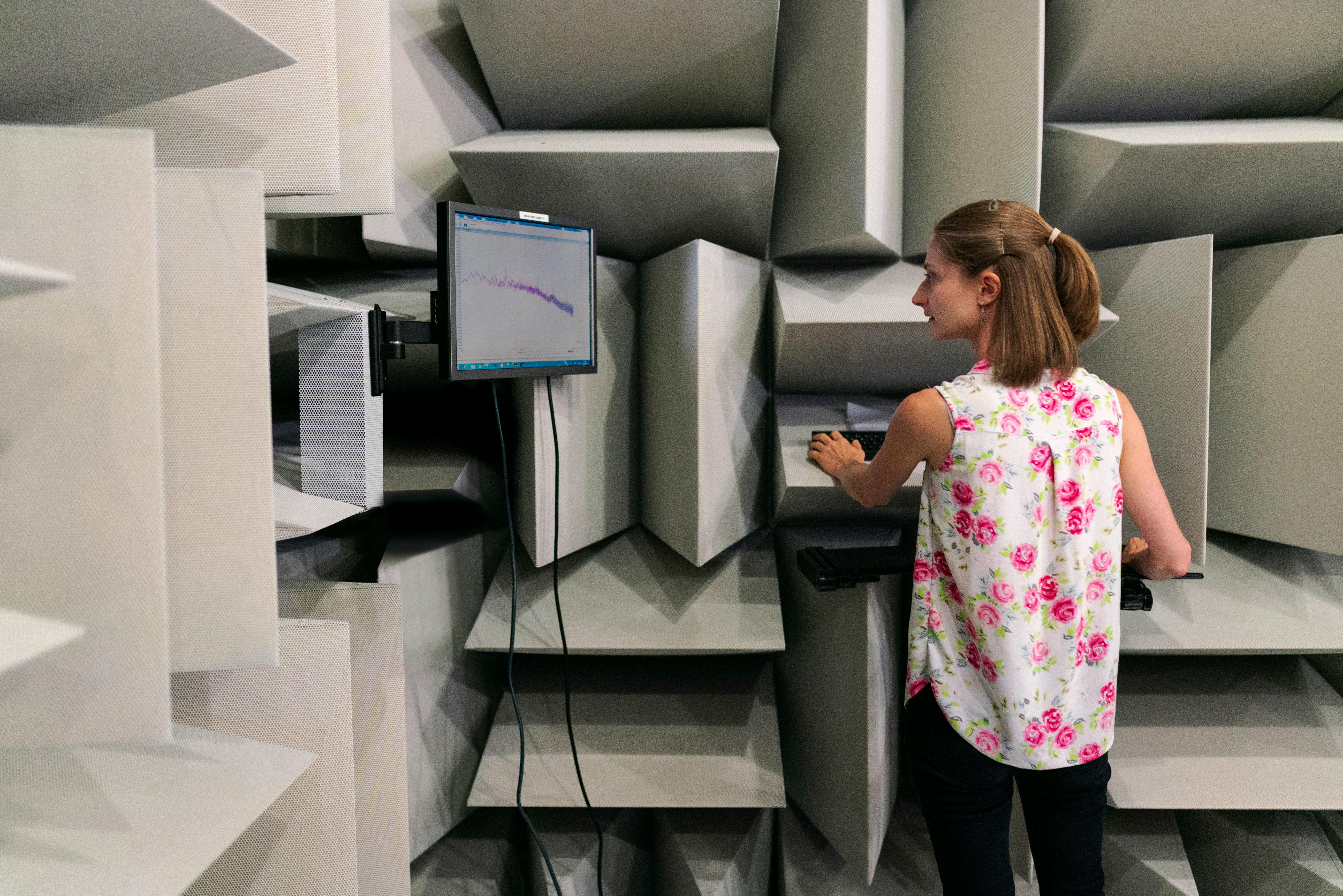
Mastering ceiling decoupling techniques empowers you to reclaim acoustic control over your living environment. Whether addressing existing noise problems or designing new construction with superior acoustic performance, these innovative approaches deliver measurable, life-changing improvements. The investment in proper decoupling systems pays dividends daily through enhanced comfort, privacy, and peace of mind.
Begin your acoustic transformation journey by assessing current noise issues, identifying primary sound sources, and determining which decoupling approach best suits your situation. Consult with acoustic professionals when budget allows, as their expertise helps avoid costly mistakes and ensures optimal system design. Even modest improvements in ceiling acoustic performance create noticeable benefits, while comprehensive implementations transform problematic spaces into peaceful sanctuaries.
The art of silent spaces isn’t about creating absolute silence—it’s about controlling acoustic environments to support the activities and atmosphere you desire. Through strategic ceiling decoupling implementation, you gain that control, crafting spaces where unwanted noise no longer dictates your comfort, schedule, or quality of life. 🎵