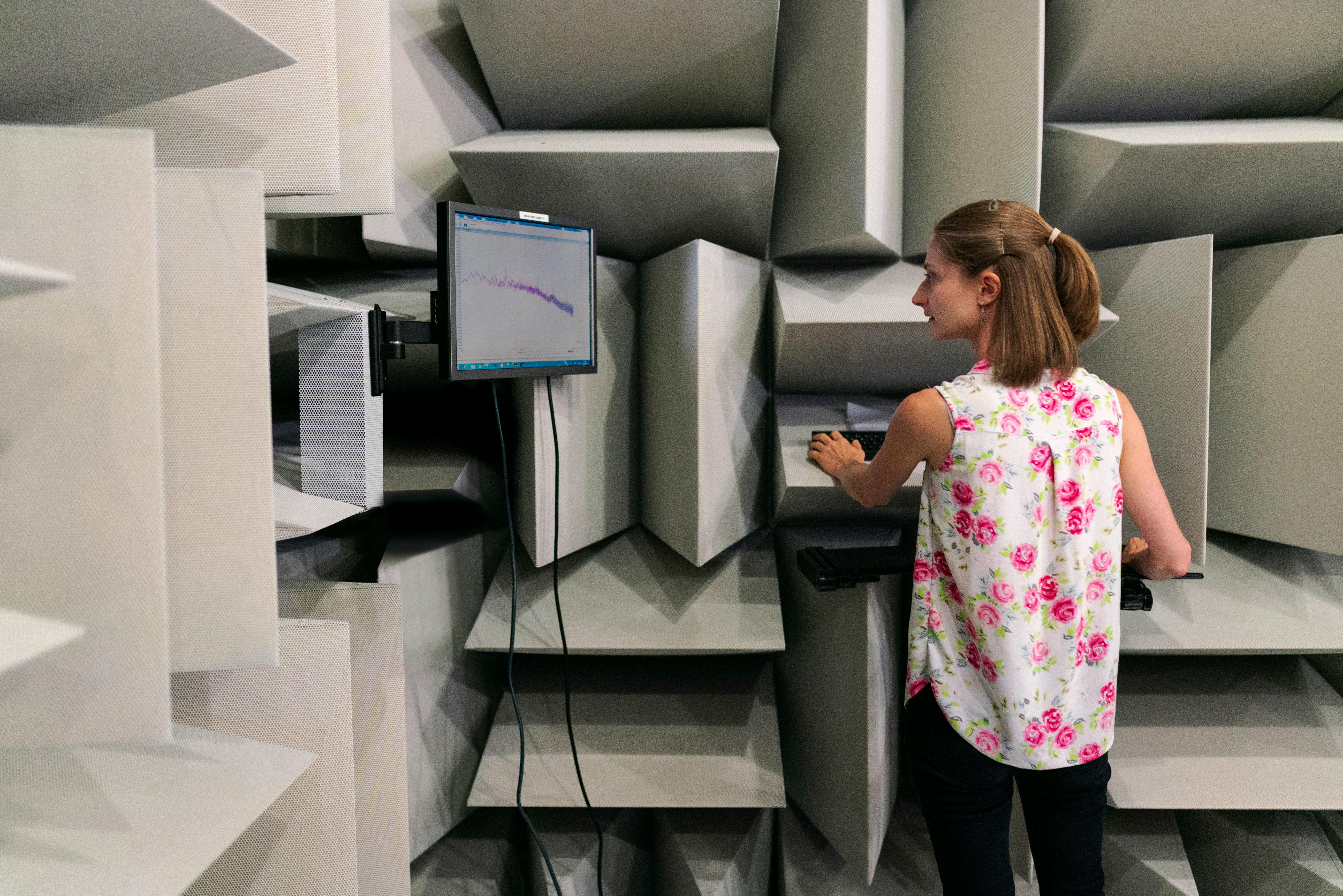
Living in a rental doesn’t mean you have to endure constant noise. Discover practical, damage-free soundproofing solutions that transform your space into a peaceful sanctuary.

🏠 Why Soundproofing Matters for Renters
Noise pollution has become one of the most common complaints among apartment dwellers and rental home occupants. Whether it’s the upstairs neighbor’s heavy footsteps at midnight, street traffic echoing through thin walls, or the bass from a neighbor’s music system, unwanted sound can significantly impact your quality of life, sleep patterns, and overall mental health.
The challenge for renters is finding effective soundproofing solutions that don’t violate lease agreements or require permanent modifications to the property. Traditional soundproofing methods often involve drilling into walls, removing drywall, or making other structural changes that most landlords strictly prohibit. Fortunately, modern soundproofing technology and creative design solutions have made it possible to dramatically reduce noise without leaving a trace when you move out.
Understanding the science behind sound transmission is the first step toward creating a quieter living environment. Sound travels through air as vibrations, and these vibrations can pass through walls, floors, ceilings, doors, and windows. The thinner and harder these surfaces are, the more easily sound passes through them. Effective soundproofing works by either adding mass to block sound waves, creating air gaps to interrupt their travel, or using absorbent materials to dampen vibrations.
🚪 Sealing the Gaps: Your First Line of Defense
Before investing in expensive soundproofing materials, address the most overlooked source of noise infiltration: gaps and cracks. Sound waves, like water, will find the path of least resistance. Even the smallest opening around doors, windows, or electrical outlets can allow substantial amounts of noise to enter your space.
Door sweeps and draft stoppers are remarkably effective and completely removable solutions. These simple devices attach to the bottom of doors without permanent adhesive or screws, blocking the gap where sound easily travels. Look for products with dense rubber or silicone construction rather than fabric-only options, as they provide superior sound blocking capabilities.
Weatherstripping tape designed for doors and windows serves double duty by improving both soundproofing and energy efficiency. This self-adhesive foam or rubber material compresses when doors and windows close, creating an airtight seal that significantly reduces sound transmission. When you move out, the weatherstripping peels away cleanly without damaging paint or finishes.
Acoustic sealant offers a temporary solution for larger gaps around window frames, baseboards, or door frames. Unlike permanent caulk, acoustic sealant remains slightly flexible and can be removed when needed. Apply it to visible cracks where walls meet ceilings or floors, and you’ll notice an immediate reduction in sound leakage.
Strategic Placement for Maximum Impact
Focus your gap-sealing efforts on the noisiest areas first. If street noise is your primary concern, prioritize windows and exterior doors. For neighbor noise, concentrate on shared walls, the front door, and any connecting ventilation systems. This targeted approach maximizes your investment and delivers the most noticeable improvements quickly.
🪟 Window Solutions That Don’t Require Replacement
Windows are typically the weakest point in any room’s sound barrier. Single-pane windows, common in older rental properties, offer minimal sound resistance. However, several renter-friendly solutions can dramatically improve window soundproofing without replacing the existing glass.
Acoustic curtains represent one of the most effective temporary soundproofing solutions available. These specialized curtains contain multiple layers of dense fabric, often with a mass-loaded vinyl core, specifically designed to absorb and block sound waves. Quality acoustic curtains can reduce noise by 10-15 decibels, making the difference between hearing clear conversations from outside and barely noticing muffled sounds.
When selecting acoustic curtains, look for products that extend beyond the window frame on all sides and reach from ceiling to floor. The more surface area they cover, the more effective they’ll be. Install them using tension rods or removable command hooks to avoid drilling holes in walls or window frames.
Window inserts provide another powerful option for renters. These transparent acrylic or laminated glass panels mount inside your existing window frame using magnetic strips or compression tubing, creating an additional air gap that interrupts sound transmission. The best part? They’re completely removable and can be taken with you when you move.
For budget-conscious renters, cellular shades offer modest soundproofing benefits while also improving insulation. Their honeycomb structure traps air, providing a small barrier against sound and temperature transfer. While not as effective as dedicated acoustic treatments, they’re affordable and widely available.
🧱 Wall Treatment Strategies Without Damage
Shared walls in apartments and rental homes often feel paper-thin, transmitting every conversation, television show, and household activity from neighboring units. Fortunately, several non-permanent solutions can significantly improve wall soundproofing without violating your lease agreement.
Acoustic panels designed for temporary installation offer professional-grade sound absorption without requiring screws or nails. These panels, made from dense foam, fiberglass, or recycled materials, can be mounted using removable adhesive strips specifically designed for heavy objects. Arrange them strategically on the walls closest to noise sources for maximum effectiveness.
Freestanding acoustic dividers and room screens provide portable soundproofing that you can position wherever needed. These standalone panels not only absorb sound but also add visual interest and can help define different areas within open-concept spaces. They’re particularly useful in studios or one-bedroom apartments where traditional wall treatments might feel overwhelming.
Furniture placement plays a surprisingly significant role in sound management. Large, heavy pieces like bookcases, wardrobes, and upholstered furniture act as sound barriers when positioned against shared walls. Fill bookcases completely with books, as the paper provides excellent sound absorption. The more mass you can place against problematic walls, the more sound you’ll block.
Creating a Sound-Absorbing Gallery Wall
Transform your soundproofing into décor by creating a gallery wall with canvas prints and fabric art. Canvas naturally absorbs sound, and when you hang multiple pieces close together, they create a sound-dampening surface that’s both functional and aesthetically pleasing. Use removable picture hanging strips to avoid nail holes, and you’ve created an attractive solution your landlord will never question.
📱 Technology and Apps for Noise Management
While physical soundproofing remains essential, technology can complement your efforts and help you identify problem areas. Sound meter applications can measure decibel levels in your space, helping you determine which areas need the most attention and whether your soundproofing efforts are effective.
White noise applications and smart home devices can mask remaining sounds that penetrate your soundproofing barriers. These apps generate consistent background noise that makes irregular sounds like voices or traffic less noticeable and disturbing. Some advanced applications can even analyze your environment and adjust the white noise frequency to optimally mask specific sound types.
For those dealing with particularly challenging noise situations, sound recording apps can document excessive noise for discussions with landlords or, if necessary, noise complaints. Time-stamped recordings provide concrete evidence of noise disturbances that violate quiet enjoyment clauses in most lease agreements.
🛋️ Floor Soundproofing for Apartment Dwellers
If you’re hearing noise from below or worried about disturbing downstairs neighbors, floor soundproofing deserves attention. The good news is that floor treatments are inherently temporary and easy to remove when your lease ends.
Thick area rugs with dense padding provide the foundation for floor soundproofing. Look for rugs with high pile heights and pair them with rubber rug pads specifically designed for sound dampening. The combination creates multiple layers that absorb impact noise and prevent sound transmission through floors. Cover as much floor space as possible, particularly in high-traffic areas and beneath furniture that gets moved frequently.
Interlocking foam floor tiles offer wall-to-wall coverage without permanent installation. Originally designed for gyms and playrooms, these tiles provide excellent impact sound absorption and are completely removable. They work particularly well in bedrooms, home offices, and workout spaces where you want maximum sound control.
For hardwood or tile floors, consider adding felt pads to all furniture legs. This simple step prevents scraping sounds and reduces the noise furniture makes when moved. It also protects your landlord’s floors, which might even earn you bonus points during move-out inspections.
🎵 Addressing Specific Noise Problems
Different types of noise require different solutions. Understanding the specific noise problems you’re facing allows you to target your soundproofing efforts more effectively.
Impact Noise from Above
Footsteps, dropped objects, and furniture movement from upstairs neighbors create impact noise that travels directly through structural elements. While you can’t control your neighbor’s floor, you can minimize how their noise affects you. Focus on ceiling treatments like removable acoustic tiles or fabric panels attached with temporary adhesive. Adding soft furnishings like upholstered headboards, wall tapestries, and curtains helps absorb sound before it fully enters your living space.
Airborne Noise Through Walls
Conversations, television sound, and music travel as airborne noise through walls and any gaps in your apartment’s construction. Combat this with a combination of gap sealing, wall-mounted acoustic panels, and strategic furniture placement. Creating a “sound buffer zone” with a bookcase or wardrobe against problematic walls adds significant mass that blocks sound transmission.
Street and Traffic Noise
External noise from vehicles, construction, and street activity requires focusing on windows and exterior walls. Layer your defenses with acoustic curtains, window inserts, and weatherstripping. For particularly challenging situations, consider creating a “quiet zone” in a room farthest from street-facing windows where you can retreat for sleep or focused work.
💡 Creative Soundproofing on a Budget
Professional soundproofing materials can be expensive, but creative alternatives can deliver impressive results without breaking the bank. Moving blankets, available inexpensively from hardware stores, can be hung temporarily on walls using removable hooks. While not as attractive as purpose-made acoustic panels, they provide substantial sound absorption.
Egg cartons, despite being a popular DIY soundproofing myth, don’t actually provide meaningful soundproofing. However, corrugated cardboard panels, when layered and covered with fabric, can offer modest sound absorption at minimal cost. They work best as temporary solutions while you save for more permanent materials.
Thrift stores and online marketplaces often have heavy curtains, tapestries, and upholstered furniture at fraction of retail prices. These items, while not marketed for soundproofing, contain dense materials that naturally dampen sound. A thick vintage rug might not be labeled “acoustic,” but it can be just as effective as expensive specialized products.
🔧 Installation Tips That Protect Your Security Deposit
The key to successful renter soundproofing is implementing solutions that deliver results without risking your security deposit. Always prioritize removable installation methods and test any adhesives in inconspicuous areas before full application.
Command strips and hooks designed for heavy items have revolutionized temporary installations. These products can hold surprising amounts of weight when used correctly, making them ideal for acoustic panels, curtains, and wall hangings. Follow weight limits carefully and use multiple strips distributed evenly for heavier items.
Tension rods work beautifully for hanging curtains and fabric panels without drilling. They’re available in various sizes and can support substantial weight when properly installed between sturdy surfaces. For floor-to-ceiling installations, spring-loaded poles designed for room dividers provide stability without requiring wall mounting.
Document your apartment’s condition before installing any soundproofing materials. Take photos of walls, floors, and windows from multiple angles. This documentation protects you during move-out inspections by providing clear evidence of pre-existing conditions and demonstrating that your improvements caused no damage.
🌟 Combining Solutions for Maximum Effectiveness
Individual soundproofing techniques provide incremental improvements, but combining multiple strategies creates a dramatically quieter environment. Think of soundproofing as layering defenses—each additional layer blocks or absorbs more sound.
A comprehensive approach might include weatherstripping around doors and windows, acoustic curtains over windows, area rugs with sound-dampening pads on floors, acoustic panels on walls near noise sources, and strategic furniture placement throughout the space. This multi-layered strategy addresses sound transmission through every possible path.
Start with the most cost-effective solutions like gap sealing and furniture rearrangement. Assess the improvement, then add additional layers as needed and as your budget allows. This gradual approach prevents overspending on unnecessary solutions while ensuring you address your most significant noise challenges first.
🏡 Creating Your Personal Peace Haven
Transforming your rental into a quieter sanctuary goes beyond just blocking noise—it’s about creating an environment where you can truly relax, focus, and recharge. The psychological benefits of a peaceful home environment extend to better sleep quality, reduced stress levels, and improved overall wellbeing.
Consider the soundproofing process an investment in your daily quality of life rather than just a response to annoying neighbors. Even modest improvements in noise levels can significantly impact how you experience your home. The difference between clearly hearing every word of a neighbor’s phone conversation and hearing only muffled background noise transforms how peaceful your space feels.
Remember that perfect silence isn’t always the goal or even desirable. Some ambient sound actually helps many people relax and sleep better. The objective is controlling which sounds enter your space, reducing disruptive noise to levels that don’t interfere with your activities, comfort, and peace of mind.
Your rental property may not be your forever home, but it’s your current sanctuary. Implementing these tenant-friendly soundproofing solutions empowers you to take control of your environment without sacrificing your security deposit or violating lease terms. With creativity, strategic planning, and the right combination of techniques, even the noisiest rental can become a peaceful retreat where you actually want to spend time. Start with one or two solutions today, and gradually build your quiet oasis—you’ll be amazed at how much difference relatively simple changes can make in your daily life and overall happiness at home.