Unwanted noise infiltrating your living or working space can disrupt peace, productivity, and overall well-being. Planning a comprehensive soundproofing retrofit requires strategic thinking and expert knowledge to achieve lasting results.

🔍 Understanding the Science Behind Sound Transmission
Before diving into your soundproofing project, it’s essential to understand how sound travels through structures. Sound waves move through air and solid materials, creating vibrations that transmit noise from one space to another. These vibrations can travel through walls, floors, ceilings, doors, and windows, making comprehensive planning crucial for effective noise reduction.
Sound transmission occurs through two primary pathways: airborne transmission and structure-borne transmission. Airborne sounds include voices, television noise, and music that travel through the air and penetrate barriers. Structure-borne sounds result from physical impacts like footsteps, dropped objects, or machinery vibrations that travel through building materials themselves.
The Sound Transmission Class (STC) rating system measures how well building partitions reduce airborne sound. Higher STC ratings indicate better soundproofing performance. A standard interior wall typically has an STC rating of 33-35, while a rating of 50 or higher is considered excellent for privacy and noise control.
🎯 Conducting a Thorough Acoustic Assessment
Your soundproofing retrofit journey begins with a comprehensive acoustic assessment of your space. This evaluation identifies specific noise sources, transmission paths, and vulnerable areas requiring attention. Understanding your unique acoustic challenges ensures you invest resources where they’ll deliver maximum impact.
Start by documenting all noise sources affecting your space. Identify whether disturbances originate from neighbors, street traffic, HVAC systems, or internal sources. Note the times when noise is most problematic and which areas experience the greatest disturbance. This information guides your prioritization strategy.
Walk through your space systematically, examining every potential sound leak. Pay special attention to doors, windows, electrical outlets, light fixtures, and any penetrations through walls or ceilings. Even small gaps can significantly compromise soundproofing effectiveness, acting as acoustic shortcuts for unwanted noise.
Key Areas Requiring Evaluation
- Exterior walls facing busy streets or neighbors
- Windows and door assemblies
- Shared walls between rooms or units
- Floor and ceiling assemblies
- HVAC ducts and ventilation systems
- Plumbing chases and utility penetrations
- Electrical outlets and switch boxes
💡 Developing Your Soundproofing Strategy
Effective soundproofing relies on four fundamental principles: mass, damping, decoupling, and absorption. Your retrofit solution should strategically incorporate these elements based on your specific acoustic challenges and budget constraints.
Mass refers to the weight and density of materials used to block sound transmission. Heavier, denser materials like mass-loaded vinyl, multiple layers of drywall, or concrete naturally resist sound waves better than lightweight alternatives. Adding mass to existing structures represents one of the most straightforward soundproofing approaches.
Damping involves converting sound energy into heat through specialized materials that dissipate vibrations. Damping compounds applied between layers of building materials reduce resonance and prevent sound amplification within wall cavities. Green Glue and similar viscoelastic compounds excel at this function.
Decoupling separates building elements to prevent direct vibration transmission between surfaces. This technique interrupts the path sound waves travel through structural connections. Resilient channels, sound isolation clips, and staggered stud construction all achieve decoupling objectives.
Absorption utilizes porous materials that trap sound waves and prevent reflection within spaces or wall cavities. Fiberglass insulation, mineral wool, and acoustic foam serve absorption purposes, though their effectiveness varies depending on application and frequency ranges targeted.
🏗️ Planning Wall Soundproofing Retrofits
Walls represent the largest surface area in most spaces and frequently constitute the primary pathway for noise transmission. Retrofitting existing walls for improved soundproofing requires balancing effectiveness with space constraints and budget considerations.
The most effective wall soundproofing approach involves creating a room-within-a-room using decoupled assemblies. However, this method significantly reduces room dimensions. For less invasive options, consider adding mass-loaded vinyl, additional drywall layers with damping compound, or building a second stud wall with minimal thickness increase.
When retrofitting shared walls in apartments or townhouses, coordinate with neighbors if possible. Soundproofing improvements benefit both parties, and cost-sharing arrangements make comprehensive solutions more feasible. Even if coordination isn’t possible, treating your side of the wall still provides meaningful noise reduction.
Effective Wall Retrofit Techniques
Adding a second layer of drywall with damping compound between layers provides substantial improvement with minimal space loss. This approach typically increases wall thickness by only 5/8 inch while improving STC ratings by 8-10 points. The damping compound prevents the two drywall layers from acting as a single rigid unit.
Mass-loaded vinyl barriers installed between existing walls and new finish layers add significant mass without occupying much space. These dense, flexible sheets block sound transmission effectively while remaining relatively thin at 1/8 to 1/4 inch thickness. Proper sealing at all edges maximizes performance.
Resilient sound clips with hat channels decouple new drywall layers from existing structures, preventing vibration transmission. This system creates an air gap that further enhances soundproofing performance. Combined with insulation filling the cavity, this approach delivers professional-grade results.
🪟 Addressing Windows and Doors
Windows and doors represent significant acoustic vulnerabilities in otherwise well-soundproofed spaces. Their inherently lightweight construction and numerous potential gaps make them prime targets for retrofit attention. Fortunately, multiple strategies exist for different budgets and performance requirements.
Window soundproofing options range from simple weatherstripping to complete replacement with specialized acoustic windows. Assess whether noise primarily enters through gaps around frames or through the glass itself. Air leaks often contribute more to noise problems than inadequate glass performance, making sealing a cost-effective first step.
For moderate noise reduction, install heavy curtains or cellular shades designed for acoustic control. These treatments absorb some sound energy while creating an additional barrier. Window plug inserts made from foam or other dense materials provide removable soundproofing when noise control takes priority over natural light.
Interior storm windows or acrylic panel systems mounted several inches from existing windows create acoustic dead space that significantly reduces transmission. This approach preserves existing windows while delivering performance approaching that of new acoustic glazing at lower cost.
Door Soundproofing Solutions
Solid-core doors provide substantially better sound blocking than hollow-core alternatives. Replacing hollow doors represents an immediate, noticeable improvement. Beyond door construction, gaps around frames typically compromise performance more than the door itself.
Install door sweeps or automatic drop seals along bottom edges to eliminate the largest common gap. Apply weatherstripping around entire door frames, ensuring complete contact when closed. For high-performance applications, consider acoustic door seals that provide compression gaskets similar to studio door systems.
Double-door configurations with an airspace between create airlock entries that dramatically improve soundproofing. While requiring additional space, this approach proves highly effective for critical applications like home studios, home theaters, or spaces requiring serious noise isolation.
⬆️⬇️ Floor and Ceiling Considerations
Impact noise from footsteps, furniture movement, and dropped objects travels readily through floor-ceiling assemblies, particularly in multi-story buildings. Addressing vertical sound transmission requires different strategies than wall treatments, focusing on vibration isolation and impact absorption.
For floor treatments, underlayment materials placed beneath finished flooring absorb impact energy before it transmits to structural elements below. Acoustic underlayments made from rubber, cork, or specialized foam significantly reduce impact noise while adding minimal height to floor levels.
Floating floor systems decouple finish flooring from subfloors, preventing direct vibration transmission. These assemblies rest on resilient pads or underlayment without mechanical fasteners penetrating to structural elements below. Properly installed floating floors dramatically reduce both impact and airborne sound transmission.
Ceiling retrofits present greater challenges since accessing the space above may be difficult or impossible. Suspended ceiling systems hung from resilient clips provide excellent decoupling for new construction but prove invasive as retrofits. Adding mass-loaded vinyl and additional drywall layers offers a less disruptive alternative.
🌬️ HVAC and Ventilation Challenges
Heating, ventilation, and air conditioning systems create direct acoustic pathways between spaces while generating their own mechanical noise. Addressing HVAC-related sound issues requires balancing acoustic performance with proper ventilation and system efficiency.
Ductwork acts as speaking tubes, transmitting conversations and other sounds between rooms. In-duct silencers or acoustic duct liners absorb sound traveling through these pathways. For critical applications, consider flexible duct sections that reduce transmission better than rigid metal alternatives.
Register boots and grilles represent openings that compromise wall and ceiling soundproofing. Stagger supply and return registers so they don’t align between rooms. Sound baffles behind registers further reduce transmission without significantly impacting airflow.
Mechanical noise from HVAC equipment itself requires isolation at the source. Vibration isolation mounts prevent equipment vibrations from transmitting to building structures. Locating noisy equipment away from quiet spaces and using proper duct transitions minimizes disturbances.
🔧 Planning for Implementation Success
Transforming soundproofing plans into reality requires careful project management, realistic scheduling, and quality execution. Whether handling installation yourself or hiring professionals, thorough planning prevents costly mistakes and ensures optimal results.
Develop a phased implementation strategy if budget constraints prevent addressing everything simultaneously. Prioritize treatments based on your acoustic assessment, tackling the worst noise sources first. This approach delivers noticeable improvements incrementally while spreading costs over time.
Source quality materials from reputable suppliers specializing in acoustic applications. While generic building materials work for some applications, specialized soundproofing products often deliver superior performance that justifies their premium pricing. Research product specifications and user reviews carefully.
Consider hiring acoustic consultants for complex projects or situations requiring guaranteed performance levels. Professional expertise helps avoid expensive trial-and-error approaches while ensuring building codes and regulations are satisfied. Their experience identifying hidden acoustic leaks proves invaluable.
Budget Planning Considerations
Soundproofing retrofits range from modest weekend projects costing hundreds of dollars to comprehensive renovations exceeding tens of thousands. Establishing realistic budget expectations based on your goals and space characteristics prevents disappointment and project abandonment.
| Retrofit Level | Typical Cost Range | Expected Performance Gain |
|---|---|---|
| Basic (sealing, weatherstripping) | $200-$1,000 | 5-10 STC points |
| Moderate (added mass, absorption) | $1,000-$5,000 | 10-15 STC points |
| Advanced (decoupling, comprehensive) | $5,000-$20,000+ | 15-25+ STC points |
🎨 Maintaining Aesthetics During Retrofits
Soundproofing retrofits need not compromise interior design aesthetics. Modern acoustic materials and installation techniques allow seamless integration with existing décor while delivering excellent performance. Planning for visual appeal alongside acoustic function creates spaces that both look and sound exceptional.
Acoustic panels now come in numerous colors, textures, and artistic designs that enhance rather than detract from interior aesthetics. Fabric-wrapped panels can match existing color schemes or provide striking accent features. Some manufacturers offer custom printing on acoustic materials for truly unique installations.
When adding wall thickness for soundproofing, consider incorporating the additional depth into design features like wainscoting, picture rails, or textured wall treatments. These architectural details distract from dimensional changes while adding visual interest to spaces.
Coordinate soundproofing improvements with broader renovation projects when possible. Combining acoustic upgrades with cosmetic updates, electrical work, or other improvements reduces overall disruption while creating opportunities for comprehensive transformations that address multiple objectives simultaneously.
🔬 Testing and Validation
After completing your soundproofing retrofit, systematic testing validates whether acoustic goals have been achieved. Objective measurements combined with subjective assessments provide comprehensive performance evaluation and identify any remaining weaknesses requiring attention.
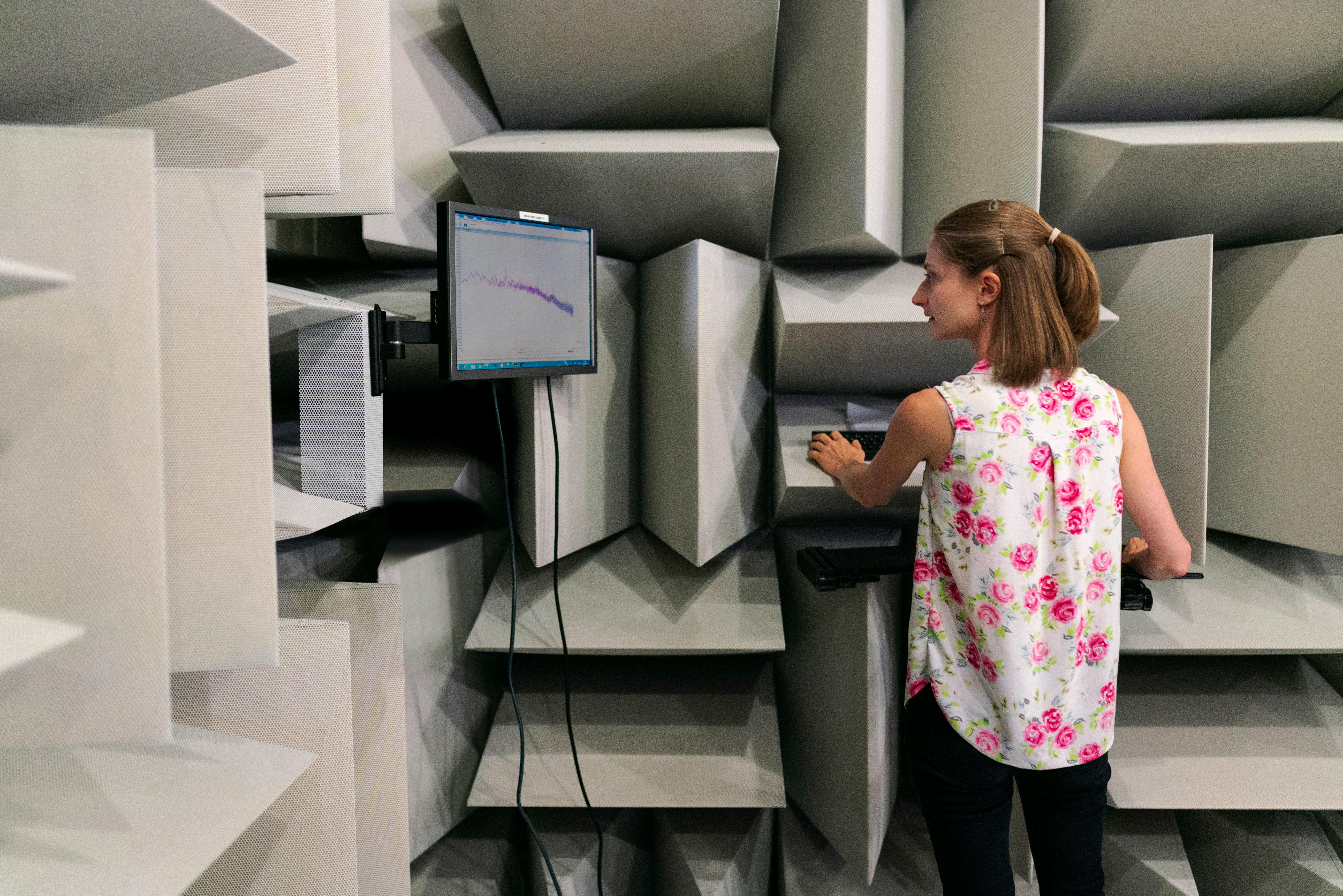
Smartphone sound level meter apps provide convenient basic testing capabilities, though professional-grade instruments deliver more accurate results. Measure sound levels with and without noise sources active, comparing pre-retrofit and post-retrofit performance. Document measurements for future reference.
Test various frequencies since soundproofing effectiveness varies across the acoustic spectrum. Low-frequency sounds like bass music or traffic rumble prove most difficult to control. Mid and high frequencies respond better to most retrofit treatments. Identifying frequency-specific weaknesses guides targeted improvements.
Don’t overlook subjective assessment from actual space users. Sometimes perceived noise reduction exceeds what measurements suggest, particularly when retrofits eliminate specific annoying frequencies or tones. Conversely, if users remain unsatisfied despite improved measurements, investigate whether expectations were realistic or additional sources emerged.
🌟 Maximizing Long-Term Performance
Soundproofing performance degrades over time if systems aren’t properly maintained. Regular inspection and preventive maintenance preserve acoustic isolation effectiveness while identifying emerging issues before they become serious problems. Building soundproofing maintenance into routine property care protects your investment.
Periodically inspect seals around doors, windows, and penetrations for gaps that develop as materials age or settle. Weather stripping and acoustic caulk deteriorate eventually, requiring replacement. Catching these issues early prevents gradual performance decline that might otherwise go unnoticed.
Monitor for new noise sources or transmission pathways that develop as buildings age or usage patterns change. New equipment installations, structural modifications, or changes in adjacent spaces can create acoustic challenges requiring fresh attention. Staying alert to evolving acoustic conditions allows prompt responses.
Keep documentation of your soundproofing installation including materials used, construction details, and performance testing results. This information proves invaluable for future modifications, troubleshooting, or when communicating with contractors for additional work. Comprehensive records also add value when selling property.

🏆 Achieving Your Acoustic Sanctuary
Mastering the quiet through expert soundproofing retrofit planning transforms noisy, stressful environments into peaceful sanctuaries where concentration, relaxation, and quality of life flourish. While comprehensive acoustic improvements require significant investment and effort, the daily benefits of reclaimed peace make projects worthwhile for those serious about noise control.
Success stems from understanding acoustic principles, conducting thorough assessments, developing strategic plans addressing your specific challenges, and executing quality installations. Whether tackling projects yourself or working with professionals, the knowledge gained through proper planning ensures your retrofit solution delivers lasting results.
Remember that perfect silence rarely represents a realistic goal in typical residential or commercial environments. Instead, aim for noise reduction to comfortable, non-distracting levels that allow you to enjoy your space without constant acoustic irritation. Even modest improvements often dramatically enhance quality of life.
The journey toward acoustic comfort begins with a single step. Armed with expert knowledge and realistic expectations, you can plan and execute soundproofing retrofits that finally master the quiet you’ve been seeking. Your peaceful, productive sanctuary awaits on the other side of strategic acoustic improvements.