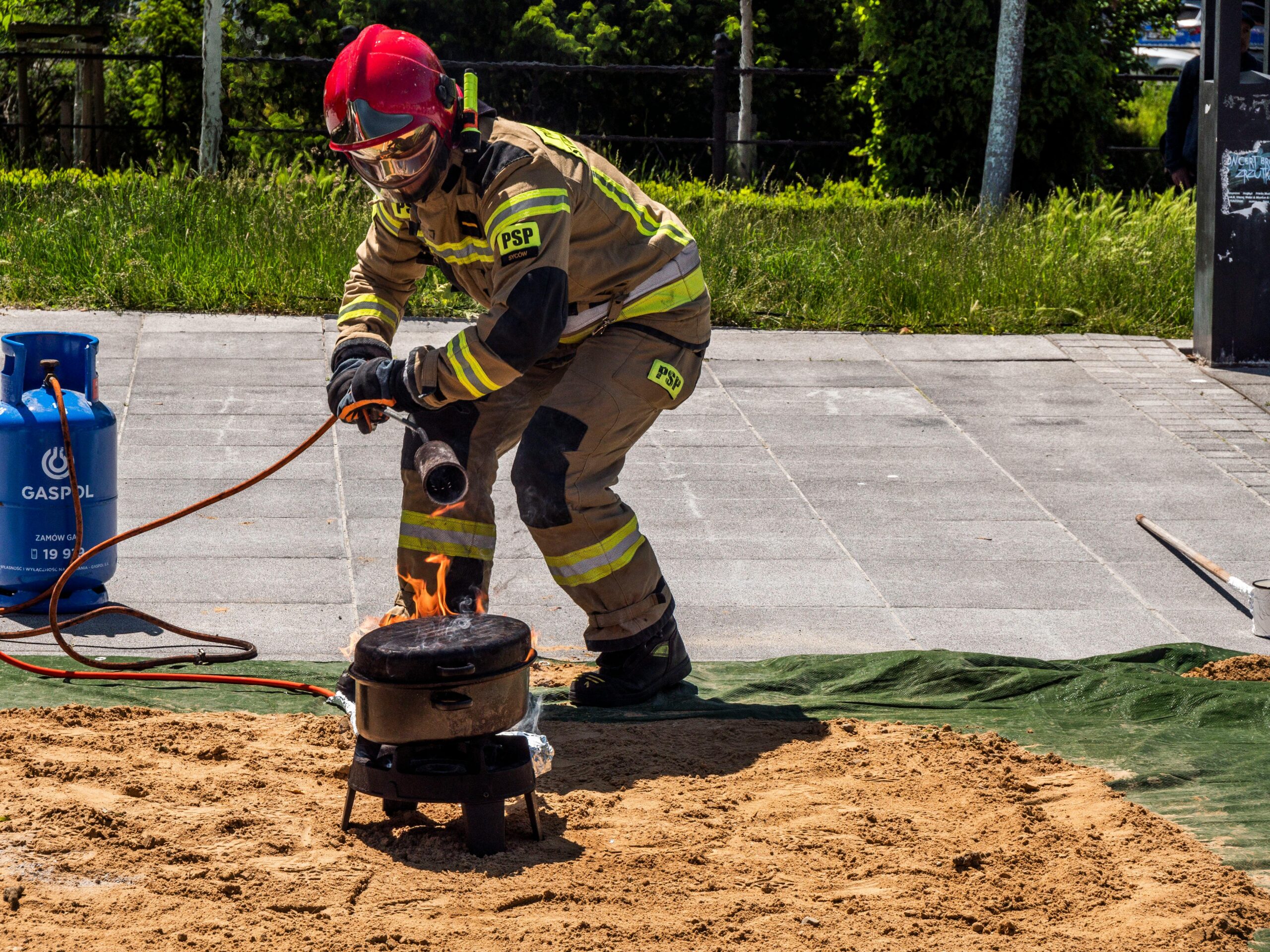
Efficient building operations rely on one critical element: seamless coordination between all stakeholders, technology, and management systems working in perfect harmony.

In today’s fast-paced commercial and residential property landscape, the difference between a smoothly running facility and a chaotic environment often comes down to how well building management is coordinated. Whether you’re managing a corporate office tower, a residential complex, a retail space, or an industrial facility, mastering the art of coordination can transform your operations from reactive firefighting to proactive excellence.
Building management encompasses far more than simply keeping the lights on and the HVAC running. It’s a complex orchestration of maintenance schedules, tenant communications, vendor relationships, compliance requirements, energy management, security protocols, and financial oversight. When these elements work together seamlessly, the results are remarkable: reduced operational costs, happier tenants, improved property values, and a reputation for excellence that attracts quality occupants.
🏢 Understanding the Foundation of Building Management Coordination
Before diving into strategies for seamless coordination, it’s essential to understand what effective building management truly entails. At its core, coordination means ensuring that all moving parts of your facility operations communicate, align, and function as a unified system rather than isolated silos.
Building management coordination involves multiple layers of complexity. You have physical systems like electrical, plumbing, HVAC, and fire safety that must be maintained on precise schedules. You have human elements including tenants, maintenance staff, security personnel, cleaning crews, and contractors who all need clear communication channels. And increasingly, you have digital systems for access control, energy monitoring, work order management, and tenant portals that must integrate smoothly.
The challenge lies in creating a framework where information flows freely between these layers, where problems are identified before they escalate, and where every team member understands their role in the larger operational picture. This is where true mastery of building management coordination begins.
📊 The Critical Components of Seamless Operations
Achieving effortless operations requires focusing on several fundamental components that form the backbone of successful building management coordination.
Communication Systems That Actually Work
Communication breakdowns are the number one cause of operational failures in building management. A maintenance issue reported by a tenant but never received by the facilities team, a scheduled inspection that nobody was informed about, or emergency procedures that staff members aren’t aware of—these scenarios happen far too often.
Establishing clear, redundant communication channels is non-negotiable. This means having primary and backup systems for critical communications, establishing response time expectations, and creating protocols for different types of messages. Regular communication doesn’t just mean sending information; it means confirming receipt, understanding, and action.
Preventive Maintenance as a Cornerstone Strategy
Reactive maintenance is expensive, disruptive, and creates tenant dissatisfaction. Seamless coordination requires shifting toward a preventive maintenance approach where systems are inspected, serviced, and optimized before failures occur.
This involves creating detailed maintenance schedules for every system in your building, tracking equipment lifecycles, maintaining comprehensive records of all work performed, and using data to predict when components are likely to need attention. When preventive maintenance is coordinated effectively, emergency repairs become rare exceptions rather than frequent disruptions.
Vendor and Contractor Management Excellence
Most building operations rely heavily on external vendors and contractors for specialized services. Coordinating these relationships effectively means more than just calling someone when you need them—it means building partnerships with reliable providers who understand your facility and standards.
Successful vendor coordination includes maintaining a vetted list of preferred contractors, establishing service level agreements with clear expectations, conducting regular performance reviews, and ensuring that all external workers understand your building’s specific protocols and safety requirements. When vendors become true partners in your operations, coordination becomes exponentially easier.
💡 Technology as Your Coordination Catalyst
Modern building management has been revolutionized by technology, and leveraging the right tools can dramatically improve coordination across all operational areas.
Computerized Maintenance Management Systems (CMMS) serve as the central nervous system for building operations. These platforms allow you to track work orders from creation to completion, schedule preventive maintenance automatically, maintain equipment histories, manage inventory, and generate reports that provide insights into operational efficiency. When everyone—from maintenance technicians to property managers—works within the same system, coordination happens naturally because information is centralized and accessible.
Building automation systems take coordination to another level by allowing different building systems to communicate with each other. Your HVAC system can adjust based on occupancy sensors, lighting can respond to natural daylight levels, and security systems can integrate with access control to provide comprehensive facility oversight. These systems don’t just save energy and money—they reduce the coordination burden on your team by handling routine adjustments automatically.
Mobile applications have transformed how building management teams coordinate in real-time. Maintenance staff can receive work orders instantly on their smartphones, update job statuses from the field, capture photos of issues, and communicate with supervisors without returning to an office. Tenants can submit service requests, receive updates, and access building information from their own devices, creating transparency and reducing communication friction.
🎯 Creating Standard Operating Procedures That Drive Consistency
Seamless coordination is impossible without clear, documented standard operating procedures (SOPs) that ensure tasks are completed consistently regardless of who performs them.
Effective SOPs should cover every regular operational activity in your building, from routine inspections to emergency responses. They should be detailed enough to guide someone unfamiliar with the task but concise enough to be practical working documents. Most importantly, they should be living documents that are reviewed and updated regularly based on lessons learned and changing circumstances.
When creating SOPs for building management, focus on these key areas: safety protocols for all activities, step-by-step procedures for routine maintenance tasks, escalation paths for different types of issues, emergency response procedures with clear roles and responsibilities, and quality standards that define what “completed” means for each type of work.
The real value of SOPs emerges when they’re integrated into training programs and daily operations. New staff members should be trained using these procedures, and experienced team members should reference them to ensure consistency. When SOPs form the foundation of your operations, coordination becomes easier because everyone operates from the same playbook.
👥 Building a Culture of Collaborative Excellence
Technology and procedures are essential, but seamless coordination ultimately depends on people who are committed to working together effectively.
Creating this culture starts with leadership that models collaborative behavior and prioritizes coordination over individual heroics. When building managers recognize and reward team members who communicate proactively, share information freely, and support colleagues across departments, the entire organization shifts toward more coordinated operations.
Regular team meetings serve as coordination checkpoints where different departments can share updates, identify potential conflicts, and solve problems collaboratively. These shouldn’t be dry status reports but dynamic sessions where maintenance, leasing, security, and management come together to ensure everyone understands the week’s priorities and challenges.
Cross-training team members in different aspects of building operations creates natural coordination because people understand how their work affects others. When a maintenance technician understands the leasing process, they’re more likely to coordinate timing of disruptive work. When leasing staff understand maintenance challenges, they set more realistic expectations with prospective tenants.
📈 Measuring Success and Continuously Improving Coordination
You can’t improve what you don’t measure, and seamless coordination requires establishing key performance indicators that reveal how well your systems are working together.
Important metrics for building management coordination include average work order completion time, preventive maintenance completion rate, tenant satisfaction scores, emergency response times, equipment downtime percentages, and energy efficiency metrics. These numbers tell the story of how well your coordination efforts are translating into operational excellence.
Regular analysis of these metrics should drive continuous improvement initiatives. If work orders are taking too long to complete, dig into the causes—is it a staffing issue, a communication problem, or a parts inventory challenge? If tenant satisfaction is declining, what coordination breakdowns are causing frustration? Data-driven decisions lead to targeted improvements that enhance overall coordination.
Conducting post-incident reviews after any operational failure or significant challenge provides invaluable learning opportunities. Gather all stakeholders involved, reconstruct what happened without blame, identify coordination breakdowns, and implement specific changes to prevent recurrence. This practice transforms problems into coordination improvements.
🔐 Risk Management Through Coordinated Oversight
Effective building management coordination isn’t just about operational efficiency—it’s also your primary defense against risks that could result in liability, financial loss, or safety incidents.
Coordinated risk management means that safety inspections, compliance requirements, insurance documentation, and regulatory obligations are tracked systematically rather than handled reactively. It means that multiple eyes review critical systems, that backup protocols exist for essential functions, and that potential risks are identified and mitigated before they become problems.
Security coordination is particularly critical in today’s environment. Your access control systems, surveillance cameras, security personnel, and emergency response protocols must work together seamlessly. Regular security audits that involve all stakeholders—building management, tenants, local emergency services, and security vendors—ensure that coordination extends beyond daily operations to crisis preparedness.
🌱 Sustainability Through Coordinated Energy Management
Environmental sustainability has moved from a nice-to-have to an essential component of building management, and achieving sustainability goals requires exceptional coordination across all building systems.
Energy management coordination involves monitoring consumption patterns, identifying inefficiencies, implementing conservation measures, and engaging tenants in sustainability efforts. When HVAC schedules coordinate with occupancy patterns, when lighting systems respond intelligently to usage, and when maintenance practices prioritize energy efficiency, the cumulative effect significantly reduces both environmental impact and operational costs.
Waste management coordination ensures that recycling programs function effectively, that hazardous materials are handled properly, and that procurement decisions consider environmental impact. This requires coordination between cleaning services, waste haulers, building management, and tenants to create a comprehensive approach to sustainability.
🚀 Scaling Coordination Across Multiple Properties
For property management companies overseeing multiple buildings, coordination challenges multiply exponentially. Success at scale requires standardization, centralized systems, and strong communication protocols that work across your entire portfolio.
Centralized management platforms allow corporate oversight while maintaining flexibility for individual property needs. Standard operating procedures should be adapted for each property’s unique characteristics while maintaining core consistency. Regular cross-property meetings where building managers share best practices create a learning organization where coordination improvements at one site benefit the entire portfolio.
Leveraging shared resources across properties—whether that’s specialized contractors, bulk purchasing agreements, or technical expertise—requires coordination at the organizational level but delivers significant operational and financial benefits.
🎓 Investing in Training for Long-Term Coordination Success
The most sophisticated systems and procedures fail without people who understand how to use them effectively. Ongoing training is an investment in coordination that pays dividends through improved operations and reduced errors.
Training should cover technical skills for specific systems, coordination protocols and communication expectations, customer service for tenant interactions, safety procedures and compliance requirements, and the use of management software and technology tools. New employee onboarding should emphasize how their role fits into the larger coordination picture, helping them understand why procedures exist and how their actions affect others.
Creating opportunities for professional development demonstrates commitment to your team and ensures that skills evolve with changing technology and best practices. When team members feel valued and capable, they naturally coordinate more effectively because they’re engaged in the success of the operation.

✨ The Transformation That Seamless Coordination Delivers
When you master the art of seamless coordination in building management, the transformation extends far beyond operational efficiency. Tenant retention improves because occupants experience fewer disruptions and faster problem resolution. Operational costs decline as preventive maintenance replaces emergency repairs and systems run more efficiently. Property values increase because well-coordinated buildings have better reputations and financial performance.
Your team experiences less stress and higher job satisfaction because they’re working within clear systems rather than constantly firefighting. Vendors become true partners who understand your standards and work proactively to meet them. Compliance and safety improve because nothing falls through the cracks in a well-coordinated system.
Perhaps most importantly, you gain the capacity to be proactive rather than reactive. Instead of spending your days responding to crises, you can focus on strategic improvements, tenant relationships, and long-term value creation. This shift from reactive management to proactive leadership is the ultimate reward of mastering building management coordination.
The journey to seamless coordination is ongoing—there’s always room for improvement, new technology to integrate, and evolving best practices to implement. But by focusing on clear communication, leveraging appropriate technology, establishing robust procedures, cultivating collaborative culture, and measuring results, you create a foundation for operations that become increasingly effortless over time.
Success in building management isn’t about working harder; it’s about coordinating smarter. When all the pieces of your operation work together harmoniously, when information flows freely, when problems are caught early, and when every team member understands their role in the larger mission, you achieve something remarkable—a building that essentially manages itself, requiring minimal intervention while delivering maximum value to owners, tenants, and operators alike. That’s the true art of seamless coordination, and it’s within reach for any building manager committed to operational excellence.