Upgrading your home’s wall cavity insulation is one of the smartest investments you can make for long-term comfort, energy efficiency, and cost savings.

Many homeowners don’t realize that a significant portion of their energy bills stems from heat loss through poorly insulated walls. Whether you live in a century-old home or a property built just a few decades ago, chances are your wall cavities aren’t performing as well as they could be. Modern insulation technology has advanced considerably, offering solutions that can dramatically reduce energy consumption while creating a more comfortable living environment year-round.
The transformation that comes with proper wall cavity insulation goes beyond just numbers on your utility bill. It affects how your home feels during harsh winters and sweltering summers, reduces noise pollution from outside, and even increases your property’s market value. Understanding the benefits, options, and installation process can help you make informed decisions that will pay dividends for years to come.
🏠 Understanding Wall Cavity Insulation and Why It Matters
Wall cavity insulation refers to insulating material installed within the hollow spaces between the inner and outer layers of your home’s walls. Most homes built with brick veneer, double-brick, or timber frame construction have these cavities, which can range from 50mm to 100mm in width. When left empty or inadequately filled, these spaces become thermal bridges that allow heat to escape in winter and enter in summer.
The physics behind wall cavity insulation is straightforward. Heat naturally moves from warmer areas to cooler ones through conduction, convection, and radiation. Uninsulated wall cavities allow this heat transfer to occur rapidly, forcing your heating and cooling systems to work overtime to maintain comfortable temperatures. By filling these cavities with insulating material, you create a thermal barrier that significantly slows this heat movement.
Statistics from energy efficiency organizations consistently show that walls can account for up to 35% of heat loss in uninsulated homes. This is particularly problematic because wall surface area typically comprises the largest external envelope of your home. Addressing this vulnerability should be a priority for anyone serious about reducing energy consumption and improving home comfort.
💰 The Financial Case for Upgrading Your Wall Insulation
The return on investment for wall cavity insulation upgrades is compelling. Most homeowners see a reduction in heating and cooling costs ranging from 15% to 25% annually. For an average household spending $2,000 per year on energy, this translates to savings of $300 to $500 every year. With installation costs typically ranging from $2,500 to $6,000 depending on home size and insulation type, the payback period usually falls between five and twelve years.
Beyond direct energy savings, properly insulated walls increase your property value. Real estate studies indicate that energy-efficient homes sell faster and command higher prices than comparable properties without these upgrades. Potential buyers increasingly prioritize energy efficiency, making insulation upgrades a strategic investment if you plan to sell in the future.
Government incentives and rebate programs further improve the financial equation. Many regions offer tax credits, rebates, or low-interest financing for energy efficiency improvements. These programs can reduce upfront costs by 10% to 30%, significantly shortening the payback period and making the upgrade more accessible.
Breaking Down the Cost-Benefit Analysis
When evaluating wall cavity insulation upgrades, consider both immediate and long-term financial impacts. The initial investment includes material costs, professional installation labor, and any necessary preparatory work such as filling cracks or addressing moisture issues. However, the ongoing benefits accumulate year after year, with savings increasing as energy prices rise.
Reduced wear on your HVAC system represents another hidden financial benefit. When your home maintains temperature more effectively, heating and cooling equipment cycles less frequently, extending its lifespan and reducing maintenance costs. This can add thousands of dollars in value over the life of your HVAC system.
🌡️ Comfort Improvements You’ll Notice Immediately
While financial savings take time to accumulate, comfort improvements from wall cavity insulation are noticeable almost immediately. The most obvious change is temperature consistency throughout your home. Those frustratingly cold spots near exterior walls disappear as the insulation creates a uniform thermal envelope.
Drafts and cold surfaces become things of the past. Uninsulated walls don’t just allow heat to escape—they become cold themselves, creating uncomfortable radiant cooling effects. When you sit near an uninsulated exterior wall in winter, your body radiates heat toward the cold surface, making you feel chilly even when the air temperature seems adequate. Insulated walls stay closer to room temperature, eliminating this discomfort.
Temperature stability also improves significantly. Homes with proper wall insulation maintain their temperature longer when heating or cooling systems aren’t running. This creates a more comfortable environment and reduces the frequency of temperature swings that can be both uncomfortable and disruptive to sleep quality.
The Sound Insulation Bonus
An often-overlooked benefit of wall cavity insulation is noise reduction. Insulating materials absorb sound waves, significantly reducing noise transmission from outside. If you live on a busy street, near a school, or in a densely populated area, this acoustic improvement can be life-changing. Many homeowners report that the noise reduction alone justifies their insulation investment.
🔧 Types of Wall Cavity Insulation Materials
Choosing the right insulation material for your wall cavities depends on several factors including your budget, existing wall construction, climate zone, and performance goals. Each material type offers distinct advantages and considerations.
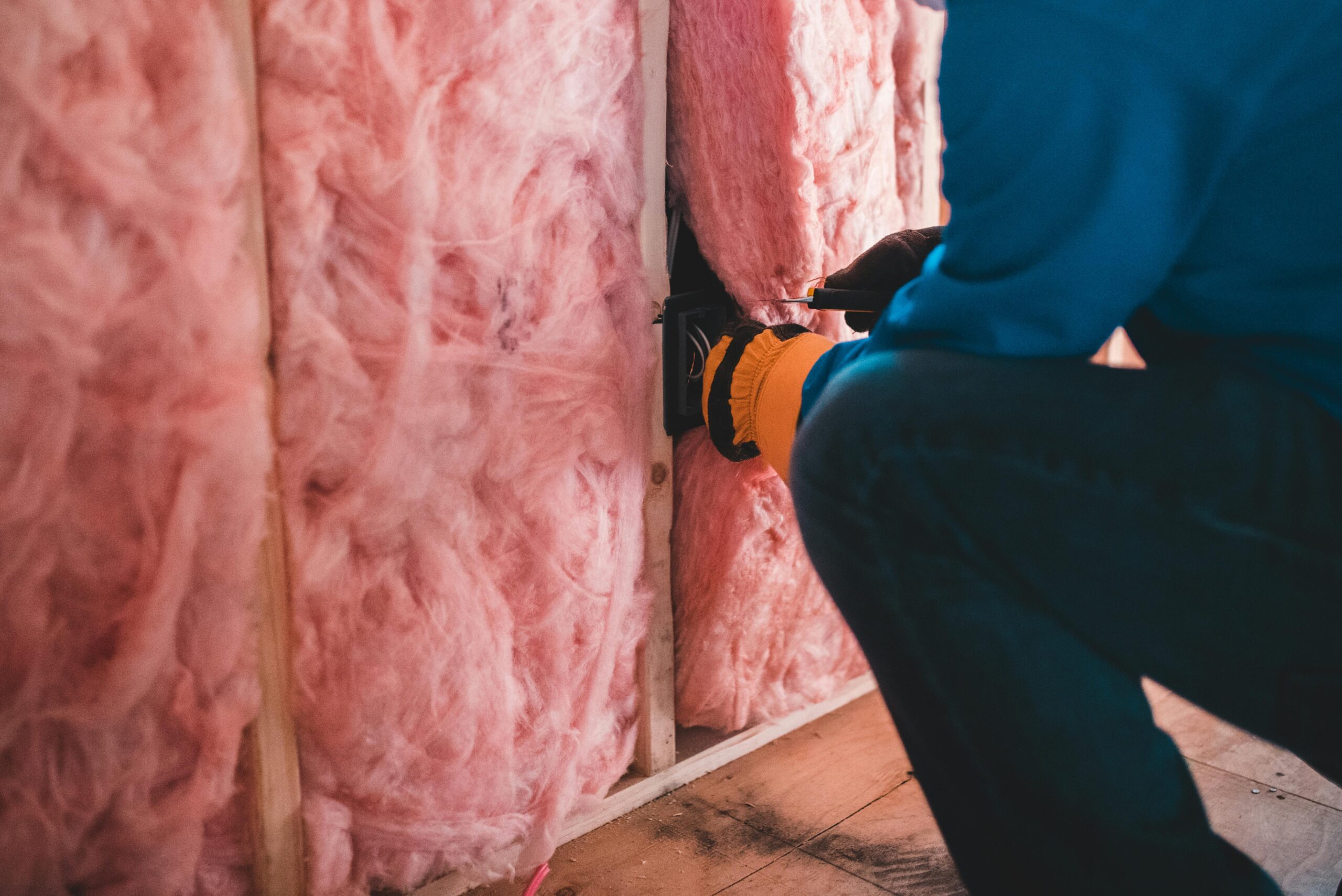
Blown-in fiberglass consists of loose fibers that professionals blow into wall cavities through small holes drilled from the exterior or interior. This material offers excellent thermal performance, resists moisture, and doesn’t settle significantly over time. It’s also non-combustible and relatively affordable, making it a popular choice for many retrofit applications.
Cellulose insulation is made from recycled paper products treated with fire retardants. When blown into wall cavities, it fills gaps thoroughly and offers good thermal performance. Cellulose is environmentally friendly and often less expensive than other options, though it can settle slightly over time and must be installed at proper density to prevent this issue.
Spray foam insulation expands to fill cavities completely, creating an air-tight seal that provides superior thermal performance and air sealing in one application. While more expensive than other options, spray foam offers the highest R-value per inch and addresses air leakage simultaneously. It’s particularly effective in irregular cavities or when maximum performance is desired.
Mineral wool (rock wool or slag wool) offers excellent fire resistance, sound absorption, and moisture resistance. It maintains its insulating properties even when exposed to moisture and doesn’t support mold growth. While typically more expensive than fiberglass or cellulose, mineral wool’s durability and performance make it worth considering for long-term value.
Comparing Insulation Performance
| Material | R-Value per Inch | Moisture Resistance | Cost Level |
|---|---|---|---|
| Blown Fiberglass | 2.2 – 2.7 | Excellent | Moderate |
| Cellulose | 3.2 – 3.8 | Good | Low-Moderate |
| Spray Foam | 3.5 – 6.5 | Excellent | High |
| Mineral Wool | 3.0 – 3.3 | Excellent | Moderate-High |
📋 The Professional Installation Process Explained
Understanding what happens during professional wall cavity insulation installation helps you prepare appropriately and know what to expect. The process typically follows a systematic approach designed to maximize effectiveness while minimizing disruption to your daily life.
The first step involves a thorough assessment of your home’s existing insulation levels, wall construction type, and any potential issues like moisture problems or structural concerns. Professional installers use thermal imaging cameras and other diagnostic tools to identify areas needing attention and verify that wall cavities are suitable for insulation.
Preparation includes protecting your home’s interior and exterior surfaces, moving furniture away from walls, and removing wall hangings. Installers drill small access holes (typically 1-2 inches in diameter) in strategic locations—either from outside through the exterior cladding or from inside through drywall. The number and placement of holes depends on wall construction and cavity configuration.
The actual insulation installation involves specialized equipment that blows or sprays material into cavities at controlled density and volume. Experienced technicians monitor the fill process to ensure complete coverage without voids or overpacking. For blown insulation, they may use density sensors or tube cameras to verify proper fill levels.
After insulation installation, technicians seal all access holes. Exterior holes are patched to match existing cladding, while interior holes receive drywall plugs and finish treatment. Professional installers should leave your home looking as it did before work began, with only subtle evidence of the access points.
Timeline and Disruption Expectations
Most wall cavity insulation upgrades for an average-sized home take one to three days to complete. The actual installation time depends on home size, complexity of wall framing, and chosen insulation material. While some noise and activity are inevitable, professional crews work efficiently to minimize disruption. Many homeowners continue normal activities during installation, though you may prefer to be away during the noisiest phases.
🔍 Identifying Whether Your Home Needs an Upgrade
Several signs indicate that your wall cavity insulation may be inadequate or non-existent. Recognizing these indicators helps you determine whether an upgrade makes sense for your situation.
- Temperature inconsistency: If rooms feel significantly colder or warmer than your thermostat setting, especially those with exterior walls, insufficient wall insulation is likely contributing.
- High energy bills: When your heating and cooling costs seem disproportionately high compared to similar homes in your area, poor insulation often explains the difference.
- Cold walls and drafts: Exterior walls that feel cold to the touch during winter or the presence of drafts near walls suggest inadequate insulation.
- HVAC runs constantly: If your heating or cooling system rarely cycles off, it’s working overtime to compensate for heat loss or gain through building envelope deficiencies.
- Age of home: Homes built before 1980 frequently have little to no wall insulation, as building codes and construction practices were less stringent regarding energy efficiency.
- Exterior noise intrusion: Excessive outside noise filtering into your home often indicates gaps in your thermal envelope that insulation would address.
A professional energy audit provides definitive answers about your home’s insulation needs. These assessments use blower door tests, thermal imaging, and detailed inspections to identify exactly where energy losses occur and quantify potential savings from various improvements.
🌟 Maximizing Your Investment with Complementary Upgrades
While wall cavity insulation delivers substantial benefits on its own, combining it with complementary energy efficiency improvements creates synergistic effects that maximize comfort and savings. Strategic planning ensures you get the most value from your investment.
Air sealing should be addressed before or during wall insulation installation. Even the best insulation performs poorly if air leaks around windows, doors, electrical outlets, and other penetrations allow conditioned air to escape. Professional installers can identify and seal these gaps, ensuring your new insulation works at peak effectiveness.
Attic insulation upgrades pair naturally with wall cavity improvements. Since heat rises, attic spaces represent another major source of energy loss. Addressing both walls and attic together creates a comprehensive thermal envelope that dramatically reduces energy consumption.
Window upgrades complement wall insulation by addressing another significant source of heat transfer. If your budget allows, replacing single-pane windows or adding storm windows when upgrading wall insulation creates a highly efficient building envelope.
Creating Your Home Efficiency Roadmap
Prioritizing improvements based on return on investment and current deficiencies helps you plan strategically. For most homes, the hierarchy typically follows this order: air sealing, attic insulation, wall insulation, windows, and then additional refinements. However, your specific situation may warrant a different approach based on existing conditions and budget constraints.
⚡ Long-Term Maintenance and Performance Monitoring
One of wall cavity insulation’s greatest advantages is that it requires virtually no maintenance once properly installed. Unlike mechanical systems that need regular servicing, insulation simply performs its function year after year without attention. However, understanding what to monitor ensures continued effectiveness.
Most quality insulation materials maintain their performance characteristics for the life of your home. Fiberglass, mineral wool, and spray foam don’t settle, degrade, or lose R-value over time when properly installed. Cellulose may settle slightly, which is why proper installation density is critical during the initial application.
Moisture intrusion represents the primary threat to insulation performance. While insulation materials themselves typically resist moisture damage, water entering wall cavities through leaks or condensation can create problems. Maintaining your home’s exterior cladding, roof, gutters, and drainage systems protects your insulation investment by preventing moisture issues.
Monitoring your energy bills provides the best indicator of continued insulation performance. If energy consumption increases unexpectedly, investigate potential causes including HVAC system problems, air leaks, or compromised insulation. Modern smart home energy monitors make tracking consumption patterns easier than ever, helping you identify issues quickly.
🌍 Environmental Benefits Beyond Your Home
The environmental case for wall cavity insulation extends far beyond individual savings. Reduced energy consumption translates directly to lower greenhouse gas emissions, as most home heating and cooling relies on fossil fuels either directly or through electricity generation.
A typical wall insulation upgrade prevents several tons of CO2 emissions annually. Multiply this across thousands of homes, and the cumulative environmental impact becomes substantial. Many environmentally conscious homeowners find that the positive ecological contribution provides additional motivation beyond financial considerations.
Choosing insulation materials with recycled content or low embodied energy further enhances environmental benefits. Cellulose insulation made from recycled paper and mineral wool produced from industrial byproducts offer particularly strong sustainability profiles. Even the manufacturing and installation energy required for these materials is typically recovered through energy savings within the first year or two of use.
🎯 Taking Action: Your Next Steps
Transforming your home with wall cavity insulation begins with education and proper planning. Armed with understanding of benefits, materials, and processes, you’re ready to move forward with confidence.
Start by obtaining multiple quotes from reputable insulation contractors. Look for professionals with proper licensing, insurance, and certifications from organizations like the Insulation Contractors Association of America. Check references and review past projects to ensure quality workmanship.
Ask detailed questions about recommended materials, installation methods, expected R-values, warranty coverage, and projected energy savings. Legitimate professionals provide transparent information and help you understand choices rather than pushing specific products without explanation.
Investigate available incentives and financing options before committing. Many utility companies offer rebates for insulation upgrades, while government programs provide tax credits or low-interest loans. These opportunities can significantly reduce your net investment and improve overall returns.
Schedule installation during moderate weather when possible. While insulation can be installed year-round, comfortable temperatures make the process more pleasant and may offer more scheduling flexibility with contractors.
The decision to upgrade your wall cavity insulation represents an investment in your home’s future performance, your family’s comfort, and environmental responsibility. With proper materials, professional installation, and strategic planning, you’ll enjoy benefits that compound year after year, making your home more efficient, comfortable, and valuable. The best time to start is now—every month you delay is another month of unnecessary energy waste and missed savings opportunities. Transform your home today and begin enjoying the multiple rewards that comprehensive wall cavity insulation provides.