Drafty homes waste energy and money every single day. Sealing air leaks is one of the most cost-effective ways to improve comfort and reduce utility bills significantly.

💨 Why Air Leaks Are Silently Draining Your Wallet
Most homeowners don’t realize that their heating and cooling systems are working overtime to compensate for air escaping through tiny gaps and cracks throughout their home. These invisible energy thieves can account for 25-30% of your home’s heating and cooling costs, according to energy efficiency experts. That’s like leaving a window open year-round and still expecting your HVAC system to maintain comfortable temperatures.
Air leaks occur in numerous locations throughout typical homes. Common culprits include gaps around windows and doors, electrical outlets, recessed lighting fixtures, attic hatches, basement rim joists, and anywhere different building materials meet. Even seemingly minor cracks can collectively create an opening equivalent to leaving a window wide open continuously.
The financial impact extends beyond immediate energy bills. When your heating and cooling equipment runs constantly to overcome air leakage, it experiences additional wear and tear, potentially shortening its lifespan and leading to expensive repairs or premature replacement. Meanwhile, you’re paying premium prices for conditioned air that literally disappears into your walls, attic, or outdoors.
🔍 Detecting the Hidden Gaps in Your Home
Before you can fix air leaks, you need to find them. Professional energy auditors use specialized equipment like blower doors and infrared cameras, but homeowners can identify many problem areas using simple detection methods that cost little to nothing.
Start with the hand test on a windy day. Move your hand slowly around window frames, door edges, electrical outlets, baseboards, and other potential leak locations. You’ll often feel temperature differences or air movement indicating escaping conditioned air. This low-tech approach works surprisingly well for identifying major leaks.
The incense stick or smoke pencil method provides visual confirmation of air movement. Light an incense stick and hold it near suspected leak areas. Watch the smoke carefully—if it wavers horizontally or gets sucked toward or blown away from a surface, you’ve found an air leak. This technique is particularly effective around windows, doors, and attic access points.
Visual inspection reveals many obvious problems. Look for daylight peeking through gaps around door frames and window casings. Check for separated caulking, cracked weatherstripping, and gaps where different materials meet. Examine areas where pipes, wires, or vents penetrate walls, floors, or ceilings—these penetrations frequently lack proper sealing.
Professional Energy Audits: Worth the Investment?
For comprehensive leak detection, professional energy audits provide detailed insights using advanced diagnostic tools. Blower door tests depressurize your home to measure total air leakage and pinpoint specific problem areas. Thermal imaging cameras reveal temperature variations indicating insulation gaps and air infiltration pathways invisible to the naked eye.
Many utility companies offer subsidized or free home energy assessments, making professional audits more accessible than you might expect. These audits typically include detailed reports prioritizing improvements by cost-effectiveness and potential savings, helping you make informed decisions about where to focus sealing efforts first.
🛠️ Essential Tools and Materials for Sealing Success
Successful air sealing requires the right materials matched to specific applications. Understanding which products work best for different situations ensures lasting results and prevents wasted effort on temporary fixes that fail within months.
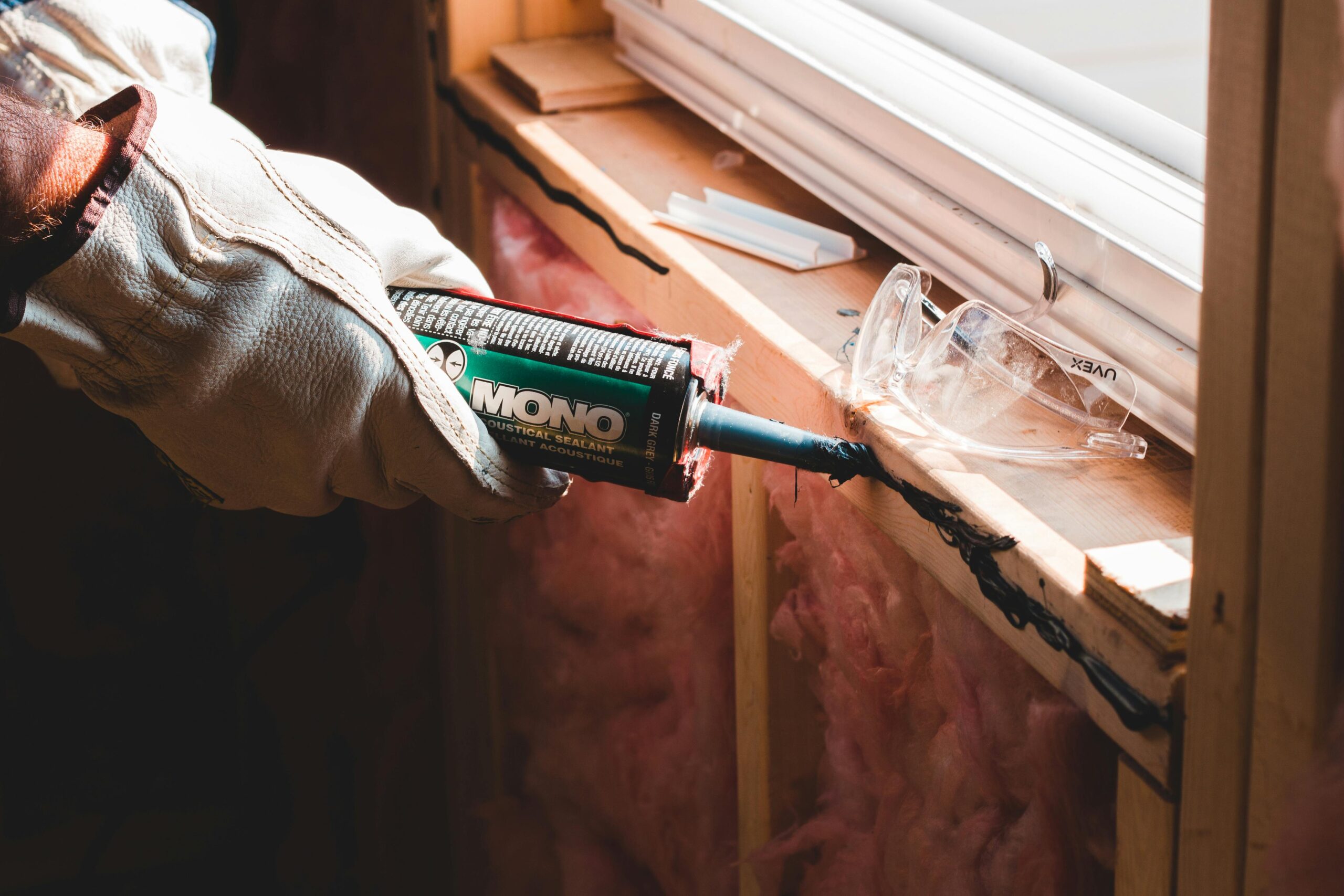
Caulk remains the workhorse for sealing stationary gaps and cracks up to about one-quarter inch wide. Acrylic latex caulk works well for interior applications and can be painted, making it ideal for visible areas. For exterior applications or areas exposed to moisture, silicone or polyurethane caulks offer superior water resistance and durability, though they typically cannot be painted.
Weatherstripping seals movable components like doors and windows. Several types serve different purposes: adhesive-backed foam tape provides an economical solution for narrow, even gaps; V-strip (tension seal) works excellently for door sides and window sashes; door sweeps attach to door bottoms to seal gaps above thresholds; and bulb or tubular rubber gaskets suit irregular gaps requiring compressible sealing.
Expanding foam sealant fills larger gaps, cracks, and cavities, expanding to completely fill irregular spaces. Use minimal-expanding foam around windows and doors to avoid warping frames, and regular or high-expansion foam for larger gaps in attics, basements, and between framing members. Always follow manufacturer instructions carefully, as over-application can cause structural problems.
Specialized Materials for Specific Applications
Some situations require specialized sealing materials. Fireblocking caulks and foams are essential around chimneys, furnaces, and other heat sources. Electrical outlet gaskets provide quick sealing for switch and outlet boxes. Attic stair covers or insulated boxes dramatically reduce air leakage through pull-down attic access points. Chimney balloons seal unused fireplaces when not in use, preventing conditioned air from escaping up the flue.
🏠 Room-by-Room Sealing Strategy
A systematic approach ensures you address the most significant leaks first, maximizing energy savings and comfort improvements. Different areas present unique challenges and opportunities for air sealing.
Attic and Roof Interfaces
The attic represents one of the most critical areas for air sealing because warm air naturally rises, concentrating leakage problems at the top of your home. Focus first on the largest openings: seal around attic access hatches with weatherstripping and consider building an insulated cover box. Address gaps around plumbing vents, electrical wires, recessed lights, and ductwork penetrations using appropriate fire-rated materials.
Pay special attention to the rim joist area where walls meet the attic floor—this often-overlooked space can have massive air leakage. Seal gaps between the top plate and drywall, and around any ductwork or chimney chases passing through the attic. Remember to maintain proper ventilation; don’t seal soffit vents or other intentional ventilation designed to prevent moisture problems.
Windows and Doors: The Obvious Suspects
Windows and doors account for significant air leakage in most homes, but solutions are straightforward. Remove old, deteriorated caulk and weatherstripping before applying fresh materials. Caulk the exterior perimeter where window and door frames meet siding, and seal interior gaps between frames and drywall with paintable caulk.
Replace worn weatherstripping on all operable windows and doors. Ensure proper door sweep installation, adjusting height so sweeps create a seal without interfering with door operation. For particularly drafty single-pane windows, consider applying window film insulation kits during cold months—these create an additional air barrier and improve insulation value substantially.
Basement and Foundation Vulnerabilities
Basements and crawl spaces contain numerous air leakage pathways often overlooked during sealing projects. The rim joist—where the foundation meets the wooden floor framing—typically has significant gaps allowing outside air infiltration. Cut rigid foam insulation to fit between joists, seal edges with expanding foam, and caulk any remaining gaps.
Seal around all foundation penetrations where utilities enter your home, including water pipes, gas lines, electrical conduits, and cable entries. Apply foam sealant or caulk depending on gap size, using fire-rated materials around gas lines. Don’t forget to seal the perimeter of basement windows and the joint between the foundation wall and sill plate.
Living Spaces: Hidden Leak Sources
Air leaks in living areas might seem less obvious but collectively contribute substantially to energy loss. Install foam gaskets behind outlet and switch plate covers on exterior walls—this simple five-minute task per outlet prevents surprising amounts of air infiltration. Seal gaps around baseboards where they meet exterior walls, particularly in older homes where settling has created separation.
Address gaps around interior door frames and casing trim using caulk that can be painted to match. Seal around plumbing penetrations under sinks where pipes pass through cabinets into walls. Check behind appliances against exterior walls, sealing any visible gaps around ductwork or utility connections.
⚡ Maximizing Energy Savings Beyond Air Sealing
While sealing air leaks provides excellent returns, complementary improvements multiply energy savings and comfort benefits. Strategic insulation upgrades work synergistically with air sealing to create a comprehensive thermal barrier.
After sealing air leaks, assess whether additional insulation would benefit your home. Air sealing should always precede insulation installation since airflow can undermine insulation effectiveness. Attics typically offer the best return on insulation investment, with adding insulation to reach R-38 to R-60 (depending on climate) providing substantial energy savings.
HVAC system maintenance ensures your heating and cooling equipment operates efficiently after reducing air leakage. Schedule professional tune-ups annually, change filters regularly, and consider upgrading to a programmable or smart thermostat that adjusts temperatures based on occupancy patterns. When sealed homes require less heating and cooling capacity, properly maintained equipment runs more efficiently at lower costs.
Smart Home Technology for Energy Monitoring
Energy monitoring apps and devices help track the impact of your air sealing efforts, providing tangible evidence of savings and identifying remaining inefficiencies. Smart thermostats learn your preferences while optimizing energy use, and whole-home energy monitors reveal consumption patterns by individual circuits or appliances.
Many utility companies now offer smartphone apps that track daily energy usage, compare your consumption to similar homes, and provide personalized efficiency recommendations. These digital tools transform abstract energy concepts into concrete data, motivating continued efficiency improvements and validating the effectiveness of your air sealing investments.
💰 Return on Investment: What to Expect
Air sealing projects typically deliver outstanding returns compared to other home improvements. The average homeowner spends between $300-$600 on materials for comprehensive DIY air sealing, with potential annual energy savings of $200-$400 or more depending on home size, climate, and previous leakage severity.
This translates to payback periods of just 1-3 years—among the fastest returns of any energy efficiency upgrade. Unlike many home improvements that take decades to recoup costs, air sealing begins saving money immediately and continues delivering benefits throughout your home’s lifetime. Additionally, improved comfort, reduced drafts, and better humidity control provide quality-of-life benefits that extend beyond simple financial calculations.
Homes in extreme climates (very hot or very cold) typically see the largest savings, as the temperature difference between indoors and outdoors drives air infiltration and associated energy loss. However, even homes in moderate climates benefit substantially from air sealing, particularly during peak heating and cooling seasons.
Increased Home Value and Marketability
Energy-efficient homes command premium prices and sell faster than comparable inefficient properties. Home energy ratings and certifications increasingly influence buyer decisions, with documented efficiency improvements like comprehensive air sealing enhancing property values. Many buyers specifically seek homes with lower operating costs, making your air sealing investment attractive during resale.
🌡️ Comfort Improvements Beyond Energy Savings
While reduced energy bills provide compelling motivation, comfort improvements often prove even more valuable to homeowners who complete air sealing projects. Eliminating drafts creates more consistent temperatures throughout your home, reducing cold spots near windows and exterior walls that make rooms uncomfortable despite adequate heating.
Sealed homes maintain more stable humidity levels, improving comfort during both summer and winter. Excessive air leakage allows humid outdoor air to infiltrate during summer, making air conditioning less effective and creating clammy conditions. During winter, heated indoor air escaping through leaks carries moisture with it, leaving remaining air uncomfortably dry.
Air sealing also reduces outdoor noise infiltration, creating quieter living spaces—particularly valuable for homes near busy roads, airports, or other noise sources. Additionally, preventing uncontrolled air infiltration reduces dust, pollen, and outdoor pollutants from entering your home, potentially benefiting family members with allergies or respiratory sensitivities.
🔧 Common Mistakes to Avoid When Sealing Air Leaks
Even well-intentioned air sealing efforts can go wrong without proper knowledge. Avoid these common mistakes to ensure successful, lasting results that don’t create new problems while solving old ones.
Never seal intentional ventilation designed for combustion appliances, bathrooms, kitchens, or attic spaces. Homes need controlled ventilation for indoor air quality and moisture management—air sealing targets uncontrolled, unintentional leaks while preserving necessary ventilation paths. When sealing tightly, consider whether additional mechanical ventilation like bathroom exhaust fans or heat recovery ventilators would benefit indoor air quality.
Using incorrect materials for specific applications leads to premature failure. Don’t use standard expanding foam around window and door frames—use minimal-expansion foam designed for these applications to prevent frame warping. Avoid using non-paintable caulk in visible locations where you’ll want to paint over repairs. Select moisture-resistant materials for wet areas and fire-rated products around heat sources.
Over-application of expanding foam creates problems rather than solving them. Foam continues expanding after application, potentially bowing framing members or warping door and window frames if used excessively. Apply conservatively, allowing foam to expand and fill gaps naturally. You can always add more if needed after the initial application cures.
Balancing Air Sealing with Ventilation Needs
Older, leaky homes often rely on unintentional air infiltration for ventilation, though this provides poor air quality control while wasting energy. After substantially reducing air leakage, ensure adequate controlled ventilation exists. Bathroom and kitchen exhaust fans should vent directly outdoors (not into attics), and regular operation removes moisture and pollutants while providing necessary fresh air exchange.
🌍 Environmental Impact of Air Sealing
Beyond personal financial benefits, air sealing contributes meaningfully to environmental conservation. Residential buildings account for approximately 20% of total energy consumption in developed nations, with substantial portions wasted through air leakage. Reducing this waste decreases fossil fuel consumption and associated greenhouse gas emissions.
When millions of homes implement comprehensive air sealing, the cumulative environmental impact becomes substantial. Each sealed home reduces carbon dioxide emissions by an average of 1-2 tons annually—equivalent to planting dozens of trees or taking a car off the road for several months. This makes air sealing one of the most accessible, cost-effective actions individual homeowners can take to reduce their environmental footprint.
Air sealing also reduces peak energy demand during extreme weather events when electrical grids face maximum stress. By requiring less heating and cooling capacity, sealed homes collectively reduce the need for additional power generation infrastructure and decrease the likelihood of brownouts or blackouts during temperature extremes.
🎯 Getting Started: Your Action Plan for a Sealed Home
Transform your drafty home into an energy-efficient haven by following this practical action plan. Start with quick wins that build confidence and deliver immediate results before tackling more complex sealing projects.
Begin by conducting your own leak detection survey using the hand test and visual inspection methods described earlier. Create a prioritized list focusing first on the largest, most accessible leaks that will deliver maximum impact. Attic penetrations, door weatherstripping, and window caulking typically offer excellent starting points for most homes.
Gather appropriate materials before starting work, ensuring you have the right products for each application. Set aside a weekend for your initial major sealing effort, tackling high-priority items systematically rather than jumping randomly between projects. Many homeowners find it helpful to complete all similar tasks together—seal all windows one day, address attic penetrations the next—creating efficient workflows that prevent repeated tool and material gathering.
After completing initial sealing, monitor your energy bills over subsequent months to document savings. Many utilities provide online usage graphs comparing current consumption to previous years, making it easy to see the impact of your efforts. Use these results as motivation for addressing remaining leaks and implementing complementary efficiency improvements.
Consider scheduling a professional energy audit after completing DIY sealing efforts to identify any remaining problem areas you might have missed. Professionals can verify your work’s effectiveness and suggest additional improvements offering the best returns on further investment.
Air sealing represents one of the smartest investments you can make in your home—delivering rapid financial returns, immediate comfort improvements, and lasting environmental benefits. By methodically identifying and sealing the gaps and leaks throughout your home, you take control of energy costs while creating a more comfortable living environment for years to come. The tools and materials are affordable, the techniques are manageable for most homeowners, and the results speak for themselves in lower utility bills and improved comfort. Start today with even just one room or area, and you’ll quickly understand why energy experts consistently rank air sealing as the top priority for home energy efficiency improvements. Your comfort, wallet, and the environment will all benefit from the effort you invest in sealing the deal against energy-wasting air leaks.