Modern construction demands smarter solutions to control sound transmission. Resilient channels have emerged as a game-changing technology for acoustic isolation in residential and commercial buildings worldwide.

🔧 Understanding Resilient Channel Technology in Contemporary Building Design
Resilient channels represent a sophisticated approach to sound control that has revolutionized how architects and builders approach acoustic design. These metal channels create a decoupled barrier between drywall and structural framing, interrupting the direct path that sound waves typically follow through building assemblies.
The fundamental principle behind resilient channels involves breaking the mechanical connection that allows vibrations to transfer from one surface to another. When sound waves hit a wall or ceiling, they create vibrations that travel through solid materials. By introducing a flexible, spring-like element into the assembly, resilient channels absorb and dissipate these vibrations before they can transmit to adjacent spaces.
Traditional construction methods often overlook the importance of acoustic separation, leading to noise complaints and reduced property values. Resilient channels address this oversight by providing an engineered solution that significantly improves Sound Transmission Class (STC) ratings without requiring substantial modifications to existing construction practices.
🏗️ Key Components That Make Resilient Channels Effective
The effectiveness of resilient channel systems depends on several critical design elements that work together to maximize acoustic performance. Understanding these components helps construction professionals make informed decisions about product selection and installation methods.
Material Composition and Structural Design
High-quality resilient channels typically feature galvanized steel construction with specific gauge requirements that balance flexibility with structural integrity. The profile shape plays a crucial role, with most effective designs incorporating a hat-shaped or Z-shaped cross-section that provides optimal spring characteristics.
The spacing and thickness of the metal directly influence the system’s ability to absorb vibrations across different frequency ranges. Thinner materials may excel at isolating high-frequency sounds like voices, while more robust designs handle low-frequency rumble from mechanical equipment or traffic noise.
Installation Methodology and Best Practices
Proper installation separates successful acoustic projects from disappointing failures. Resilient channels must be installed perpendicular to ceiling joists or wall studs, with careful attention to maintaining consistent spacing throughout the assembly.
Critical installation considerations include:
- Maintaining 24-inch center-to-center spacing for most residential applications
- Ensuring channels run perpendicular to framing members without rigid connections at perimeter walls
- Using appropriate fasteners that don’t compromise the decoupling effect
- Avoiding penetrations that create sound bridges through the assembly
- Staggering drywall joints to prevent acoustic weak points
📊 Quantifying Acoustic Performance Improvements
Understanding the measurable benefits of resilient channel systems helps justify their cost and complexity in construction projects. Acoustic performance is typically evaluated using standardized testing protocols that measure sound transmission across various frequencies.
| Assembly Type | STC Rating | Improvement |
|---|---|---|
| Standard drywall on studs | 33-38 | Baseline |
| Double drywall on studs | 39-43 | +5-6 points |
| Single drywall with resilient channels | 45-52 | +12-14 points |
| Double drywall with resilient channels | 52-60 | +19-22 points |
These improvements translate to real-world noise reduction that occupants can clearly perceive. Each 10-point increase in STC rating roughly corresponds to a perceived halving of sound transmission, making resilient channels one of the most cost-effective interventions for acoustic control.
🏠 Innovative Applications in Residential Construction
Modern homes present unique acoustic challenges that resilient channels address effectively. Open floor plans, home theaters, multi-generational living arrangements, and increased density of housing all create situations where sound control becomes paramount to livability.
Multi-Family Housing and Condominium Projects
Building codes increasingly mandate specific acoustic performance standards for multi-family dwellings. Resilient channels provide a reliable method to meet or exceed these requirements, protecting developers from costly remediation and legal disputes while enhancing resident satisfaction.
Floor-ceiling assemblies benefit tremendously from resilient channel installation, particularly when combined with additional measures like sound-deadening underlayment and increased insulation density. This multi-layered approach addresses both airborne sound transmission and impact noise from footfalls and dropped objects.
Home Office and Remote Work Spaces
The dramatic increase in remote work has transformed acoustic priorities for residential design. Home offices require professional-grade sound isolation to ensure video conference quality and maintain household harmony during working hours.
Resilient channels enable homeowners to create dedicated work spaces with minimal sound leakage to adjacent rooms. This proves especially valuable in renovations where structural modifications would be impractical or prohibitively expensive.
🏢 Commercial and Institutional Applications
Commercial construction presents even more demanding acoustic requirements than residential projects. Offices, healthcare facilities, educational institutions, and hospitality venues all rely on superior sound control to function effectively.
Healthcare Facilities and Patient Privacy
HIPAA compliance and patient comfort require exceptional acoustic privacy in medical settings. Resilient channels contribute to wall and ceiling assemblies that prevent confidential conversations from being overheard while reducing stress-inducing ambient noise levels.
Operating rooms, diagnostic imaging suites, and intensive care units benefit from vibration isolation that resilient channels provide, minimizing interference with sensitive medical equipment while creating healing environments conducive to patient recovery.
Educational Environments and Learning Outcomes
Research consistently demonstrates the connection between classroom acoustics and student performance. Excessive reverberation and noise transmission between adjacent spaces impair speech intelligibility and cognitive function.
Resilient channels form a critical component of acoustic design strategies that optimize learning environments. When combined with appropriate ceiling tiles and wall treatments, they create spaces where teachers can be clearly heard and students can concentrate without distraction from neighboring classrooms.
⚡ Advanced Technologies and Product Innovations
The resilient channel market continues to evolve with new products that address specific performance challenges and installation constraints. Understanding these innovations helps specifiers select optimal solutions for demanding applications.
Nested Resilient Channel Systems
For situations requiring extreme acoustic isolation, nested or double-resilient channel systems provide additional layers of decoupling. These assemblies incorporate multiple stages of vibration isolation, achieving STC ratings exceeding 65 in properly designed assemblies.
While more complex and expensive than standard installations, nested systems prove invaluable for recording studios, critical listening rooms, and situations where neighbors include loud mechanical equipment or entertainment venues.
Pre-Engineered Acoustic Assemblies
Manufacturers now offer complete acoustic system packages that integrate resilient channels with specific drywall types, insulation products, and fastening schedules. These pre-engineered solutions provide tested performance data and simplified specification processes.
Such systems reduce the risk of field errors that compromise acoustic performance while streamlining the approval process with building officials who can reference standardized test results rather than evaluating custom assemblies.
💰 Cost-Benefit Analysis and Return on Investment
Budget considerations inevitably influence construction decisions, making it essential to understand the financial implications of resilient channel installation. While these systems add upfront costs, their long-term value often justifies the investment.
Material costs for resilient channels typically range from $0.40 to $1.20 per square foot depending on product quality and project scale. Installation labor adds approximately $0.50 to $1.50 per square foot when performed by experienced crews familiar with acoustic construction techniques.
These incremental costs must be weighed against potential savings from avoiding noise complaints, litigation, tenant turnover, and post-construction remediation. Property values in multi-family buildings with superior acoustic performance command premium pricing and experience lower vacancy rates.
🎯 Common Installation Mistakes and How to Avoid Them
Even well-designed resilient channel systems can fail to deliver expected performance when installation errors compromise their effectiveness. Recognizing these pitfalls helps ensure successful project outcomes.
Short-Circuiting the Acoustic Break
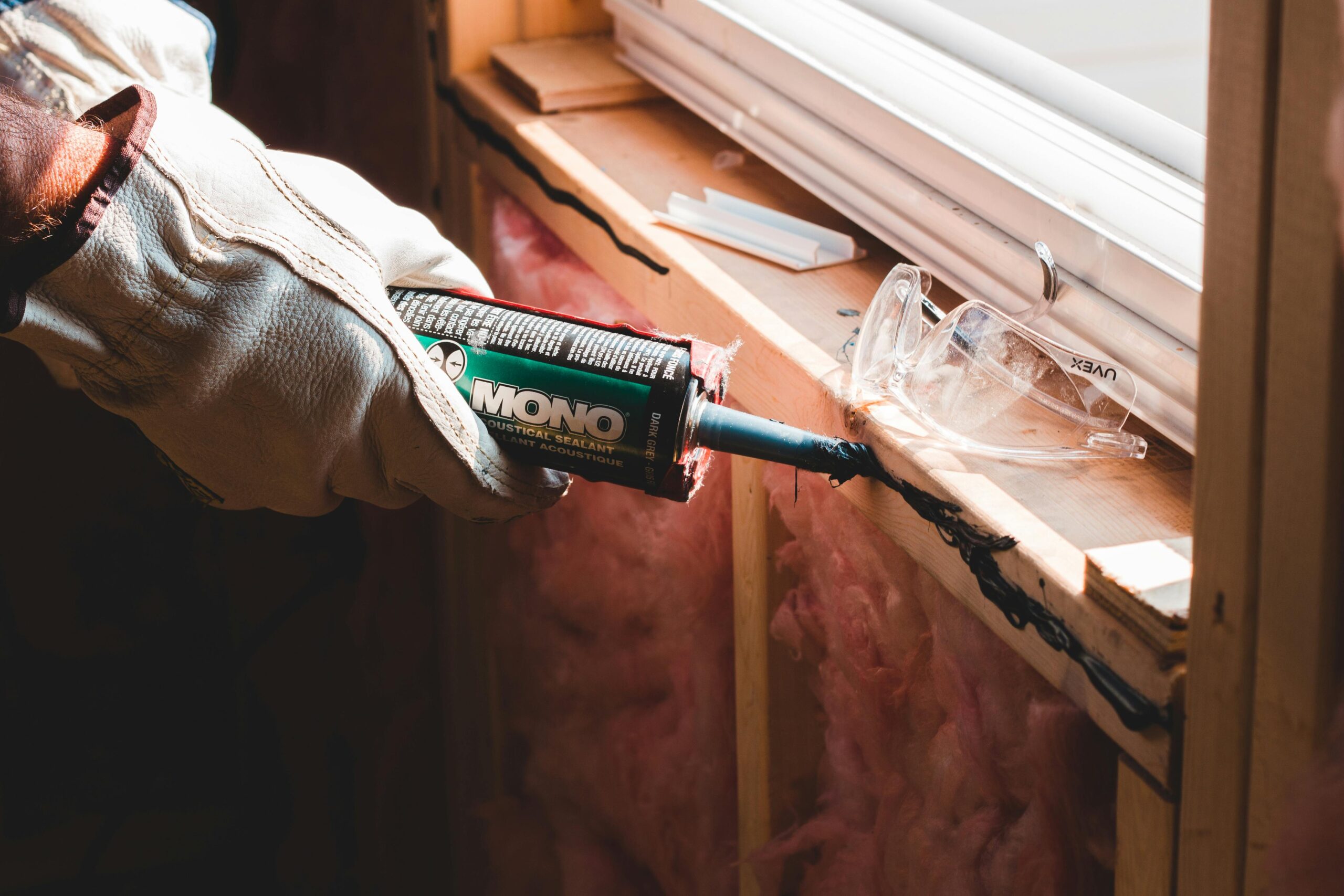
The most common mistake involves creating rigid connections that bypass the resilient mounting system. Electrical boxes fastened through channels to framing members, HVAC registers with flanges that contact both drywall and structure, and perimeter fasteners that nail drywall directly to adjacent walls all create sound bridges that severely degrade performance.
Careful coordination between trades and vigilant quality control during installation prevent these acoustic short-circuits. Using specialized electrical boxes designed for acoustic assemblies and maintaining proper clearances at all perimeter conditions proves essential.
Inadequate Fastening and Structural Support
Conversely, insufficient attachment of resilient channels to structural members or inadequate drywall fastening to channels can cause system failure. Channels must be securely fastened at appropriate intervals, and drywall must be properly supported to prevent sagging or detachment.
Following manufacturer specifications regarding fastener types, spacing, and installation techniques ensures both acoustic performance and structural integrity throughout the building’s service life.
🌍 Sustainability and Environmental Considerations
Modern construction increasingly prioritizes environmental responsibility alongside performance and cost. Resilient channel systems contribute to sustainable building practices in several important ways.
The acoustic comfort provided by these systems reduces the need for active noise control measures that consume energy. Buildings with superior sound isolation require less mechanical ventilation to mask noise, contributing to reduced operational energy consumption.
Many resilient channel products incorporate recycled steel content and are themselves fully recyclable at end of life. This circular material flow aligns with green building certification requirements and reduces the environmental impact of construction activities.
🔮 Future Trends in Acoustic Construction Technology
The field of architectural acoustics continues to advance, with resilient channels evolving to meet emerging needs and integrate with complementary technologies. Several trends are shaping the future of acoustic construction.
Smart building systems increasingly incorporate acoustic monitoring that provides real-time feedback about sound transmission and ambient noise levels. This data enables building managers to verify acoustic performance and identify problems before they generate complaints.
Advanced materials science promises resilient channel designs with improved performance-to-weight ratios and enhanced vibration damping across broader frequency ranges. Composite materials and optimized geometries derived from computational modeling may deliver superior results with less material consumption.

🎓 Specifying and Integrating Resilient Channels Successfully
Successful acoustic design requires coordination across multiple disciplines and careful attention to how resilient channels integrate with other building systems. Architects, engineers, and contractors must collaborate to achieve optimal results.
Early involvement of acoustic consultants in the design process helps identify critical areas requiring enhanced sound control and ensures that resilient channel systems are properly specified for specific performance targets. This proactive approach costs less than reactive remediation while delivering superior outcomes.
Documentation and testing protocols should be established before construction begins, with clearly defined performance criteria and verification methods. Post-installation acoustic testing confirms that assemblies meet design intent and provides valuable data for future projects.
The construction industry’s growing recognition of acoustic quality as a fundamental aspect of building performance ensures that technologies like resilient channels will continue to play an increasingly important role. As urban density increases and building uses diversify, the ability to control sound transmission effectively becomes not just desirable but essential for creating functional, valuable built environments that serve occupants well throughout their lifecycle.