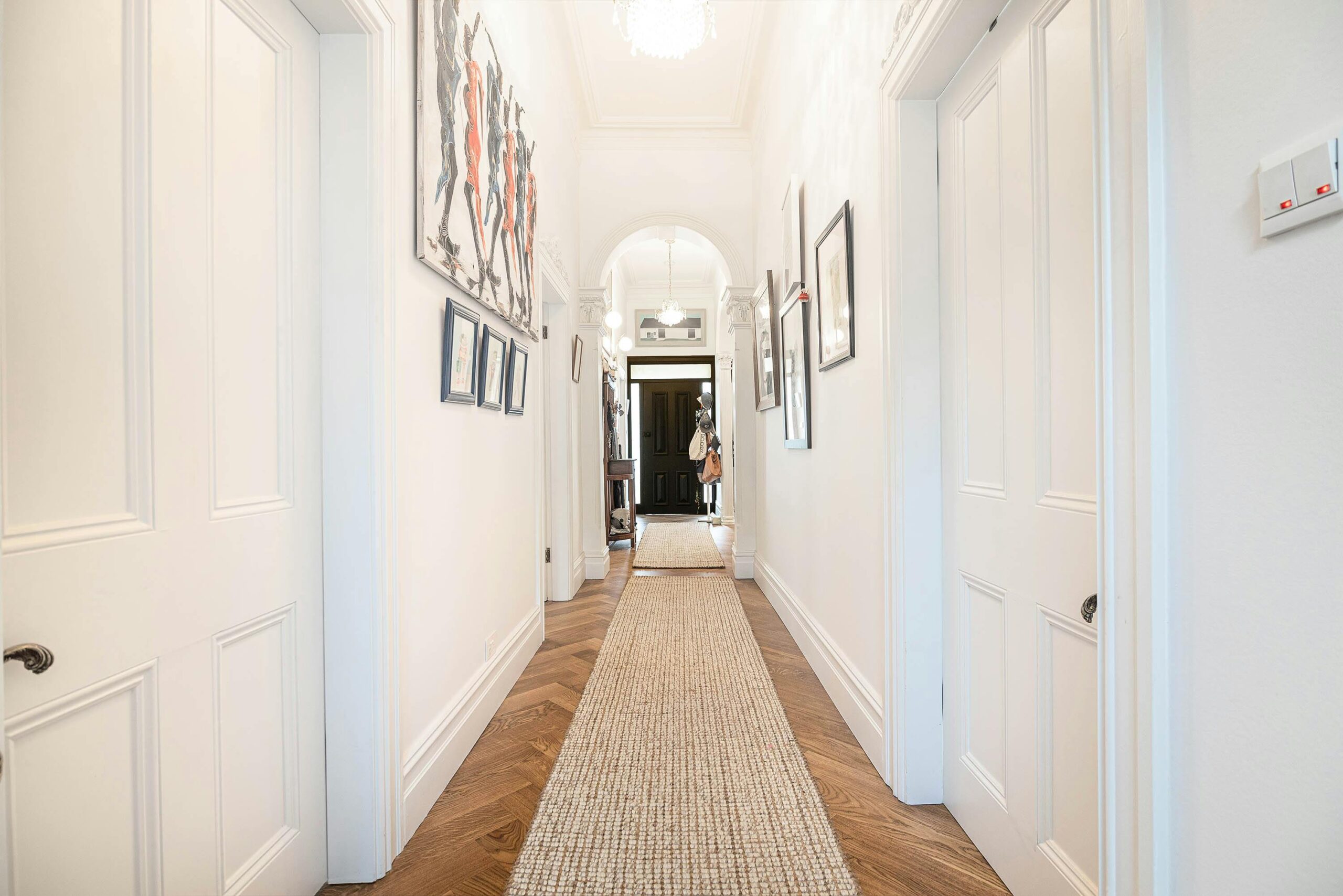
Modern living demands modern solutions, and modular sound panels offer the perfect blend of aesthetic appeal and acoustic performance to revolutionize any interior space. 🎨

In today’s world, where remote work, home studios, and multipurpose living spaces have become the norm, controlling sound quality has never been more critical. Whether you’re battling echo in a spacious loft, seeking privacy in an open-plan office, or creating the perfect ambiance for your home theater, modular sound panels represent a game-changing solution that doesn’t compromise on style.
These innovative acoustic treatments have evolved far beyond the bulky, utilitarian foam panels of the past. Today’s modular sound panels combine cutting-edge acoustic engineering with sophisticated design, offering customizable solutions that enhance both the visual and auditory experience of any room. They’re no longer just functional necessities—they’re architectural statements that reflect personal style while serving a crucial practical purpose.
🔊 Understanding the Science Behind Modular Sound Panels
Before diving into the aesthetic and practical applications, it’s essential to understand what makes modular sound panels so effective. These panels work by absorbing sound waves that would otherwise bounce off hard surfaces like walls, ceilings, and floors, creating unwanted echo, reverberation, and noise pollution.
The modular design refers to the panel system’s flexibility—individual units can be arranged, rearranged, and customized to meet specific acoustic needs and spatial requirements. Unlike permanent acoustic treatments that require professional installation and major commitment, modular panels offer unprecedented versatility.
Most quality sound panels utilize specialized materials such as high-density acoustic foam, fiberglass wrapped in fabric, recycled polyester fibers, or even innovative eco-friendly alternatives like hemp and cork. These materials are engineered with specific porous structures that trap sound energy, converting it into minimal heat through friction rather than reflecting it back into the room.
The Acoustic Performance Metrics That Matter
When evaluating sound panels, you’ll encounter several technical specifications. The Noise Reduction Coefficient (NRC) measures how much sound a material absorbs, with ratings from 0 (reflecting all sound) to 1 (absorbing all sound). Quality modular panels typically feature NRC ratings between 0.7 and 1.0, meaning they absorb 70-100% of sound energy.
Another important metric is the Sound Transmission Class (STC), which measures how well a material blocks sound from passing through it. While absorption and blocking are different properties, the best modular systems address both concerns, creating comprehensive acoustic solutions for diverse environments.
✨ The Aesthetic Revolution in Acoustic Design
Gone are the days when acoustic treatment meant sacrificing visual appeal. Today’s modular sound panels come in an extraordinary array of designs, colors, patterns, and textures that transform them from mere functional elements into focal points of interior design.
Contemporary manufacturers offer panels in geometric patterns, organic shapes, and sculptural forms that add three-dimensional interest to walls and ceilings. You can find options ranging from minimalist monochrome squares to vibrant artistic installations that double as modern art pieces. Some companies even offer custom printing services, allowing you to feature photography, branded graphics, or bespoke artwork on your acoustic panels.
The material variety extends beyond performance to include luxurious finishes like premium fabrics, natural wood veneers, perforated metal, and sustainable materials that align with eco-conscious design philosophies. This diversity means that whether your aesthetic leans toward industrial chic, Scandinavian minimalism, bohemian warmth, or corporate professionalism, there’s a modular sound panel solution that complements your vision perfectly.
Creating Visual Impact Through Strategic Placement
The modular nature of these panels opens up endless creative possibilities. You can create striking accent walls with contrasting colors, develop rhythmic patterns that guide the eye through a space, or cluster panels in organic arrangements that mimic natural formations. Some designers use panels to define zones within open-plan spaces, creating visual and acoustic separation without permanent walls.
Ceiling installations have become particularly popular, with suspended panel systems creating dynamic overhead landscapes that not only control sound but also add architectural interest to otherwise overlooked surfaces. These floating panel arrangements work especially well in spaces with high ceilings, where traditional wall-mounted solutions might be insufficient.
🏠 Room-by-Room Applications for Maximum Impact
The versatility of modular sound panels makes them suitable for virtually every room in your home or office. Let’s explore specific applications that demonstrate their transformative potential across different environments.
Home Offices and Remote Work Spaces
With remote work becoming permanent for many professionals, creating a productive home office environment is essential. Modular sound panels significantly improve the acoustic quality of video calls by reducing echo and background noise, making your communication clearer and more professional. They also help establish psychological boundaries in shared living spaces, signaling a dedicated work zone even in multipurpose rooms.
Position panels behind your desk to create an attractive video conference backdrop that also absorbs sound from behind you. Side wall installations reduce lateral reflections, while strategic ceiling placements control overhead echo in rooms with hard flooring.
Home Theaters and Entertainment Rooms
For audiophiles and cinema enthusiasts, acoustic treatment isn’t optional—it’s fundamental to experiencing content as creators intended. Modular panels optimize your listening environment by eliminating sound reflections that muddy dialogue clarity and distort music fidelity.
The strategic placement formula for home theaters typically includes panels at first reflection points (side walls at speaker level), behind the listening position, and on the ceiling between speakers and seating. The modular approach allows you to start with essential coverage and expand your acoustic treatment as budget permits, fine-tuning performance over time.
Bedrooms and Restful Retreats
Quality sleep depends significantly on controlling ambient noise, and modular panels create peaceful sanctuaries by dampening external sounds and reducing internal echo. This is particularly valuable in urban environments where street noise, neighboring activities, or household sounds can disrupt rest.
Soft, fabric-wrapped panels in calming colors contribute to bedroom aesthetics while improving acoustic comfort. Consider placing panels on the wall behind your bed as an attractive alternative to traditional headboards, or create a feature wall that serves both decorative and functional purposes.
Creative Studios and Music Spaces
Musicians, podcasters, content creators, and artists require controlled acoustic environments to produce professional-quality work. Modular sound panels provide essential treatment that can be precisely configured for different creative activities—recording, mixing, filming, or practicing.
The beauty of modular systems in creative spaces is their adaptability. As your equipment, layout, or creative focus changes, you can reconfigure panels to maintain optimal acoustics without starting from scratch. Many creators also appreciate the visual customization options, which allow them to brand their spaces or create aesthetically pleasing backgrounds for video content.
Open-Plan Living Areas
Modern open-concept homes offer spatial flow and natural light but often suffer from acoustic chaos—conversations echoing, television competing with kitchen sounds, and general noise amplification. Modular panels address these challenges without reinstalling walls, preserving openness while introducing acoustic definition.
Use panels to create subtle zone distinctions—defining dining areas separate from living spaces or establishing a quiet reading nook within a larger room. Vertical panel arrangements can function as partial dividers that maintain visual connection while providing sound separation.
💡 Installation Made Simple: The DIY-Friendly Advantage
One of the most compelling aspects of modular sound panels is their accessibility to DIY installation. Unlike traditional acoustic treatments that require professional expertise, specialized tools, or permanent alterations, modular systems are designed for straightforward implementation.
Most panels utilize simple mounting systems such as adhesive strips, French cleats, magnetic attachments, or suspended cable systems. These methods allow secure installation without damaging walls—a crucial consideration for renters or anyone hesitant about permanent modifications. Many systems can be installed, removed, and reinstalled multiple times without loss of effectiveness or appearance.
Planning Your Acoustic Layout
Before purchasing panels, assess your room’s specific acoustic challenges. Clap your hands and listen for echo duration—longer reverberation indicates greater absorption needs. Identify primary noise sources and areas where sound control matters most.
Most experts recommend covering 15-30% of wall surface area for noticeable acoustic improvement, though this varies based on room size, ceiling height, and existing furnishings (which also absorb sound). The modular approach allows you to start conservatively and add panels incrementally until achieving desired results.
When planning panel placement, consider both acoustic principles and visual balance. Symmetrical arrangements often appeal aesthetically, while acoustic optimization may require asymmetrical positioning based on speaker locations, window placements, and furniture arrangement.
🌱 Sustainability and Health Considerations
Modern consumers increasingly prioritize environmental responsibility and health-conscious choices in home products. The acoustic panel industry has responded with impressive innovations in sustainable materials and manufacturing processes.
Many premium manufacturers now offer panels made from recycled content—particularly recycled plastic bottles transformed into acoustic polyester. These eco-friendly options perform identically to traditional materials while diverting waste from landfills. Natural material panels utilizing wool, cork, hemp, and wood provide renewable alternatives with excellent acoustic properties and minimal environmental impact.
Health considerations extend to air quality and chemical exposure. Look for panels with low or zero VOC (volatile organic compound) emissions, particularly important in spaces where you spend extended time like bedrooms and offices. Reputable manufacturers provide transparency about material composition and certifications from organizations like GREENGUARD or OEKO-TEX.
📊 Investment Value: Cost Versus Benefits
Modular sound panels represent a spectrum of investment levels, with options ranging from budget-friendly basic panels to premium designer systems. Understanding the cost-benefit relationship helps make informed decisions aligned with your priorities and budget.
Entry-level panels typically range from $20-50 per square foot, offering solid acoustic performance with basic aesthetic options. Mid-range systems ($50-100 per square foot) expand design possibilities with better materials, more colors, and improved performance specifications. Premium and custom solutions can exceed $100 per square foot, featuring designer fabrics, architectural-grade materials, and bespoke design services.
When evaluating investment, consider long-term value beyond initial cost. Quality panels maintain performance and appearance for decades, unlike cheaper alternatives that may deteriorate, discolor, or lose effectiveness. The flexibility of modular systems also extends value—panels can move with you, adapt to new spaces, or be reconfigured for changing needs, unlike permanent acoustic installations.
Professional Impact and Property Value
For businesses, the investment in acoustic treatment often yields direct returns through improved productivity, reduced stress, and enhanced client perceptions. Professional spaces with controlled acoustics convey attention to detail and commitment to quality experiences.
In residential contexts, thoughtfully implemented acoustic treatments can enhance property appeal, particularly as home offices and media rooms become standard expectations rather than luxury features. Well-designed acoustic solutions contribute to the overall finish level and perceived quality of a property.
🎯 Choosing the Right System for Your Needs
With countless options available, selecting the ideal modular sound panel system requires balancing multiple factors: acoustic performance requirements, aesthetic preferences, budget constraints, installation capabilities, and future flexibility needs.
Start by clearly defining your primary objective—is sound absorption most important, or do you also need sound blocking? Are you addressing specific frequency problems (like bass rumble) or general echo reduction? Different panel types and configurations excel at different acoustic challenges.
Consider your timeline and commitment level. Pressure-sensitive adhesive systems offer the quickest installation but may limit future repositioning. Mechanical mounting systems take slightly longer to install but provide maximum flexibility for future changes.
Don’t overlook maintenance requirements. Fabric-wrapped panels may require occasional vacuuming to remove dust, while smooth-surface panels might need simple wiping. Understanding care requirements ensures your investment maintains both performance and appearance over time.
🚀 Future-Proofing Your Space with Modular Solutions
Perhaps the most compelling advantage of modular sound panels is their inherent adaptability to changing needs and circumstances. Unlike fixed architectural modifications, modular systems evolve with your life.
As your family grows, your home office relocates, or your creative pursuits shift, your acoustic treatment can follow. Panels can be reconfigured, supplemented, or completely redesigned without starting over. This flexibility represents both practical economy and creative freedom—you’re never locked into decisions that might later feel limiting.
The modular approach also allows phased implementation aligned with budget availability. Begin with essential coverage in priority areas, then expand treatment as resources allow. This graduated approach prevents the compromise of choosing inferior complete coverage over quality partial treatment.
🎨 Maximizing Both Function and Beauty
The ultimate success of modular sound panels lies in achieving perfect balance between acoustic performance and aesthetic contribution. These shouldn’t be competing priorities—the best implementations enhance both dimensions simultaneously.
Think of acoustic panels as functional art that serves your ears as beautifully as it serves your eyes. With thoughtful selection and strategic placement, these elements become integrated aspects of your design vision rather than afterthought additions.
Whether you’re creating a professional studio environment, optimizing a home theater, bringing tranquility to your bedroom, or simply reducing the acoustic chaos of everyday life, modular sound panels offer elegant, effective, and entirely achievable solutions. They represent the rare intersection where technology, design, and practicality converge to genuinely improve daily experience.
The transformation begins with a single panel—a commitment to better sound, more beautiful spaces, and environments that truly support how you live, work, and create. In our increasingly noisy world, taking control of your acoustic environment isn’t just a luxury; it’s an essential element of creating spaces where you can truly thrive. 🏡✨