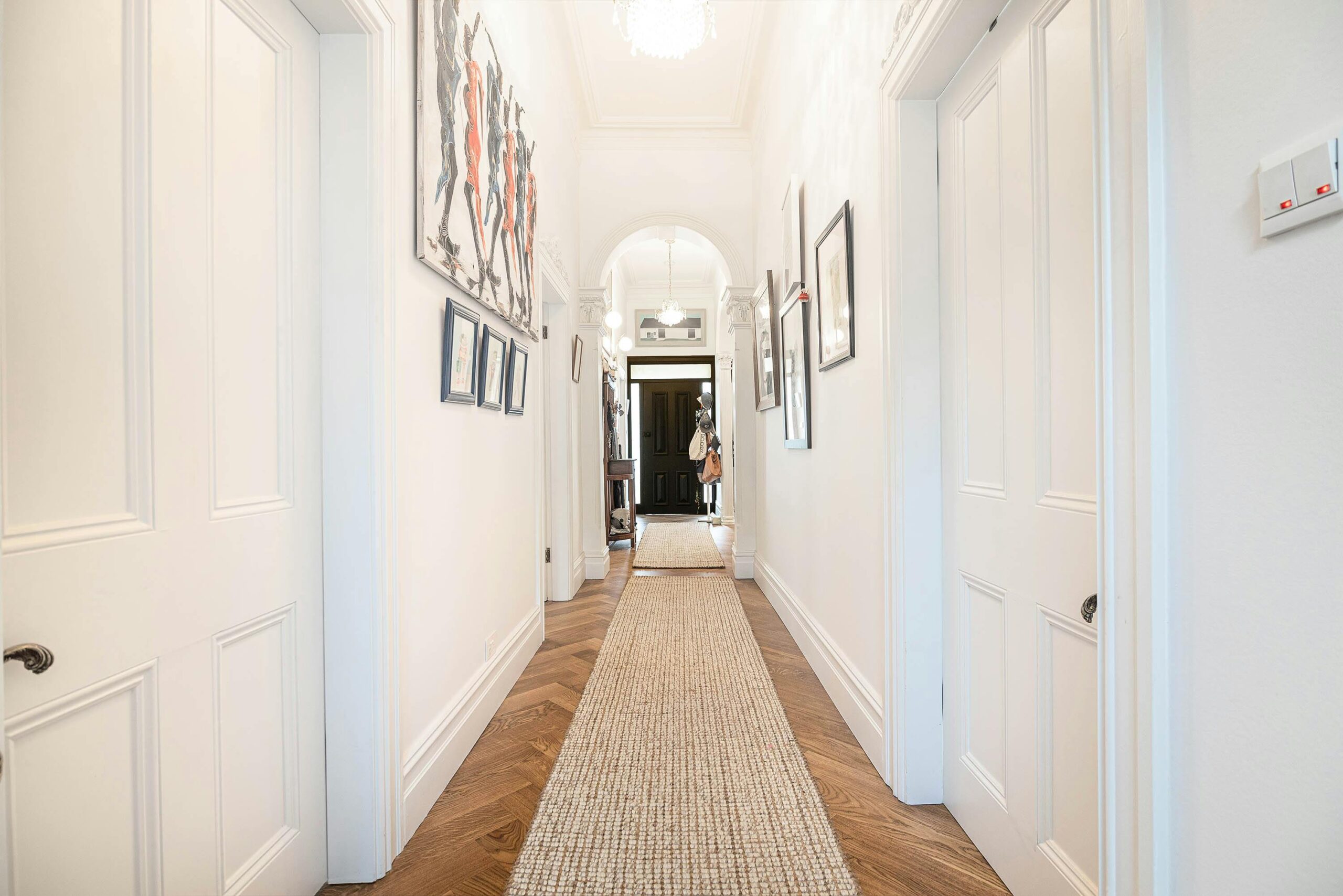
Creating a harmonious living or working environment goes beyond aesthetics—it requires thoughtful consideration of acoustic comfort and how sound behaves within your space.

In today’s fast-paced world, noise pollution has become a significant concern affecting our productivity, mental health, and overall quality of life. Whether you’re working from home, running a creative studio, or simply seeking tranquility in your living space, understanding how furniture can serve dual purposes—both functional and acoustic—is essential for creating the perfect environment.
The integration of stylish furniture with superior sound absorption capabilities represents a revolutionary approach to interior design. Gone are the days when acoustic treatment meant unsightly foam panels or industrial-looking solutions. Modern design has evolved to offer sophisticated furniture pieces that seamlessly blend aesthetic appeal with acoustic performance, transforming spaces into havens of comfort and style.
🎵 Understanding the Science Behind Sound Absorption in Interior Spaces
Before diving into specific furniture solutions, it’s crucial to understand how sound behaves in enclosed spaces. Sound waves travel through air and reflect off hard surfaces like walls, floors, and ceilings, creating echoes and reverberation. This phenomenon can make spaces feel uncomfortable, chaotic, and difficult to concentrate in.
The acoustic properties of a room depend on several factors including room dimensions, surface materials, and the presence of sound-absorbing elements. Hard surfaces like glass, concrete, and bare walls reflect sound waves, while soft, porous materials absorb them. The key to achieving superior acoustic comfort lies in finding the right balance between reflective and absorptive surfaces.
Furniture plays a surprisingly significant role in this equation. Upholstered pieces, wooden structures with specific designs, and strategically placed items can dramatically improve a room’s acoustic profile. The materials used, the density of fabrics, and even the shape of furniture pieces contribute to how effectively they manage sound within a space.
Strategic Furniture Placement for Maximum Acoustic Impact
The placement of furniture is just as important as the pieces themselves when it comes to sound absorption. Understanding room acoustics helps you position furniture elements where they’ll have the greatest impact on sound quality and comfort levels.
Corners are notorious for accumulating low-frequency sound energy, creating boomy or muddy acoustics. Placing substantial upholstered furniture pieces like armchairs, floor-standing speakers, or tall bookcases in corners can help trap and absorb these problematic frequencies. This strategic positioning not only improves acoustics but also makes efficient use of often-underutilized spaces.
Creating zones within larger spaces using furniture as natural dividers serves multiple purposes. Room dividers, open shelving units filled with books, and strategically positioned sofas break up sound paths, preventing long reflections that cause echoes. This approach is particularly effective in open-plan living areas, lofts, and modern office environments.
The Power of Symmetry and Asymmetry in Acoustic Design
While symmetrical furniture arrangements often appeal to our aesthetic sensibilities, acoustically, some asymmetry can be beneficial. Parallel surfaces create flutter echoes—rapid repetitions of sound that create a harsh acoustic environment. Breaking up perfect symmetry with varied furniture heights and placements helps diffuse sound more naturally throughout the space.
🛋️ Upholstered Furniture: The Cornerstone of Acoustic Comfort
Upholstered furniture represents one of the most effective and aesthetically pleasing solutions for sound absorption. Sofas, armchairs, ottomans, and upholstered headboards all contribute significantly to reducing reverberation and creating warmer, more intimate acoustic environments.
The effectiveness of upholstered furniture in sound absorption depends on several factors. Fabric type matters considerably—thicker, denser fabrics like velvet, wool, and heavyweight linen perform better than thin synthetics. The padding underneath the fabric also plays a crucial role; high-density foam and natural materials like cotton batting provide superior absorption compared to cheaper alternatives.
Layering different textures creates both visual interest and acoustic benefit. A sofa with multiple cushions in varying fabrics, combined with throws and decorative pillows, creates numerous surfaces for sound waves to encounter. Each interaction with these soft materials reduces the sound energy, resulting in a more controlled acoustic environment.
Choosing the Right Upholstery for Your Space
When selecting upholstered furniture for acoustic purposes, consider pieces with deep seats and high backs. These designs provide more surface area for sound absorption and create physical barriers that prevent sound from traveling freely. Channel-tufted designs and pieces with pleating add even more surface variation, enhancing sound diffusion.
Color and pattern choices don’t directly affect acoustic performance, but they influence how a space feels. Warmer colors and organic patterns can psychologically enhance the sense of acoustic comfort, making spaces feel cozier and more intimate even beyond their actual acoustic properties.
Acoustic Panels Disguised as Art: Where Function Meets Fashion
One of the most innovative developments in acoustic furniture design is the emergence of decorative acoustic panels that double as wall art. These sophisticated pieces combine high-performance sound absorption materials with stunning visual designs, making acoustic treatment an integral part of your décor rather than an afterthought.
Fabric-wrapped acoustic panels come in countless designs, from abstract geometric patterns to nature-inspired imagery and custom prints. Behind their attractive facades, these panels typically contain dense mineral wool or specialized acoustic foam that effectively absorbs mid to high-frequency sounds—the frequencies most responsible for making spaces feel harsh or uncomfortable.
The versatility of these panels allows for creative installations. Arrange multiple panels in gallery-style configurations, create feature walls with oversized pieces, or use smaller panels to fill specific problem areas. Many manufacturers offer customization options, allowing you to match colors to your existing palette or create completely unique designs that reflect your personal style.
📚 Bookshelves and Storage Solutions as Acoustic Elements
Bookshelves filled with books represent an often-overlooked acoustic treatment that combines functionality with sound management. Books, with their varied sizes, depths, and materials, create irregular surfaces that diffuse sound rather than reflecting it directly back into the room.
The irregular nature of a well-stocked bookshelf breaks up sound waves, scattering them in multiple directions. This diffusion prevents the build-up of standing waves and reduces flutter echoes, contributing to a more balanced acoustic environment. The effect is particularly noticeable in home offices, libraries, and living rooms where conversation quality matters.
Open shelving units serve dual purposes when positioned strategically. They act as semi-transparent room dividers that allow light to pass through while still providing acoustic separation between zones. Filling these shelves with a combination of books, decorative objects, and plants creates varied surface textures that enhance sound diffusion.
Optimizing Storage Furniture for Acoustic Performance
When selecting storage solutions for acoustic purposes, depth matters. Deeper shelves accommodate larger books and objects, creating more surface variation. Avoid perfectly uniform arrangements—varied object heights and depths produce better acoustic results than meticulously organized, uniform displays.
Wooden bookshelves and cabinets also contribute to sound absorption through the natural properties of wood. Solid wood has inherent damping characteristics that help reduce resonance, particularly when compared to metal or glass alternatives. The warmth of wood also complements the cozy, acoustically comfortable environment you’re trying to create.
🪑 Specialized Acoustic Furniture for Modern Spaces
The growing awareness of acoustic comfort has spawned an entire category of specialized acoustic furniture designed specifically to address sound issues while maintaining contemporary aesthetics. These innovative pieces represent the cutting edge of acoustic design, offering superior performance without compromising style.
Acoustic pods and privacy booths have become increasingly popular in both residential and commercial settings. These semi-enclosed structures provide visual and acoustic privacy, creating quiet zones within larger spaces. Upholstered in high-performance acoustic fabrics and designed with sound-absorbing materials, they offer retreat spaces for focused work or private conversations.
Suspended acoustic elements, including hanging panels and ceiling-mounted baffles disguised as artistic installations, address sound reflections from above—an often-neglected aspect of room acoustics. These pieces are particularly effective in spaces with high ceilings or hard flooring, where sound tends to bounce extensively between floor and ceiling surfaces.
Modular Acoustic Solutions for Flexible Spaces
Modular acoustic furniture systems offer flexibility for spaces that serve multiple purposes. Movable screens, reconfigurable seating arrangements, and adjustable panels allow you to modify the acoustic character of a space based on current needs. This adaptability is particularly valuable in home offices, multi-purpose rooms, and collaborative workspaces.
Textile Elements: Rugs, Curtains, and Wall Hangings
While not furniture in the traditional sense, textile elements function as essential acoustic accessories that significantly enhance sound absorption. These pieces are among the most cost-effective ways to improve acoustic comfort while adding warmth and personality to your space.
Area rugs serve multiple acoustic purposes. They absorb sound directly, particularly footfall noise that would otherwise reflect off hard flooring. Additionally, they prevent sound from bouncing between floor and ceiling, reducing overall reverberation. Thick, dense rugs with substantial pile height perform better acoustically than thin, flat-weave alternatives.
Heavy curtains and drapes dramatically improve acoustics, especially in rooms with large windows. Glass is highly reflective acoustically, and bare windows can create significant sound quality issues. Layered window treatments—combining sheers with heavier drapes—provide both acoustic benefits and aesthetic depth.
Textile wall hangings, including tapestries, quilts, and macramé pieces, add unique character while serving acoustic functions. These decorative elements are particularly effective when placed on walls directly across from primary sound sources, where they intercept reflections before they can contribute to room reverberation.
💡 Creating Acoustic Zones in Open-Plan Spaces
Open-plan living has dominated contemporary architecture, but these flowing spaces often present acoustic challenges. The absence of walls means sound travels freely, potentially creating noisy, uncomfortable environments. Strategic furniture placement becomes essential for managing acoustics in these settings.
Define distinct zones using substantial furniture pieces as boundaries. A large sectional sofa can separate living areas from dining spaces, while a substantial bookshelf might divide working zones from relaxation areas. These furniture boundaries don’t need to be solid walls to effectively manage sound—they simply need to interrupt direct sound paths and provide absorptive surfaces.
Ceiling-height variations, even when created through furniture rather than architecture, help manage sound in open spaces. Tall cabinets, floor-to-ceiling curtains, and vertical acoustic panels draw the eye upward while providing acoustic separation between zones.
The Role of Furniture Scale in Acoustic Management
In larger, open spaces, furniture scale becomes crucial for effective acoustic management. Undersized furniture pieces get acoustically overwhelmed in large volumes. Choose substantial pieces that match the scale of your space—not just for visual proportion but for acoustic effectiveness. Larger pieces provide more surface area for sound absorption and create more effective acoustic barriers between zones.
Wooden Furniture and Natural Materials for Balanced Acoustics
While soft materials absorb sound, wooden furniture and other natural materials contribute to acoustic comfort through diffusion and natural damping. The key is achieving balance—too much absorption creates dead-sounding spaces, while too much reflection creates harsh acoustics.
Solid wood furniture provides mass and density that help control low-frequency sounds, which are notoriously difficult to manage. The cellular structure of wood naturally damps vibrations, preventing furniture from resonating and amplifying unwanted sounds. This quality makes wooden tables, chairs, and cabinets valuable acoustic elements beyond their functional purposes.
The type of wood influences acoustic properties. Denser hardwoods like oak, maple, and walnut provide better acoustic control than softer woods. The finish also matters—natural or oil finishes allow wood to breathe and maintain its acoustic properties, while thick lacquer or polyurethane coatings can reduce these benefits.
Combining wooden furniture with upholstered pieces creates acoustically balanced spaces. The wood provides structure, warmth, and diffusion, while upholstery handles absorption. This combination prevents spaces from becoming either too dead or too lively acoustically.
🎨 Designing for Both Eyes and Ears: Holistic Space Planning
The most successful acoustic furniture solutions seamlessly integrate sound management with overall interior design principles. The goal is creating spaces that look beautiful while performing exceptionally from an acoustic standpoint—design decisions that serve both eyes and ears simultaneously.
Color psychology intersects with acoustic design in interesting ways. While color doesn’t directly affect sound, our perception of acoustic comfort is influenced by visual cues. Warm colors and natural tones psychologically enhance feelings of comfort and intimacy, complementing the physical acoustic improvements your furniture provides.
Texture creates visual interest while serving acoustic purposes. Varying textures throughout a space—smooth wood against nubby upholstery, sleek metal accents against rough-woven textiles—creates rich, layered environments that engage both visually and acoustically. Each texture interaction represents a different acoustic surface, contributing to overall sound management.
Personalization and Acoustic Performance
Your personal style should never be sacrificed for acoustic performance. Today’s market offers acoustic furniture solutions in every aesthetic, from minimalist Scandinavian designs to maximalist bohemian styles, industrial chic to traditional elegance. The key is understanding acoustic principles so you can make informed choices within your preferred aesthetic.
Maintaining Your Acoustic Furniture for Long-Term Performance
Acoustic furniture requires proper maintenance to preserve both its appearance and sound-absorbing properties. Regular care ensures your investment continues performing optimally while looking beautiful for years to come.
Upholstered furniture benefits from regular vacuuming to remove dust and debris that can settle into fabrics and reduce acoustic performance. Professional cleaning every 12-18 months refreshes fabrics and maintains their sound-absorbing properties. Between professional cleanings, spot-treat stains promptly to prevent damage that might compromise fabric integrity.
Acoustic panels and fabric wall treatments also require occasional maintenance. Dust them gently using a soft brush attachment on your vacuum, or use a lint roller for quick touch-ups. Most fabric-wrapped panels can be spot-cleaned, but check manufacturer recommendations before applying any cleaning products.
Wooden furniture maintains its acoustic properties with simple care. Dust regularly and treat with appropriate oils or waxes according to the wood type and finish. Avoid placing wooden pieces in areas with extreme temperature or humidity fluctuations, as this can cause warping that affects both appearance and acoustic performance.

Transforming Your Space: Taking Action for Acoustic Comfort
Improving your space’s acoustic comfort through stylish furniture solutions is an achievable goal that doesn’t require professional acoustic treatment or major renovations. Start by assessing your current space and identifying acoustic problem areas—rooms that echo, spaces where conversations are difficult, or areas that feel acoustically harsh.
Begin with foundational pieces that provide maximum acoustic impact. A substantial upholstered sofa, area rug, and curtains form the basis of acoustic comfort in most living spaces. These items would likely be part of your furnishing plan regardless, so choosing them with acoustic properties in mind costs no additional investment.
Layer additional acoustic elements gradually, evaluating the improvement each addition brings. This incremental approach allows you to find the right balance for your space without over-dampening the acoustics. Remember that some sound reflection is desirable—completely dead acoustics feel unnatural and uncomfortable.
Consider the activities that occur in each space when planning acoustic furniture solutions. Home offices benefit from focused acoustic treatment to enhance concentration and video call quality. Living rooms need balanced acoustics that support conversation while accommodating entertainment systems. Bedrooms should prioritize sound isolation and absorption for restful sleep.
The transformation of your space through acoustic furniture solutions represents an investment in your quality of life, productivity, and well-being. By understanding how furniture influences sound behavior and choosing pieces that serve both aesthetic and acoustic purposes, you create environments that look stunning while providing the comfort and tranquility modern life demands. Whether you’re furnishing a new space or refreshing an existing one, considering acoustic performance alongside style ensures spaces that truly work for how you live, work, and relax.