The future of noise control is here, combining cutting-edge acoustic engineering with moisture-resistant technology to deliver soundproofing solutions that withstand the test of time and environmental challenges.

🔊 The Evolution of Acoustic Materials in Modern Construction
Traditional soundproofing materials have long served their purpose, but they’ve always had a critical weakness: moisture vulnerability. Water damage, humidity, and condensation have historically compromised the integrity and performance of acoustic insulation, leading to reduced effectiveness, mold growth, and premature material degradation. This fundamental flaw has plagued architects, contractors, and property owners for decades.
Today’s advanced moisture-resistant acoustic materials represent a quantum leap forward in noise control technology. These innovative solutions combine superior sound absorption and transmission loss properties with robust water resistance, creating a new standard for durable, long-lasting soundproofing installations. The integration of hydrophobic treatments, closed-cell structures, and water-repellent coatings has transformed how we approach acoustic design in moisture-prone environments.
The demand for these revolutionary materials has surged dramatically across multiple sectors. Recording studios in humid climates, industrial facilities with high moisture levels, marine applications, healthcare environments requiring stringent hygiene protocols, and residential spaces in flood-prone areas all benefit from these technological advances. The market for moisture-resistant acoustic solutions is projected to grow exponentially as awareness increases about the long-term cost savings and performance benefits they deliver.
Understanding the Science Behind Moisture-Resistant Acoustic Engineering
The development of moisture-resistant acoustic materials required solving a complex engineering challenge: maintaining excellent sound absorption properties while creating a barrier against water penetration. Sound absorption typically relies on porous materials with interconnected air spaces that trap sound waves, but these same characteristics traditionally made materials vulnerable to moisture absorption.
Modern solutions employ sophisticated material science innovations. Hydrophobic treatments chemically modify fiber surfaces to repel water molecules while maintaining acoustic porosity. Closed-cell foam structures incorporate tiny, sealed air pockets that block moisture infiltration without compromising sound-dampening capabilities. Composite materials layer different substances with complementary properties, creating multi-functional barriers that address both acoustic and moisture challenges simultaneously.
Key Performance Metrics That Matter
When evaluating moisture-resistant acoustic materials, several critical performance indicators determine their effectiveness and suitability for specific applications. Understanding these metrics helps specifiers and end-users make informed decisions that balance acoustic performance with environmental durability.
The Noise Reduction Coefficient (NRC) measures how much sound a material absorbs across standard speech frequencies, ranging from 0.0 (no absorption) to 1.0 (complete absorption). Premium moisture-resistant materials achieve NRC ratings between 0.75 and 0.95, comparable to traditional acoustic solutions without water resistance. Sound Transmission Class (STC) ratings indicate how effectively materials block sound transmission through walls and barriers, with higher numbers representing better performance.
Water resistance specifications include hydrostatic pressure ratings, moisture vapor transmission rates, and absorption coefficients after water exposure. Top-tier products maintain their acoustic properties even after prolonged moisture exposure, demonstrating less than 5% degradation in performance metrics following standardized water immersion tests.
🏗️ Revolutionary Materials Transforming the Acoustic Industry
The landscape of moisture-resistant acoustic materials encompasses several distinct categories, each offering unique advantages for specific applications and environmental conditions.
Hydrophobic Mineral Wool Solutions
Enhanced mineral wool represents a significant advancement over traditional fiberglass insulation. Manufacturers now treat mineral fibers with specialized water-repellent binders that create a moisture barrier without filling the air spaces essential for sound absorption. These products excel in temperature resistance, fire safety, and acoustic performance while resisting water damage, mold growth, and structural deterioration.
The manufacturing process involves applying silicone-based or fluoropolymer coatings at the molecular level, ensuring comprehensive water repellency throughout the material structure rather than just surface treatment. This approach maintains breathability for vapor management while preventing liquid water penetration, creating an ideal balance for building envelope applications.
Closed-Cell Acoustic Foams
Advanced polyurethane and polyethylene foams with closed-cell structures provide exceptional moisture resistance alongside impressive acoustic properties. Unlike open-cell foams that act like sponges, closed-cell configurations feature sealed air pockets that prevent water absorption while still dissipating sound energy through material flexing and internal friction.
These foams find particular application in marine environments, outdoor acoustic barriers, basement soundproofing, and any location where direct water contact or persistent high humidity threatens material integrity. Their lightweight nature and ease of installation make them popular for retrofit projects where structural load limitations exist.
Composite Panel Technologies
Multi-layer composite panels represent the cutting edge of moisture-resistant acoustic design. These engineered systems combine different materials in strategic configurations to optimize both sound control and water resistance. A typical high-performance composite might feature a moisture-resistant facing material, a dense sound-blocking core, and an acoustic absorption layer with hydrophobic treatment.
The synergy between layers creates superior performance that exceeds what any single material could achieve alone. These panels often incorporate mass-loaded vinyl barriers, specialized acoustic foams, and protective facings made from materials like fiberglass-reinforced plastic or aluminum composites with powder-coat finishes.
Strategic Applications Across Diverse Environments
The versatility of moisture-resistant acoustic materials enables their deployment across an impressive range of challenging environments where traditional soundproofing would fail or require frequent replacement.
Commercial and Industrial Facilities ⚙️
Manufacturing plants, food processing facilities, commercial kitchens, and industrial washdown areas all generate significant noise while maintaining high-moisture environments. Traditional acoustic treatments in these spaces deteriorate rapidly, requiring costly replacement cycles. Moisture-resistant alternatives deliver decades of consistent performance despite daily exposure to water, steam, cleaning chemicals, and humidity.
The pharmaceutical and biotechnology industries particularly benefit from these materials, as their clean rooms and production areas require both stringent noise control and regular intensive cleaning with water and disinfectants. Acoustic solutions that resist moisture damage while maintaining sanitary surfaces prove essential in these regulated environments.
Healthcare and Institutional Settings
Hospitals, clinics, and healthcare facilities face unique acoustic challenges. Patient recovery and staff performance both depend on controlled sound environments, yet healthcare settings require frequent sanitization with liquid disinfectants. Moisture-resistant acoustic ceiling tiles, wall panels, and door seals maintain infection control standards while delivering the quiet environments essential for healing and concentration.
Swimming pool facilities, therapy centers with hydrotherapy equipment, and institutional laundries present particularly demanding applications where moisture-resistant acoustic materials prevent the echoing, reverberant spaces that would otherwise result from hard, water-resistant surfaces throughout.
Residential Applications in Challenging Climates
Homeowners in humid climates, coastal regions, and flood-prone areas increasingly specify moisture-resistant acoustic materials for basement finishing, bathroom soundproofing, and exterior noise barrier applications. These materials prevent the mold growth and material deterioration that plague conventional soundproofing in high-moisture residential spaces.
Home theaters and music rooms in basements particularly benefit from moisture-resistant acoustic treatments. These spaces often experience higher humidity levels due to their below-grade location, making traditional acoustic panels vulnerable to water damage and mold growth that compromise both performance and indoor air quality.
Installation Best Practices for Maximum Performance and Longevity
Even the most advanced moisture-resistant acoustic materials require proper installation techniques to deliver their full potential. Understanding critical installation considerations ensures optimal performance throughout the material’s service life.
Surface preparation remains paramount. Substrates should be clean, dry, and structurally sound before acoustic material installation. While moisture-resistant materials tolerate environmental humidity and occasional water exposure, they should not be installed against actively wet surfaces or in standing water conditions.
Sealing and Integration Details
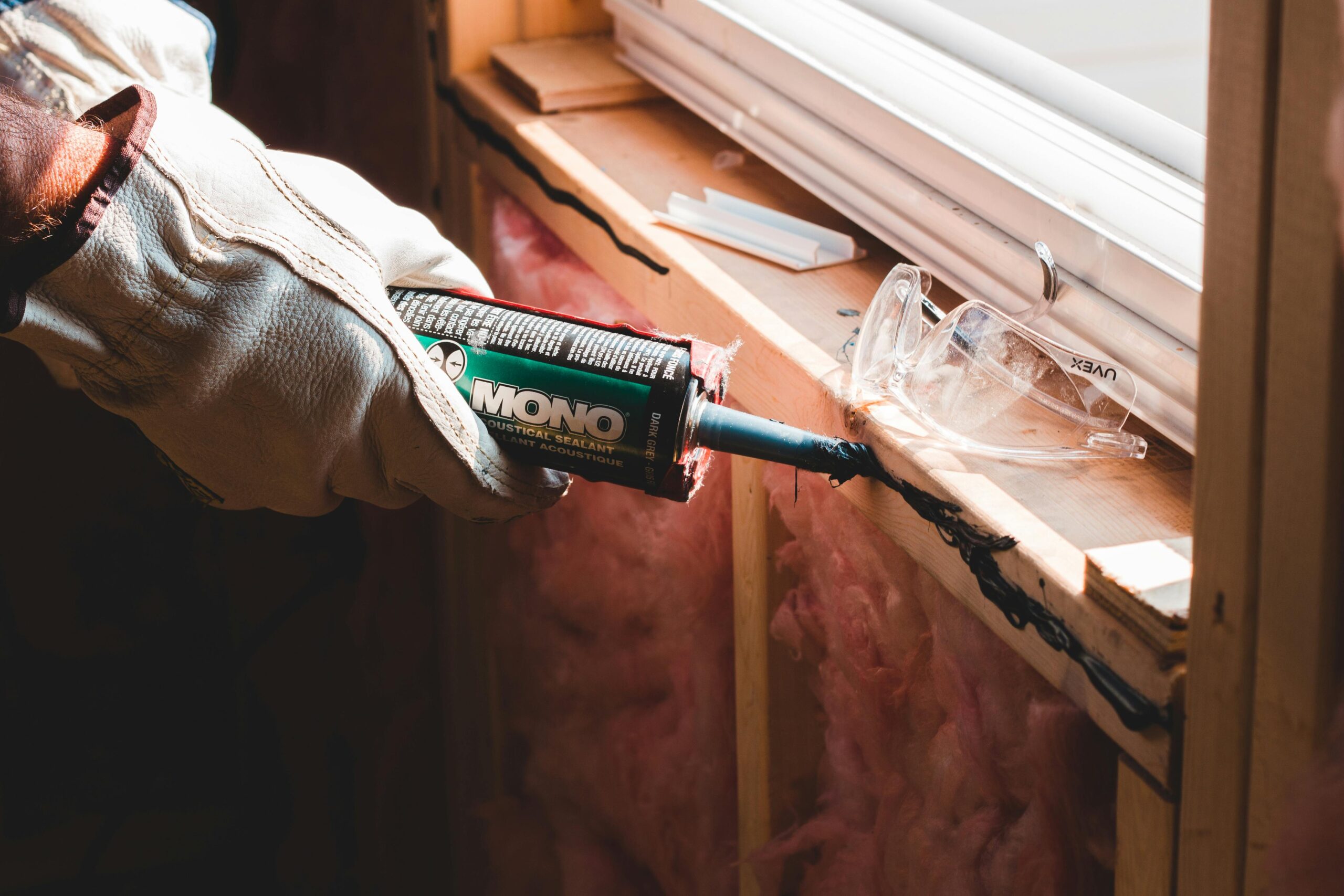
Proper sealing of joints, penetrations, and edges prevents moisture infiltration behind acoustic treatments where it could compromise substrate materials or create hidden mold growth. Water-resistant acoustic sealants and gaskets maintain both moisture barriers and acoustic continuity at panel joints and perimeter conditions.
Mechanical fastening systems should use corrosion-resistant hardware appropriate for moisture-exposed conditions. Stainless steel fasteners, aluminum tracks, and plastic anchors prevent rust staining and structural failure that would compromise installations over time. Consideration of thermal expansion and contraction in materials exposed to temperature variations prevents joint separation and acoustic gaps.
Ventilation and Drainage Considerations
Even moisture-resistant materials benefit from proper ventilation strategies that prevent prolonged direct water contact. Air gaps behind wall panels, weep holes in exterior applications, and vapor barriers on the warm side of insulated assemblies prevent moisture accumulation that could overwhelm even advanced water-resistant materials.
In exterior noise barrier applications, proper drainage design ensures water does not pool against acoustic materials. Slight panel slopes, drainage channels, and elevated mounting systems allow gravity to remove water quickly, extending material life and maintaining acoustic performance.
Economic Analysis: Long-Term Value Proposition 💰
While moisture-resistant acoustic materials typically carry higher initial costs than conventional alternatives, comprehensive lifecycle cost analysis consistently demonstrates their superior economic value in moisture-prone applications.
Traditional acoustic materials in high-moisture environments often require replacement every 5-7 years due to water damage, mold growth, or performance degradation. Moisture-resistant alternatives maintain effectiveness for 20-30 years or longer, eliminating multiple replacement cycles. When accounting for material costs, labor expenses, and business disruption during replacement, the long-term savings become substantial.
Additional economic benefits include reduced maintenance requirements, elimination of mold remediation costs, improved energy efficiency from materials that maintain their thermal properties despite moisture exposure, and avoided liability from mold-related health issues in commercial and institutional settings.
Return on Investment Calculations
Consider a 10,000 square foot commercial facility requiring acoustic treatment in a high-humidity environment. Traditional materials might cost $15,000 initially but require replacement twice over 20 years at $17,000 each time (accounting for inflation and labor cost increases), totaling $49,000. Moisture-resistant materials might cost $25,000 initially but require no replacement over the same period, saving $24,000 while delivering superior performance throughout.
The payback period for moisture-resistant acoustic investments typically ranges from 8-12 years depending on environmental conditions and material selection, with savings accelerating significantly in the latter portions of the lifecycle as avoided replacement costs accumulate.
🌍 Environmental Sustainability and Green Building Integration
The environmental profile of moisture-resistant acoustic materials increasingly influences specification decisions as sustainable building practices gain prominence. The longevity of these materials inherently reduces environmental impact by eliminating repeated manufacturing, transportation, and disposal associated with frequent replacements of conventional alternatives.
Many moisture-resistant acoustic products now incorporate recycled content, use renewable resources, or employ manufacturing processes with reduced environmental footprints. Closed-cell foams produced with water-blown processes eliminate ozone-depleting blowing agents. Mineral wool products often contain 70% or more post-industrial recycled content while maintaining complete recyclability at end-of-life.
Green building certification programs including LEED, BREEAM, and WELL recognize acoustic performance as an important factor in occupant comfort and productivity. Moisture-resistant acoustic materials contribute to multiple credit categories including indoor environmental quality, material selection, and innovation. Their resistance to mold growth particularly supports healthy indoor air quality objectives central to green building philosophies.
Future Innovations on the Acoustic Horizon
The rapid pace of materials science innovation promises even more impressive moisture-resistant acoustic solutions in coming years. Research laboratories and manufacturers actively develop next-generation technologies that will further revolutionize noise control in challenging environments.
Nanotechnology applications show particular promise. Nano-structured coatings create superhydrophobic surfaces where water forms perfect spheres and rolls off instantly, providing unprecedented moisture protection while maintaining acoustic transparency. These treatments could be applied to conventional acoustic materials, transforming their moisture resistance without compromising sound absorption properties.
Smart materials with adaptive properties represent another frontier. Researchers are developing acoustic materials that respond to environmental conditions, adjusting their properties based on humidity levels, temperature, or sound frequencies. These responsive materials could optimize performance across varying conditions automatically.
Biomimetic Design Approaches
Nature-inspired designs increasingly influence acoustic material development. Structures mimicking the water-repellent properties of lotus leaves or the sound-absorbing characteristics of owl feathers inform new material geometries and surface treatments. These biomimetic approaches often achieve superior performance with reduced material usage and environmental impact.
Self-healing materials incorporating microencapsulated agents that repair damage automatically when triggered by moisture or mechanical stress could dramatically extend service life. While still primarily in research phases, these technologies promise acoustic materials that maintain peak performance despite physical damage or environmental exposure that would compromise current products.
Making the Right Selection for Your Specific Needs 🎯
Choosing optimal moisture-resistant acoustic materials requires careful analysis of multiple factors specific to each application. Environmental conditions including typical and extreme humidity levels, temperature ranges, and potential for direct water contact establish baseline moisture resistance requirements.
Acoustic performance specifications should be clearly defined based on intended use. Recording studios require different acoustic characteristics than industrial noise barriers or residential soundproofing applications. Understanding whether sound absorption, transmission blocking, or both are primary objectives guides appropriate material selection.
Budget considerations must account for lifecycle costs rather than initial investment alone. Fire safety requirements, building code compliance, aesthetic preferences, installation complexity, and maintenance accessibility all influence the optimal material choice for specific situations.
Consulting with acoustic specialists who understand both traditional acoustic design principles and modern moisture-resistant material technologies ensures optimal outcomes. These professionals can conduct site assessments, develop performance specifications, and recommend solutions tailored to unique project requirements and constraints.
Transforming Noise Control for Demanding Environments
The revolution in moisture-resistant acoustic materials fundamentally transforms how we approach soundproofing in challenging environments. By eliminating the traditional compromise between acoustic performance and moisture vulnerability, these advanced materials enable effective noise control in locations previously considered unsuitable for acoustic treatment.
From industrial facilities to healthcare settings, from coastal residences to marine applications, moisture-resistant acoustic technologies deliver durable, long-lasting performance that protects investments while creating quieter, more comfortable environments. The combination of superior acoustic properties, robust water resistance, and extended service life establishes a new standard for professional-grade noise control.
As awareness grows and costs continue declining through manufacturing efficiencies and increased competition, moisture-resistant acoustic materials will transition from specialized solutions to mainstream specifications across the construction industry. The future of soundproofing is simultaneously quieter and more durable, delivering better acoustic outcomes that withstand whatever environmental challenges they encounter.
Whether planning new construction, renovating existing facilities, or addressing acoustic problems in moisture-prone spaces, moisture-resistant acoustic materials offer proven solutions that perform reliably for decades. This technological revolution in soundproofing represents not just an incremental improvement but a fundamental reimagining of what’s possible in noise control engineering.