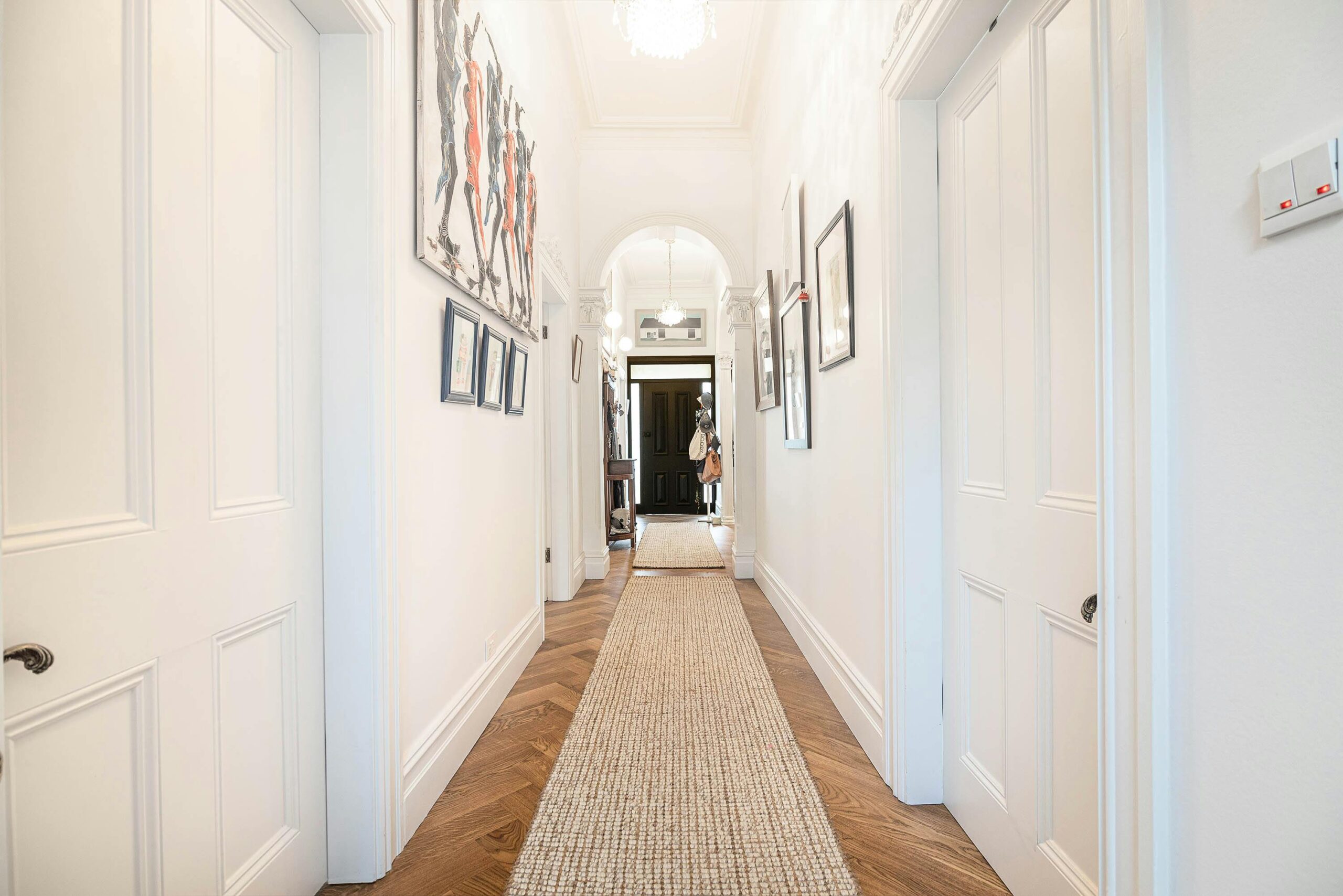
Composite acoustic boards are transforming how we approach sound control in modern spaces, blending cutting-edge technology with innovative design to create environments that sound as good as they look.

🎵 Understanding the Science Behind Composite Acoustic Boards
The evolution of acoustic treatment has brought us to a remarkable intersection of materials science and sound engineering. Composite acoustic boards represent a quantum leap from traditional soundproofing methods, utilizing multiple layers of carefully selected materials to achieve superior sound absorption and diffusion properties.
These innovative panels typically combine porous materials like mineral wool or fiberglass with rigid backing layers, creating a synergistic effect that outperforms single-material solutions. The science is elegant: sound waves enter the porous surface layer, where their energy dissipates through friction as air molecules move through the material’s intricate structure. Meanwhile, the composite nature prevents sound transmission through the panel itself.
Modern composite boards often incorporate recycled materials, sustainable wood fibers, acoustic foams, and specialized polymers. This multi-material approach allows manufacturers to fine-tune acoustic performance across different frequency ranges, addressing the full spectrum of sound challenges from deep bass frequencies to high-pitched treble notes.
Why Traditional Acoustic Solutions Fall Short
For decades, architects and audio engineers relied on heavy mass-based solutions or single-material acoustic treatments. These conventional approaches often required significant structural modifications, consumed valuable space, and frequently failed to address the complete acoustic spectrum effectively.
Traditional foam panels, while affordable, typically only absorb high-frequency sounds, leaving mid and low frequencies essentially untreated. Heavy concrete or mass-loaded vinyl solutions work through sheer density but add substantial weight to structures and offer limited flexibility in design applications.
The limitations become particularly apparent in modern open-plan offices, recording studios, educational facilities, and residential spaces where aesthetic considerations matter as much as acoustic performance. This is precisely where composite acoustic boards shine, offering comprehensive solutions that don’t compromise on appearance or functionality.
🏗️ The Revolutionary Composition: What Makes These Boards Special
The magic of composite acoustic boards lies in their layered architecture. Let’s break down the typical construction that makes these products so effective:
Surface Layer Innovation
The visible surface of premium composite boards often features perforated or textured finishes that enhance sound wave penetration while providing visual appeal. Some manufacturers incorporate fabric wraps, wood veneers, or decorative patterns that transform acoustic treatment into architectural features rather than functional necessities.
Micro-perforation technology has advanced significantly, allowing manufacturers to create holes invisible to the eye but perfectly sized for optimal acoustic performance. These precision-engineered surfaces direct sound waves into the absorptive core while maintaining a sleek, professional appearance.
Core Material Excellence
The heart of any composite acoustic board is its core absorptive material. High-density mineral wool remains popular due to its excellent fire resistance and broad-spectrum absorption characteristics. Recycled polyester fibers offer eco-friendly alternatives with comparable performance, while newer aerogel-enhanced cores push the boundaries of what’s possible in thin-profile applications.
Advanced manufacturers layer different core densities within a single panel, creating graduated absorption that targets specific frequency ranges. This sophisticated approach delivers balanced acoustic treatment that sounds natural rather than overly dampened or clinically dead.
Backing and Structural Components
The backing layer serves multiple purposes: structural integrity, moisture resistance, and additional sound-blocking capability. High-performance boards incorporate rigid backing materials that prevent sagging while adding mass to block sound transmission. Some designs include air gaps or resonant cavities that enhance low-frequency absorption through Helmholtz resonator principles.
Practical Applications Across Industries
The versatility of composite acoustic boards has led to adoption across virtually every sector where sound quality and noise control matter. Understanding these applications helps identify opportunities for improvement in your own spaces.
Commercial Offices and Collaborative Spaces
Open-plan offices suffer from noise pollution that reduces productivity and increases stress. Strategic placement of composite acoustic panels on walls and ceilings dramatically reduces reverberation time, making speech more intelligible and creating acoustic zones within larger spaces. Modern boards designed for this application often feature integrated LED lighting or modular designs that complement contemporary office aesthetics.
Educational Environments
Classrooms, lecture halls, and music practice rooms present unique acoustic challenges. Composite boards help control classroom noise, improving student concentration and reducing teacher vocal strain. In music education facilities, properly designed acoustic treatments allow students to hear themselves clearly without overwhelming echo or external noise interference.
Healthcare Facilities
Hospital environments require acoustic solutions that meet strict hygiene standards while reducing noise pollution that can hinder patient recovery. Composite boards with antimicrobial surfaces and easy-clean finishes provide the acoustic performance healthcare facilities need without compromising infection control protocols.
Entertainment and Hospitality Venues
Restaurants, hotels, theaters, and performance spaces depend on controlled acoustics to create pleasant environments. Composite acoustic boards allow these venues to manage sound levels without sacrificing the design aesthetic that defines their brand identity. Custom-printed panels can even incorporate branding elements or artistic designs.
🎨 Design Freedom Meets Acoustic Performance
One of the most compelling advantages of modern composite acoustic boards is the unprecedented design flexibility they offer. Gone are the days when acoustic treatment meant covering walls with industrial-looking foam pyramids or fabric-wrapped fiberglass.
Today’s composite boards come in an astounding array of finishes, colors, shapes, and configurations. Wood-look finishes bring warmth to corporate spaces. Vibrant colors create dynamic visual interest in creative environments. Geometric patterns add architectural drama while improving sound diffusion. Custom printing technology even allows photographs, artwork, or branding to be incorporated directly into acoustic panels.
Three-dimensional designs have emerged as particularly popular, combining acoustic function with sculptural visual appeal. These installations serve as focal points that improve aesthetics while addressing acoustic challenges. The boards can be arranged in patterns ranging from subtle textural variations to bold artistic statements that define a space’s character.
Installation Strategies for Maximum Impact
Proper installation significantly influences the acoustic performance of composite boards. Understanding placement strategies ensures you achieve the results you’re seeking while optimizing your investment.
Strategic Positioning
Sound behaves predictably, reflecting off hard surfaces at equal angles. Identifying primary reflection points allows targeted placement of acoustic treatment where it will have the greatest impact. In rectangular rooms, treating the wall behind listening positions and the opposite wall creates significant improvement with minimal panel coverage.
Ceiling treatment often delivers exceptional value, as ceilings represent large reflective surfaces in most spaces. Suspended acoustic baffles or cloud installations intercept sound before it reflects back into occupied spaces, providing efficient absorption with architectural interest.
Coverage Calculations
While comprehensive acoustic treatment might suggest covering every surface, optimal results typically come from treating 20-40% of total surface area, strategically distributed. Over-treatment can create acoustically dead spaces that feel uncomfortable and unnatural. Professional acoustic consultants use specialized software to model room behavior and recommend precise coverage.
Mounting Methods
Composite acoustic boards support various mounting approaches, from direct adhesive application to mechanical fastening systems and suspended installations. Air gaps between panels and walls often enhance low-frequency absorption, making mechanical mounting with standoffs particularly effective in many applications.
📊 Performance Metrics That Matter
Understanding acoustic performance specifications helps you select appropriate products for specific applications. Key metrics include:
- Noise Reduction Coefficient (NRC): This rating indicates how much sound a material absorbs, with 0.0 representing perfect reflection and 1.0 indicating complete absorption. Quality composite boards typically achieve NRC ratings between 0.75 and 1.0.
- Sound Transmission Class (STC): This metric measures how effectively a material blocks sound transmission. Higher numbers indicate better isolation, with STC 50+ considered excellent for most applications.
- Absorption Coefficient by Frequency: Detailed specifications show absorption performance across different frequencies, revealing whether a product handles bass, midrange, and treble frequencies effectively.
- Fire Rating: Safety certifications like Class A fire rating ensure products meet building codes and protect occupants.
Sustainability and Environmental Considerations
The construction industry increasingly prioritizes environmental responsibility, and composite acoustic board manufacturers have responded with impressive innovations. Many products now incorporate recycled content, from post-consumer plastic bottles transformed into acoustic fibers to reclaimed wood materials giving new life to waste streams.
Low-VOC (Volatile Organic Compound) formulations ensure indoor air quality isn’t compromised by off-gassing from acoustic treatments. Some manufacturers have achieved prestigious environmental certifications like Cradle to Cradle, LEED credits contribution, and Environmental Product Declarations that transparently document environmental impacts.
The longevity of composite acoustic boards also contributes to their sustainability profile. Unlike painted surfaces that require frequent refinishing or lower-quality treatments that degrade quickly, well-manufactured composite boards maintain performance and appearance for decades, reducing replacement cycles and associated environmental impacts.
🔧 Maintenance and Long-Term Performance
Composite acoustic boards offer practical advantages beyond initial installation. Most products require minimal maintenance, with periodic dusting or vacuuming sufficient to maintain appearance and performance. Panels with protective surface treatments resist staining and moisture damage, extending service life even in challenging environments.
When damage does occur, modular panel systems allow individual element replacement without disrupting entire installations. This repairability extends the practical lifespan of acoustic treatments while controlling long-term costs.
Cost-Benefit Analysis: Investment vs. Value
While composite acoustic boards typically cost more than basic foam alternatives, the total value proposition strongly favors these advanced solutions. Superior acoustic performance means fewer panels achieve desired results, potentially offsetting higher unit costs. Extended lifespan reduces replacement frequency. Design flexibility eliminates the need for separate decorative treatments, consolidating costs.
In commercial applications, the productivity improvements from better acoustics and the enhanced professional image composite boards provide generate measurable returns that justify initial investments. Studies consistently show that improved acoustic environments increase worker productivity, reduce errors, and decrease stress-related absenteeism.
Future Innovations on the Horizon
The composite acoustic board industry continues evolving rapidly. Emerging technologies promise even more impressive capabilities in coming years. Active noise cancellation integrated into passive acoustic panels could provide targeted noise control for specific frequency ranges. Smart acoustic panels with sensors that monitor sound levels and adjust environmental controls represent another frontier.
Biomimetic designs inspired by natural sound-absorbing structures like owl feathers or leaf arrangements may unlock new performance levels. Advances in sustainable materials, including mycelium-based composites and agricultural waste products, could make high-performance acoustic treatment even more environmentally friendly.
Nano-engineered materials with precisely controlled pore structures might achieve superior absorption in thinner profiles, addressing space constraints that currently limit acoustic treatment in some applications. The integration of acoustic functionality into other building elements—structural panels that also control sound, for example—could fundamentally change how we approach building design.
Making the Right Choice for Your Space
Selecting appropriate composite acoustic boards requires considering multiple factors specific to your application. Start by clearly defining your objectives: Are you primarily addressing excessive reverberation, blocking sound transmission between spaces, or creating optimal listening conditions for critical audio work?
Budget considerations naturally influence decisions, but focusing solely on initial costs often proves penny-wise and pound-foolish. Evaluate total lifecycle costs including installation, maintenance, and expected service life. Consider aesthetic requirements and how acoustic treatments will integrate with existing or planned design elements.
For complex projects or critical applications, professional acoustic consultation provides valuable expertise. Acoustic engineers can model your space, recommend optimal product selection and placement, and ensure you achieve desired results without over-spending on unnecessary treatment.

🌟 Transforming Spaces Through Sound and Design
The revolution in composite acoustic board technology represents more than incremental improvement in sound control—it fundamentally changes what’s possible when creating spaces that sound exceptional and look remarkable. These innovative materials liberate designers from the compromise between acoustic performance and aesthetic appeal that constrained previous generations.
Whether you’re designing a cutting-edge office, renovating a restaurant, building a recording studio, or simply want to improve your home theater, composite acoustic boards offer solutions that deliver measurable improvements in sound quality while enhancing visual design. The combination of superior acoustic performance, design flexibility, sustainability, and long-term value makes these products ideal for virtually any application where sound quality matters.
As awareness grows about how profoundly acoustic environments affect well-being, productivity, and experience, the adoption of advanced acoustic solutions like composite boards will only accelerate. We’re witnessing a transformation in how buildings sound, moving from acoustic afterthoughts to intentionally designed soundscapes that support human activities and enhance quality of life.
The ultimate guide to innovative composite acoustic boards isn’t just about understanding products and specifications—it’s about recognizing the potential to transform spaces through the powerful combination of sound science and thoughtful design. Whether you’re an architect, designer, facility manager, or property owner, these remarkable materials offer opportunities to create environments that truly perform at every level.