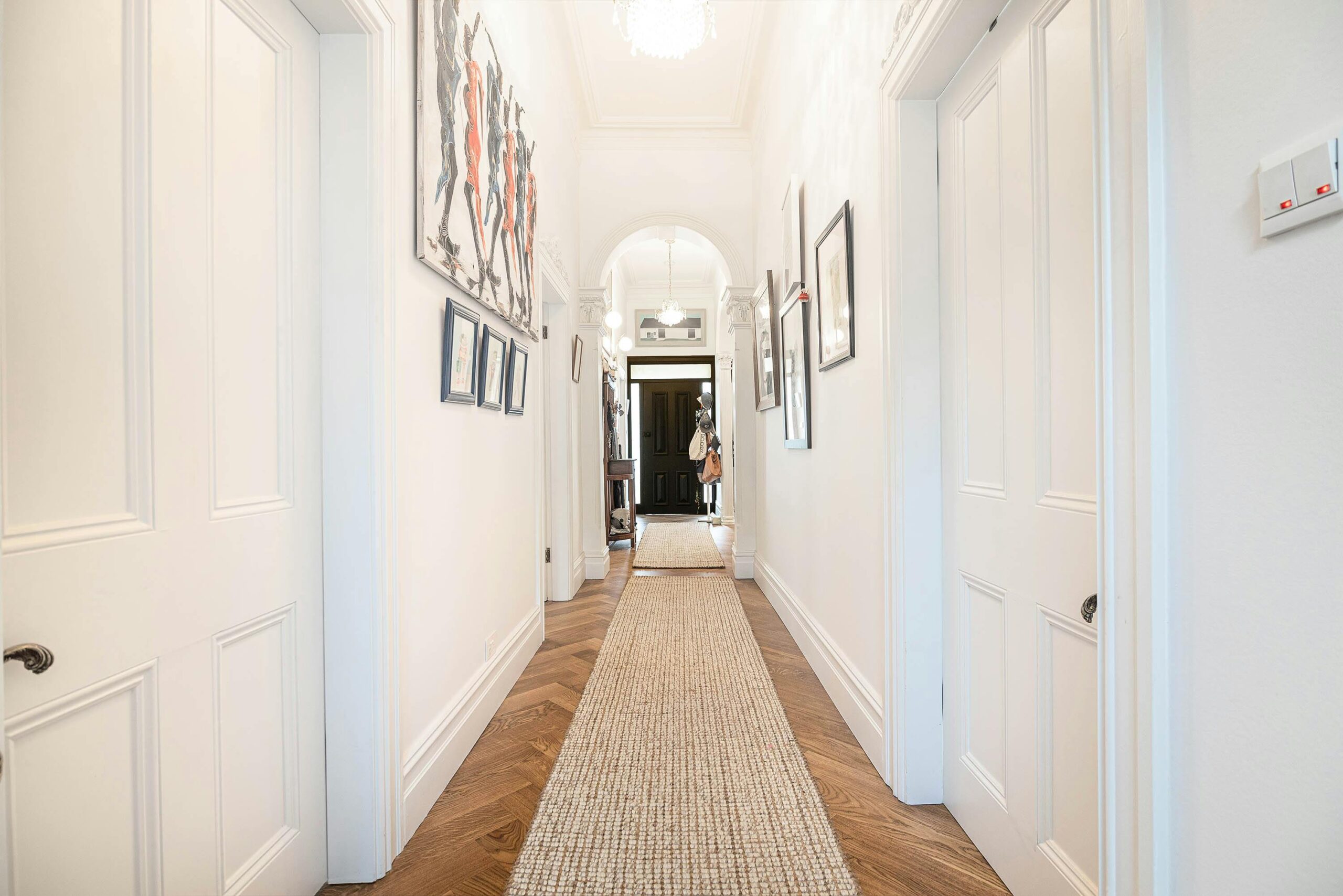
Your environment shapes your mind more than you realize. The constant hum of traffic, chatter, and digital notifications creates mental chaos that silently sabotages your productivity and peace.

In our increasingly noisy world, finding moments of true focus or deep relaxation has become a rare luxury. We’ve all experienced it—that frustrating inability to concentrate at a bustling coffee shop, the struggle to unwind in a shared living space, or the mental exhaustion from constant auditory interruptions throughout the day.
But what if the solution wasn’t complete silence? What if the key to reclaiming your mental space was actually adding the right kind of sound? This is where background noise masking transforms from a simple concept into a powerful tool for enhancing both productivity and wellbeing.
🎧 Understanding the Science Behind Sound Masking
Background noise masking isn’t about blocking out sound completely—it’s about creating an acoustic blanket that softens distracting noises while maintaining a comfortable auditory environment. This technique leverages how our brains process competing sound frequencies.
When you introduce consistent, neutral sounds into your space, they effectively “mask” irregular, attention-grabbing noises. The human brain is wired to notice sudden changes and patterns in our environment—a survival mechanism that now works against us in modern settings. A colleague’s conversation, a door slamming, or a car horn immediately captures our attention because our brain interprets these as potentially important information.
Sound masking works by raising the ambient noise floor just enough to reduce the contrast between background quiet and these sudden sounds. Think of it like turning up a dimmer switch in a dark room—the light doesn’t blind you, but it prevents shadows from standing out starkly.
The Cognitive Benefits of Controlled Acoustic Environments
Research consistently demonstrates that our cognitive performance directly correlates with our auditory environment. Studies have shown that ambient noise at moderate levels can actually enhance creative thinking, while excessive or unpredictable noise degrades concentration and increases stress hormones.
The sweet spot varies by individual and task type, but generally falls between 50-70 decibels—roughly equivalent to light rainfall or a quiet conversation. This level provides enough acoustic stimulation to mask distractions without becoming distracting itself.
🌊 Types of Background Noise for Different Purposes
Not all background sounds serve the same purpose. Understanding the different categories helps you select the right soundscape for your specific needs.
White Noise: The Original Masker
White noise contains all frequencies at equal intensity, creating a consistent “shhhh” sound similar to static or rushing air. This makes it exceptionally effective for masking sudden noises because it covers the entire audible spectrum. White noise works particularly well for sleep environments and offices where unpredictable sounds disrupt concentration.
However, some people find pure white noise harsh or fatiguing over extended periods. The high-frequency content can feel intense, especially at higher volumes.
Pink Noise: The Balanced Alternative
Pink noise reduces high frequencies while maintaining lower tones, resulting in a deeper, more balanced sound reminiscent of steady rainfall or wind through trees. Many people find pink noise more pleasant than white noise for long-duration listening.
Research suggests pink noise may be particularly effective for improving sleep quality and memory consolidation during rest. The gentler frequency distribution feels more natural to our ears, making it less tiring over time.
Brown Noise: Deep and Grounding
Brown noise (also called red noise) emphasizes even lower frequencies, creating a deep, rumbling quality similar to thunder in the distance or heavy rainfall. This deeper sound profile can feel especially calming and grounding for anxiety reduction and meditation practices.
People sensitive to high-pitched sounds often prefer brown noise as their masking choice. It’s also excellent for masking low-frequency disturbances like traffic rumble or bass from neighboring spaces.
Nature Sounds: Biophilic Audio
Ocean waves, forest ambience, rainfall, and flowing streams tap into our evolutionary connection with natural environments. These sounds combine masking properties with psychological comfort, triggering relaxation responses hardwired into our biology.
Nature sounds work exceptionally well for relaxation and stress reduction, though they may be less effective than colored noise for pure sound masking since they contain more variation and pattern.
🏠 Transforming Your Physical Spaces
Different environments require different acoustic strategies. Tailoring your approach to each space maximizes the benefits of sound masking.
Optimizing Your Home Office
Remote work has made the home office a critical productivity zone, yet it’s often plagued by household noises beyond your control. Implementing background noise masking creates a consistent work atmosphere that signals focus time to your brain.
Position a sound machine or quality speaker at ear level, roughly 6-10 feet from your workspace. This distance allows the sound to fill the room without dominating your immediate auditory field. Start with pink or white noise at a comfortable volume—you should notice it when you focus on it, but it should fade into the background during concentration.
For video calls, use headphones with your masking sound rather than playing it through speakers, preventing it from being picked up by your microphone.
Creating Bedroom Sanctuaries
Quality sleep depends heavily on consistent auditory conditions. Background noise masking helps maintain stable sound levels throughout the night, preventing sudden noises from disrupting your sleep cycles.
For bedrooms, place your sound source across the room rather than on your nightstand. This provides even coverage without being too close to your ears. Many sleep specialists recommend pink or brown noise for sleep applications, as the lower frequency profiles feel less intrusive.
Consistency matters tremendously for sleep conditioning. Your brain learns to associate the masking sound with sleep, creating a powerful trigger for relaxation.
Shared Living Spaces and Open Plans
Open-concept homes and shared apartments present unique challenges. You need to mask sounds without disturbing others or creating competing noise layers.
Strategic placement of multiple quieter sources often works better than one loud speaker. This creates zones of acoustic comfort without overwhelming the entire space. Consider using directional speakers or personal devices with headphones when household members have different noise preferences.
📱 Technology Solutions for Sound Masking
Modern technology offers numerous ways to implement background noise masking, from dedicated hardware to smartphone applications.
Dedicated Sound Machines
Purpose-built sound machines provide reliable, high-quality audio without requiring internet connectivity or draining phone batteries. Premium models offer multiple sound options, timers, and adaptive volume that adjusts to changing ambient noise levels.
These devices excel in bedrooms and offices where consistent, set-and-forget operation matters most. Look for machines with actual sound generation rather than looped recordings, which can become perceptible and irritating over time.
Mobile Apps for Flexible Sound Control
Smartphone applications provide tremendous flexibility and variety, allowing you to carry your preferred soundscape anywhere. Many apps offer sound mixing capabilities, letting you create custom blends of different noise colors and nature sounds.
Quality headphones or earbuds amplify the effectiveness of mobile solutions, especially in public spaces. Noise-canceling headphones combined with sound masking create a powerful dual-layer approach to acoustic control.
Smart Home Integration
Smart speakers and home automation systems can schedule soundscapes, adjusting them based on time of day, room occupancy, or even detected ambient noise levels. This seamless integration helps maintain optimal acoustic environments without manual adjustment.
Set your smart home to begin playing focus sounds when you enter your office in the morning, switch to calming ocean sounds in the evening, and transition to sleep-optimized pink noise at bedtime.
💡 Practical Implementation Strategies
Successfully integrating background noise masking requires thoughtful implementation rather than simply turning on sounds randomly.
Finding Your Personal Sound Profile
Everyone responds differently to various sound types. Spend a week experimenting with different options during similar activities. Track your subjective experience—which sounds helped you concentrate longest? Which felt most relaxing?
Pay attention to volume as well. The ideal level masks distractions without requiring you to raise your voice in conversation or strain to hear important sounds like alarms or doorbells.
Creating Acoustic Routines
Consistency transforms sound masking from a tool into a psychological trigger. When you consistently pair specific sounds with specific activities, your brain begins associating them automatically.
Use the same sound profile for focused work sessions, different sounds for creative activities, and distinct soundscapes for relaxation. This acoustic compartmentalization helps your mind shift between different cognitive modes more efficiently.
Layering Techniques for Complex Environments
Sometimes single sound sources aren’t enough. Layering multiple masking sounds at different volumes creates richer, more effective acoustic environments. For example, combine low-volume brown noise with occasional rain sounds for a deeply calming sleep environment.
When layering, keep the primary masking sound (usually a colored noise) as your foundation at moderate volume, then add complementary sounds at lower levels for texture and variety.
🧘 Maximizing Benefits for Focus and Relaxation
Understanding how to apply sound masking to specific mental states amplifies its effectiveness.
Deep Work Sessions
For intensive concentration requiring sustained focus, consistent white or pink noise provides the most neutral acoustic background. Avoid sounds with too much variation or recognizable patterns that might capture attention.
Pair your sound masking with time-blocking techniques. The acoustic consistency reinforces your focus periods, while silence or different sounds during breaks create clear mental boundaries.
Creative and Collaborative Work
Interestingly, moderate ambient noise around 70 decibels can actually enhance creative thinking. The slight distraction prevents overly focused processing, allowing more abstract connections to form.
Coffee shop ambiance or mixed nature sounds work well for brainstorming and creative projects. For collaborative work, lower-volume masking helps maintain conversational comfort while reducing echo and reverberation in conference spaces.
Stress Reduction and Meditation
For relaxation purposes, nature sounds combined with brown or pink noise creates powerful calming effects. The biophilic element triggers innate relaxation responses while the consistent masking properties soothe the nervous system.
During meditation, sound masking eliminates the distraction of wondering about external noises, allowing deeper presence. Even for experienced meditators, a consistent acoustic background reduces the mental effort required to maintain focus.
🔬 The Future of Personalized Soundscapes
Emerging technologies promise even more sophisticated approaches to acoustic environment optimization.
Artificial intelligence is beginning to enable adaptive soundscapes that respond in real-time to your biometric data, adjusting tone, volume, and type based on your measured stress levels, heart rate variability, or brain activity. These systems could automatically optimize your acoustic environment for your current cognitive needs.
Spatial audio technologies create three-dimensional soundscapes that more accurately replicate natural environments, potentially enhancing the psychological benefits beyond current stereo capabilities.
Bone conduction and ultrasonic delivery systems might eventually provide sound masking benefits without traditional speakers or headphones, leaving ears completely open while still creating the perception of controlled acoustic environments.
⚠️ Important Considerations and Limitations
While background noise masking offers substantial benefits, it’s not a universal solution requiring thoughtful application.
Hearing health matters tremendously. Never use masking sounds at volumes that require you to raise your voice in normal conversation. Extended exposure to excessive sound levels, even pleasant ones, can damage hearing over time. The 60/60 rule provides a good guideline: no more than 60% of maximum volume for no more than 60 minutes without breaks.
Some individuals with specific auditory processing differences, tinnitus, or hyperacusis may respond differently to sound masking. If you experience discomfort, headaches, or increased stress from background sounds, consult with an audiologist for personalized guidance.
Sound masking complements but doesn’t replace good acoustic design. In workplaces or homes with severe noise issues, physical acoustic treatment—sound-absorbing panels, better insulation, or layout changes—should be the primary solution, with masking as a supplementary tool.

🎯 Taking Action: Your Soundscape Journey
Mastering your acoustic environment begins with simple experiments. Start tonight by trying pink noise or rain sounds at low volume while reading or working. Notice how your attention responds. Does the background sound fade away during concentration? Do you feel less startled by sudden noises?
Gradually expand your exploration. Test different sound types during various activities throughout your day. Keep notes about which combinations feel most effective for specific purposes. Your personal sound profile will emerge through this experimentation.
Remember that acoustic preferences can change with circumstances. What works during a stressful deadline might differ from your ideal relaxation soundscape. Flexibility and self-awareness transform sound masking from a simple technique into a sophisticated tool for optimizing your cognitive environment.
The power to transform your space isn’t about achieving perfect silence—it’s about crafting the right acoustic backdrop for your mental needs. Background noise masking gives you that creative control, turning your environment from a source of distraction into a foundation for focus, productivity, and peace. Your journey to acoustic mastery begins with a single intentional sound.