
The way we experience sound is evolving rapidly, and adaptive sound wave control represents the cutting edge of this audio revolution, transforming how we interact with music, calls, and media in our daily lives.

🎵 Understanding Adaptive Sound Wave Control Technology
Adaptive sound wave control is a sophisticated technology that automatically adjusts audio output based on your environment, listening preferences, and real-time acoustic conditions. Unlike traditional audio systems that deliver static sound profiles, adaptive technology continuously monitors and modifies sound waves to create the optimal listening experience for every moment.
This revolutionary approach uses advanced algorithms and machine learning to analyze ambient noise, ear canal acoustics, and personal hearing patterns. The system then makes instantaneous adjustments to frequency response, volume levels, and spatial positioning to deliver crystal-clear audio that adapts to your unique situation.
Modern adaptive sound systems incorporate multiple technologies including active noise cancellation, spatial audio processing, and real-time equalization. These components work together seamlessly to create an immersive audio environment that responds intelligently to changing conditions around you.
The Science Behind Adaptive Audio Engineering
At its core, adaptive sound wave control relies on sophisticated digital signal processing (DSP) that analyzes audio in real-time. The technology employs multiple microphones to capture ambient sound, voice commands, and environmental noise patterns. This data feeds into processing algorithms that make split-second decisions about how to optimize your audio output.
The system uses psychoacoustic principles—understanding how humans perceive sound—to enhance important frequencies while suppressing unwanted noise. This creates a personalized audio profile that feels natural and effortless, reducing listening fatigue even during extended use.
Key Components of Adaptive Sound Systems
- Environmental sensors: Detect ambient noise levels and acoustic properties of your surroundings
- Biometric analysis: Measures ear canal shape and hearing characteristics for personalized tuning
- Machine learning algorithms: Learn your preferences over time and automatically optimize settings
- Dynamic equalization: Adjusts frequency response in real-time based on content and environment
- Spatial processing: Creates three-dimensional soundscapes that adapt to head movement and position
🎧 Real-World Applications Transforming Audio Experiences
Adaptive sound wave control has moved beyond high-end audiophile equipment into everyday devices that millions of people use daily. Smartphones, wireless earbuds, smart speakers, and even automotive audio systems now incorporate varying levels of adaptive technology to enhance user experiences.
For smartphone users, adaptive audio means clearer calls in noisy environments, more immersive gaming experiences, and music that sounds consistently excellent whether you’re on a crowded subway or in a quiet room. The technology automatically compensates for environmental factors that would normally degrade audio quality.
Premium Wireless Earbuds Leading the Revolution
Today’s flagship wireless earbuds represent the pinnacle of adaptive sound technology. Brands like Sony, Apple, Bose, and Samsung have integrated sophisticated adaptive systems into compact form factors. These devices use external microphones to monitor your environment and internal sensors to understand how sound reaches your eardrums.
The result is audio that feels personalized and effortless. When you walk from a quiet office into a busy street, the system seamlessly adjusts without requiring manual intervention. The transition is so smooth that most users don’t consciously notice the technology working—they simply experience consistently excellent sound.
Personalization Through AI and Machine Learning
The most advanced adaptive sound systems leverage artificial intelligence to learn individual listening preferences over time. These systems track which adjustments you make manually, when you increase or decrease volume in specific environments, and which audio profiles you prefer for different content types.
Over weeks and months of use, the AI builds a comprehensive understanding of your hearing characteristics and preferences. It learns that you prefer enhanced bass during workouts but clearer vocals during podcast listening. It recognizes your commute patterns and automatically optimizes for subway noise during specific times of day.
This continuous learning process means your audio experience actually improves the longer you use adaptive sound technology. The system becomes increasingly attuned to your unique needs, creating a truly personalized listening experience that static audio systems simply cannot match.
🔊 Adaptive Sound in Different Environments
One of the most impressive aspects of adaptive sound wave control is its ability to excel across vastly different acoustic environments. The same device that delivers perfect audio on a morning jog can seamlessly transition to optimal performance in a quiet library or bustling coffee shop.
Home Listening Optimization
In home environments, adaptive sound systems analyze room acoustics to compensate for reflections, dead spots, and resonance issues. Smart speakers with adaptive technology can detect their position in a room and adjust output accordingly, ensuring consistent sound quality whether placed on a shelf, table, or corner.
Some systems even coordinate between multiple speakers, creating a cohesive soundscape that adapts as you move through your home. The audio follows you seamlessly from room to room, maintaining optimal quality regardless of each space’s unique acoustic properties.
Travel and Commuting Excellence
For frequent travelers and daily commuters, adaptive audio technology represents a game-changing improvement in quality of life. Airplane cabin noise, train rumble, and traffic sounds are actively monitored and countered, creating a peaceful audio bubble even in the most challenging acoustic environments.
The technology is sophisticated enough to distinguish between constant background noise (which should be eliminated) and important sounds like announcement speakers or emergency sirens (which should remain audible). This intelligent filtering keeps you safe while maximizing audio enjoyment.
Health and Hearing Protection Benefits
Beyond pure audio quality improvements, adaptive sound wave control offers significant hearing health benefits. Traditional audio systems often lead users to increase volume to dangerous levels in noisy environments, causing long-term hearing damage. Adaptive systems eliminate this problem by optimizing audio clarity rather than simply increasing volume.
By enhancing the frequencies you need to hear while suppressing background noise, adaptive technology delivers clear audio at safer volume levels. Many systems include volume monitoring features that alert users when listening at potentially harmful levels for extended periods.
This protection is particularly important for younger users and professionals who wear headphones throughout their workday. The technology helps prevent noise-induced hearing loss while still delivering an excellent listening experience.
💡 Choosing the Right Adaptive Audio Solution
With adaptive sound technology now available across a wide range of products and price points, selecting the right solution requires understanding your specific needs and use cases. Not all adaptive systems offer the same features or performance levels.
Factors to Consider
- Primary use case: Music listening, calls, gaming, or multimedia consumption require different optimization approaches
- Environmental challenges: Consistent quiet environments need less aggressive adaptation than highly variable noisy settings
- Device ecosystem: Integration with your existing smartphone, computer, and smart home devices affects functionality
- Budget considerations: Entry-level adaptive features versus premium multi-sensor systems with AI learning
- Form factor preferences: Over-ear headphones, in-ear buds, or smart speakers each offer different advantages
The Technology Behind Real-Time Audio Adjustment
Understanding how adaptive sound systems achieve real-time adjustments helps appreciate the engineering sophistication involved. The process begins with continuous environmental monitoring through multiple microphones positioned strategically on your device.
These microphones capture ambient sound at sampling rates of 48kHz or higher, creating a detailed picture of your acoustic environment. This data flows into a dedicated audio processor chip that runs complex algorithms analyzing the sound profile dozens of times per second.
The processor compares ambient noise against your audio content, identifying frequencies where interference occurs. It then applies targeted adjustments—boosting certain frequencies, applying noise cancellation to others, and modifying spatial characteristics to maintain audio clarity and immersion.
All of this happens with latency measured in milliseconds, ensuring that adjustments are imperceptible to the listener. You simply hear excellent audio without awareness of the constant micro-adjustments occurring behind the scenes.
🌟 Future Developments in Adaptive Sound Technology
The field of adaptive audio continues advancing rapidly, with several emerging technologies poised to further revolutionize how we experience sound. Researchers and engineers are developing systems that go beyond current capabilities to create even more personalized and immersive experiences.
Biometric Integration
Next-generation systems will incorporate comprehensive biometric data including heart rate, stress levels, and activity recognition. This information will allow audio systems to adapt not just to your environment but to your physical and emotional state. Imagine audio that becomes more energizing when you’re fatigued or calming when sensors detect elevated stress.
Augmented Audio Reality
Adaptive sound technology is evolving toward augmented audio reality, where digital sound seamlessly blends with environmental audio. Future systems will intelligently layer navigation instructions, notifications, and digital content over real-world sounds without overwhelming your natural hearing.
This technology will be particularly transformative for accessibility, allowing hearing-impaired individuals to receive enhanced environmental sounds selectively amplified and clarified by AI systems that understand context and importance.
Professional Applications Beyond Consumer Electronics
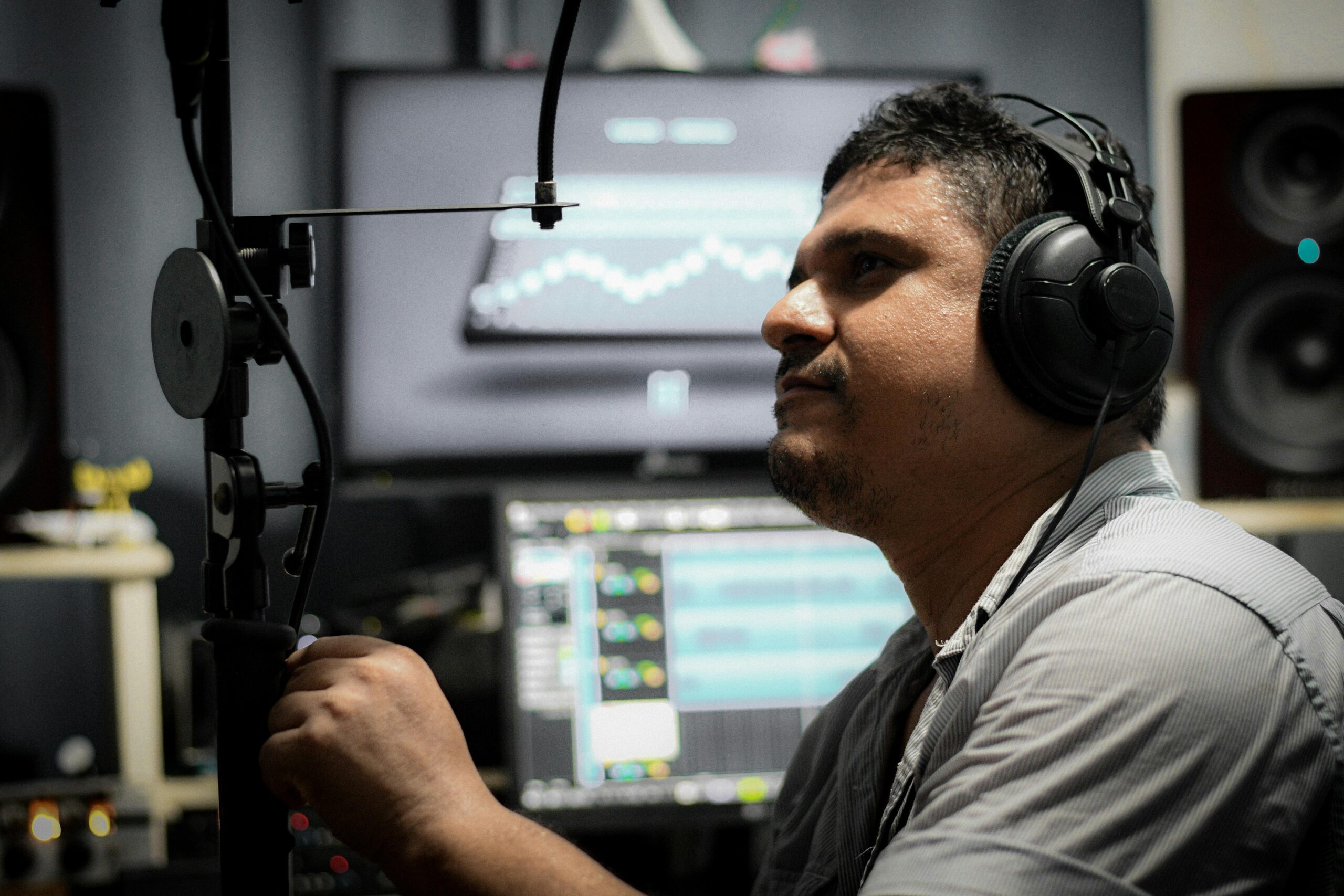
While consumer audio devices have driven initial adoption, adaptive sound wave control is finding important applications in professional settings. Recording studios use adaptive systems to optimize monitoring environments. Conference rooms employ the technology to ensure clear communication regardless of room acoustics or participant locations.
Healthcare professionals are exploring adaptive audio for hearing aids that go far beyond simple amplification. These medical-grade adaptive systems can distinguish speech from noise in extremely challenging acoustic environments, significantly improving quality of life for hearing-impaired individuals.
Automotive manufacturers are integrating adaptive audio into vehicle cabins, creating personalized sound zones for different passengers and optimizing audio clarity despite road noise, wind, and engine sounds. This technology enhances both entertainment and critical communication systems like hands-free calling and voice assistants.
🎼 Maximizing Your Adaptive Audio Experience
To get the most from adaptive sound technology, understanding optimal setup and usage practices is essential. Most systems benefit from initial calibration that analyzes your specific hearing characteristics and establishes baseline preferences.
Take time to explore your device’s adaptive settings and customization options. Many systems offer different adaptive modes optimized for specific activities—commuting, working, exercising, or relaxing. Experimenting with these modes helps you understand how the technology adapts to different scenarios.
Keep your device’s firmware updated, as manufacturers regularly release improvements to adaptive algorithms based on user data and ongoing research. These updates can significantly enhance performance without requiring new hardware.
Common Setup Tips
- Complete any hearing tests or calibration procedures offered by your device for optimal personalization
- Allow the AI learning features several weeks to understand your preferences before judging performance
- Ensure proper fit for earbuds or headphones—acoustic seal significantly affects adaptive performance
- Grant necessary permissions for location and activity tracking if you want environment-specific optimization
- Periodically clean microphone ports to maintain accurate environmental sensing
The Investment in Superior Sound Quality
While adaptive sound technology often commands premium pricing, the investment delivers measurable value through improved audio quality, hearing protection, and enhanced productivity. Users report less listening fatigue, clearer communication during calls, and more enjoyable media consumption.
For professionals who spend hours daily on calls or listening to content, the quality-of-life improvements justify the investment. The technology transforms audio from a potential stressor into a consistently positive experience regardless of environmental challenges.
Entry-level adaptive features are increasingly available in mid-range devices, making the technology accessible to broader audiences. While these implementations may not match flagship performance, they still deliver noticeable improvements over traditional static audio systems.
🚀 Embracing the Audio Revolution
Adaptive sound wave control represents a fundamental shift in how we approach audio technology. Rather than forcing listeners to manually adjust settings or tolerate suboptimal sound quality, these intelligent systems proactively create ideal listening conditions automatically and continuously.
As the technology becomes more sophisticated and widely adopted, it will fundamentally change our expectations for audio experiences. We’ll increasingly expect our devices to understand our needs and adapt seamlessly to our environments, just as adaptive audio does today.
The revolution in audio technology isn’t about louder sound or more bass—it’s about intelligent systems that deliver precisely what you need, when you need it, without conscious effort. This represents the true future of audio: technology that works for you, adapting to your life rather than requiring you to adapt to its limitations.
Whether you’re an audiophile seeking the ultimate listening experience, a professional requiring clear communication in challenging environments, or simply someone who appreciates excellent sound quality, adaptive sound wave control offers tangible benefits that enhance daily life. The technology has matured beyond early adopter status into practical, reliable systems that deliver on their promises.
As you consider upgrading your audio equipment or exploring new devices, prioritize those with genuine adaptive capabilities. The difference in daily experience is substantial, transforming audio from a sometimes-frustrating technical challenge into an effortlessly excellent aspect of your digital life. The future of sound is adaptive, intelligent, and personal—and that future is available today.