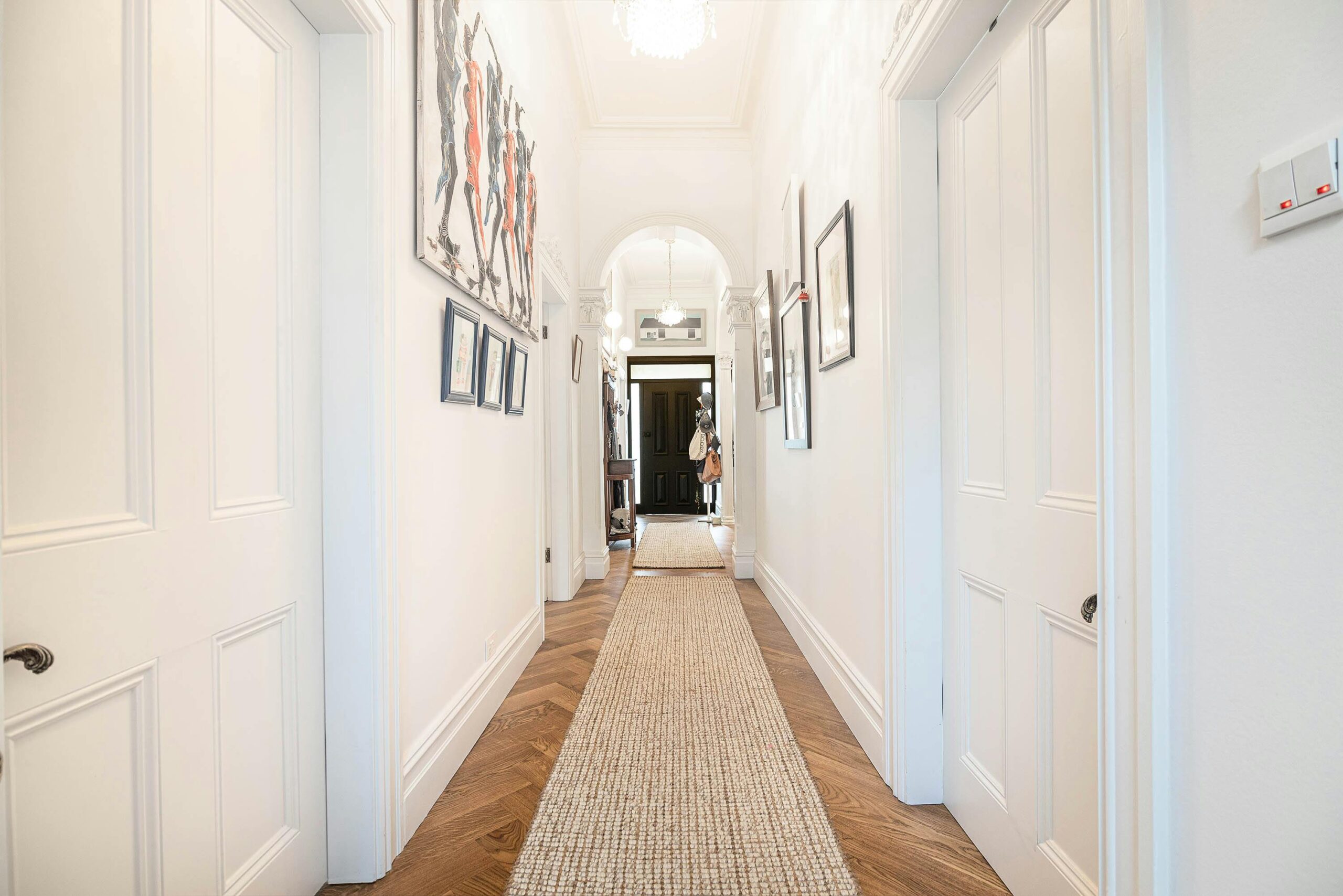
Heritage buildings stand as monuments to our collective past, yet they face modern challenges. Balancing acoustic comfort with architectural integrity demands innovative solutions that honor history while embracing contemporary technology.

🏛️ The Acoustic Dilemma in Historic Structures
Historic buildings were constructed in eras when noise pollution was minimal and acoustic considerations vastly different from today’s standards. Stone walls, high ceilings, and hard surfaces create reverberation challenges that modern occupants find uncomfortable. Churches echo with excessive sound decay, museums struggle with visitor noise management, and converted heritage spaces face acoustic inadequacies for their new functions.
The preservation of architectural heritage requires careful intervention. Traditional soundproofing methods often involve invasive modifications that compromise historical features. Original plasterwork, decorative moldings, and period-specific materials cannot simply be covered or removed. This creates a unique challenge: how do we improve acoustic performance without destroying the very elements that make these buildings historically significant?
Contemporary uses for heritage buildings amplify these acoustic concerns. A 19th-century banking hall converted into a restaurant, a medieval monastery housing offices, or a Victorian theatre hosting modern performances—each transformation introduces sound requirements the original architects never anticipated. Traffic noise, HVAC systems, and modern activities generate sound levels that penetrate historic walls designed for quieter times.
Understanding Heritage Building Acoustics
Historic construction methods created distinctive acoustic signatures. Thick masonry walls provided mass but transmitted low-frequency vibrations. Timber floors and beams resonated with footfall impacts. Single-glazed windows offered minimal sound insulation against external noise. These characteristics, while charming, present measurable acoustic deficiencies by contemporary standards.
Reverberation times in heritage spaces often exceed comfort levels dramatically. A suitable reverberation time for speech intelligibility ranges from 0.8 to 1.2 seconds, yet many historic halls measure 3 to 5 seconds or more. This acoustic blur makes conversation difficult and music performance challenging, limiting the building’s functionality for modern purposes.
Sound transmission between spaces poses another challenge. Original partition walls, designed for different privacy expectations, fail to meet current acoustic separation requirements. Historic buildings repurposed as hotels, apartments, or offices require sound isolation that their construction never intended to provide.
Material Considerations in Historic Contexts
Traditional building materials behave differently acoustically than modern alternatives. Lime plaster, timber paneling, and stone surfaces each have distinct absorption coefficients and transmission loss characteristics. Understanding these properties enables acoustic designers to work with existing materials rather than against them.
Hygroscopic materials in heritage buildings—those that absorb and release moisture—require acoustic solutions that don’t compromise their breathing capacity. Sealing walls with impermeable soundproofing can trap moisture, leading to deterioration of historic fabric. Any intervention must consider the building’s environmental balance alongside acoustic performance.
🎯 Innovative Non-Invasive Acoustic Solutions
Modern acoustic engineering offers sophisticated solutions that respect architectural heritage while delivering measurable improvements. These approaches prioritize reversibility, minimal visual impact, and compatibility with historic materials—principles aligned with conservation philosophy.
Acoustic panels designed specifically for heritage applications now feature historically appropriate aesthetics. Fabric-wrapped absorbers can be colored and textured to blend with period interiors. Custom-shaped panels follow architectural details, mounting discreetly on walls or suspended from ceilings without damaging original surfaces. These solutions reduce reverberation effectively while maintaining visual integrity.
Transparent and translucent acoustic materials represent breakthrough innovations for heritage spaces. Acoustic glazing systems improve window sound insulation without replacing historic frames. Micro-perforated panels in glass or acrylic provide sound absorption while preserving sightlines and natural light—critical factors in historically significant interiors.
Adaptive Acoustic Treatments
Variable acoustics technology allows heritage spaces to serve multiple functions. Retractable curtain systems, movable acoustic panels, and adjustable absorbers enable the same space to accommodate different acoustic requirements. A historic hall can optimize reverberation for orchestral performance one evening and provide speech clarity for conferences the next day.
Digital acoustic enhancement systems offer another non-invasive approach. These technologies use microphones, processors, and strategically placed speakers to modify perceived acoustics electronically. While controversial in some preservation circles, they provide acoustic flexibility without physical alterations to historic fabric.
Sympathetic Soundproofing Techniques
Window modifications present particular challenges in heritage buildings where original glazing is protected. Secondary glazing systems—additional panes mounted internally—improve sound insulation substantially without altering external appearance. These systems can be designed to match historic window proportions and operate independently of original windows, preserving their functionality and character.
Floor treatments require careful consideration in historic buildings. Impact noise from footfall travels easily through timber floor structures. Floating floors provide excellent sound isolation but add height that may affect door clearances and room proportions. Thin acoustic underlayments, though less effective, offer compromise solutions that preserve original floor levels while providing measurable improvement.
Ceiling interventions in heritage spaces must balance acoustic performance with visual preservation. Suspended acoustic clouds and baffles treat reverberation without concealing decorative ceilings. These elements can be designed as contemporary insertions that complement rather than compete with historic architecture, creating honest layering of different periods.
Wall Treatment Strategies
Adding mass to historic walls improves sound insulation but requires careful structural assessment. Independent acoustic walls built slightly away from original surfaces avoid direct attachment while providing substantial sound blocking. This approach preserves historic fabric and creates valuable service voids for modern building systems.
Acoustic plaster systems offer subtle sound absorption without obvious visual treatment. These specialized plasters can be applied over existing surfaces or integrated into restoration projects. Their texture and finish can match historic precedents while incorporating sound-absorbing properties through porosity and composition.
🔧 Case Studies: Success in Historic Acoustic Renovation
The restoration of London’s Royal Opera House demonstrates sophisticated acoustic intervention in a protected heritage building. Acoustic consultants improved reverberation control through carefully positioned absorbers that respected the Victorian auditorium’s ornate decoration. Computational modeling predicted acoustic outcomes before installation, minimizing trial and error in the sensitive historic environment.
Barcelona’s Palau de la Música Catalana faced challenges balancing its UNESCO World Heritage status with acoustic requirements for contemporary performance. Solutions included transparent acoustic panels that maintained visual connection to stained glass while controlling reverberation, and subtle absorption treatments integrated into decorative elements. The project achieved modern acoustic standards without compromising architectural significance.
Converting historic buildings to new uses provides opportunities for innovative acoustic design. The transformation of Amsterdam’s former post office into a luxury hotel required extensive soundproofing between guestrooms while preserving monumental public spaces. Acoustic consultants employed independent room-within-room construction for sleeping areas, achieving excellent sound isolation without altering protected facades and principal interiors.
Regulatory and Conservation Framework
Heritage protection legislation varies internationally but generally requires that interventions be appropriate, reversible, and minimal. Acoustic improvements must demonstrate necessity, employ least-invasive methods, and document impacts on historic fabric. This regulatory environment demands collaboration between acoustic specialists and conservation professionals from project inception.
Building codes present potential conflicts with conservation principles. Modern acoustic standards for residential separation, workplace noise limits, and accessibility requirements may be difficult to achieve without substantial alteration. Many jurisdictions allow alternative compliance methods for heritage buildings, recognizing that strict code adherence may be inappropriate or impossible.
Documentation requirements for heritage acoustic projects exceed typical construction standards. Detailed surveys of existing conditions, acoustic measurements, impact assessments, and monitoring programs form essential components of responsible intervention. This documentation serves immediate project needs while creating valuable records for future conservation work.
Collaborative Design Process
Successful heritage acoustic projects require multidisciplinary collaboration. Architects, acoustic consultants, conservation specialists, structural engineers, and heritage authorities must work together from early design stages. This integrated approach identifies conflicts early and develops solutions that balance competing requirements effectively.
Stakeholder engagement extends beyond technical professionals. Building users, local communities, and heritage advocates have legitimate interests in acoustic interventions. Consultation processes that explain acoustic problems and proposed solutions build support for necessary changes and may reveal creative alternatives.
🌍 Sustainable Approaches to Historic Acoustic Treatment
Sustainability and heritage conservation share common values: preserving existing resources, minimizing waste, and taking long-term perspectives. Acoustic treatments using natural materials—wool, cork, hemp, recycled textiles—align with both conservation philosophy and environmental responsibility. These materials often outperform synthetic alternatives in historic building contexts where vapor permeability matters.
Life cycle assessment for heritage acoustic solutions considers durability and reversibility alongside manufacturing impacts. Temporary or adjustable systems may have lower environmental costs than permanent installations, particularly when future uses might demand different acoustic characteristics. Designing for adaptability reduces the need for demolition and replacement.
Energy efficiency connects directly to acoustic performance in heritage buildings. Improving window and wall insulation for sound control simultaneously reduces heat loss. However, airtightness measures that improve both acoustic and thermal performance must not compromise necessary ventilation in historic structures, where traditional “leaky” construction managed moisture through air movement.
Emerging Technologies for Heritage Acoustics
Three-dimensional acoustic modeling has revolutionized heritage acoustic design. Software simulates sound behavior in complex historic spaces with remarkable accuracy, allowing designers to test interventions virtually before committing to physical changes. This technology reduces risk in irreplaceable environments and enables optimization impossible through traditional methods.
Metamaterials—engineered materials with properties not found in nature—offer exciting possibilities for heritage soundproofing. Thin metamaterial panels can block low-frequency sound that typically requires substantial mass, providing powerful sound insulation in minimal thickness. As these technologies mature and costs decrease, they’ll enable acoustic improvements previously impossible in heritage contexts.
Active noise control systems use destructive interference to cancel unwanted sound. While currently limited to specific applications like HVAC noise, advancing technology may enable broader use in heritage buildings. These electronic solutions provide acoustic improvement without physical alteration, though they require ongoing power consumption and maintenance.
Digital Documentation and Monitoring
Laser scanning and photogrammetry create precise three-dimensional records of heritage buildings before acoustic intervention. These digital models document existing conditions with accuracy impossible in traditional surveys, providing baselines for assessing change and resources for future conservation work. Integration with acoustic modeling software creates powerful design tools.
Acoustic monitoring systems track performance over time, verifying that interventions achieve intended results and don’t cause unintended consequences. Long-term data collection in heritage buildings informs future projects and builds understanding of how acoustic treatments age in historic environments.
💡 Practical Guidance for Heritage Acoustic Projects
Early acoustic assessment prevents expensive surprises during heritage building renovations. Comprehensive measurements of reverberation time, sound insulation, and background noise establish baseline conditions and identify problems requiring attention. This data informs realistic goal-setting and solution development appropriate to the building’s significance and constraints.
Prioritization helps allocate limited budgets effectively. Not every heritage space requires perfect acoustics—focus resources where acoustic problems most severely impact building function. A lecture hall demands better speech intelligibility than a circulation corridor. Strategic intervention in critical areas often yields better overall results than spreading resources thinly across entire buildings.
Testing and mockups reduce risk in heritage acoustic projects. Installing small demonstration areas allows assessment of acoustic performance, visual impact, and constructional feasibility before full implementation. This approach identifies problems early when changes are inexpensive and builds confidence among stakeholders skeptical of proposed interventions.

The Future of Heritage Building Acoustics
Growing appreciation for heritage building reuse ensures continued demand for innovative acoustic solutions. As urban populations increase and construction costs rise, adapting existing buildings becomes increasingly attractive economically and environmentally. This trend drives development of better acoustic technologies compatible with historic fabric.
Climate change adaptation will influence heritage acoustic strategies. Extreme weather events, changing temperature patterns, and modified precipitation affect historic buildings’ environmental behavior. Acoustic interventions must accommodate these shifting conditions, ensuring solutions remain effective and don’t compromise buildings’ climate resilience.
Education and knowledge sharing advance the field continuously. As more heritage acoustic projects document their approaches and outcomes, the profession builds collective understanding of what works in different contexts. This growing evidence base enables more confident decision-making and more successful outcomes in protecting our architectural heritage while meeting contemporary needs.
The intersection of heritage conservation and acoustic engineering represents a fascinating frontier where respect for the past meets innovation for the future. Each historic building presents unique challenges demanding creative solutions that honor architectural significance while delivering acoustic performance appropriate to contemporary use. Through careful assessment, innovative technology, collaborative design, and respect for heritage values, we can ensure these irreplaceable buildings remain functional and cherished for generations to come. The goal isn’t to make historic buildings indistinguishable from new construction, but to enhance their acoustic qualities sensitively, preserving character while improving comfort and usability in our increasingly noisy world.