
Noise pollution affects millions globally, impacting health, productivity, and quality of life. Identifying and optimizing sound sources requires technical expertise and innovative approaches to create quieter, more comfortable environments.

🔍 Understanding the Complex Nature of Modern Noise Pollution
In our increasingly urbanized world, unwanted sound has become an invisible yet pervasive challenge. From industrial machinery to HVAC systems, from traffic noise to electronic equipment, the sources of disruptive sound are numerous and often overlapping. The first step toward effective sound optimization is developing a comprehensive understanding of how noise behaves, propagates, and impacts our spaces.
Sound waves travel through air, solids, and liquids, reflecting, diffracting, and absorbing differently depending on the medium and environmental factors. This complexity makes noise source identification a sophisticated discipline requiring both theoretical knowledge and practical measurement techniques. Modern acoustic engineers must consider multiple variables including frequency spectrum, sound pressure levels, temporal patterns, and environmental conditions.
📊 Advanced Measurement Technologies for Precise Acoustic Analysis
Traditional sound level meters have evolved dramatically, giving way to sophisticated diagnostic tools that provide unprecedented insight into acoustic environments. Today’s professional-grade equipment offers real-time frequency analysis, directional capabilities, and data logging features that transform raw measurements into actionable intelligence.
Sound Intensity Mapping and Visualization
One of the most powerful techniques in modern acoustics is sound intensity mapping, which creates visual representations of noise fields. Unlike simple sound pressure measurements that only indicate loudness at a single point, intensity mapping reveals the direction and magnitude of sound energy flow. This technology employs arrays of precision microphones working in concert to triangulate sound sources with remarkable accuracy.
Acoustic cameras represent the cutting edge of this technology, combining microphone arrays with optical cameras to create visual overlays showing exactly where sounds originate. These devices can identify noise sources in complex environments where traditional methods fail, making them invaluable for industrial troubleshooting, building diagnostics, and product development.
Spectrum Analysis and Frequency Decomposition
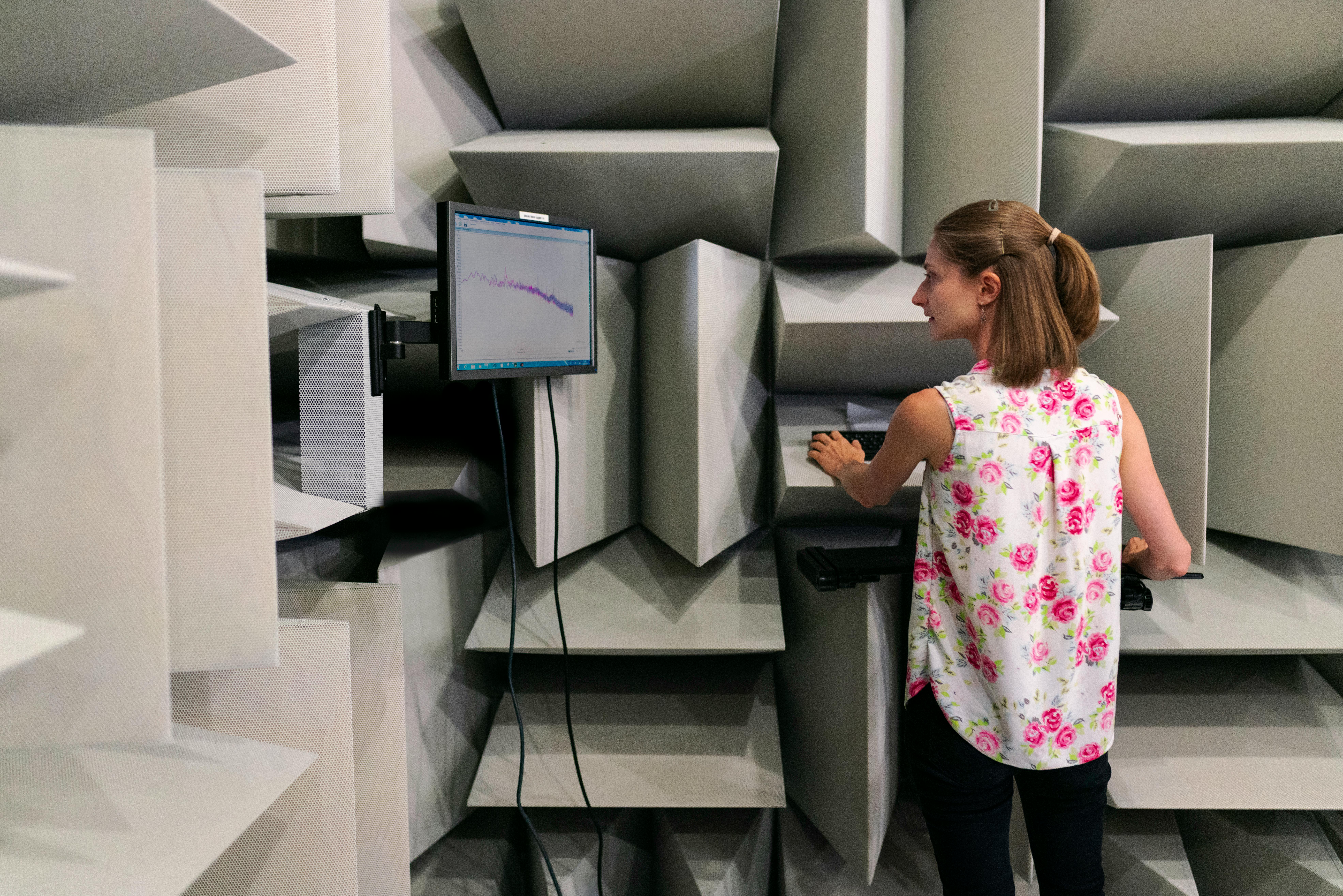
Understanding the frequency composition of noise is essential for effective mitigation. Fast Fourier Transform (FFT) analyzers break down complex sounds into their constituent frequencies, revealing patterns invisible to simple decibel measurements. Low-frequency rumble, mid-range machinery noise, and high-frequency whines each require different treatment strategies.
Third-octave band analysis provides industry-standard frequency resolution, dividing the audible spectrum into manageable segments. This approach helps acoustic professionals identify problematic frequency ranges and design targeted solutions rather than applying broad-spectrum treatments that may prove inefficient or ineffective.
🎯 Systematic Approaches to Noise Source Identification
Successful noise identification requires methodical investigation rather than guesswork. Professional acousticians employ structured protocols that systematically eliminate ambiguity and pinpoint exact sources, even in acoustically chaotic environments.
The Exclusion Method for Complex Environments
When multiple potential noise sources exist, the exclusion method provides a reliable pathway to identification. This technique involves selectively deactivating or isolating suspected sources while monitoring acoustic levels. By systematically eliminating variables, investigators can determine which elements contribute to the overall noise profile and quantify their individual impacts.
This approach proves particularly valuable in industrial settings where dozens of machines operate simultaneously, or in buildings where HVAC systems, plumbing, elevators, and external traffic create a complex acoustic landscape. Documentation throughout the process creates a database of source contributions that informs both immediate remediation and future design decisions.
Temporal Analysis and Pattern Recognition
Noise sources often exhibit characteristic temporal signatures that aid identification. Continuous monitoring over extended periods reveals patterns invisible during brief measurements. Cyclical equipment, intermittent operations, and time-dependent external factors all create recognizable acoustic fingerprints.
Advanced data logging systems can record sound levels continuously for days or weeks, automatically flagging acoustic events and correlating them with other operational data. Machine learning algorithms increasingly support this work, recognizing patterns and anomalies that might escape human observers.
🛠️ Practical Tools for Field Investigation
While professional equipment provides unmatched precision, accessible tools have democratized basic acoustic analysis. Smartphone applications now offer surprisingly capable measurement functions, though with important limitations that users must understand.
Calibrated measurement microphones remain essential for legally defensible measurements and precision work. However, smartphone-based tools serve valuable roles in preliminary assessments, educational contexts, and general awareness building. These applications typically measure sound pressure levels and may include spectrum analysis, recording capabilities, and data export functions.
Professional handheld analyzers bridge the gap between smartphone convenience and laboratory precision. These devices feature calibrated microphones, standardized weighting curves, and compliance with international measurement standards. Investment in quality equipment pays dividends through accurate data that supports confident decision-making.
💡 Strategic Sound Optimization Techniques
Identifying noise sources represents only half the equation; implementing effective mitigation requires understanding the principles of sound control and selecting appropriate interventions for specific situations.
Source-Path-Receiver Framework
The fundamental model for noise control divides problems into three components: the source generating sound, the path through which it travels, and the receiver experiencing it. Effective solutions may target any or all of these elements, with source control generally providing the most efficient results.
Source modifications include equipment replacement, operational changes, vibration isolation, and enclosure. Path interventions employ barriers, distance, absorption materials, and structural decoupling. Receiver protection encompasses hearing protection, space relocation, and schedule adjustments. Comprehensive strategies often combine multiple approaches for maximum effectiveness.
Absorption and Dampening Materials
Acoustic absorption materials convert sound energy into minimal heat through friction within porous structures. Fibrous materials, open-cell foams, and specialized panels each offer distinct performance characteristics across different frequency ranges. Proper selection requires matching material properties to the specific frequency content of the problematic noise.
Low frequencies demand thick, dense materials or specialized resonant absorbers, while high frequencies respond to thinner treatments. Many facilities struggle with low-frequency control because intuition often leads to inadequate solutions. Professional acoustic design considers these physics-based requirements rather than relying on superficial appearances.
Isolation and Decoupling Strategies
Vibration transmission through structures creates noise problems distant from original sources. Machinery mounted directly to floors transmits vibrations throughout buildings, producing structure-borne noise that traditional barriers cannot block. Isolation mounts, floating floors, and resilient connections interrupt transmission paths, preventing sound energy from reaching sensitive areas.
The mass-spring-mass principle underlies effective isolation design. Properly engineered systems can reduce transmitted vibration by factors of 100 or more, essentially eliminating structure-borne noise problems. However, improper implementation may actually amplify problems at certain frequencies, emphasizing the value of expert design.
🏗️ Architectural Integration of Acoustic Design
The most effective noise control happens during design phases rather than as retrofit corrections. Integrating acoustic considerations into architectural planning creates superior environments at lower cost than remedial treatments.
Space Planning and Zoning Principles
Strategic arrangement of spaces according to their acoustic character minimizes conflicts. Locating noisy functions away from quiet zones, clustering compatible activities, and employing buffer spaces reduces noise transmission challenges. Distance remains one of the most cost-effective noise control measures, as sound levels decrease predictably with separation.
Vertical zoning deserves particular attention in multi-story buildings. Placing mechanical equipment rooms, fitness centers, or commercial kitchens below residences or quiet offices creates persistent complaints and expensive remediation. Thoughtful stacking of compatible functions prevents these problems entirely.
Building Envelope Considerations
External noise intrusion through facades, windows, and roofs challenges buildings near transportation corridors, industrial areas, or entertainment districts. High-performance glazing, multiple-wythe wall construction, and attention to air-sealing details create effective sound barriers without compromising aesthetics or daylighting.
Windows represent the acoustically weakest component of most facades, yet occupants demand natural light and views. Laminated glass, dissimilar pane thicknesses, and increased air spaces between glazing layers improve sound insulation. For extreme situations, secondary window systems provide exceptional performance while maintaining access to operable primary windows.
🔬 Emerging Technologies and Future Directions
The field of acoustics continues evolving with technological advancement opening new possibilities for noise identification and control. Active noise cancellation, once limited to headphones, now scales to architectural applications in specific circumstances.
Active Acoustic Control Systems
Active systems generate sound waves precisely out of phase with unwanted noise, creating destructive interference that cancels problematic frequencies. While technically challenging and expensive, these approaches work where passive methods fail, particularly for low-frequency problems in compact spaces. Aircraft cabins, luxury vehicles, and specialized industrial applications increasingly employ active control.
Limitations include high cost, complexity, maintenance requirements, and effectiveness primarily at lower frequencies. The technology works best against predictable, repetitive noise rather than random or impulsive sounds. As processing power increases and costs decline, applications will expand.
Artificial Intelligence in Acoustic Analysis
Machine learning algorithms now identify sound sources, predict acoustic performance, and optimize mitigation strategies. Training neural networks on vast acoustic databases enables automated classification of noise types and suggestion of appropriate treatments. This technology augments rather than replaces human expertise, handling routine analysis while freeing professionals for complex problem-solving.
Predictive modeling powered by AI helps designers evaluate acoustic implications of architectural decisions before construction begins. Virtual prototyping reduces expensive mistakes and enables optimization impossible through traditional trial-and-error approaches.
📋 Implementing Comprehensive Acoustic Management Programs
Organizations serious about noise control benefit from structured programs addressing acoustic issues systematically rather than reactively. Comprehensive management includes baseline assessment, ongoing monitoring, clear standards, and continuous improvement processes.
Establishing Baseline Conditions and Standards
Effective management begins with understanding current conditions through thorough measurement and documentation. Baseline data provides reference points for evaluating changes, whether improvements from interventions or degradation requiring attention. Standards appropriate to specific contexts guide goal-setting and performance evaluation.
Regulatory requirements establish minimum acceptable conditions in many situations, but organizational standards often exceed legal minimums to enhance comfort, productivity, or brand reputation. Clear documentation of standards and measurement protocols ensures consistency and supports accountability.
Training and Awareness Development
Human behavior significantly influences acoustic environments. Equipment operation, space usage, and individual choices affect noise levels and require awareness for optimal outcomes. Training programs educate staff about acoustic principles, measurement techniques, and control strategies, creating organizational capacity for sustained improvement.
Awareness campaigns help building occupants understand their role in creating acceptable acoustic environments. Simple behavioral modifications often provide substantial improvements without capital investment, making education one of the highest-return interventions available.
🌍 Addressing Environmental and Community Noise Challenges
Beyond individual buildings, community-scale noise issues require coordination among multiple stakeholders and longer time horizons. Transportation noise, industrial operations, and entertainment venues create impacts across neighborhoods, demanding comprehensive planning and regulatory frameworks.
Noise mapping at the community scale identifies problem areas and supports evidence-based policy development. Many jurisdictions now require acoustic impact assessments for major developments, ensuring noise implications receive consideration alongside other environmental factors. Progressive communities integrate acoustic planning into comprehensive land-use strategies from inception rather than addressing problems after they emerge.
🎓 Transforming Knowledge into Quieter Environments
The techniques and technologies available for noise source identification and sound optimization have never been more powerful or accessible. Success requires combining technical knowledge with systematic investigation, appropriate tools, and creative problem-solving tailored to specific contexts.
Whether addressing industrial machinery, building systems, or community soundscapes, the fundamental principles remain consistent: identify sources accurately, understand propagation paths, select appropriate interventions, and verify results through measurement. This disciplined approach transforms noisy environments into comfortable spaces supporting human health, productivity, and wellbeing.
As awareness of noise impacts grows and technology continues advancing, opportunities multiply for creating acoustic environments that enhance rather than detract from quality of life. The silence we unlock through expert application of these advanced techniques represents not absence, but rather the presence of acoustic conditions perfectly suited to their intended purpose.