In a world drowning in noise, finding peace within your own four walls has become more than luxury—it’s essential for mental health, productivity, and overall quality of life.

Whether you live near a bustling street, have noisy neighbors, or simply crave a sanctuary from the constant hum of modern living, soundproofing offers a practical solution. However, transforming your space into an acoustic haven doesn’t require a complete renovation or draining your savings account. Through strategic, phased soundproofing solutions, you can gradually create the peaceful environment you deserve while managing your budget and timeline effectively.
This comprehensive guide will walk you through the art of silence, presenting practical strategies that range from simple DIY fixes to more advanced soundproofing techniques. By understanding how sound travels and implementing solutions in manageable phases, you’ll discover how to reclaim your space and establish the tranquility that’s been eluding you.
🔊 Understanding the Enemy: How Sound Invades Your Space
Before embarking on your soundproofing journey, it’s crucial to understand what you’re fighting against. Sound travels in two primary ways: through the air (airborne noise) and through solid structures (impact or structure-borne noise). Traffic sounds, conversations, television noise, and music are airborne sounds that slip through gaps, windows, and thin walls. Meanwhile, footsteps from upstairs neighbors, vibrations from appliances, and slammed doors represent impact noise that travels through your building’s framework.
Identifying which type of noise plagues your space most significantly will help you prioritize your soundproofing phases. Spend a few days documenting when noise occurs, where it originates, and how it enters your space. This reconnaissance work proves invaluable when allocating your resources and planning your phased approach.
Sound frequency also matters tremendously. Low-frequency sounds like bass from music or rumbling traffic penetrate walls more easily than high-frequency sounds. This explains why you might hear your neighbor’s subwoofer but not their conversation clearly. Understanding these nuances shapes your strategy moving forward.
Phase One: Quick Wins That Make Immediate Impact 🎯
Your first phase should focus on low-cost, high-impact solutions that deliver immediate results. These foundational steps require minimal investment but can reduce noise levels by 20-30%, making your space noticeably more peaceful while you plan more extensive improvements.
Seal the Gaps and Cracks
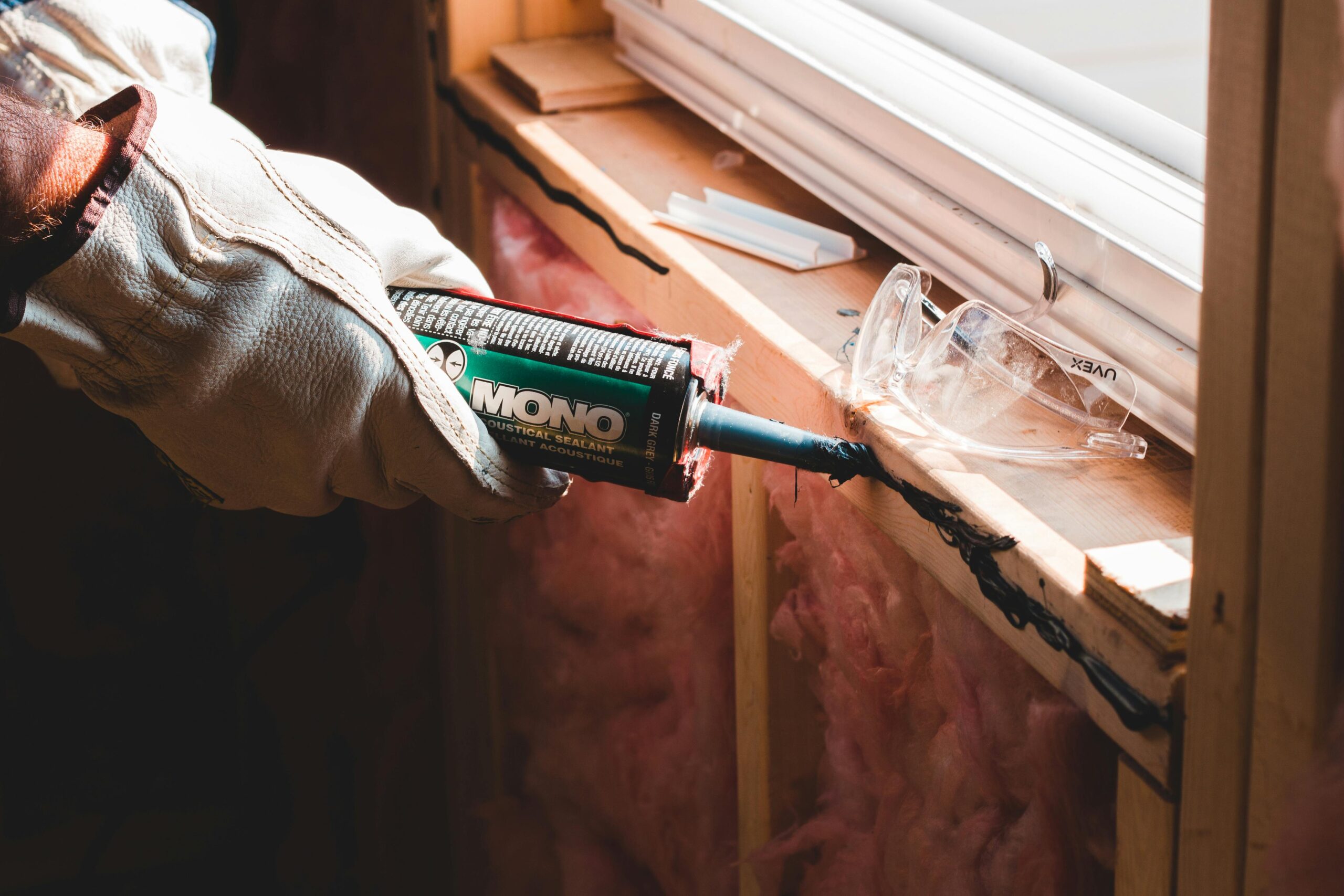
Sound behaves like water—it finds the path of least resistance. Those tiny gaps around doors, windows, and electrical outlets act as highways for noise infiltration. Weatherstripping for doors and windows costs mere dollars but provides remarkable results. Acoustic caulk applied to cracks in walls, along baseboards, and around outlet covers blocks sound pathways effectively.
Pay special attention to your door sweeps. The gap beneath doors often represents the largest sound leak in any room. Installing a door sweep or threshold seal takes minutes but dramatically reduces noise transmission, especially important for bedroom doors or home office entrances.
Strategic Furniture Placement
Your existing furniture can serve as sound absorption tools when positioned thoughtfully. Bookshelves filled with books create excellent sound barriers against shared walls. The varied surfaces and air pockets between books scatter and absorb sound waves effectively. Position your heaviest, densest furniture—bookshelves, wardrobes, upholstered headboards—against the noisiest walls.
Soft furnishings like thick curtains, area rugs, and upholstered furniture absorb sound rather than reflecting it around your room. Layer these elements strategically to reduce echo and dampen incoming noise simultaneously.
Window Treatment Upgrades
Windows represent significant weak points in your sound defense. As an immediate solution, install heavyweight, multilayer curtains with a dense core. Look for curtains specifically marketed as “thermal” or “blackout”—these typically feature tightly woven, dense fabrics that block sound alongside light and temperature.
For sliding glass doors or exceptionally problematic windows, consider adding a second curtain rod with a different curtain type. The air gap between curtain layers, combined with varied materials, provides superior sound dampening compared to single-layer treatments.
Phase Two: Mid-Level Solutions for Serious Noise Reduction 🛠️
Once you’ve implemented quick wins and assessed their impact, phase two introduces more substantial investments that deliver 40-60% noise reduction. These solutions require more planning, slightly higher budgets, and potentially some installation expertise, but they transform your space significantly.
Acoustic Panels and Sound Absorbers
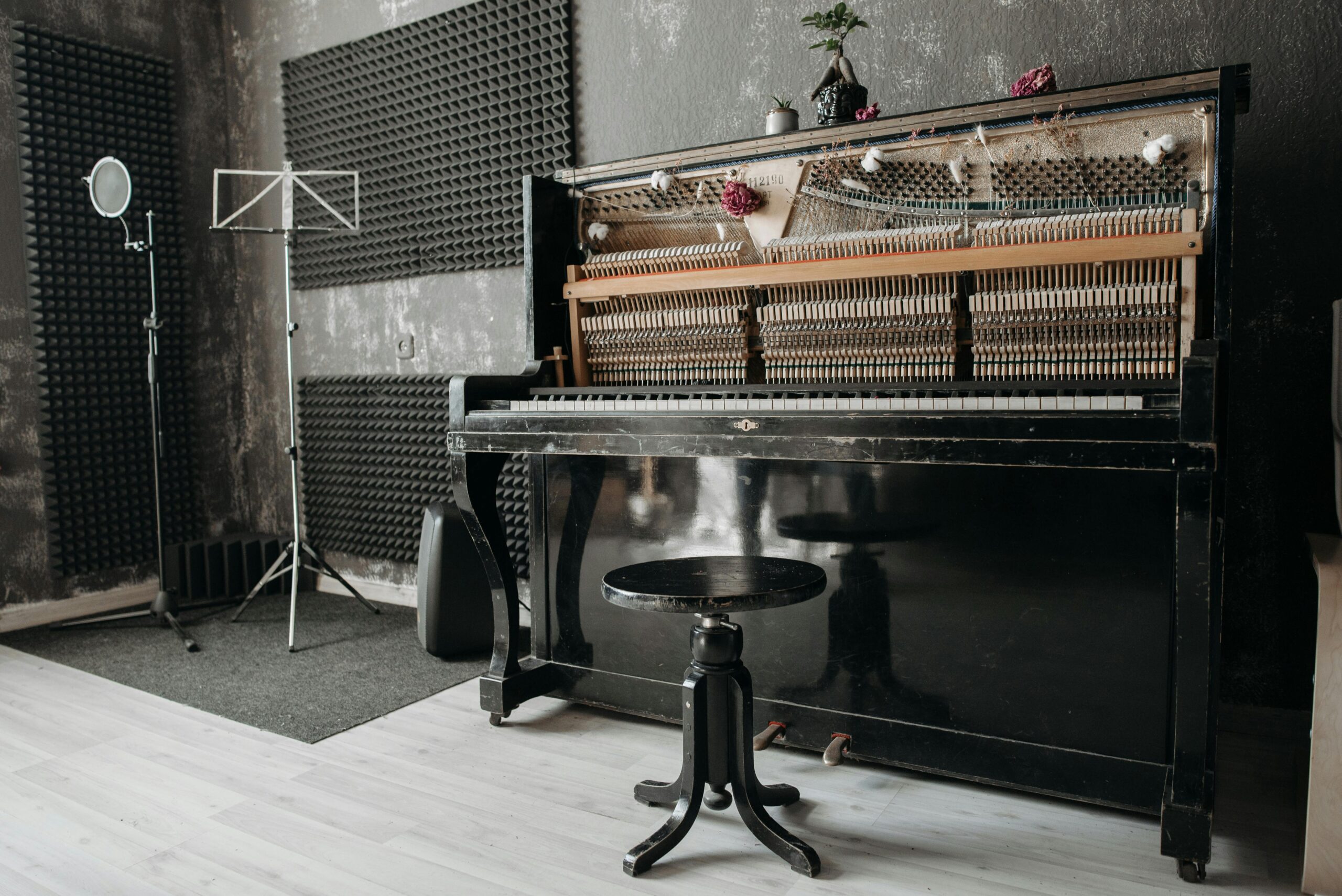
Acoustic panels mounted on walls and ceilings absorb sound waves before they bounce around your room. These panels come in various styles, from utilitarian foam to decorative fabric-wrapped designs that enhance your interior aesthetics. For home offices, studios, or media rooms, acoustic panels prove particularly effective.
Strategic placement matters enormously. Install panels at reflection points—where sound bounces between parallel walls—and on the wall opposite your primary noise source. Corner bass traps address low-frequency sounds that congregate in room corners, tackling those rumbling sounds that standard panels miss.
Mass-Loaded Vinyl Applications
Mass-loaded vinyl (MLV) represents one of soundproofing’s secret weapons. This dense, flexible material blocks sound transmission without requiring major construction. You can install MLV behind artwork, mount it on walls beneath decorative fabric, or layer it behind existing curtains for enhanced window soundproofing.
While MLV installation requires more effort than hanging curtains, it doesn’t demand professional contractors for many applications. The material’s flexibility allows creative installations that match your aesthetic preferences while delivering substantial sound blocking capabilities.
Door Soundproofing Upgrades
If phase one’s door sweeps helped but didn’t solve your door-related noise issues, phase two introduces more robust solutions. Solid-core doors block sound far better than hollow-core alternatives. Replacing a hollow-core door with a solid-core version typically costs between $100-300, depending on size and style, and delivers dramatic improvements.
For even better results without replacing doors, apply acoustic door seals around the entire frame. These compression seals create an airtight barrier when the door closes, similar to refrigerator seals. Combined with an automatic door bottom that drops when the door closes, you create a nearly sealed acoustic barrier.
Phase Three: Advanced Soundproofing for Maximum Tranquility 🏗️
Phase three solutions require significant investment and often professional installation, but they deliver 70-90% noise reduction—transforming even severely noise-polluted spaces into peaceful sanctuaries. Consider these options once you’ve exhausted simpler solutions or when circumstances demand maximum sound isolation.
Window Replacement and Enhancement
Standard single-pane windows offer minimal sound resistance. Double-pane windows with dissimilar glass thicknesses (one pane thicker than the other) perform substantially better by disrupting sound wave transmission. Triple-pane windows with laminated glass represent the premium option, blocking traffic noise, neighbor sounds, and even low-frequency rumbles remarkably well.
If full window replacement exceeds your budget or isn’t permitted (rental situations or historic buildings), consider acoustic window inserts. These custom-fitted panels install inside your existing window frame, creating an air gap that significantly improves sound blocking without altering your home’s exterior appearance.
Wall Treatment and Construction
For shared walls with problematic neighbors or exterior walls facing highways, advanced wall treatments deliver transformative results. Several approaches exist, ranging from adding resilient channels and additional drywall layers to building entirely independent “room within a room” structures for ultimate isolation.
Resilient channels—metal strips that mechanically decouple new drywall from existing walls—prevent sound vibrations from transferring through the wall structure. Combined with sound-damping compound between drywall layers and additional insulation, this approach dramatically reduces both airborne and impact noise transmission.
For extreme situations, double-stud walls create an air gap between two independent wall structures, preventing vibration transfer almost entirely. While expensive and space-consuming, this technique provides recording-studio-quality sound isolation for home offices, music rooms, or bedrooms where silence is non-negotiable.
Ceiling and Floor Solutions
Impact noise from above—footsteps, furniture moving, dropped objects—requires addressing ceiling soundproofing. Resilient sound clips combined with hat channel and additional drywall create a floating ceiling that absorbs impact vibrations before they reach your living space. Adding acoustic insulation above the new ceiling layer enhances performance further.
For floors, underlayment materials installed beneath hardwood, laminate, or tile flooring absorb impact sounds and vibrations. If you’re the noise source affecting neighbors below, quality underlayment represents courteous and effective mitigation. Thick area rugs with dense padding provide similar benefits in rental situations where permanent modifications aren’t possible.
Measuring Success: Tracking Your Soundproofing Progress 📊
As you implement phased solutions, tracking your progress helps justify investments and guide future decisions. While professional acoustic measurements require specialized equipment, simple smartphone apps provide reasonable sound level estimates that help you quantify improvements.
Establish baseline measurements before beginning your soundproofing journey. Note decibel levels during typical noisy periods and subjective ratings of how intrusive sounds feel. After each phase, remeasure under similar conditions. You’ll likely notice not just lower decibel readings but also changed frequency profiles as your treatments block different sound ranges.
Keep a soundproofing journal documenting which solutions delivered the most noticeable improvements. This record proves invaluable when deciding where to invest resources in subsequent phases and helps you communicate effectively with contractors if you engage professional help.
Smart Home Technology: Your Digital Soundproofing Ally 📱
Modern technology offers surprising support for your quest for silence. White noise machines and apps mask disruptive sounds by generating consistent, non-intrusive background noise that helps your brain filter out disturbances. These devices prove particularly effective for sleeping, concentrating, or meditation.
Smart home systems can automate sound management. Program your system to activate white noise machines when detecting elevated neighborhood noise levels, or schedule calming soundscapes during your typical quiet hours. Some systems integrate with window treatments, automatically closing acoustic curtains when outdoor noise exceeds preset thresholds.
Sound meter apps help you identify exactly where noise infiltrates your space. Walk your room’s perimeter with a sound meter running, noting where readings spike—these locations demand priority attention in your soundproofing strategy. While smartphone apps lack professional meter precision, they provide sufficient data for residential soundproofing planning.
Budget Planning: Making Silence Affordable Over Time 💰
The phased approach’s primary advantage lies in budget manageability. Rather than facing a $10,000+ soundproofing project, you tackle improvements incrementally as finances allow. This approach also lets you assess each phase’s effectiveness before committing to more expensive solutions.
Consider this sample budget allocation across phases:
| Phase | Estimated Budget | Expected Noise Reduction | Timeframe |
|---|---|---|---|
| Phase One: Quick Wins | $100-300 | 20-30% | Weekend project |
| Phase Two: Mid-Level | $500-1,500 | 40-60% | 1-2 months |
| Phase Three: Advanced | $2,000-8,000 | 70-90% | 3-6 months |
Remember that soundproofing represents an investment in your wellbeing and property value. Quality sleep, reduced stress, improved concentration, and enhanced quality of life deliver returns that far exceed monetary costs. Additionally, effective soundproofing often improves thermal insulation, potentially reducing heating and cooling expenses.
Rental-Friendly Soundproofing: Creating Peace Without Permanent Changes 🏢
Renters face unique challenges since permanent modifications typically aren’t permitted. Fortunately, many effective soundproofing solutions require zero permanent changes. Focus on removable options: freestanding acoustic panels, heavy curtains on tension rods, area rugs, weatherstripping that removes cleanly, and furniture-based sound barriers.
Acoustic blankets hung from removable hooks provide temporary wall soundproofing. These dense, quilted blankets absorb sound effectively and remove without leaving damage. Similarly, foam panels with removable adhesive strips offer acoustic improvement without paint damage or holes.
When you move, take your soundproofing investments with you. Quality acoustic curtains, panels, door sweeps, and area rugs transfer to your next residence, making them truly portable peace solutions rather than sunk costs left behind.
Creating Your Personal Sanctuary: Beyond Pure Silence 🧘
While reducing unwanted noise represents soundproofing’s primary goal, thoughtful acoustic design encompasses more than silence alone. Consider what sounds you want to preserve or enhance. Natural sounds—birdsong, rainfall, gentle breezes—often promote relaxation even while mechanical noises disturb.
Strategic soundproofing can create distinct acoustic zones within your home. Your bedroom becomes a silent sanctuary, your home office eliminates distractions, while your living room maintains connection to pleasant outdoor sounds through selectively unsealed windows. This nuanced approach recognizes that complete isolation isn’t always desirable—intentional acoustic design is.
Sound masking deserves consideration alongside sound blocking. Water features, wind chimes in protected outdoor spaces, or high-quality speakers playing nature soundscapes can make remaining ambient noise less noticeable by giving your brain more pleasant sounds to focus on. This psychological approach complements physical soundproofing for comprehensive acoustic comfort.
The Soundproofing Mindset: Patience and Persistence Win 🎯
Transforming your space into a peaceful sanctuary requires patience. Unlike cosmetic renovations that deliver instant visual gratification, soundproofing improvements accumulate gradually. Each sealed gap, installed panel, and upgraded window contributes to your acoustic comfort, but the dramatic transformation emerges through combined efforts rather than single solutions.
Resist the temptation to skip phases or expect miracle cures. Soundproofing success stems from addressing multiple sound pathways systematically. That inexpensive door sweep might seem insignificant, but combined with sealed windows, acoustic curtains, and strategic furniture placement, it contributes to meaningful noise reduction.
Celebrate incremental victories. When you first sleep through your neighbor’s television or conduct a video call without traffic noise interference, acknowledge these wins. They validate your efforts and motivate continued improvement toward your ultimate peace goals.
Your Journey to Acoustic Bliss Begins Today ✨
Mastering the art of silence through phased soundproofing transforms more than your acoustic environment—it reclaims your space, protects your wellbeing, and establishes boundaries between you and the chaotic world outside. Whether you implement every phase or find peace after basic improvements, taking action today starts your journey toward the tranquil sanctuary you deserve.
Begin with careful assessment of your noise challenges, then tackle phase one’s quick wins this weekend. Document your progress, celebrate improvements, and plan your next steps based on results and budget. Remember that perfect silence isn’t necessary—meaningful reduction in disruptive noise often suffices for dramatically improved quality of life.
Your peaceful space awaits. With strategic planning, phased implementation, and persistence, you’ll transform your home into the quiet refuge that supports your best life, one soundproofing solution at a time. The art of silence isn’t about complete absence of sound—it’s about intentionally controlling your acoustic environment so only the sounds that serve you remain. Start your transformation today, and discover how profoundly silence can change everything. 🏡