Unwanted noise invading your home or workspace can be more than just an annoyance—it can significantly impact your quality of life, productivity, and overall well-being. 🔇

In today’s bustling world, where urban noise pollution continues to escalate, finding peace within your own four walls has become increasingly challenging. Whether it’s traffic rumble, noisy neighbors, construction cacophony, or street chatter, sound intrusion through doors and windows represents one of the most common complaints among homeowners and office workers alike.
The good news is that you don’t have to accept noise as an inevitable part of modern living. With the right soundproofing solutions for your doors and windows, you can transform your space into a tranquil sanctuary where silence reigns supreme. This comprehensive guide will walk you through expert strategies, materials, and techniques to seal out unwanted sound and reclaim your acoustic comfort.
Understanding How Sound Travels Through Doors and Windows 🚪
Before diving into soundproofing solutions, it’s essential to understand why doors and windows are the primary culprits for noise infiltration. Unlike solid walls, these architectural features contain gaps, thin materials, and moving parts that create pathways for sound waves to enter your space.
Sound travels through three main mechanisms: airborne transmission, structural vibration, and flanking paths. Doors and windows are particularly vulnerable because they often feature single-pane glass, hollow cores, poor seals, and gaps around frames. Even a tiny crack measuring just one percent of a door’s surface area can reduce its sound-blocking capability by up to fifty percent.
The Sound Transmission Class (STC) rating system measures how well building materials block sound. Standard residential windows typically have an STC rating between 25 and 30, while solid core doors range from 30 to 35. For effective soundproofing, you should aim for STC ratings of 45 or higher, which can block approximately 75% of external noise.
Identifying Your Noise Problems: Diagnosis Before Treatment
Not all noise issues are created equal, and effective soundproofing requires a tailored approach based on your specific situation. Start by conducting a thorough assessment of your space to identify where sound is entering and what type of noise you’re dealing with.
Low-frequency sounds like traffic rumble and bass from music are notoriously difficult to block because they create vibrations that travel through solid materials. High-frequency sounds such as voices, bird chirping, and alarm sounds are easier to manage but require different strategies. Mid-range frequencies fall somewhere in between and often represent the most common household noise complaints.
Walk around your space and pay attention to problem areas. Close your eyes and listen carefully—can you pinpoint exactly where sound is entering? Common weak points include the threshold gap under doors, window frames with deteriorated weatherstripping, single-pane glass, and hollow-core doors that act as sound amplifiers rather than barriers.
Professional Door Soundproofing Solutions That Actually Work 🛠️
When it comes to door soundproofing, you have several effective options ranging from simple DIY fixes to comprehensive professional installations. The right choice depends on your budget, the severity of your noise problem, and whether you own or rent your space.
Solid Core Door Replacement
If you’re dealing with a hollow-core door, replacement with a solid-core alternative represents one of the most effective soundproofing investments. Solid-core doors contain dense materials that block sound transmission far more effectively than their hollow counterparts. These doors typically feature a wood fiber or particleboard core that adds mass—the number one principle in soundproofing.
For even better results, consider specialized acoustic doors with STC ratings of 45 or higher. These doors incorporate sound-dampening materials between layers and feature precise engineering to minimize gaps. While more expensive than standard solid-core doors, they provide professional-grade sound isolation comparable to recording studio standards.
Door Sealing Systems
Gaps around door frames and under door bottoms create direct pathways for sound infiltration. Professional door sealing systems address these vulnerabilities through multiple components:
- Acoustic door sweeps: Attach to the bottom of doors and create an airtight seal when closed, blocking sound that would otherwise travel through the gap between door and floor.
- Perimeter gaskets: Compression seals installed around the entire door frame that engage when the door closes, eliminating gaps along the sides and top.
- Automatic door bottoms: Mechanical devices that lower a seal when the door closes and retract when opening, providing superior soundproofing without creating a trip hazard.
- Threshold plates: Raised barriers at the door bottom that work in conjunction with door sweeps to eliminate the largest sound leak in most installations.
Mass-Loaded Vinyl (MLV) Applications
Mass-loaded vinyl represents a professional-grade soundproofing material that adds significant density without excessive thickness. This flexible, heavy membrane can be applied directly to existing doors to dramatically improve their sound-blocking capabilities.
Professional installation typically involves attaching MLV to the door surface, then covering it with a finishing material for aesthetic purposes. This approach can increase a door’s STC rating by 10-15 points, providing noticeable noise reduction without the expense of complete door replacement.
Window Soundproofing: Creating Your Acoustic Barrier 🪟
Windows present unique soundproofing challenges because they must allow light transmission while blocking sound. Unlike doors, which can be made completely solid, windows require transparency, making material selection more complex.
Secondary Window Glazing Systems
One of the most effective window soundproofing solutions involves installing a secondary pane of glass inside your existing window frame. This creates an air gap between the two layers that disrupts sound transmission. The space acts as a buffer zone, with sound waves losing energy as they attempt to cross the divide.
Professional secondary glazing systems feature acoustic-grade glass, precision-engineered frames, and special seals that maximize sound reduction. These installations can achieve STC ratings of 50 or higher when properly designed, providing noise reduction comparable to adding a complete additional wall.
Acoustic Window Inserts
Acoustic window inserts offer a less invasive alternative to secondary glazing while still providing substantial noise reduction. These acrylic or glass panels mount inside your existing window frame using magnetic seals or compression systems, creating an air gap similar to secondary glazing.
The primary advantage of inserts is that they can be easily removed when not needed, making them ideal for renters or those who want flexibility. High-quality acoustic inserts can reduce noise by 50-70%, depending on the frequency range and installation quality.
Window Replacement with Acoustic Glass
For maximum soundproofing performance, complete window replacement with specialized acoustic glass represents the gold standard. Acoustic windows incorporate laminated glass with sound-dampening interlayers, asymmetric glass thickness to disrupt resonance, and precision-sealed frames that eliminate gaps.
Modern acoustic windows can achieve STC ratings of 45-55, providing excellent sound isolation while maintaining energy efficiency and aesthetic appeal. While representing a significant investment, these windows add property value and provide both sound and thermal insulation benefits.
The Science of Soundproofing Materials 🔬
Effective soundproofing relies on four fundamental principles: mass, absorption, damping, and decoupling. Understanding how these principles work helps you select the right materials and techniques for your specific situation.
| Principle | How It Works | Application Examples |
|---|---|---|
| Mass | Heavy, dense materials block sound transmission | Solid-core doors, mass-loaded vinyl, multiple glass layers |
| Absorption | Porous materials trap sound waves and convert them to heat | Acoustic foam, fiberglass insulation, fabric panels |
| Damping | Special compounds reduce vibration and resonance | Green glue, damping compounds, constrained layer systems |
| Decoupling | Creating separation prevents vibration transfer | Air gaps, resilient channels, isolation mounts |
Professional soundproofing solutions typically combine multiple principles for maximum effectiveness. For example, a high-performance acoustic window might use heavy laminated glass (mass), with a vibration-dampening interlayer (damping), mounted in a frame separated from the wall structure (decoupling), with absorption materials in the reveal (absorption).
DIY Soundproofing Techniques for Budget-Conscious Solutions 💰
While professional installations offer superior performance, several effective DIY soundproofing techniques can provide meaningful noise reduction at a fraction of the cost. These approaches work best for moderate noise issues or as supplements to professional solutions.
Weatherstripping and Caulking
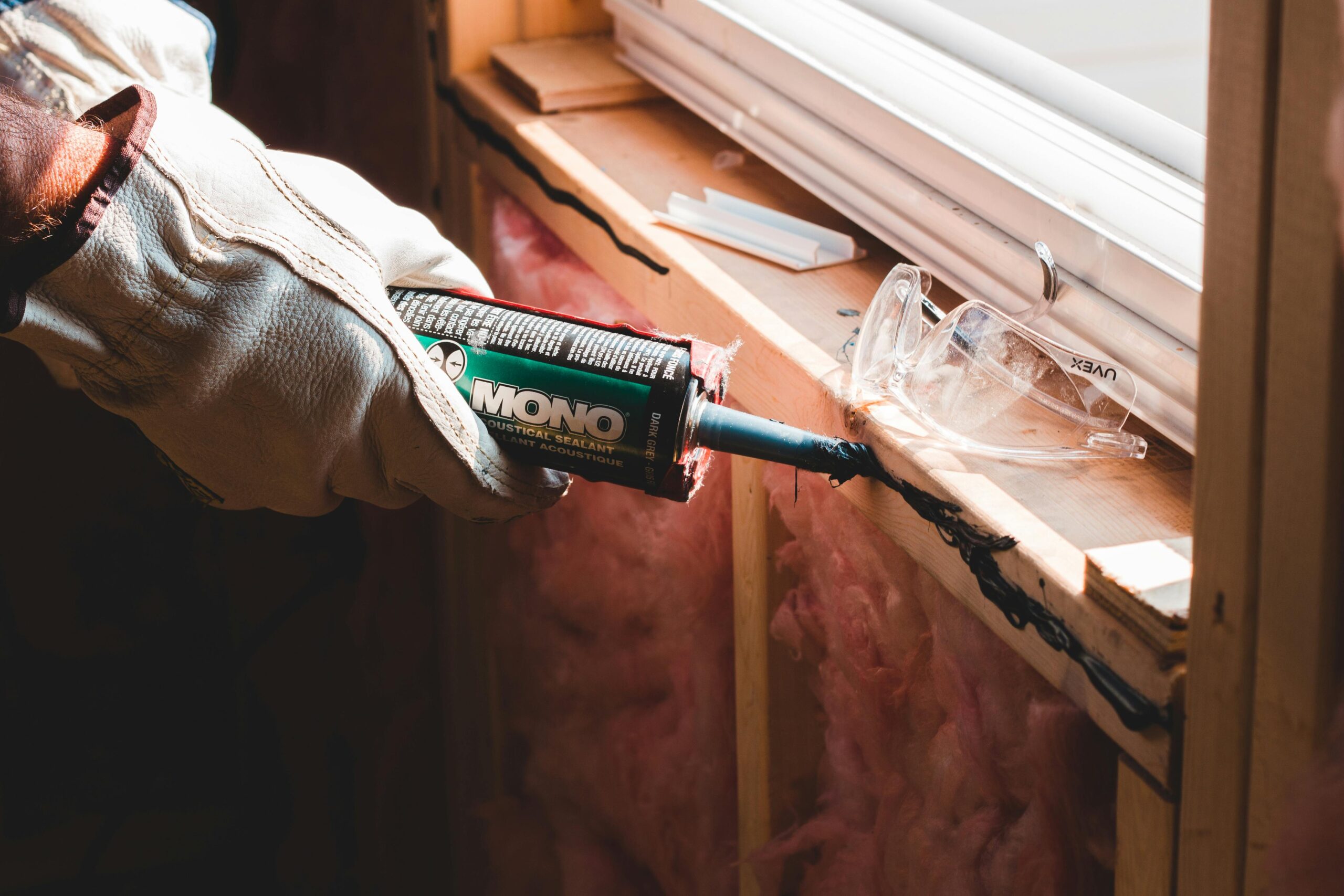
The simplest and most cost-effective soundproofing intervention involves sealing gaps and cracks around doors and windows with weatherstripping and acoustic caulk. This addresses the air gaps that allow sound to bypass even thick barriers.
Apply self-adhesive foam weatherstripping around door and window frames, ensuring complete coverage without gaps. Use acoustic-grade caulk to seal any cracks or openings in the frame itself. This simple intervention can reduce noise infiltration by 20-30% while also improving energy efficiency.
Heavy Curtains and Window Treatments
Thick, heavy curtains made from multiple layers of dense fabric can absorb sound waves and provide modest noise reduction, particularly for high-frequency sounds. While not as effective as glass-based solutions, acoustic curtains offer an inexpensive, removable option that also provides light control and privacy.
For maximum effectiveness, select curtains specifically designed for soundproofing that incorporate mass-loaded vinyl or multiple fabric layers. Hang them as close to the window as possible, extending beyond the window frame to prevent sound from flanking around the edges.
Door Draft Stoppers and Panels
Temporary soundproofing panels can be positioned against doors when noise control is needed, then removed when access is required. These typically consist of dense foam or fiberglass wrapped in fabric, mounted on a wooden frame that leans against or attaches to the door.
Combined with a heavy-duty door draft stopper—essentially a weighted fabric tube placed at the door bottom—these solutions can noticeably reduce noise transmission through existing doors without permanent modification.
Professional Assessment: When to Call the Experts 📞
While DIY solutions work for minor noise issues, severe sound problems often require professional assessment and installation. Acoustic consultants can measure actual sound levels, identify transmission paths you might miss, and design comprehensive solutions tailored to your specific situation.
Consider professional help if you’re experiencing noise levels above 60 decibels during quiet hours, if DIY solutions have proven ineffective, or if you’re planning significant renovations where soundproofing can be integrated into the construction process. Professionals also ensure proper installation, which is critical—even the best soundproofing materials perform poorly when incorrectly installed.
Professional soundproofing contractors can also navigate building codes and regulations, particularly important in multi-unit residential buildings or commercial spaces where modifications must comply with fire safety and structural requirements.
Measuring Success: Understanding Noise Reduction Metrics 📊
To evaluate whether your soundproofing efforts are successful, you need to understand how noise reduction is measured and what constitutes meaningful improvement. The human ear perceives sound logarithmically, meaning a 10-decibel reduction represents approximately a 50% reduction in perceived loudness.
Most effective door and window soundproofing implementations achieve noise reductions of 15-25 decibels, which translates to a dramatic decrease in perceived sound levels. A reduction of 20 decibels can transform disruptive traffic noise into barely noticeable background sound.
You can measure sound levels using smartphone apps or dedicated decibel meters, taking readings both inside and outside your space before and after soundproofing. Document measurements at various times of day to capture different noise conditions and assess the real-world effectiveness of your interventions.
Long-Term Maintenance and Performance Optimization 🔧
Soundproofing effectiveness can degrade over time as seals compress, materials settle, and wear occurs. Regular maintenance ensures your investment continues delivering optimal performance for years to come.
Inspect door and window seals annually, replacing weatherstripping that shows signs of compression, cracking, or detachment. Check that door sweeps maintain firm contact with the floor and that automatic door bottoms activate properly. Clean window tracks and ensure smooth operation—binding windows may not close tightly, creating gaps for sound infiltration.
For professional installations, follow manufacturer maintenance recommendations and consider periodic inspections by qualified technicians. Many high-end acoustic window systems include maintenance plans that ensure long-term performance warranties remain valid.
Beyond Basics: Advanced Soundproofing Strategies for Challenging Situations 🎯
Some noise situations require advanced strategies beyond standard soundproofing approaches. If you’re dealing with extremely loud environments, low-frequency vibrations, or specialized requirements, these techniques may be necessary.
Sound lock entry systems create a double-door airlock arrangement where two soundproofed doors with an intervening space dramatically increase sound isolation. Recording studios and audiophile listening rooms often employ this approach for maximum acoustic separation.
Active noise cancellation technology, while typically associated with headphones, is now available in specialized window systems that generate sound waves to cancel incoming noise. These high-tech solutions work particularly well for predictable, consistent noise sources like highway traffic.
For low-frequency vibration problems, isolation mounting systems can mechanically decouple doors and windows from the building structure, preventing vibration transmission. These sophisticated systems require professional design and installation but can address noise issues that resist conventional soundproofing methods.
Investment Returns: The Value Proposition of Quality Soundproofing 💎
Professional door and window soundproofing represents a significant investment, with costs ranging from a few hundred dollars for basic improvements to several thousand for comprehensive solutions. However, the return on investment extends beyond mere noise reduction.
Quality soundproofing increases property values, with studies indicating that homes in noisy areas gain 3-5% in market value when effective noise control is implemented. Energy efficiency improvements accompanying soundproofing reduce utility costs, often by 10-20% for heating and cooling expenses.
The health and productivity benefits, while harder to quantify financially, may represent the most significant returns. Chronic noise exposure correlates with increased stress, cardiovascular problems, sleep disruption, and reduced cognitive performance. Creating a quiet home environment supports better health outcomes and quality of life that no dollar value can fully capture.

Taking Action: Your Roadmap to Acoustic Comfort 🗺️
Transforming your space with expert door and window soundproofing begins with assessment, moves through planning and implementation, and continues with maintenance and optimization. Start by identifying your most problematic noise sources and the doors or windows that require attention.
Set a realistic budget that balances effectiveness with affordability—remember that addressing your worst noise source provides more benefit than partially treating multiple areas. Prioritize solutions that offer the best noise reduction per dollar invested, typically starting with sealing gaps and upgrading the most problematic door or window.
Whether you choose DIY approaches, professional installation, or a combination of both, commit to quality materials and proper installation techniques. Soundproofing effectiveness depends as much on correct implementation as on material quality, so invest the time and attention needed for success.
Your journey toward acoustic comfort doesn’t happen overnight, but each improvement compounds the benefits, gradually transforming your space into the peaceful sanctuary you deserve. By sealing the silence with expert door and window soundproofing solutions, you reclaim control over your acoustic environment and create a space where tranquility, productivity, and well-being can flourish. 🏡✨