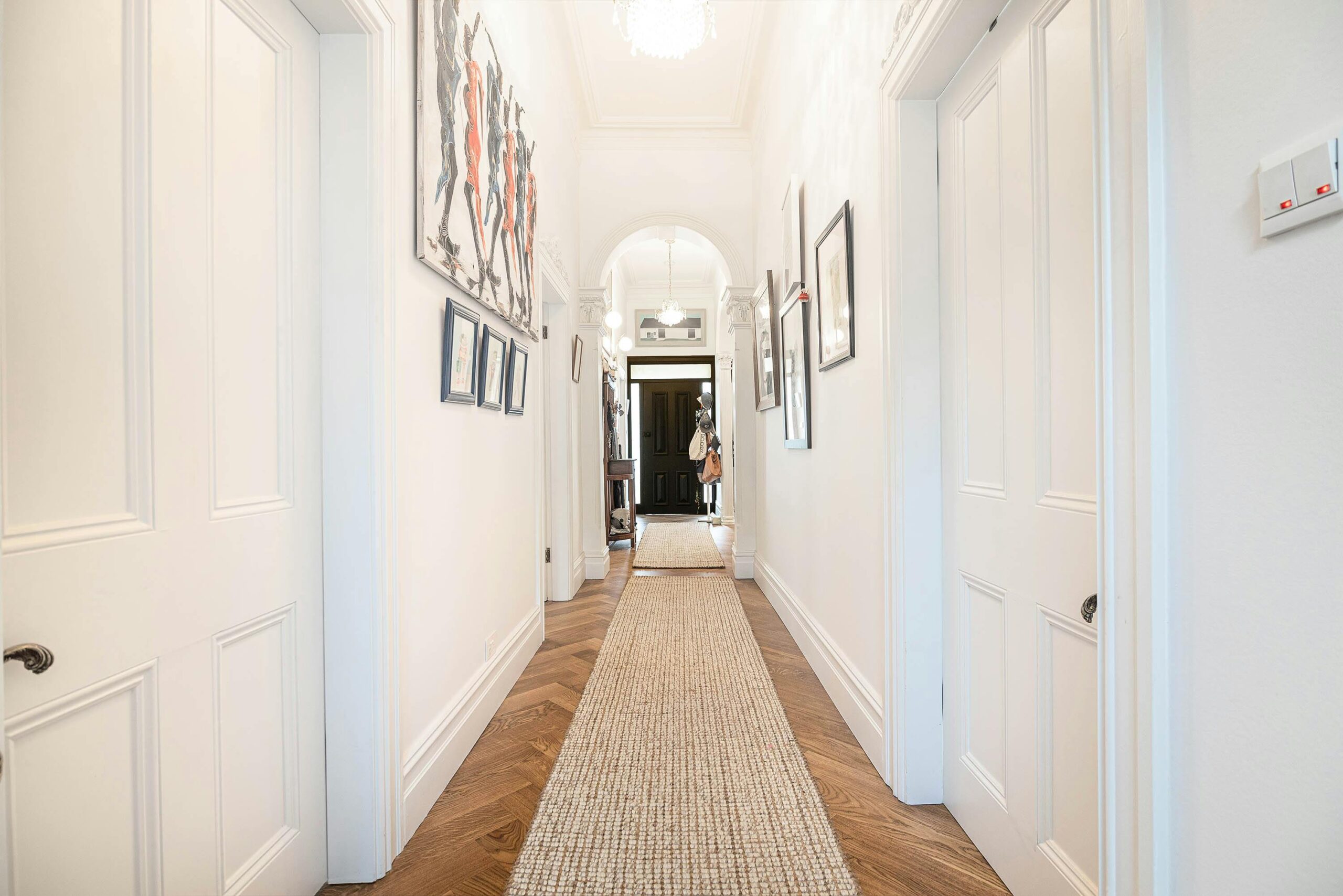
Transforming your home often means confronting one of architecture’s most formidable challenges: load-bearing walls that seem to limit your creative vision and spatial possibilities.

🏗️ Understanding the Foundation: What Makes Load-Bearing Walls Essential
Load-bearing walls form the structural backbone of your home, transferring the weight of upper floors, roofs, and accumulated loads down to the foundation. Unlike partition walls that simply divide space, these critical elements maintain your home’s structural integrity and cannot be removed without proper engineering assessment and reinforcement.
The significance of identifying load-bearing walls before any renovation cannot be overstated. These walls typically run perpendicular to floor joists and are often located centrally within the home’s floor plan. Exterior walls almost always bear loads, while interior walls require professional evaluation to determine their structural role.
Understanding which walls support your home’s weight helps you make informed decisions about renovation possibilities. This knowledge prevents costly mistakes and dangerous structural compromises that could threaten your family’s safety and your property’s value.
Recognizing Load-Bearing Structures in Your Home
Several telltale signs can indicate whether a wall bears structural loads. Walls running parallel to the ridge of your roof often carry significant weight. If you notice beams, joists, or other structural members resting on or within a wall, it likely serves a load-bearing function.
Original building plans provide the most reliable information about your home’s structural layout. However, many homeowners lack access to these documents, especially in older properties or homes that have changed hands multiple times.
The thickness of walls can offer clues, though this method isn’t foolproof. Load-bearing walls typically measure six inches or more in thickness, while non-structural partition walls often measure around four inches. Basement and foundation walls always bear loads and require special consideration during renovations.
Professional Assessment: Your First Critical Step
Before proceeding with any modifications to suspected load-bearing walls, consultation with a structural engineer or licensed architect is non-negotiable. These professionals use specialized knowledge and tools to accurately assess your home’s structural system.
A structural engineer will examine your home’s construction methods, materials, and load paths. They’ll consider factors like span distances, existing support systems, and local building codes to determine safe modification approaches. This investment in professional expertise prevents catastrophic failures and ensures your renovations meet legal requirements.
The assessment process typically involves reviewing existing plans, conducting visual inspections, and sometimes performing exploratory demolition to examine wall composition and connections. Engineers may also use advanced tools like laser levels and moisture meters to evaluate structural conditions.
🔧 Innovative Engineering Solutions for Opening Load-Bearing Walls
Modern structural engineering offers numerous strategies for safely removing or modifying load-bearing walls while maintaining your home’s integrity. These solutions transfer loads to alternative support systems, creating the open spaces you envision.
Steel Beam Installation: The Workhorse of Structural Support
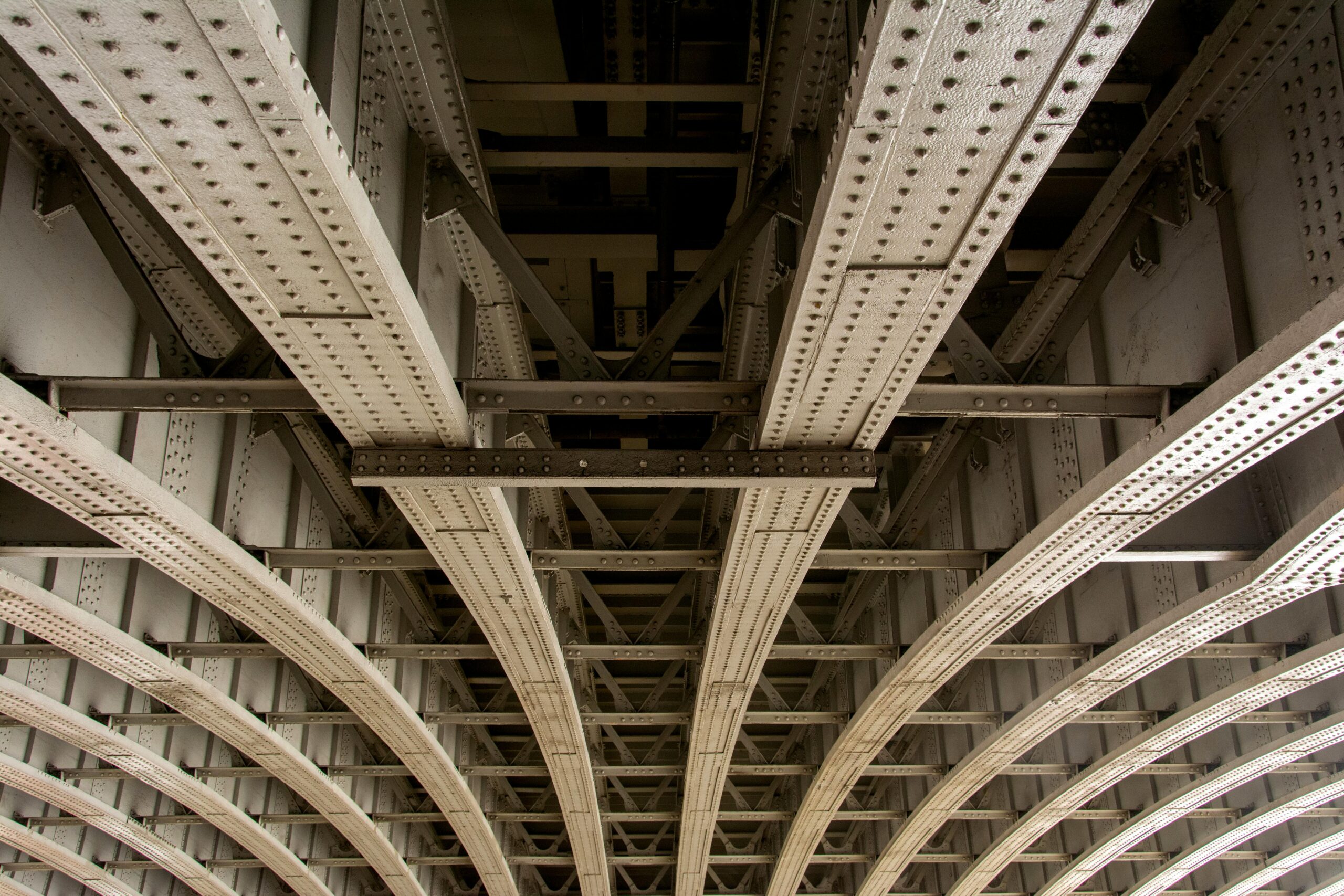
Steel beams represent one of the most common and reliable methods for spanning openings where load-bearing walls once stood. These engineered elements support tremendous weights across significant distances, making them ideal for creating expansive open-plan living areas.
The process involves temporarily supporting the structure above with adjustable posts, removing the wall section, and installing a properly sized steel beam with adequate bearing points on either side. The beam transfers loads horizontally to reinforced columns or wall segments, maintaining structural stability.
Steel beam selection depends on multiple factors including span length, load magnitude, and aesthetic considerations. W-beams, I-beams, and box beams each offer different characteristics suited to specific applications. Your structural engineer will calculate precise requirements based on your home’s unique conditions.
Laminated Veneer Lumber: The Engineered Wood Alternative
Laminated Veneer Lumber (LVL) provides an engineered wood alternative to steel beams, offering excellent strength-to-weight ratios and easier installation in certain situations. These manufactured products consist of multiple thin layers of wood bonded together, creating exceptionally strong structural members.
LVL beams work particularly well in residential applications where steel might be overkill or where wood-to-wood connections simplify integration with existing framing. They’re lighter than steel, making them easier to maneuver during installation, especially in spaces with limited access.
These engineered lumber products resist warping, splitting, and shrinking better than solid timber, providing long-term stability. They also accept nails and screws more readily than steel, simplifying finish work and trim installation around the new opening.
Creating Architectural Interest While Solving Structural Challenges
Removing load-bearing walls doesn’t mean sacrificing architectural character. In fact, the structural solutions required often create opportunities for distinctive design elements that enhance your home’s aesthetic appeal.
Exposed Beam Designs That Make a Statement
Rather than hiding structural beams behind drywall, consider embracing them as design features. Exposed beams add visual interest, define spaces without closing them off, and create a sense of substance and authenticity in your interior design.
Steel beams can be painted, powder-coated, or left with an industrial finish depending on your design preferences. Wood beams bring warmth and texture, complementing both traditional and contemporary design schemes. Some homeowners choose to wrap steel beams in wood for aesthetic purposes while maintaining structural strength.
The key to successful exposed beam design lies in proportion and context. Oversized beams can overwhelm smaller spaces, while undersized elements may appear inadequate even when structurally sufficient. Your designer can help balance functional requirements with visual harmony.
Column Integration: Function Meets Form
When load-bearing walls are removed, columns often remain necessary to support beams at strategic points. These vertical elements can become architectural focal points rather than obstacles to your design vision.
Decorative column wraps transform plain support posts into design elements that complement your interior style. Materials ranging from stacked stone to recessed paneling, metal cladding to millwork details can personalize these necessary structural components.
Strategic column placement can define functional zones within open-plan spaces. A column between kitchen and living areas, for example, provides natural separation while maintaining visual connection and traffic flow between spaces.
📐 Smart Planning: Maximizing Space Without Removing Walls
Sometimes the best solution doesn’t involve removing load-bearing walls at all. Creative design strategies can achieve surprising openness while working within existing structural constraints.
Pass-Through Openings and Interior Windows
Creating pass-through openings in load-bearing walls offers a compromise between complete removal and leaving walls intact. These strategically sized apertures improve sightlines and connection between spaces without requiring extensive structural intervention.
A properly engineered pass-through includes a header beam spanning the opening, transferring loads around the aperture. The size and structural requirements of this header depend on the wall’s load and the opening’s dimensions, but many pass-throughs can be accomplished with relatively modest engineering.
Interior windows provide another creative solution, bringing light and visual connection between rooms while maintaining the wall’s structural function. These openings work particularly well between kitchens and dining rooms, home offices and living spaces, or corridors and interior rooms lacking natural light.
Partial Wall Removal and Half-Wall Solutions
Removing only the upper portion of a load-bearing wall while leaving a lower section intact creates open sightlines at standing height while maintaining some structural function. This approach often requires less extensive reinforcement than complete wall removal.
Half-walls or pony walls provide opportunities for integrated storage, display surfaces, or breakfast bars while defining space boundaries. These elements maintain some structural capacity while opening visual connections between areas.
The remaining wall section can incorporate design features like waterfall countertops, decorative columns at intervals, or specialized lighting to enhance functionality and aesthetics. This approach often proves more cost-effective than complete wall removal while achieving many of the same spatial benefits.
💡 Technology and Tools for Planning Your Renovation
Modern technology empowers homeowners to visualize renovation possibilities before committing to construction. Digital tools help you explore design options, understand structural implications, and communicate your vision to professionals.
Virtual Design Software and 3D Visualization
Sophisticated design applications allow you to create virtual models of your home and experiment with different configurations. These tools help you understand how removing or modifying walls affects spatial relationships, traffic patterns, and functionality.
Three-dimensional renderings bring design concepts to life, making it easier to evaluate proposed changes before construction begins. You can explore different beam finishes, column placements, and opening sizes to find solutions that balance structural requirements with aesthetic preferences.
Many design programs include libraries of materials, finishes, and fixtures, allowing you to visualize complete renovation scenarios. This comprehensive preview helps prevent costly changes during construction and ensures the finished project matches your expectations.
Navigating Permits, Codes, and Legal Requirements
Modifications to load-bearing walls trigger building permit requirements in virtually all jurisdictions. These regulatory processes exist to ensure structural safety and protect property values within communities.
Building departments require engineered plans showing existing conditions, proposed modifications, and structural calculations demonstrating safety. Inspections at various construction stages verify that work proceeds according to approved plans and meets code requirements.
Attempting to avoid permit processes creates significant risks including safety hazards, insurance complications, difficulties selling your property, and potential legal liabilities. The relatively modest costs and time requirements of proper permitting pale in comparison to these potential consequences.
Working With Building Officials Effectively
Building inspectors serve as safeguards for structural integrity and public safety. Approaching permit processes with proper documentation, respectful communication, and realistic timelines facilitates smooth approval and inspection experiences.
Submit complete, professionally prepared plans that clearly show existing conditions and proposed work. Include structural calculations stamped by licensed engineers, and be prepared to answer questions about construction methods and materials.
Schedule inspections promptly at required stages and ensure work is ready for evaluation when inspectors arrive. Address any concerns or corrections quickly and professionally to keep your project moving forward.
🏠 Cost Considerations and Budget Planning
Load-bearing wall modifications represent significant investments requiring careful financial planning. Understanding cost factors helps you develop realistic budgets and make informed decisions about project scope.
Breaking Down Structural Modification Expenses
Engineering fees for structural assessment and plan preparation typically range from several hundred to several thousand dollars depending on project complexity. This professional expertise ensures safety and facilitates permit approval, making it a crucial investment.
Material costs for beams, columns, and support systems vary widely based on span requirements, load conditions, and material choices. Steel beams generally cost more than engineered lumber alternatives, though installation complexity and finish work requirements affect total expenses.
Labor represents a substantial portion of total costs, including skilled trades like structural contractors, carpenters, and finishers. Temporary support systems, material handling, and coordination with other trades add to overall expenses.
Hidden Costs and Contingency Planning
Structural modifications often reveal unexpected conditions requiring additional work. Outdated wiring, plumbing conflicts, inadequate foundations, or concealed damage can increase project costs beyond initial estimates.
Wise budget planning includes contingency reserves of 15-20% to address unforeseen conditions without derailing your project. This financial cushion provides peace of mind and flexibility to handle surprises constructively.
Finish work following structural modifications can significantly impact total costs. Flooring transitions, ceiling repairs, paint, trim, and other cosmetic elements necessary to integrate new openings into existing spaces require budget consideration from the outset.
Transforming Challenges Into Design Opportunities
The constraints imposed by load-bearing walls need not limit your design ambitions. Instead, these structural realities can inspire creative solutions that enhance your home’s character while achieving your spatial goals.
Successful renovations balance structural requirements with aesthetic aspirations, creating spaces that function beautifully while maintaining safety and integrity. This holistic approach considers how structural elements can contribute to rather than detract from your design vision.
Case Studies: Real Transformations That Inspire
Consider the Victorian home where a central load-bearing wall once divided the main floor into cramped, disconnected rooms. By installing an exposed timber beam with decorative steel tension rods, the homeowners created an expansive great room while highlighting the home’s historic bones with contemporary industrial touches.
In a mid-century ranch, strategic pass-through openings in load-bearing walls maintained structural integrity while connecting the kitchen to living spaces. Integrated shelving within the remaining wall sections provided display space and subtle room definition without sacrificing the open feel.
A compact urban home utilized a steel column wrapped in mirrors to support loads from a removed wall, creating the illusion of even greater space while solving structural requirements with minimal footprint. The reflective surface enhanced natural light distribution and added unexpected sparkle to the interior.
Working With the Right Professionals for Success
Complex structural renovations require assembling a qualified team of professionals who bring specialized expertise to your project. The right collaborators transform challenging renovations into successful transformations.
Structural engineers provide the technical foundation for safe modifications. Experienced contractors execute the physical work with attention to safety and quality. Designers help integrate structural solutions into cohesive, attractive interiors that reflect your personal style.
Selecting professionals with specific experience in residential structural modifications ensures they understand the unique challenges of working in occupied homes. Check references, verify licenses and insurance, and review portfolios of similar projects before making hiring decisions.
Communication: The Foundation of Successful Collaboration
Clear, consistent communication among all project participants prevents misunderstandings and keeps work progressing smoothly. Regular meetings or updates ensure everyone understands project goals, timelines, and any developing challenges.
Document decisions, changes, and agreements in writing to maintain clear records throughout the project. This practice protects all parties and provides reference material if questions arise during or after construction.
Respect professional expertise while advocating for your priorities. The best outcomes emerge when homeowners’ visions combine with professionals’ technical knowledge to create solutions that satisfy both aesthetic and structural requirements.
Future-Proofing Your Structural Modifications ✨
Thoughtful structural work considers not only immediate needs but also potential future changes. This forward-thinking approach maximizes your renovation investment’s long-term value.
Over-engineering slightly beyond minimum requirements provides flexibility for future modifications. Installing a larger beam than strictly necessary might accommodate additional loads if you later decide to add a second story or reconfigure upper floor layouts.
Documenting modifications thoroughly creates valuable records for future owners or additional renovations. Photograph work at various stages, retain all engineering plans and permits, and maintain contractor contact information for reference.
Consider how your modifications affect future possibilities throughout your home. Will the new beam placement limit ceiling-mounted fixtures or HVAC ductwork? Does column positioning create furniture arrangement challenges? Anticipating these issues during planning prevents regrets later.
Your home represents both shelter and investment, deserving thoughtful consideration when undertaking structural modifications. By respecting load-bearing walls’ critical functions while embracing innovative solutions, you can achieve remarkable transformations that enhance livability, functionality, and value. The journey from constrained spaces to open, flowing interiors requires professional expertise, careful planning, and creative vision—but the rewards of a home that truly works for your lifestyle make every effort worthwhile.