Dealing with unwanted noise in your home or workspace doesn’t require expensive renovations or hiring professional contractors anymore. Simple, affordable soundproofing methods can dramatically reduce noise pollution and create a peaceful environment.

🔇 Why Soundproofing Matters More Than You Think
Living in a noisy environment affects more than just your ability to concentrate. Constant exposure to unwanted sounds can increase stress levels, disrupt sleep patterns, and reduce overall quality of life. Whether you’re dealing with traffic noise, loud neighbors, barking dogs, or echo in your home office, addressing these acoustic challenges has become essential in our increasingly busy world.
The good news is that effective soundproofing doesn’t always mean tearing down walls or spending thousands of dollars. Many affordable solutions can significantly reduce noise transmission and improve acoustic quality without major construction work. Understanding how sound travels and what materials can block or absorb it empowers you to make smart, cost-effective choices for your space.
Understanding Sound: The Key to Effective Solutions
Before implementing any soundproofing strategy, it’s helpful to understand the two main types of sound problems you might encounter. Impact noise comes from physical vibrations like footsteps, dropped objects, or furniture moving across floors. Airborne noise travels through the air and includes conversations, music, television sounds, and outdoor traffic.
Sound waves behave differently depending on the surfaces they encounter. Hard, flat surfaces like bare walls and windows reflect sound, creating echoes and amplifying noise. Soft, porous materials absorb sound waves, reducing their intensity. Dense, heavy materials block sound transmission between spaces. Your soundproofing approach should address the specific type of noise problem you’re facing.
The Four Principles of Soundproofing
Professional acousticians rely on four fundamental principles when designing soundproofing solutions: mass, absorption, damping, and decoupling. Adding mass creates a barrier that sound waves struggle to penetrate. Absorption uses soft materials to trap sound energy. Damping reduces vibrations that carry sound. Decoupling separates structures to prevent vibration transfer. The most effective DIY solutions incorporate at least one or two of these principles.
🚪 Sealing the Gaps: Your First Line of Defense
Before investing in any soundproofing materials, inspect your space for gaps and cracks where sound easily leaks through. Even small openings dramatically reduce the effectiveness of otherwise solid barriers. Check around doors, windows, electrical outlets, light fixtures, and where walls meet ceilings or floors.
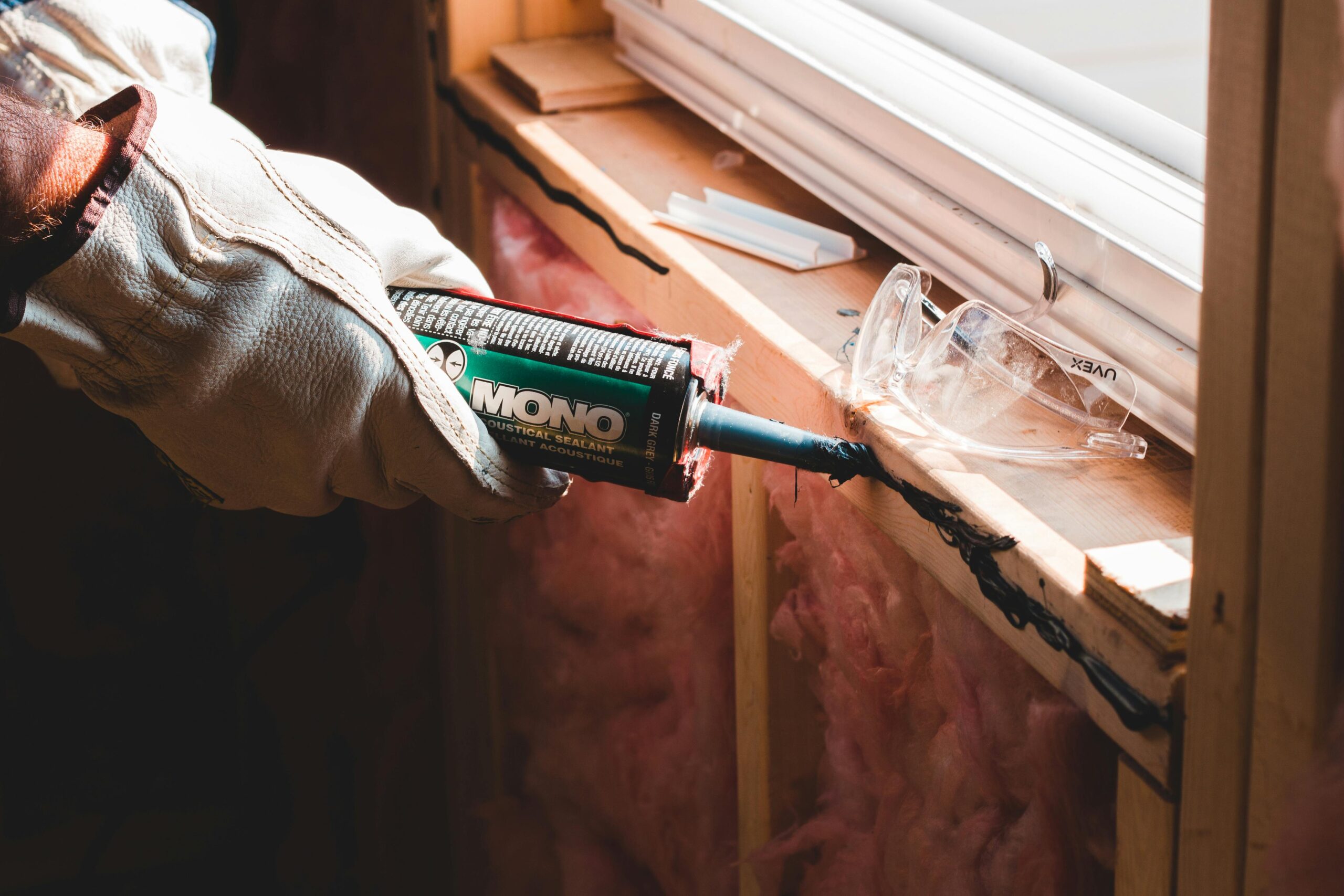
Acoustic sealant represents one of the most cost-effective soundproofing investments you can make. Unlike regular caulk, acoustic sealant remains flexible after drying, which prevents it from cracking as building materials expand and contract. Apply it around window frames, door jambs, and any visible cracks in walls or ceilings. This simple step alone can reduce noise transmission by 20-30 percent in some cases.
Door sweeps and weatherstripping create tight seals around doors, blocking the significant gap between the door bottom and floor. Choose door sweeps with thick rubber or silicone that compress firmly against the floor when the door closes. Self-adhesive weatherstripping tape works well for the sides and top of door frames. For maximum effectiveness, install both solutions together.
Window Treatments That Actually Work 🪟
Windows present one of the biggest challenges for soundproofing since glass transmits sound easily and window frames often have gaps. Replacing windows with specialized acoustic glass is effective but expensive. Fortunately, several affordable alternatives can significantly reduce noise coming through existing windows.
Heavy, multilayered curtains designed specifically for soundproofing combine dense materials with sound-absorbing properties. Look for curtains with multiple fabric layers, including a dense middle layer and a soft, textured outer layer. Mount curtain rods several inches above and beyond the window frame, allowing curtains to cover more wall area. Close them completely to create a sealed barrier against outside noise.
Window inserts offer another effective solution without permanent installation. These clear acrylic or glass panels mount inside your existing window frame, creating an air gap that disrupts sound transmission. Some models use magnetic strips for easy installation and removal, while others employ compression mounting systems. Window inserts also provide insulation benefits, reducing energy costs alongside noise levels.
DIY Window Plug Method
For basement windows or spaces where natural light isn’t essential, create removable window plugs using foam board insulation. Measure your window opening precisely, cut rigid foam board to fit snugly, then cover it with fabric for aesthetic appeal. These plugs can be removed when desired and stored easily, making them perfect for occasional noise control needs.
Wall Solutions Without Breaking Through Drywall
Adding soundproofing directly to existing walls without demolition represents the most practical approach for most people. Several materials and methods work effectively when properly installed, transforming noisy rooms into peaceful retreats.
Acoustic panels come in various sizes, thicknesses, and designs, from utilitarian foam tiles to stylish fabric-wrapped options that double as wall art. These panels primarily absorb sound within a room, reducing echo and reverberation rather than blocking sound from adjacent spaces. However, they significantly improve acoustic quality, making spaces feel quieter and more comfortable.
Mass-loaded vinyl (MLV) is a dense, flexible material that adds significant soundproofing mass without taking up much space. Though slightly more expensive than some alternatives, it delivers impressive results. You can hang MLV directly on walls using construction adhesive or mount it behind decorative fabric panels. For rental properties, attach MLV to wooden frames that stand against walls without permanent installation.
Furniture placement and decorative elements contribute more to soundproofing than many people realize. Tall bookshelves filled with books create substantial mass against shared walls. Upholstered furniture, area rugs, wall tapestries, and canvas artwork all absorb sound. Strategic arrangement of these elements can noticeably reduce noise levels while enhancing your décor.
🛋️ Floor Soundproofing for Apartments and Multi-Level Homes
Impact noise traveling through floors causes some of the most common neighbor disputes in apartments and multi-level homes. Footsteps, dropped items, and furniture movement create vibrations that transmit easily through floor structures. Addressing these issues from above prevents sound from traveling downward and protects relationships with downstairs neighbors.
Thick area rugs with quality underlayment provide the simplest floor soundproofing solution. Choose rugs with dense pile and add specialized acoustic underlayment beneath them for maximum effect. Rubber underlayment excels at reducing impact noise, while foam options balance soundproofing with cushioning comfort. Cover as much floor area as practical, especially in high-traffic zones and areas where you frequently move furniture.
Interlocking foam floor tiles offer a more permanent solution that’s still removable when needed. These tiles come in various thicknesses and densities, with specialized acoustic versions designed specifically for noise reduction. They’re particularly popular for home gyms, playrooms, and home offices where impact noise concerns are greatest. Installation requires no tools or adhesives, making them genuinely renter-friendly.
Floating Floor Solution
For those who own their homes and want more substantial results, consider installing a floating floor over your existing flooring. This involves placing acoustic underlayment over the current floor, then installing a new floor surface on top without attaching it to the subfloor beneath. The air gap and cushioning material significantly reduce both impact and airborne noise transmission.
Ceiling Treatments That Don’t Require Construction
Reducing noise from above presents unique challenges, especially for renters or those avoiding major renovations. While ceiling soundproofing typically requires more effort than treating walls, several approaches remain accessible and reversible.
Acoustic ceiling tiles in drop ceiling systems can be replaced with specialized soundproofing versions that dramatically improve noise blocking. If you already have a drop ceiling, this upgrade involves minimal effort and expense. For regular drywall ceilings, adhesive acoustic tiles provide similar benefits, though removing them later may require repainting.
Fabric ceiling treatments create both visual interest and sound absorption. Stretch fabric systems mount to walls around a room’s perimeter, creating a suspended fabric ceiling that traps sound while hiding an unattractive existing ceiling. More simply, draping fabric or installing acoustic baffles from ceiling hooks absorbs sound without permanent installation. These solutions work particularly well in rooms with high ceilings where sound echoes noticeably.
🎵 Creating a Quiet Home Office or Studio
The rise of remote work and content creation has made home soundproofing more important than ever. Video calls, recording projects, and concentration-intensive work all benefit from improved acoustic environments. Fortunately, you can create an effective quiet workspace without converting your spare room into a professional recording studio.
Start by choosing the quietest room available, typically away from street-facing walls and common household activity areas. Then implement layered soundproofing: seal all gaps, add heavy curtains to windows, place acoustic panels on walls, and cover floors with thick rugs. A combination of modest treatments in multiple areas typically outperforms expensive investment in a single solution.
Desktop acoustic panels and shields provide targeted soundproofing for specific activities. These portable panels position around your desk, microphone, or workspace, absorbing sound immediately around you without treating the entire room. They’re especially valuable for improving recording quality and reducing echo during video calls.
The Closet Studio Hack
Closets naturally provide better sound isolation than open rooms due to their smaller size and clothing’s sound-absorbing properties. Transform a closet into a mini sound booth for recording or phone calls by adding a small desk, lighting, and ventilation. The existing clothes and contained space create surprisingly effective acoustic treatment with minimal additional investment.
Soundproofing on a Budget: Prioritizing Your Investments
When working with limited funds, strategic prioritization ensures you get maximum soundproofing benefit from every dollar spent. Not all noise problems require the same solutions, and some fixes deliver dramatically better return on investment than others.
Begin by identifying your primary noise sources and the specific times when noise bothers you most. Traffic noise in the bedroom might require different solutions than television sounds coming from an adjacent living room. Understanding your particular situation prevents wasted spending on ineffective treatments.
Allocate your budget according to this priority list: seal gaps and cracks first, treat the noise source directly if possible, address the path sound travels through, and finally improve the receiving room’s acoustics. This approach builds upon foundational solutions before adding enhancement layers.
Measuring Your Soundproofing Success 📊
After implementing soundproofing solutions, assess their effectiveness to determine whether additional measures are needed. While professional acousticians use specialized equipment, you can gauge improvements through simple methods that don’t require expensive tools.
Smartphone apps can measure decibel levels before and after soundproofing, providing objective data about noise reduction. Take measurements at the same time of day under similar conditions for accurate comparisons. Most people notice improvements of 10 decibels or more, which represents a roughly 50-percent reduction in perceived loudness.
Subjective assessment matters too—after all, your comfort and peace of mind are the ultimate goals. Notice whether conversations are easier to hear without raising voices, whether you sleep more soundly, or whether you can concentrate better during work hours. These quality-of-life improvements often matter more than raw decibel measurements.
🏡 Making Soundproofing Work With Your Aesthetic
Many people avoid soundproofing because they assume effective solutions look industrial or unattractive. While professional studios certainly prioritize function over form, residential soundproofing can be both effective and visually appealing with thoughtful selection and installation.
Acoustic panels now come in countless colors, patterns, and artistic designs. Some companies create custom printed panels featuring artwork or photographs, transforming functional soundproofing into decorative focal points. Fabric-wrapped panels can be upholstered in materials matching your existing décor, blending seamlessly with your interior design.
Natural materials offer another aesthetically pleasing approach to soundproofing. Cork wall tiles provide moderate sound absorption while adding warmth and texture. Wooden acoustic panels with precision-cut patterns create striking visual elements while improving room acoustics. Living plant walls absorb sound naturally while bringing nature indoors and improving air quality.
Maintaining Your Soundproofing Investment
Once you’ve implemented soundproofing solutions, minimal maintenance keeps them working effectively for years. Most materials require little more than occasional cleaning and periodic inspection for wear or damage.
Vacuum fabric-covered acoustic panels regularly to prevent dust accumulation that can reduce their effectiveness. Check weatherstripping and door sweeps every few months, replacing worn sections promptly. Acoustic sealant occasionally requires touch-ups where gaps reappear due to building settlement or temperature changes. These simple maintenance tasks take little time but preserve your soundproofing investment.
When to Consider Professional Help
While this article focuses on DIY soundproofing solutions, some situations benefit from professional consultation. If you’ve implemented multiple solutions without satisfactory results, an acoustic engineer can identify problems you might have missed. Severe noise issues, especially those involving bass frequencies or vibration transmission, often require more sophisticated approaches than DIY methods provide.
Professional soundproofing becomes more cost-effective when planning major renovations anyway. If you’re already updating a room, incorporating proper soundproofing during construction costs far less than retrofitting later. Professionals can also navigate building codes and structural considerations that affect permissible modifications in your space.
🌟 Your Path to Peace and Quiet Starts Now
Transforming your living or working space into a quiet sanctuary doesn’t require massive budgets or construction crews. By understanding how sound works and implementing strategic, affordable solutions, you can dramatically reduce unwanted noise and create the peaceful environment you deserve. Start with simple gap sealing and weatherstripping, then gradually add more advanced treatments based on your specific needs and budget.
Remember that soundproofing rarely achieves complete silence—the goal is meaningful noise reduction that enhances comfort and quality of life. Even modest improvements make daily activities more enjoyable, from sleeping and working to relaxing and entertaining. The investment you make in soundproofing pays dividends through reduced stress, improved concentration, better sleep quality, and enhanced enjoyment of your space.
Begin your soundproofing journey today with one small project. Seal that noisy door, hang those heavy curtains, or add an area rug to your bedroom. Each improvement builds upon the last, gradually transforming your space into the quiet retreat you’ve been craving. The peaceful home you desire is more achievable than you think, and it doesn’t require major renovations to get there.